
Artist
Vampire Weekend
New York City, United States · Formed 2006
Vampire Weekend is a music group from New York City, United States, active since 2006. Their discography on Gatefold includes 14 records.

14
Albums tracked
325
In collections
2006
Since
Biography
Rostam Batmanglij recorded the drums for the first album using three microphones in a Brooklyn basement. No massive drum room, no SSL desk, just a cheap interface and a specific obsession with the way those West African highlife records used space. People wanted to talk about the boat shoes and the Ivy League tuition, but they missed the point. These guys were gear nerds trying to make digital recordings sound like analog tape from the Congo. Then things got heavy when they hit the third record. They stopped trying to be a chamber-pop outfit and started acting like a studio project. Working with Ariel Rechtshaid changed the DNA of the band, trading the clean, punchy percussion for pitch-shifted vocals and distorted sub-bass. It’s the difference between a band playing in a room and a band using the mixing board as a lead instrument. They survived losing their primary architect when Rostam bailed in 2016, which is more than most indie acts from that era can say.
Bio from The Clerk
The Arc of Vampire Weekend
The pivots — what forced Vampire Weekend to reinvent.
The Highlife Blueprint
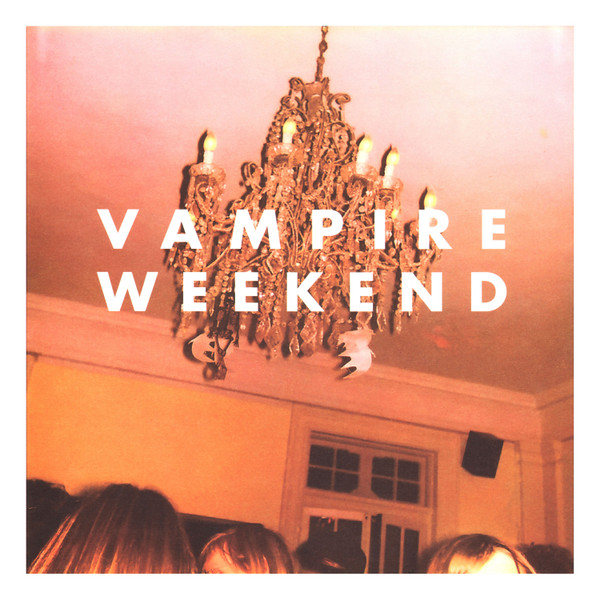
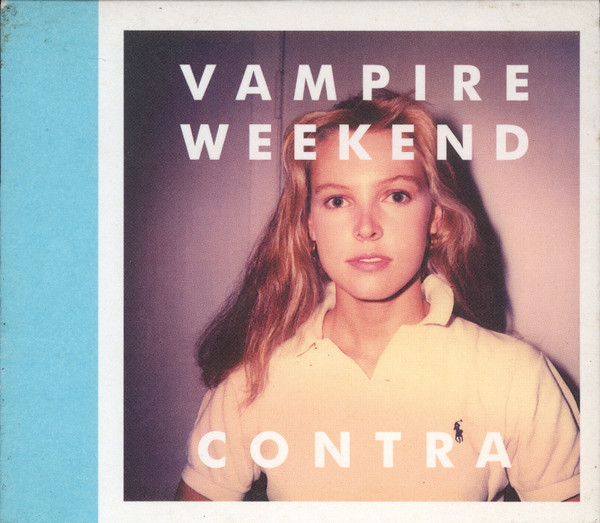
The first two records were all about strict constraints and punchy, dry rhythms tracked in cramped spaces. Ezra Koenig and Rostam were obsessed with the guitar interplay of Congolese Soukous, which meant zero reverb and a lot of fast, clean picking. You hear it in the way the keyboards mimic marimbas and the drums stay entirely out of the red. It was a calculated, anti-grunge aesthetic that annoyed the hell out of the old guard but gave the band a signature sound immediately.
The Rechtshaid Expansion
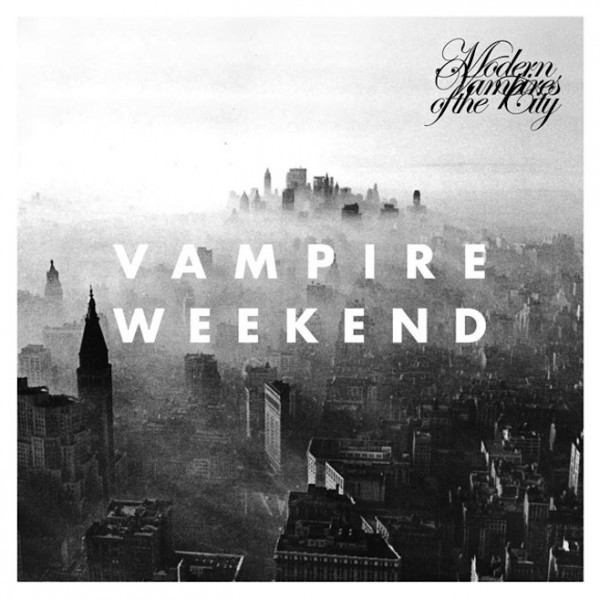
Bringing in producer Ariel Rechtshaid for Modern Vampires of the City shifted the focus from world-music mimicry to deep-studio experimentation. They started abusing the VariSpeed on tape machines to warp Ezra’s vocals and layering booming, cavernous percussion that felt more like hip-hop production than indie rock. This was the moment they traded the preppy cleverness for something darker and more textured. It’s the peak of their collaborative era before the original lineup fractured.
The Jam Band Pivot
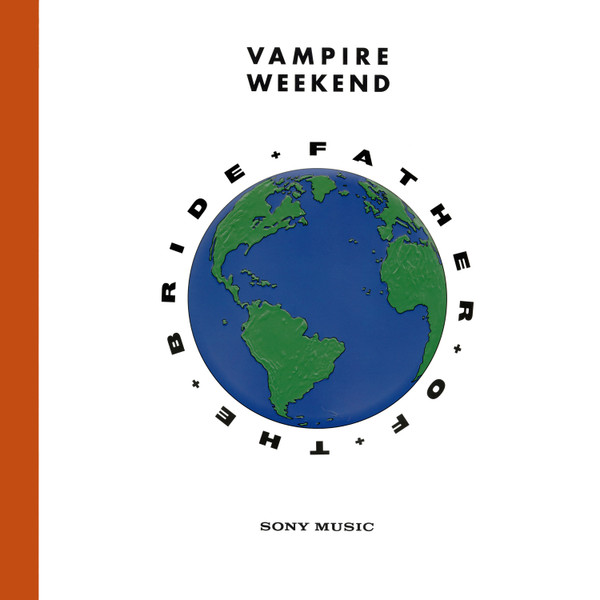
After Rostam left, the band essentially became Ezra's solo vehicle backed by a rotating cast of touring heavyweights. Father of the Bride threw away the tight three-minute structures in favor of long, loose arrangements influenced by the Grateful Dead and jam-circuit culture. They started utilizing session players like Greg Leisz for pedal steel and Danielle Haim for vocal duets. The result was a sprawling, double-album mess that prioritized groove and organic warmth over the surgical precision of their early work.
Influences
- The Special AKA — Ezra has cited their second album, In the Studio, as a major reference for its weird, sterile production. You hear those jerky rhythms and the heavy use of space all over the first VW record. It’s that same intersection of ska, pop, and art-school nerves.
- Paul Simon — The Graceland connection is the obvious one everyone hits, but it goes deeper than just the fretwork. They mirrored Simon’s approach of taking specific regional rhythms and recontextualizing them through a New York pop lens. It’s about the lyrical density as much as the percussion.
- Haruomi Hosono — The band sampled Hosono’s 'Talking' on Step, and Ezra has consistently praised his work with Yellow Magic Orchestra and his solo tropicalia period. You hear that influence in the way they treat global genres like a colorful toolkit rather than a rigid template. It’s high-concept pop music with an experimental backbone.
- S.E. Rogie — Rogie’s palm-wine guitar style is the literal DNA of the clean, finger-picked guitar lines on the debut album. They weren't hiding it; they were actively trying to replicate that specific Sierra Leonean warmth in a Brooklyn context. It’s the reason those early tracks don't have any distortion.
- The Velvet Underground — The band has performed 'I'm Waiting for the Man' live and frequently references the band's literate, NYC-centric perspective. Beyond the geography, you hear it in the way they use simple, repetitive chord structures to anchor really complex lyrical narratives. It’s the art-rock school of thought applied to pop melodies.
Discography
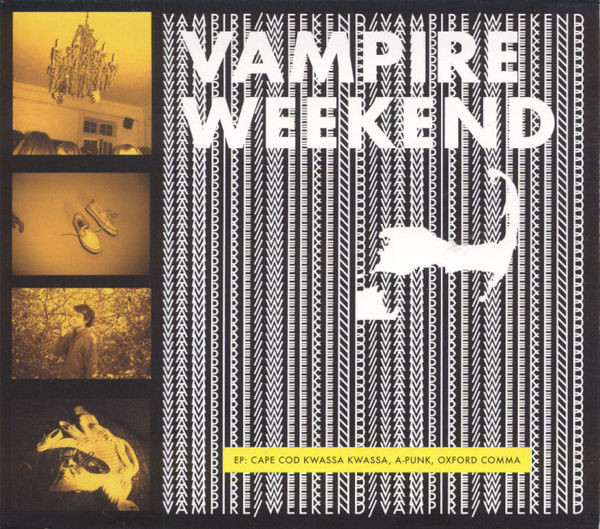
Their records — most-collected first.
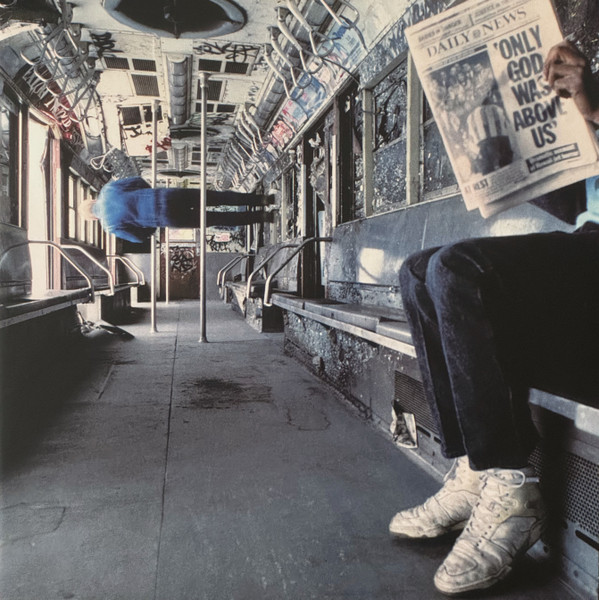
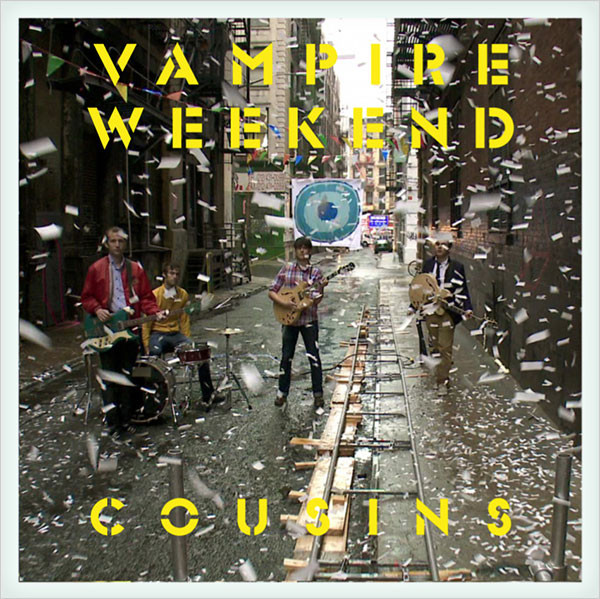


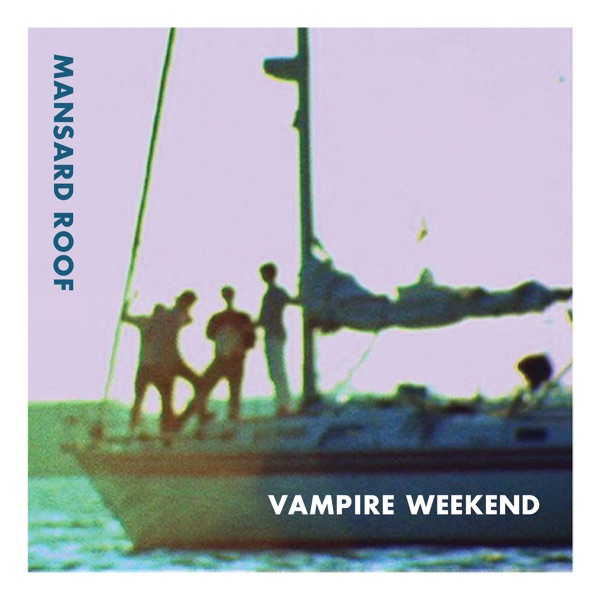
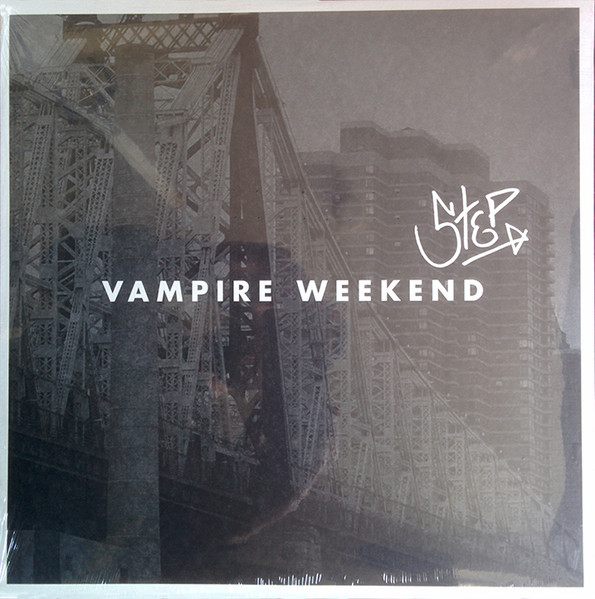

Related artists
Around the web
Follow every record they touch.
Start your shelf and Gatefold tracks Vampire Weekend's new pressings, tour dates, and the whole discography — automatically.
Start your shelf →Free forever. Works with 10 records or 10,000.