
Artist
Underoath
United States · Formed 1997
Underoath is a music group from United States, active since 1997. Their discography on Gatefold includes 13 records.

13
Albums tracked
89
In collections
1997
Since
Biography
James Wisner tracked They're Only Chasing Safety in a humid Orlando studio while the band was literally falling apart at the seams. Dallas Taylor was out, Spencer Chamberlain was sleeping on floorboards, and Aaron Gillespie was coughing up blood in the vocal booth trying to hit high notes he had never practiced live. That record wasn't an artistic manifesto; it was a desperate salvage job that accidentally became the defining radio-screamo document of 2004. It went gold because kids wanted the sugar, but the band hated how safe it sounded before the tape even dried. Two years later, Adam Dutkiewicz and Matt Goldman locked them in a room with baritone guitars, analog synths, and zero pop concessions. Define the Great Line debuted at number two on the Billboard 200 by sounding like Neurosis colliding with a church youth group having an existential panic attack. Underoath spent the rest of their career wrestling with that exact tension: too heavy for the mall-emo crowd, too melodic for the hardcore purists, and entirely too unstable to stay in one lane.
Bio from The Clerk
The Arc of Underoath
The pivots — what forced Underoath to reinvent.
The Tampa Metalcore Years
Before the haircuts and the synth hooks, Underoath was a bunch of Florida teenagers worshipping European death metal and Spirit-filled hardcore. Dallas Taylor handled lead vocals over sprawling, ten-minute tracks full of blast beats and dueling guitar solos on Act of Depression and Cries of the Past. The Changing of Times brought in basic electronics and melodic choruses, but the core sound was still rooted in rough, underground metalcore. It was chaotic and unpolished, documenting a band figuring out how to play their instruments on stage.
The Screamo Gold Rush
Kicking out Taylor and hiring Chamberlain flipped the dynamic instantly, putting Gillespie's soaring pop hooks front and center against Chamberlain's raw, unvarnished throat. 2004's They're Only Chasing Safety stripped away the death metal riffing entirely in favor of immediate, post-hardcore earworms tailored for the Warped Tour boom. The record exploded commercially, but the band felt like they had compromised their artistic weight for radio polish. It made them superstars while setting up an immediate identity crisis.
The Heavy Reinvention
Teaming up with producer Matt Goldman and Killswitch Engage's Adam Dutkiewicz, the band completely blew up their pop playbook for Define the Great Line and Lost in the Sound of Separation. They tuned down, embraced massive ambient industrial noise, and layered Chamberlain's guttural growls over complex, polyrhythmic drum assaults. This era solidified their actual artistic legacy, trading clean pop-punk choruses for crushing, dense wall-of-sound post-metal. It proved their commercial peak was not a fluke, but a launching pad for actual experimentation.
The Post-Christian Rebirth
After Gillespie walked away and 2010's bleak Ø (Disambiguation) flopped commercially, the group went on hiatus before reuniting without the Christian label that had defined their youth. 2018's Erase Me dropped the spiritual baggage entirely, trading dense math-metal for modern electronic-rock production and explicit lyrics. It alienated fundamentalist fans who grew up on them, but gave the core lineup the freedom to exist on their own terms. It was a blunt, profane reset that cleared the deck for self-produced records like Voyeurist.
Influences
- Refused — Chamberlain and guitarist Tim McTague have routinely cited The Shape of Punk to Come as the holy text for how heavy music could integrate electronics without losing its teeth. You hear that exact dynamic in Chris Dudley's glitchy synth interludes cutting through the breakdown guitars on Define the Great Line. Refused gave them the blueprint for breaking hardcore out of the four-chord box.
- Botch — Before chasing radio choruses, Underoath's early guitarists modeled their angular riffs directly on the chaotic mathcore Botch laid down on We Are the Romans. The dissonant chord voicings and frantic time-signature shifts across Lost in the Sound of Separation owe everything to that Tacoma scene. Without Botch, Underoath's heavy records would have just sounded like standard metalcore chugging.
- Deftones — The band openly studied Terry Date's production on White Pony and Around the Fur when constructing the airy, reverb-soaked quiet passages that punctuate their heaviest tracks. The push-and-pull between Chamberlain's subterranean rasp and lush shoegaze textures is pulled straight from Chino Moreno's vocal playbook. It taught them that atmosphere hits just as hard as a guitar riff.
- Jimmy Eat World — Gillespie's clean vocal hooks on They're Only Chasing Safety were directly informed by the pristine power-pop songwriting on Clarity and Bleed American. You hear Jim Adkins' bright, direct vocal phrasing stamped across every single chorus on 'Reinventing Your Exit.' Jimmy Eat World showed them how to write hooks that stick to the roof of your mouth.
- At the Drive-In — The unhinged live energy and spastic guitar work on Relationship of Command served as the primary model for Underoath's mid-2000s stage show and rhythmic assault. McTague and Chamberlain have credited the band with proving post-hardcore could be volatile, artsy, and violently fast all at once. That frantic, out-of-breath pacing drives the engine of their best records.
Discography
Their records — most-collected first.

They're Only Chasing Safety
2004

Voyeurist
2022

Define The Great Line
2006

Lost In The Sound Of Separation
2008

Erase Me
2018

The Changing Of Times
2002
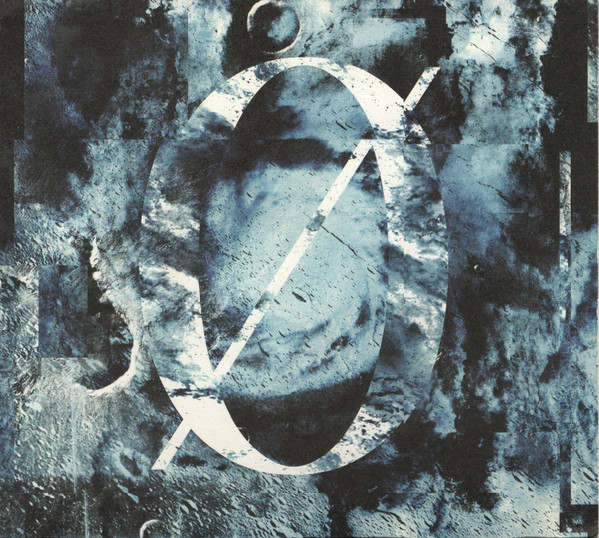
Ø (Disambiguation)
2010

The Place After This One
2025

Observatory
2021

They're Only Chasing Safety / Define The Great Line
2016

Survive Kaleidoscope
2008

Cries Of The Past
2000
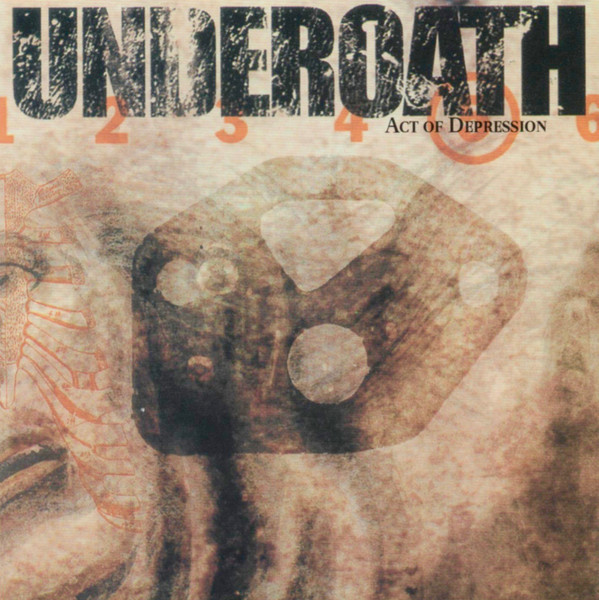
Act Of Depression
1999
Related artists
Around the web
Follow every record they touch.
Start your shelf and Gatefold tracks Underoath's new pressings, tour dates, and the whole discography — automatically.
Start your shelf →Free forever. Works with 10 records or 10,000.