
Artist
Ultimate Spinach
Boston, United States · 1967 – 1969
Ultimate Spinach is a music group from Boston, United States, active 1967–1969. Their discography on Gatefold includes 3 records.
3
Albums tracked
13
In collections
1967
Since
Biography
Alan Lorber sat in a New York studio and decided he could manufacture a scene to rival Haight-Ashbury, so he rebranded a local Boston group called The Underground and saddled them with a name that sounded like a bad trip. He pushed the 'Bosstown Sound' as a marketing gimmick to sell records to kids who couldn't get to San Francisco. Ian Bruce-Douglas was the brain behind the first two records, playing nearly everything and writing suites that tried to out-Zappa Zappa with none of the irony. The records are heavy on the Farfisa organ and preachier than a Sunday morning revival. It’s peak 1968 pretension, but the musicianship is actually there if you can get past the spoken-word drivel. By the time the third album rolled around, the label fired Bruce-Douglas and tried to turn them into a straight-ahead rock band. It was a disaster. The industry suits tried to build a counter-culture in a lab, and it went exactly how you'd expect.
Bio from The Clerk
The Arc of Ultimate Spinach
The pivots — what forced Ultimate Spinach to reinvent.
The Bruce-Douglas Dictatorship
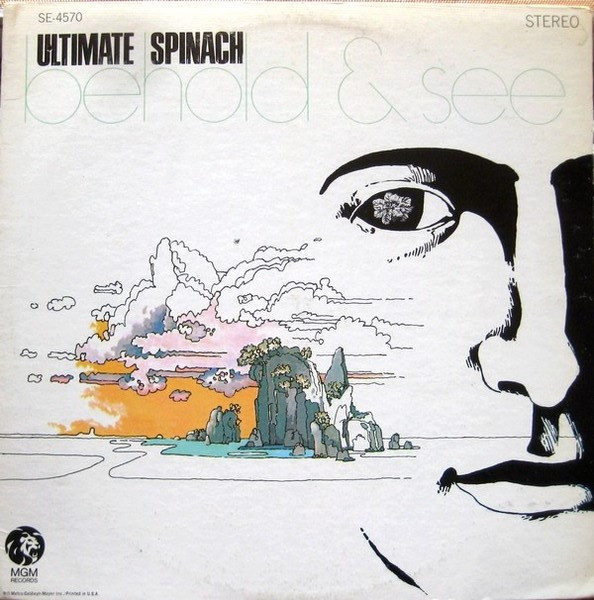
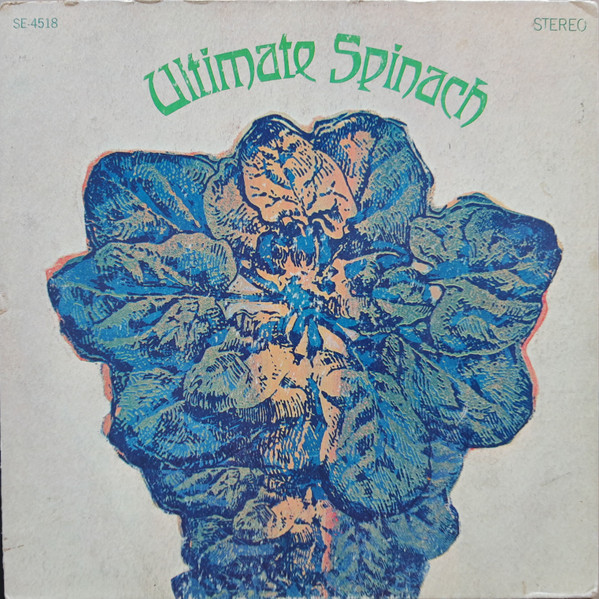
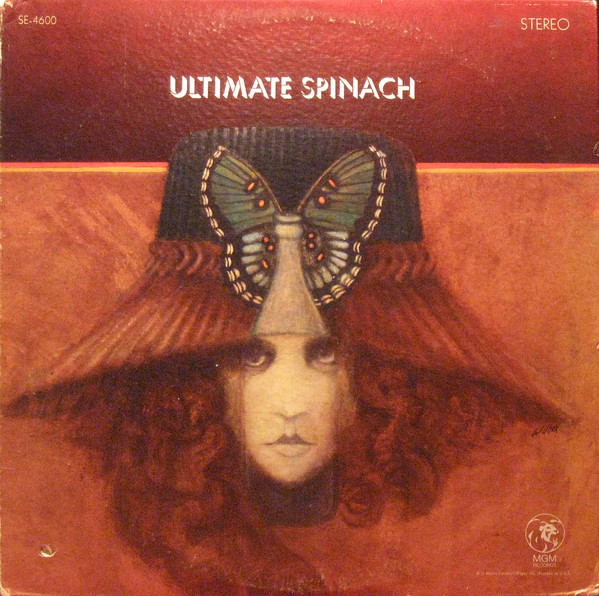
Ian Bruce-Douglas took total control in the studio for the self-titled debut and the follow-up, Behold & See. He was obsessed with multi-instrumental layering and high-concept psych-folk that felt like a frantic attempt to keep up with the West Coast. The sound is defined by heavy vibrato vocals and electric harpsichord textures that felt expensive and overproduced compared to the grit of the actual Boston scene. MGM poured money into the sessions, resulting in a polished, multi-tracked version of LSD-inspired chaos that feels more like a movie set than a garage band.
The MGM Purge
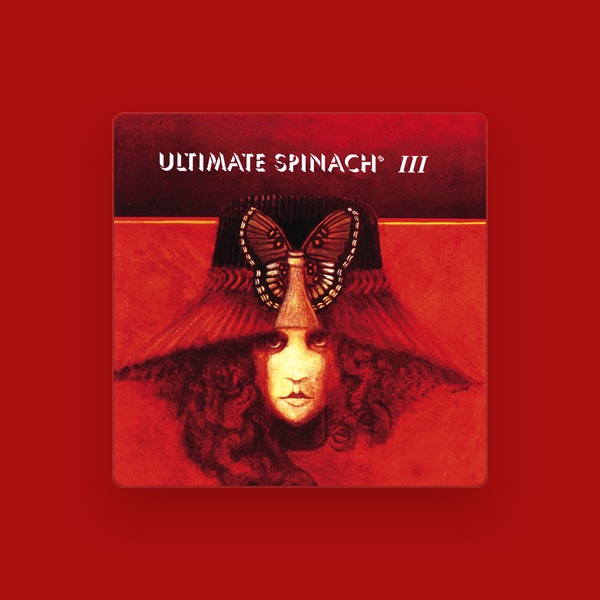
After the second record failed to turn Boston into the new San Francisco, the label ousted Bruce-Douglas and brought in Ted Myers from The Lost to salvage the name. They scrapped the baroque-pop pretensions for Ultimate Spinach III and tried to pivot toward a more conventional blues-rock and pop sound. The weirdness that made them interesting was sanded off by studio mandates. It was a transparent attempt to save a failing brand, and without the central songwriter's obsessive vision, the band evaporated almost immediately after the release.
Influences
- The Mothers of Invention — Ian Bruce-Douglas was vocal about his obsession with Frank Zappa’s composition style. You hear it in the frequent, jarring time-signature shifts and the attempt at satirical spoken-word segments on the first two albums. It’s Zappa’s complexity without the humor.
- The West Coast Pop Art Experimental Band — Both bands were under the thumb of older, controlling producers—Bob Markley for the West Coast guys and Alan Lorber for Spinach. The shared DNA is in the brittle, clean guitar tones and the overly ambitious, almost academic approach to psychedelia. It sounds like a studio exercise rather than a jam.
- Country Joe & The Fish — The heavy reliance on the Farfisa organ and the overtly political, anti-war lyricism on 'Behold & See' mirrors the Berkeley scene. Bruce-Douglas openly admired their ability to mix folk-protest with lysergic organ swells. You can hear the exact same thin, reedy keyboard textures across both catalogs.
- The Yardbirds — Before the Spinach rebrand, the band spent their time as The Underground covering Yardbirds tracks in Boston clubs. The fuzz-tone guitar breaks on 'Hip Death Goddess' are a direct evolution of the rave-ups Jeff Beck was doing a few years prior. They took the British blues-rock template and stretched it until it broke.
- Vanilla Fudge — The heavy, dramatic organ-driven arrangements and slowed-down tempos on their longer tracks pull directly from the Fudge’s 1967 debut. Lorber wanted that same wall-of-sound heaviness to ground the 'Bosstown' marketing push. It’s that East Coast attempt at making psych feel more operatic and weighty.
Discography
Their records — most-collected first.
Related artists
Members
Around the web
Follow every record they touch.
Start your shelf and Gatefold tracks Ultimate Spinach's new pressings, tour dates, and the whole discography — automatically.
Start your shelf →Free forever. Works with 10 records or 10,000.