
Artist
Tygers of Pan Tang
Whitley Bay, United Kingdom · Formed 1978
Tygers of Pan Tang is a music group from Whitley Bay, United Kingdom, active since 1978. Their discography on Gatefold includes 15 records.

15
Albums tracked
18
In collections
1978
Since
Biography
Neat Records was run out of a wall-to-wall carpeted studio in Wallsend, and that raw, cramped energy is the only reason Wild Cat sounds like a street fight. Robb Weir and the boys weren't looking for polish; they were just trying to play faster than the local pub rock bands while keeping the fuzz thick enough to hide the budget. It is pure NWOBHM grit before the big labels started hosing the scene down with hairspray and synthesizers. Then John Sykes walked in for Spellbound and everything changed. The guy was a virtuoso who treated his Gibson Les Paul like a precision weapon, forcing the rest of the band to actually tighten up their act. They went from sounding like a garage band with a weird name to a legitimate heavy metal powerhouse in under a year. Of course, the momentum died when they tried to chase the Def Leppard radio dragon, but for those first two records, they were the nastiest thing coming out of the North East.
Bio from The Clerk
The Arc of Tygers of Pan Tang
The pivots — what forced Tygers of Pan Tang to reinvent.
The Neat Records Primitive
With Jess Cox on vocals, the band was a jagged, unrefined mess that fit perfectly on the Neat Records roster alongside Venom. Wild Cat is the sound of kids who didn't know you weren't supposed to redline the console, resulting in a distorted, high-speed wall of noise. It is the most honest document of the 1980 Whitley Bay scene before the industry tried to professionalize the riff. You hear the lack of a second guitar as a feature, not a bug, giving the whole record a sparse, frantic desperation.
The Sykes Power Surge
Replacing Cox with Jon Deverill and adding John Sykes turned the Tygers into a different beast entirely for the 1981 sessions. Chris Tsangarides sat behind the board for Spellbound, capturing a dual-guitar attack that was suddenly technical and melodic without losing the punch. Sykes brought a vibrato and speed that most of his peers couldn't touch, effectively bridging the gap between Thin Lizzy’s harmony lines and the coming wave of thrash. This is the peak of the catalog where the songwriting actually matched the volume.
The MCA Pop Pivot
By the time they tracked The Cage in 1982, the label was breathing down their necks for a hit, leading to a session bloated with covers and outside writers. John Sykes bailed for Thin Lizzy and then Whitesnake, leaving the band to lean into a slicker, AOR-inflected sound that traded grit for gated reverb. You can hear the identity crisis in the tracks—half the band wanted to stay heavy while the suits were pushing for a New Wave crossover. It effectively killed the momentum of the original run and led to the inevitable mid-80s fracture.
Influences
- Thin Lizzy — Robb Weir has cited Phil Lynott's crew as the reason he wanted a twin-guitar attack, a setup they finally perfected when Sykes joined. You hear the harmonized lead lines all over Spellbound. It’s the Irish melodic sensibility filtered through a North East industrial filter.
- Deep Purple — The band famously covered 'Highway Star' during their early live sets and the influence of Ritchie Blackmore's neoclassical speed is baked into the DNA of the Tygers' solos. The driving, mechanical rhythm section on 'Slave to Freedom' is a direct descendant of the Ian Paice school of percussion. It's the blueprint for their more technical heavy metal shifts.
- Black Sabbath — Before they sped everything up, the Tygers were obsessed with the heavy down-strokes of Tony Iommi, which Weir acknowledged as his primary introduction to the riff. The darker, doomier undertones on the debut record's slower tracks are pure Sab worship. They took the Birmingham weight and added a punk-rock tempo.
- Budgie — The Tygers grew up on the power-trio dynamics of these Welsh legends, and the quirky, staccato riffing on Wild Cat carries that same DNA. You can hear the Influence in the way they utilize space between the bass and guitar during the verses. It’s the working-class, no-frills approach to hard rock that defined the pre-NWOBHM era.
- Status Quo — Robb Weir often mentions the Quo as the band that taught him how to lock into a repetitive, high-energy boogie rhythm. On tracks like 'Euthanasia,' that relentless 12-bar shuffle is hiding just beneath the metal distortion. It’s the foundational pub-rock swing that kept their heaviest tracks from becoming too stiff.
Discography
Their records — most-collected first.

The Cage
1982
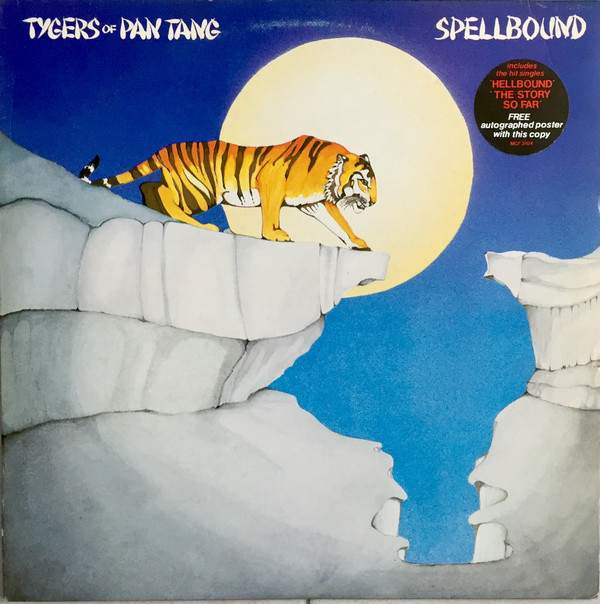
Spellbound
1981
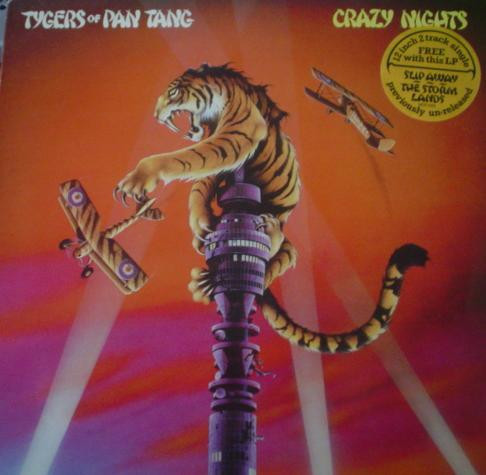
Crazy Nights
1981
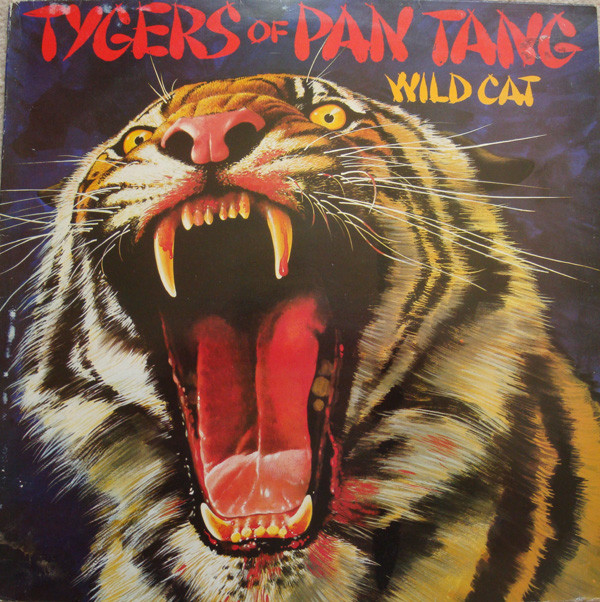
Wild Cat
1980

Bloodlines
2023

A New Heartbeat
2022

Ritual
2019
Hellbound, Spellbound Live 1981
2018

Tygers Sessions: The First Wave
2015

The Crazy Nights Sessions (30th Anniversary Special Edition)
2014
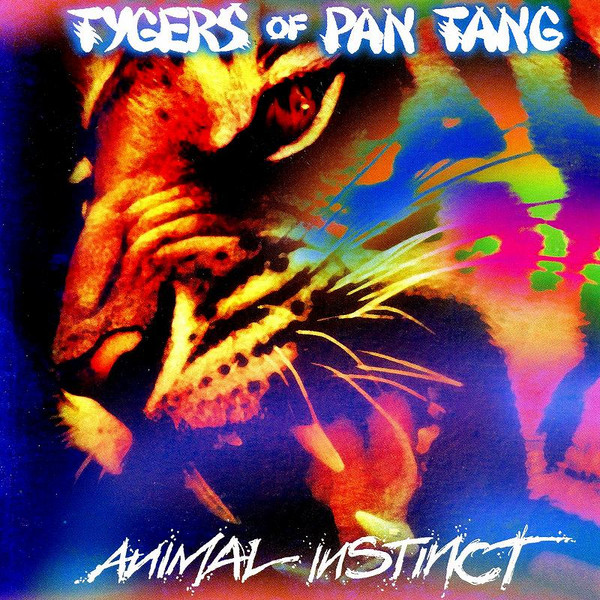
Animal Instinct
2008
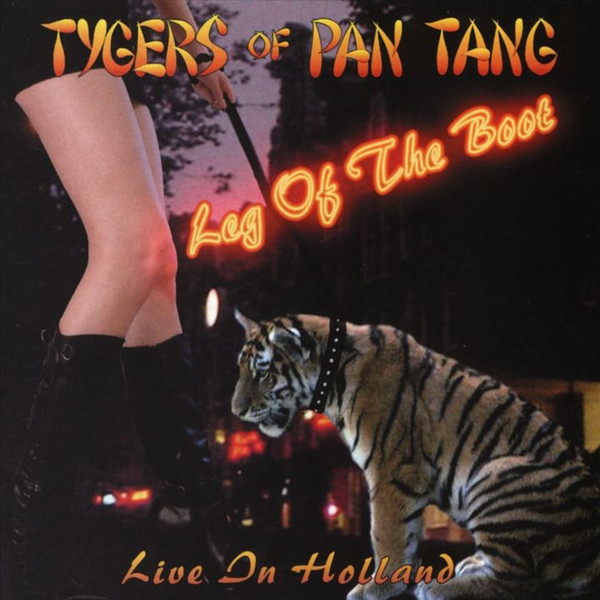
Leg Of The Boot: Live in Holland
2005

Visions From The Cathouse
2003

Live At Nottingham Rock City
2001
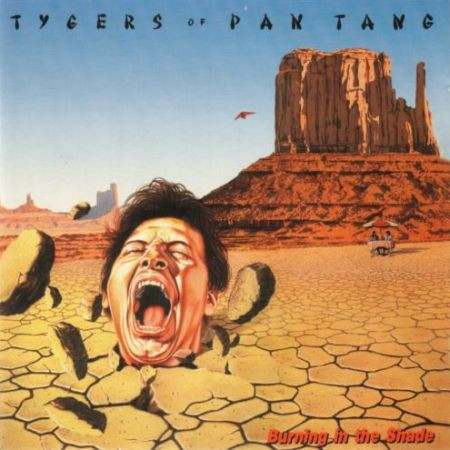
Burning In The Shade
1987
Related artists
Members
Around the web
Follow every record they touch.
Start your shelf and Gatefold tracks Tygers of Pan Tang's new pressings, tour dates, and the whole discography — automatically.
Start your shelf →Free forever. Works with 10 records or 10,000.