
Artist
Tortoise
Chicago, United States · Formed 1990
Tortoise is a music group from Chicago, United States, active since 1990. Their discography on Gatefold includes 21 records.

21
Albums tracked
123
In collections
1990
Since
Biography
They started as a rhythm section without a band. Doug McCombs and Bundy K. Brown wanted to make a record where the bass was the lead voice, laying down low-end foundations while John Herndon and John McEntire carved out weird, geometric drum patterns around them. When the self-titled debut dropped on Thrill Jockey in '94, it wasn't some soft-focus ambient project. It was a clinic in structural engineering, built on McEntire's analog synthesis and a collective obsession with dub studio techniques. They took the traditional rock lineup, threw away the singer, and treated the mixing desk as the primary instrument. Then David Pajo left, Jeff Parker came in, and they changed the vocabulary of indie rock by realizing they could play jazz, krautrock, and minimalism without sounding like academic snobs. That run from Millions Now Living Will Never Die through TNT is the peak. They didn't just noodle. They wrote math-perfect melodies that stuck in your head because McEntire was sitting in Idful Music Corporation editing the tape with razor-sharp precision. Things got a little too clean on It's All Around You, and they spent some time in the mid-2000s sounding like they were composing background music for high-end furniture showrooms. But when they want to, they can still lock into a groove that will absolutely tear a room apart.
Bio from The Clerk
The Arc of Tortoise
The pivots — what forced Tortoise to reinvent.
The Desktop Dub Era
The early lineup of McCombs, Brown, Herndon, and McEntire worked with an explicitly brown-box aesthetic, treating post-punk basslines like reggae riddims. Bundy K. Brown's exit after the debut forced them to rethink their entire spatial dynamic, leading to the recruitment of Dave Pajo. They took over McEntire's Idful studio to record Millions Now Living Will Never Die, utilizing digital editing on a hard-disk recorder to splice together acoustic percussion and electronic static. You hear this shift instantly on the twenty-minute epic Djed, where the band moves from motorik drive to glitchy, minimalist decay without a single physical seam.
The Jeff Parker Shift
When guitarist Jeff Parker joined the ranks full-time before the tracking of TNT, he brought a deep, formal jazz vocabulary that saved them from the cold trap of mathematical post-rock. Recording at the newly built Soma Electronic Music Studios, the band abandoned the rigid grid of their earlier work for looser, vibes-heavy, bossa-nova-inflected arrangements. Parker's clean, fluid hollowbody lines acted as a melodic counterweight to McEntire's increasingly complex digital edits. This is where they became a true multi-instrumental collective, swapping basses, vibes, and dual drum kits on stage like a seasoned fusion ensemble.
The Synthesizer Grid
By the time they tracked Standards in 2001, the warm acoustic tones of TNT were replaced by the cold, metallic clang of early computer-based audio workstations and modular synthesizers. They intentionally dirtied up the signal chain, introducing heavy distortion, ring modulators, and abrasive analog noise to combat the growing perception that they were just a polite lounge act. Seneca opens the record with a wall of harsh static before resolving into a bruised, complex syncopation that sounds like a machine trying to break itself. It was a deliberate, necessary pivot away from the polite cocktail-hour jazz that was starting to copy their mid-90s blueprint.
Influences
- Can — The band has repeatedly cited Holger Czukay's tape-editing techniques as the blueprint for their studio work. You hear it in the relentless motorik beat of Djed and the way they splice disparate jam sessions together to create a singular, driving track.
- Steve Reich — John McEntire studied percussion and academic minimalism, directly applying Reich's phase-shifting techniques to the band's mallet arrangements. The interlocking marimba and vibraphone patterns on TNT are a direct continuation of Six Marimbas.
- King Tubby — Doug McCombs explicitly modeled his heavy, warm, drop-bass style on classic Jamaican dub records. The mixing board is treated as an active instrument throughout their self-titled debut, featuring sudden dropouts, echo trails, and spring reverb crashes.
- Slint — David Pajo's guitar work in Slint directly informed the stark, geometric lines he brought to Millions Now Living Will Never Die. The sparse, clean, and occasionally menacing guitar arpeggios on Glass Museum carry the exact same DNA as Spiderland.
- Neu! — Michael Rother's clean, driving guitar lines and Klaus Dinger's hypnotic drum patterns are the foundation of Tortoise's rhythmic approach. The driving, open-highway propulsion of Cornice and I-See-You is a direct nod to the Düsseldorf krautrock scene.
Discography
Their records — most-collected first.
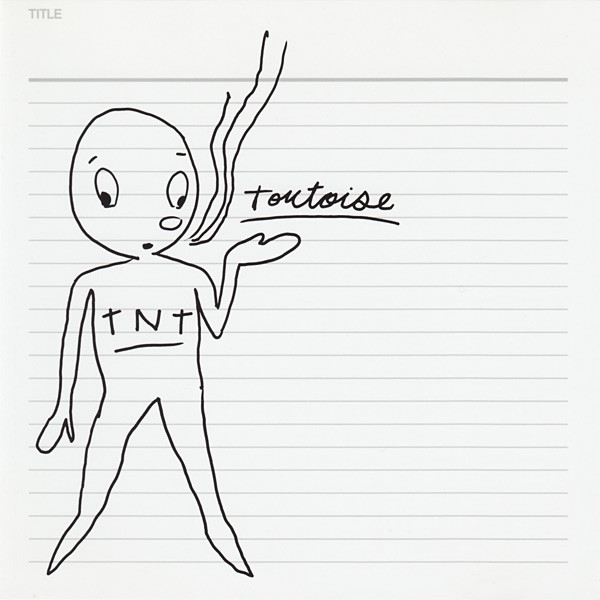
TNT
1998
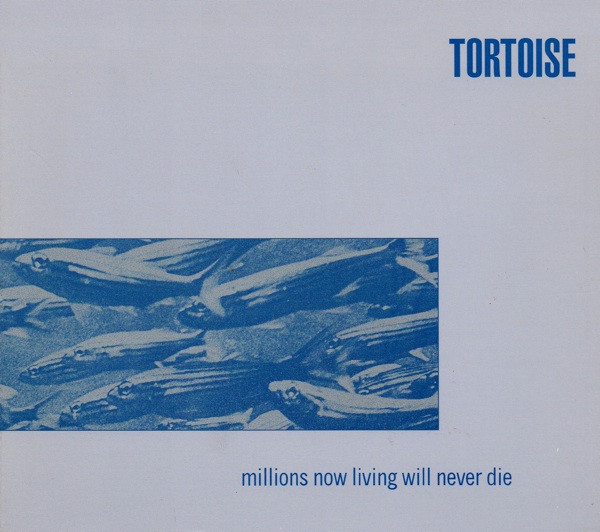
Millions Now Living Will Never Die
1996
Standards
2001

Tortoise
1994

Touch
2025

It's All Around You
2004

The Catastrophist
2016
Beacons Of Ancestorship
2009

The Brave And The Bold
2006

In The Fishtank
1999

Tour 1998
1998

Lonesome Sound
1993
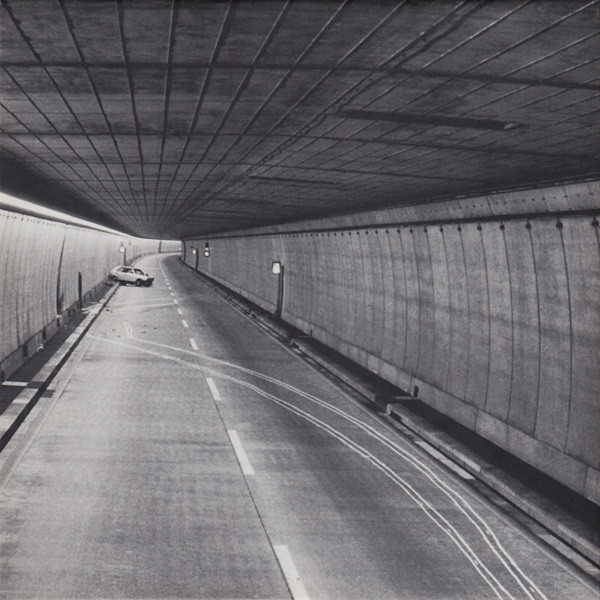
A Lazarus Taxon
2006

Djed / Tjed
1996

Rhythms, Resolutions & Clusters
1995

Why We Fight
1995
D's Winter Crazy Dub / D's Winter Outtake
1998
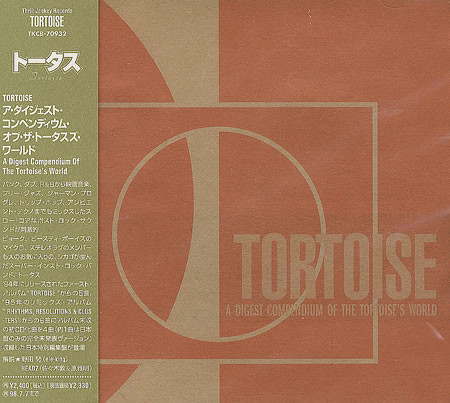
A Digest Compendium Of The Tortoise's World
1996

Remixed
1996

Music For Work Groups EP
1996
Gamera / Cliff Dweller Society
1995
Related artists
Frequent collaborators
Around the web
Follow every record they touch.
Start your shelf and Gatefold tracks Tortoise's new pressings, tour dates, and the whole discography — automatically.
Start your shelf →Free forever. Works with 10 records or 10,000.