
Artist
Tomahawk
Nashville, United States
Tomahawk is a musician from Nashville, United States. Their discography on Gatefold includes 8 records. They also recorded with Mike Patton.

11
Albums tracked
132
In collections
—
Since
Biography
Mike Patton and Duane Denison didn't just decide to start a new band; they started a war on expectation by mailing tapes back and forth while Patton was busy with Fantômas and Denison was cooling off from The Jesus Lizard. This wasn't some polished supergroup project built in a high-end tracking room. It was born out of Denison’s obsessive, angular guitar riffs meeting Patton's multi-track vocal insanity, eventually roping in the absolute powerhouse rhythm section of John Stanier and Kevin Rutmanis. When the self-titled debut hit in 2001 on Ipecac, it felt like a tactical strike against the nu-metal sludge clogging the airwaves, proving you could still make heavy music that was actually clever. By the time they hit the road, they were leaning into the theater of the absurd, often performing in police uniforms just to fuck with the crowd's energy. They’ve always been the smartest guys in the room, but they’ve never been above a crude joke or a massive, crushing riff. While most side projects wither after one album once the novelty wears off, these guys kept showing up every few years to remind everyone that nobody else can swing between cinematic lounge and abrasive noise-rock with this much precision. It’s a discography built on the collective tension of four guys who don't know how to play it safe.
Bio from The Clerk
The Arc of Tomahawk
The pivots — what forced Tomahawk to reinvent.
The Ipecac Establishment
The first two records, Tomahawk and Mit Gas, functioned as a masterclass in modern noise-rock tension. Working with Joe Barresi, the band captured a dry, punchy sound that prioritized Denison’s surf-horror guitar tones and Stanier’s metronomic drumming. This era was defined by a specific kind of late-night paranoia, mixing Patton’s crooning with sudden bursts of manic aggression. You can hear the transition from the raw, garage-heavy debut into the more expansive, slightly more electronic-tinged layers of the 2003 sessions.
The Indigenous Experiment
Everything shifted for 2007’s Anonymous when Kevin Rutmanis exited and the band leaned into Denison’s research of Native American music. Instead of traditional rock structures, they used 19th-century transcriptions as the skeletal framework for a dark, atmospheric record. It’s a dense, challenging listen that shed most of the alt-metal trappings for something closer to a haunted ethnomusicology project. This was the moment Tomahawk proved they weren't just a vehicle for riffs, but a legitimate experimental unit.
The Precision Return
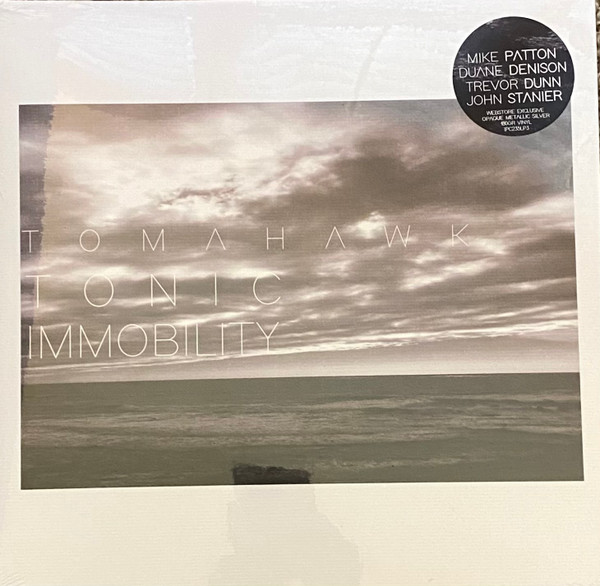
After a long silence, the band re-emerged with Oddfellows and Tonic Immobility, bringing Trevor Dunn into the fold on bass. These sessions moved toward a more 'pop' sensibility—well, pop by Patton standards—with clearer melodies and a focus on tight, four-minute song structures. The production is noticeably slicker, trading the muddy basement grit for a sharp, high-definition sound that highlights Stanier's surgical snare hits. It’s the sound of a veteran band that has nothing left to prove, comfortably leaning into their chemistry while still sounding more dangerous than any twenty-somethings on the circuit.
Influences
- The Jesus Lizard — Duane Denison brought his entire signature vocabulary of dissonant, jazzy chords and sharp attack directly from his tenure in this band. The jagged rhythmic interplay in songs like 'Flashback' is a direct descendant of the Chicago noise-rock scene. It’s the foundational DNA of the band’s entire instrumental approach.
- Ennio Morricone — Mike Patton has frequently cited Morricone as his primary influence for cinematic atmosphere and non-traditional vocal arrangements. You hear it in the whistling on 'Honeymoon' and the dramatic, spaghetti-western tension that hangs over their mid-tempo tracks. It’s the reason their heavy music sounds like a film score for a movie that doesn't exist.
- Helmet — John Stanier’s drumming style was forged in the clinical, minimalist heavy-hit approach of Helmet’s early 90s run. His refusal to use crash cymbals and his focus on the pocket gives Tomahawk a mechanical rigidity that sets them apart from the swing of most rock bands. It provides the essential anchor for Patton’s vocal gymnastics.
- The Melvins — Kevin Rutmanis joined Tomahawk directly from a long stint in the Melvins, bringing that thick, sludge-adjacent bass presence. The two bands shared a label and a touring circuit, cementing a mutual love for ugly, abrasive textures and absurdist humor. That DNA is all over the first two albums' low-end rumble.
- Captain Beefheart — Both Denison and Patton have repeatedly praised the Magic Band for their 'difficult' polyrhythms and refusal to follow standard blues tropes. The erratic, stop-start nature of 'Jockstrap' and other early tracks mirrors the organized chaos of Trout Mask Replica. It’s the blueprint for being weird without being sloppy.
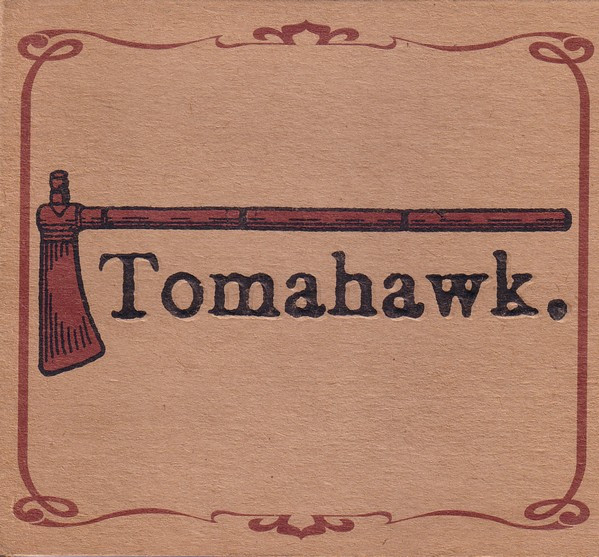
Tomahawk — solo
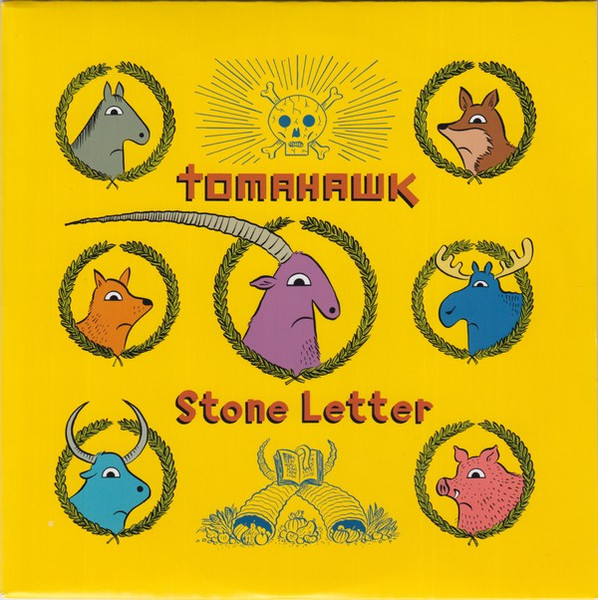
Their records — most-collected first.




Mike Patton
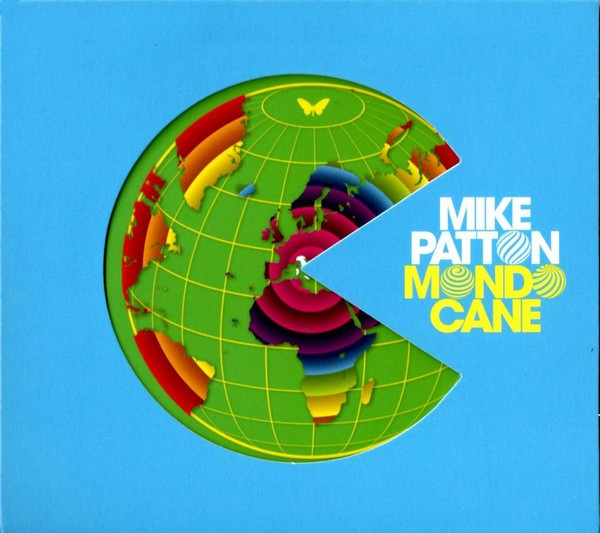
A project Tomahawk was part of.


Related artists
More projects
Around the web
Follow every record they touch.
Start your shelf and Gatefold tracks Tomahawk's new pressings, tour dates, and the whole discography — automatically.
Start your shelf →Free forever. Works with 10 records or 10,000.