
Artist
The Zombies
St Albans, United Kingdom · Formed 1961
The Zombies is a music group from St Albans, United Kingdom, active since 1961. Their discography on Gatefold includes 24 records.

39
Albums tracked
178
In collections
1961
Since
Biography
Ken Jones had them cutting 'She's Not There' at Decca Studios in West Hampstead on a four-track machine with Colin Blunstone singing through a cracked tooth. Most British Invasion acts were butchering Muddy Waters or cranking crude fuzz boxes. The Zombies walked in armed with jazz minor chords, modal keyboard runs, and a breathy, fragile vocal delivery that sounded like it belonged in a dim nightclub instead of a teenage dancehall. They scored monster hits out of the gate, got bled dry by management, and were left scrambling for cash while the charts moved on. By 1967 they booked Abbey Road on their own dime, walked into the room right after the Beatles finished Sgt. Pepper, and hijacked the leftover Mellotron to cut Odessey and Oracle. They broke up before the damn record even hit the shelves. It tanked immediately in the UK, but the sheer craft on tape forced the world to pay attention after the fact. Rod Argent built an arena rock outfit, Blunstone went solo, and the original group became a ghost story until the catalog pulled them right back to the stage.
Bio from The Clerk
The Arc of The Zombies
The pivots — what forced The Zombies to reinvent.
Beat-Group Sophistication
They landed a Decca deal in 1964 by winning a local beat competition, but refused to play standard-issue R&B stompers. Rod Argent's obsession with jazz progressions and Colin Blunstone's breathy, unforced vocal phrasing yielded 'She's Not There' and 'Tell Her No'. Studio budgets were thin and commercial momentum stalled fast when subsequent singles failed to duplicate that transatlantic chart heat. They were sharper than their peers, but the industry did not know how to market jazz-literate pop kids in matching suits.
The Abbey Road Parting Shot
Broke and disillusioned by shady management, the band funded their own sessions at EMI's Abbey Road Studios in late 1967. They used the Mellotron John Lennon left behind and layered intricate choral arrangements across eight-track machines to build Odessey and Oracle. They split up the moment the tapes were delivered, assuming nobody cared. 'Time of the Season' blew up as a sleeper hit in America months after they walked away, turning their epitaph into their defining statement.
The Late-Career Reclamation
Decades of fake touring outfits using their name and endless licensing deals forced Rod Argent and Colin Blunstone back into a room together. They reunited under the official moniker in the 2000s, cutting new studio records like Breathe Out, Breathe In and Different Game with touring veterans. They sidestepped the cabaret nostalgia trap by leaning into live, room-tracked arrangements and pristine vocal harmonies. It finally allowed the actual writers to own the legacy they walked away from in 1968.
Influences
- Miles Davis — Rod Argent has cited Milestones and Kind of Blue as the direct reason he used modal structures and minor chords in pop arrangements. You hear it explicitly in the modal organ solo that anchors 'She's Not There'. Jazz theory gave their three-minute singles a harmonic depth nobody else in the beat scene possessed.
- The Beach Boys — Brian Wilson's vocal layering on Pet Sounds and early singles set the template for the band's four-part choral harmonies. They adapted those counterpoint arrangements for Chris White and Colin Blunstone's vocal interplay on tracks like 'Care of Cell 44'. It shifted them away from raw blues shouts toward chamber-level precision.
- The Beatles — Rubber Soul convinced them that a rock band could push beyond basic three-chord arrangements and write fully realized studio albums. Tracking in Abbey Road right after the Sgt. Pepper sessions gave them access to the same acoustic pianos and the iconic Mellotron. You hear that lush, baroque experimentation across the entirety of Odessey and Oracle.
- Burt Bacharach — Argent studied Bacharach's unorthodox time signatures and sophisticated pop arrangements heavily in the mid-sixties. That influence is plastered all over the chord shifts and melancholic cadence of 'Tell Her No'. They treated pop as an intricate compositional craft rather than just teen rebellion.
- Muddy Waters — Like every British teenager in 1962, they started by lifting American electric blues from Chess Records imports and covered 'I Got My Mojo Working' on their debut. That driving rhythm section work from Hugh Grundy and Chris White kept their ornate arrangements grounded in real swing. Without that raw blues foundation, their baroque instincts would have drifted into pure parlor music.
Discography
Their records — most-collected first.

Odessey And Oracle
1968

Time Of The Zombies
1973

Begin Here
1965
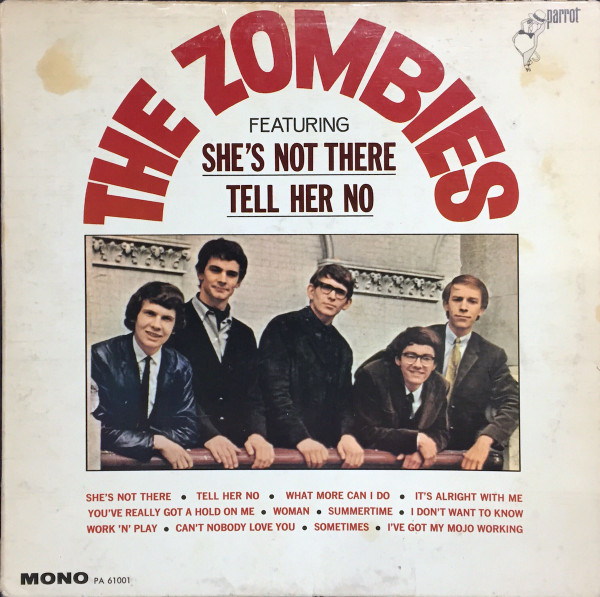
The Zombies
1965
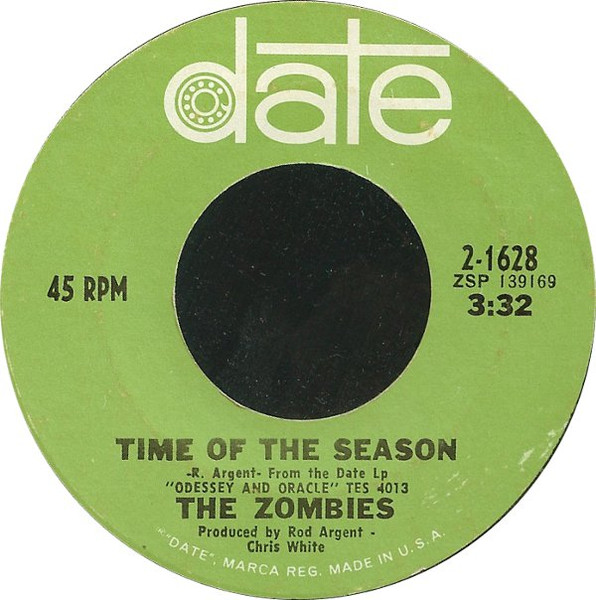
Time Of The Season
1968
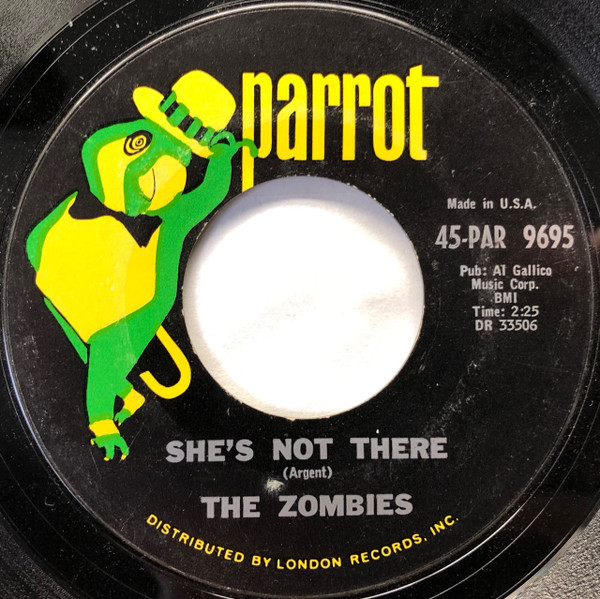
She's Not There
1964

The Best Of...
1982

Tell Her No / Leave Me Be
1965
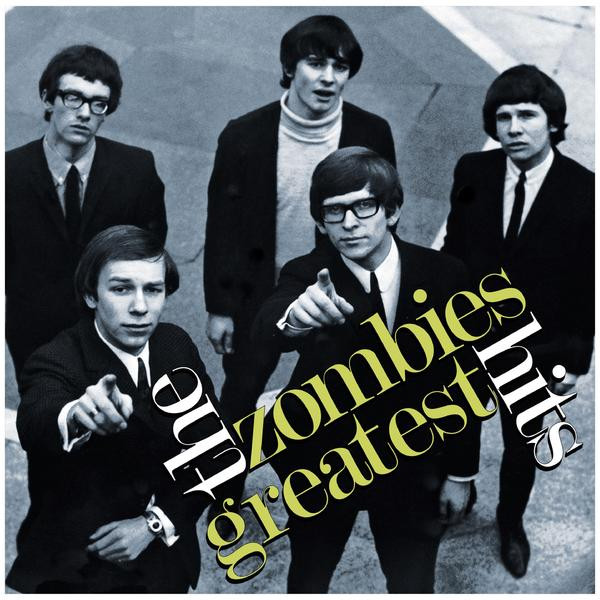
The Zombies Greatest Hits
2018

The BBC Radio Sessions
2015
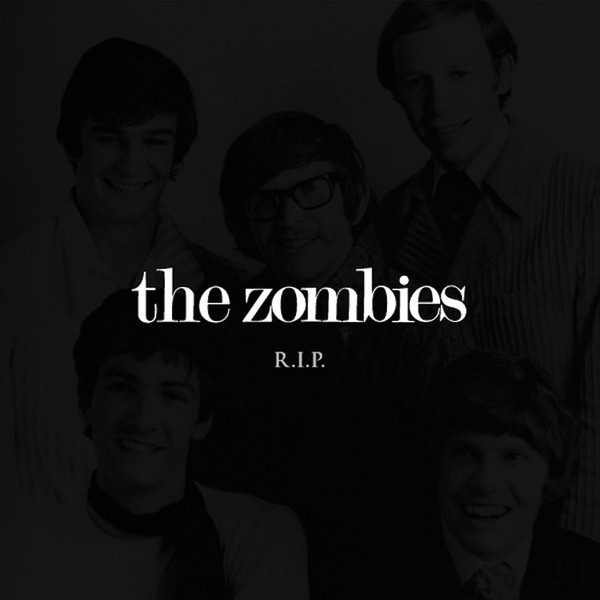
R.I.P. Plus
2000

The Zombies
1966

Rock Roots
1976
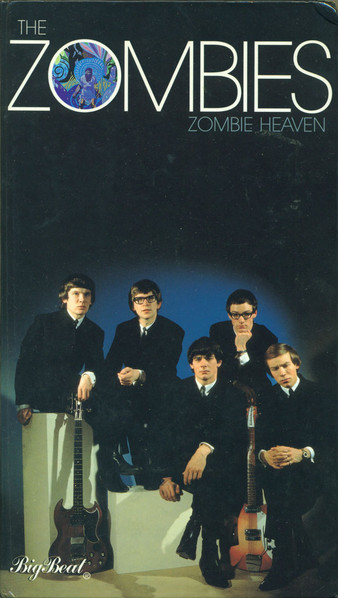
Zombie Heaven
1997

Greatest Hits
1990

The Best And The Rest Of The Zombies
1984
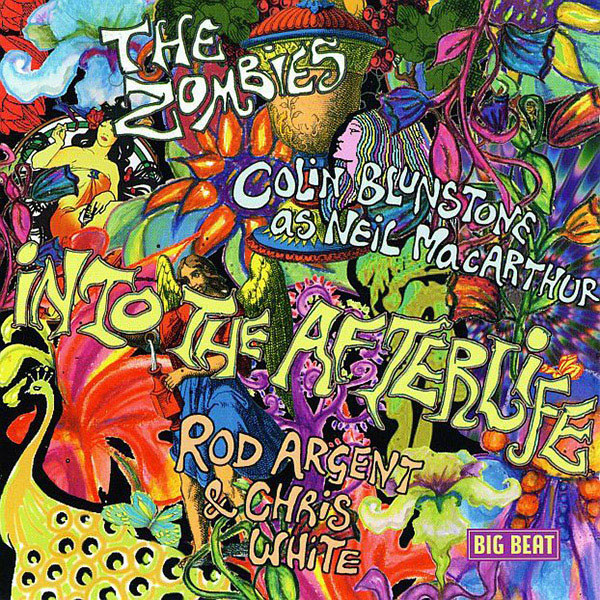
Into The Afterlife
2007

Greatest Hits
2002

Best Of The 60's
2000
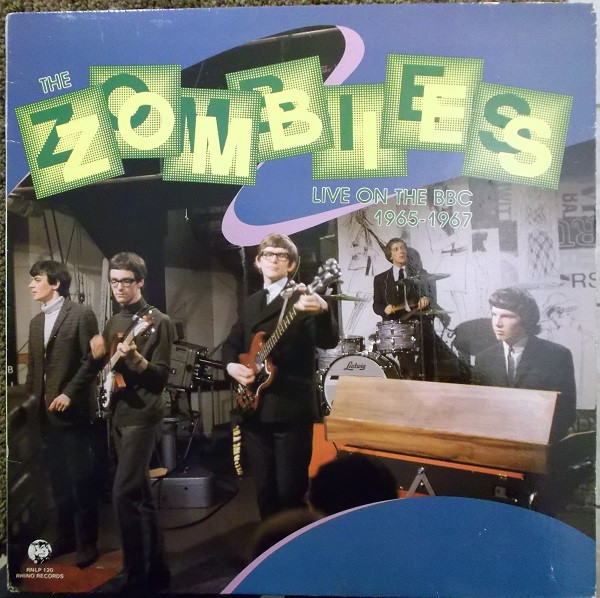
Live On The BBC 1965-1967
1985

Early Days
1969

Leave Me Be
1964
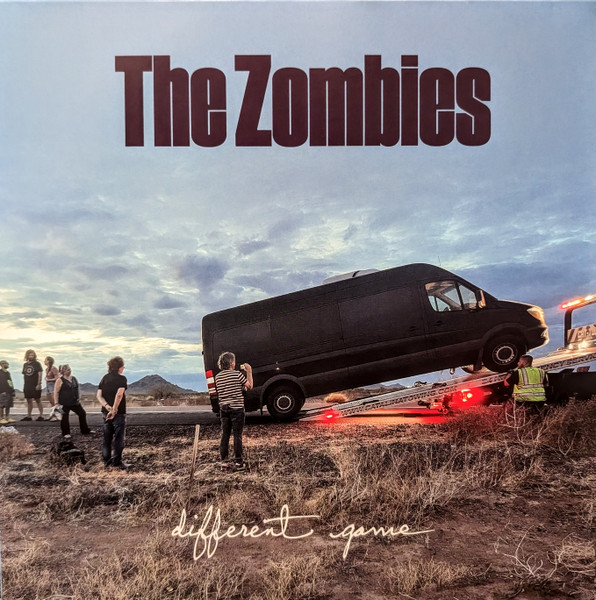
Different Game
2023

Still Got That Hunger
2015
Related artists
Around the web
Follow every record they touch.
Start your shelf and Gatefold tracks The Zombies's new pressings, tour dates, and the whole discography — automatically.
Start your shelf →Free forever. Works with 10 records or 10,000.