Artist
The Yardbirds
London, United Kingdom · Formed 1963
The Yardbirds is a music group from London, United Kingdom, active since 1963. Their discography on Gatefold includes 24 records.

50
Albums tracked
127
In collections
1963
Since
Biography
Giorgio Gomelsky didn't just manage the Crawdaddy Club; he forced the Yardbirds to record their first live album there because he knew their studio energy was absolute dogshit compared to their residency. They were purists who thought a blues shuffle was a religious experience. Then the label demanded a hit, and they cut 'For Your Love' with a harpsichord and 10cc’s Graham Gouldman writing the hooks. Eric Clapton heard that pop sheen, decided it was a betrayal of the blues, and walked out of the session before the single even hit the charts. They became a revolving door for the three most obsessed guitarists in England, each one trying to out-weird the other while the rhythm section held on for dear life. Jeff Beck brought the fuzz pedals and sitar drones that turned them into a psych-rock experiment, while Jimmy Page eventually turned the whole thing into a heavy-blues blueprint just to fulfill some touring contracts in Scandinavia. They were basically a high-speed research lab for every guitar trick that defined the seventies, but they burned through personnel so fast they barely had time to enjoy being a pop band.
Bio from The Clerk
The Arc of The Yardbirds
The pivots — what forced The Yardbirds to reinvent.
The Clapton Purist Era
Everything was about mimicking the Chess and Checker catalogs with zero room for deviation. They tracked 'Five Live Yardbirds' to capture the sweat of the club, but the tension between Gomelsky's commercial ambitions and Clapton’s blues fundamentalism reached a breaking point. When the harpsichord on 'For Your Love' signaled a move toward the Top 40, Clapton bailed to join John Mayall, leaving a vacuum that forced the band to get significantly more creative with their gear.
The Beck Experiments
Jeff Beck showed up with a Vox Tone Bender fuzz box and a total disregard for traditional blues structures. He started using feedback as a melodic tool on tracks like 'Heart Full of Soul' and 'Shapes of Things,' effectively inventing the psychedelic lead guitar style overnight. This was the band at their peak, where the chaos of Beck’s unpredictable playing pushed the rhythm section into darker, more jagged territory that moved far beyond their R&B roots.
The Dual-Guitar Implosion
For a brief, volatile window in 1966, Jimmy Page joined on bass before switching to second lead guitar alongside Beck. This lineup only produced one true single, 'Happenings Ten Years Time Ago,' which sounds like a nervous breakdown caught on tape with dual-clashing leads. Beck eventually got fired or quit during a US tour because his temperament couldn't handle the grind, leaving Page to steer the ship into increasingly heavy, experimental waters.
The New Yardbirds Transition
By 1968, the original lineup had completely dissolved, leaving Jimmy Page with the band name and a pile of legal obligations. He recruited Robert Plant, John Paul Jones, and John Bonham to finish the scheduled dates under the name The New Yardbirds. They played the old setlist with a terrifying new level of volume and weight, a transformation that lasted exactly long enough to get them into a studio to record the first Led Zeppelin album.
Influences
- Howlin' Wolf — The band covered 'Smokestack Lightning' as a staple of their early live sets. You hear it in Keith Relf's harmonica phrasing and the way they tried to replicate that hypnotic, one-chord drone. It was the backbone of their Crawdaddy Club residency.
- Bo Diddley — The 'hambone' rhythm was their default setting for any high-energy rave-up. They leaned on his syncopated beat for tracks like 'I'm a Man,' using it to build the frantic crescendos they called 'rave-ups.' Without Bo's structural DNA, their live shows would have had zero momentum.
- Muddy Waters — They took their name from a Jack Kerouac line, but their sound was straight out of Muddy’s songbook, specifically his electric Chicago period. 'I'm Ready' was a frequent cover that showcased their attempt to match the grit of the Chess Records sessions. It provided the basic vocabulary for every guitarist who passed through the band.
- The Graham Bond Organisation — Graham Bond was the guy who taught them that jazz-inflected R&B could be loud and aggressive in a London club setting. They shared the same scene and several members, like Jack Bruce, moved through both orbits. Bond's heavy, organ-driven sound pushed the Yardbirds to seek out a denser, more wall-of-sound approach.
- Elmore James — Jeremy Spencer and the early UK blues scene were obsessed with his slide technique, and the Yardbirds were no different. You hear the influence in the way Beck and Page approached sustain and the sharp, metallic attack of their early slide work. He was the primary source for their understanding of electric bottleneck guitar.
Discography
Their records — most-collected first.
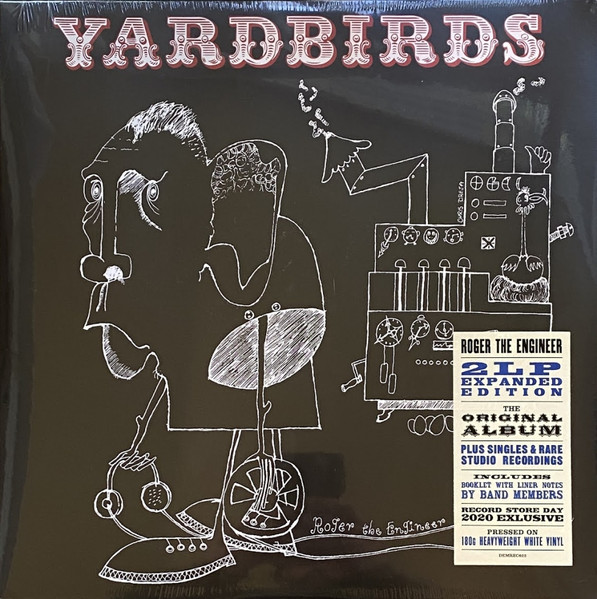
Yardbirds
1966

The Yardbirds' Greatest Hits
1967
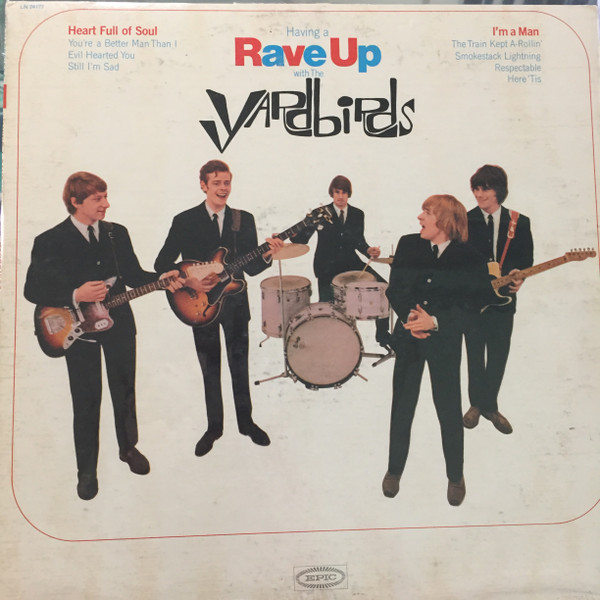
Having A Rave Up With The Yardbirds
1965
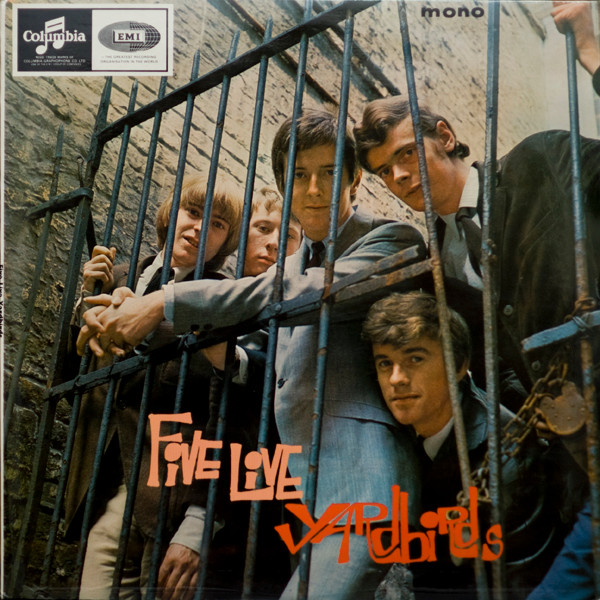
Five Live Yardbirds
1964

Shapes Of Things
1977

A Compleat Collection
1984
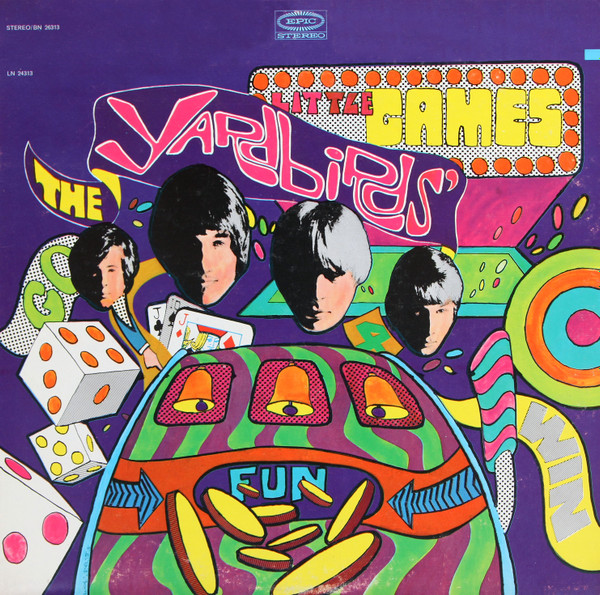
Little Games
1967

Heart Full Of Soul
1965

The Best Of The Yardbirds
2023

Hits And More
1989

Eric (Slow-Hand) Clapton
1975
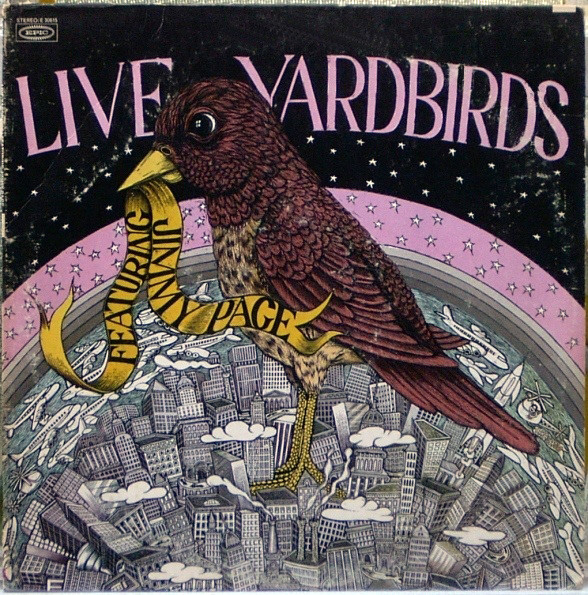
Live Yardbirds (Featuring Jimmy Page)
1971

Live! Blueswailing July '64
2003

On Air: Original BBC Recordings
1991
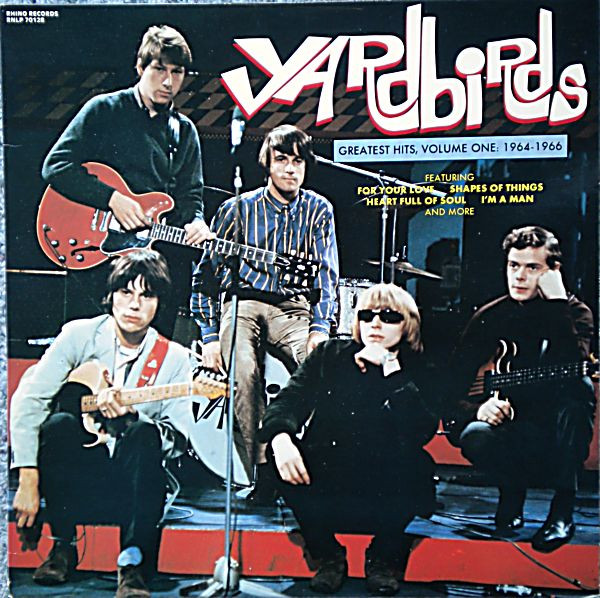
Greatest Hits, Volume One: 1964-1966
1986
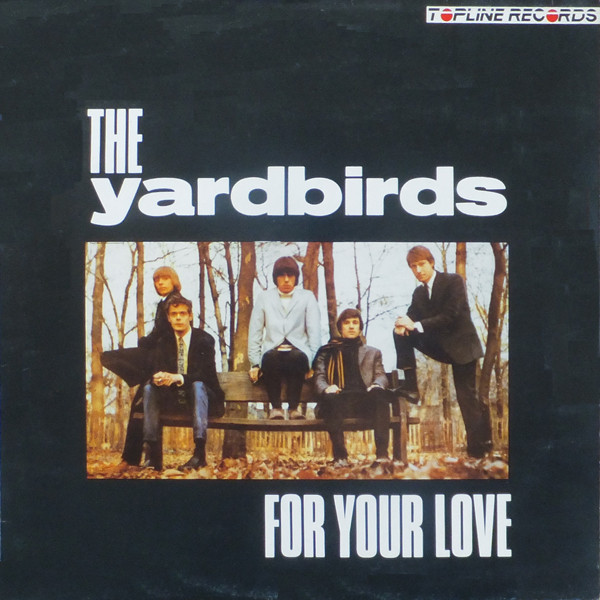
For Your Love
1984

Shapes Of Things
1984

Great Hits
1977

Rarities ( Golden Eggs )
1973

Remember... The Yardbirds
1971
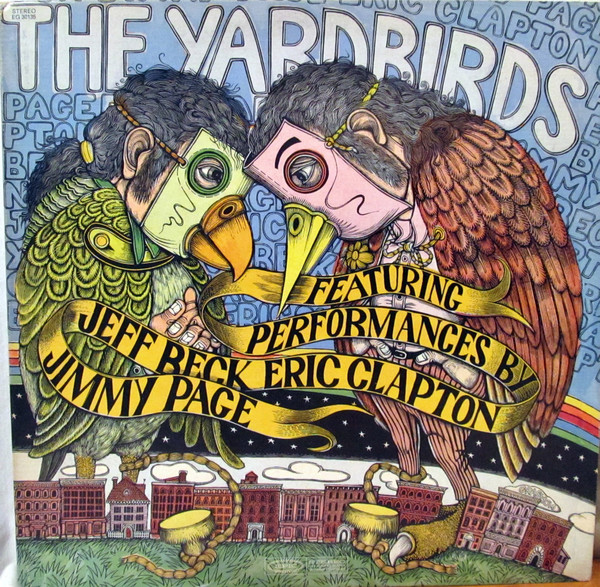
Featuring Performances By: Jeff Beck Eric Clapton Jimmy Page
1970
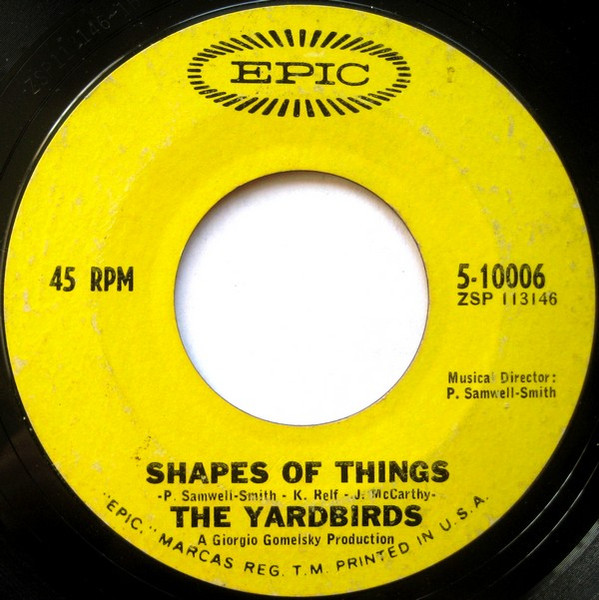
Shapes Of Things / New York City Blues
1966

I'm A Man
1965

Legend Of The Yardbirds Vol. 2
Related artists
Members
Frequent collaborators
Around the web
Follow every record they touch.
Start your shelf and Gatefold tracks The Yardbirds's new pressings, tour dates, and the whole discography — automatically.
Start your shelf →Free forever. Works with 10 records or 10,000.