
Artist
The Thermals
Portland, United States · 2002 – 2018
The Thermals is a music group from Portland, United States, active 2002–2018. Their discography on Gatefold includes 9 records.

9
Albums tracked
37
In collections
2002
Since
Biography
Hutch Harris tracked More Parts Per Million on a dying four-track cassette recorder in a damp Portland basement with blown-out levels in the red. It cost practically nothing. Sub Pop heard the dirty, rattling tape hiss and signed them instantly without asking for a re-record. That raw, blown-speaker fidelity wasn't an aesthetic choice; it was pure survival gear. They spent the next decade proving three chords and pure bile could outrun clean indie-pop polish. Kathy Foster's bass lines carried the melodic weight while Harris screamed like a street preacher dodging the apocalypse. When they jumped to Kill Rock Stars and smoothed the edges on later records, critics claimed they lost the grit. Bullshit. They just learned how to write hooks that didn't hide behind tape saturation.
Bio from The Clerk
The Arc of The Thermals
The pivots — what forced The Thermals to reinvent.
The Four-Track Sub Pop Blowout
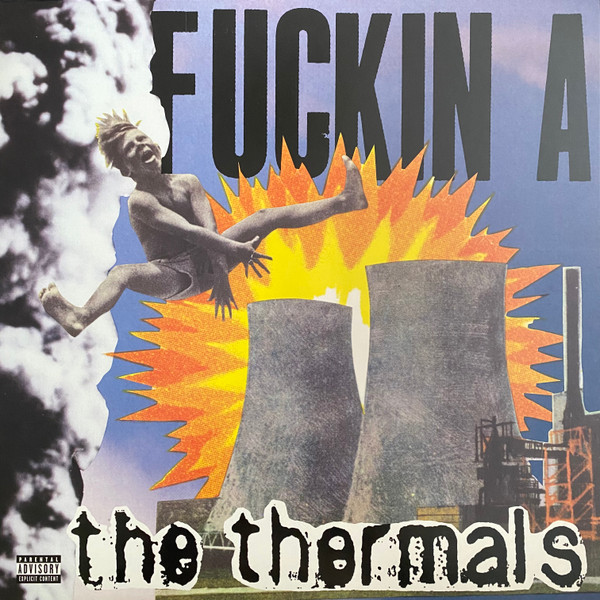
Harris and Foster hammered out their earliest material on a basic four-track setup with Jordan Hudson behind the kit. Sub Pop put out More Parts Per Million and Fuckin A with almost no studio cleanup. The result was raw, blown-out pop-punk that sounded like a cheap boombox catching fire. You hear every distorted transient and tape squeal driving the hooks.
The Dystopian Peak
Producer Brendan Canty of Fugazi stepped into the control room for 2006's The Body, the Blood, the Machine. The record turned Harris's post-9/11 paranoia into a cohesive concept album about a religious fascist takeover of the United States. Canty tightened the drum punch and let the band's natural urgency carry the anti-authoritarian anthems. It remains their sharpest lyrical and sonic statement.
The Clean Kill Rock Stars Pivot
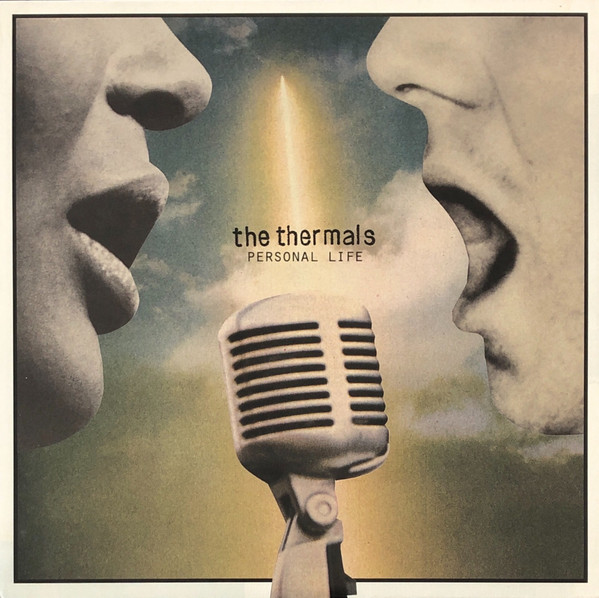
Signing to Kill Rock Stars for Now We Can See and Personal Life marked the end of the lo-fi basement era. John Congleton was brought in behind the board to track cleaner guitars, rounded low-end, and actual dynamic space. The songs leaned harder into straight-ahead power-pop and relationship fallout rather than political doom. It split the early fan base, but the melodies were undeniable.
The Salty Final Sprint
Teaming up with John Agnello for Desperate Ground in 2013 pulled the band right back to raw, fast, no-frills punk. They tracked it fast with Westin Glass locking down the rhythm section. By the time Chris Walla produced 2016's We Disappear, they were burnt out on the touring treadmill. They quietly pulled the plug in 2018 without a messy dragged-out farewell.
Influences
- Fugazi — Harris openly cited Dischord Records' relentless work ethic and stripped-down ethics as the band's guiding light, leading directly to Fugazi drummer Brendan Canty producing their breakthrough record. You hear it in the rhythmic stop-starts and Kathy Foster's aggressive, melodic bass attack. It gave them a backbone when early-2000s indie rock was going soft.
- Guided by Voices — Robert Pollard's unapologetic use of cheap four-track cassette machines and sub-two-minute pop bursts directly inspired Harris to record their debut at home. The blown-out fuzz and lightning-fast verse-chorus-verse structures are pure GBV playbook. No fat on the tracks, just instant hooks buried in tape hiss.
- The Replacements — Harris frequently referenced Paul Westerberg's snotty, heart-on-sleeve delivery and sloppy-tight guitar hooks in interviews. That boozy, desperate vocal crack is the core engine of tracks like 'It's True.' They took Midwestern garage heartbreak and sped it up for basement punks.
- Sleater-Kinney — Sharing the Pacific Northwest scene and Kill Rock Stars lineage, Sleater-Kinney set the blueprint for turning raw three-piece urgency into massive political anthems. Foster's propulsive, distortion-heavy bass tone mirrors the low-end heaviness of Dig Me Out. It proved you didn't need a second guitarist if your rhythm section hit hard enough.
- Buzzcocks — Pete Shelley's hyper-fast, melodic three-chord punk was the direct structural model for The Thermals' early Sub Pop singles. Harris borrowed Shelley's trick of singing incredibly catchy romantic anxiety over relentless, buzzing eighth-note downstrokes. Pure pop wrapped in barbed wire.
Discography
Their records — most-collected first.





Related artists
Around the web
Follow every record they touch.
Start your shelf and Gatefold tracks The Thermals's new pressings, tour dates, and the whole discography — automatically.
Start your shelf →Free forever. Works with 10 records or 10,000.