
Artist
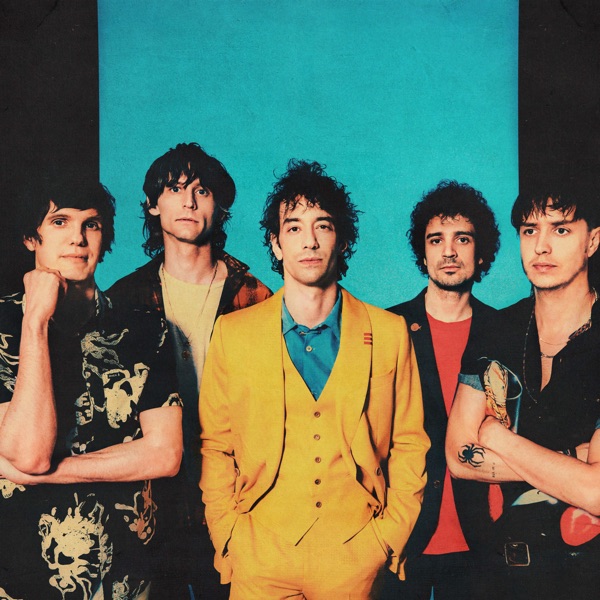
The Strokes
New York City, United States · Formed 1998
The Strokes is a music group from New York City, United States, active since 1998. Their discography on Gatefold includes 17 records.
17
Albums tracked
633
In collections
1998
Since
Biography
Gordon Raphael tracked 'Is This It' at Transporterraum on a small-scale budget using cheap preamps and one microphone on the drum kit. He blew out the vocal signal through a practice amp to get that gritty, overdriven distortion Julian Casablancas demanded. The label wanted a clean, shiny pop record but the band fought for the tape hiss and the room noise. They weren't trying to be the next big thing—they were trying to sound like a basement in 1977 Manhattan. Then things got complicated because the pressure of being 'saviors' turned them into a precision machine that eventually jammed. By the time they hit 'First Impressions of Earth,' they were over-polishing the riffs and bloating the tracklists. They spent years barely speaking, treating the studio like a day job before Rick Rubin finally stripped the bullshit away for 'The New Abnormal.' They had to stop trying to prove they could play and just remember how to jam in a room together.
Bio from The Clerk
The Arc of The Strokes
The pivots — what forced The Strokes to reinvent.
The Raphaelian Blueprint
Gordon Raphael captured the band live in a cramped basement studio with minimal overdubs and a focus on interlocking guitar parts. Albert Hammond Jr. and Nick Valensi treated their guitars like a percussion section, avoiding bluesy cliches for rhythmic, staccato lines. The result was a dry, airless sound that felt immediate and dangerous compared to the overproduced post-grunge clogging the airwaves in 2001. You hear it in the way the cymbals bleed into the vocal mic, creating a cohesive, messy energy that defines the early era.
The Hi-Fi Fracture
Producer David Kahne was brought in for 'First Impressions of Earth' to provide a massive, radio-ready sheen that didn't sit right with the band’s DNA. The sessions became grueling exercises in perfectionism, stripping away the casual cool for a dense, compressed sound that felt forced. Valensi started using more pedals and Casablancas pushed his range into a clean, theatrical territory that signaled the end of their unified front. This era sounds like five guys in separate booths trying to find a common frequency that no longer existed.
The Rubin Reconstruction
After years of mailing in parts for 'Angles' and 'Comedown Machine,' the band decamped to Rick Rubin’s Shangri-La studio to record as a live unit again. Rubin threw out the click tracks and forced them to find the groove naturally, leading to the most fluid and experimental performances of their career. The synthesis of 80s pop textures and their original dual-guitar attack finally felt earned rather than gimmicky. This shift is audible in the loose, jam-heavy bridges and the return of Julian’s processed, emotive vocal delivery.
Influences
- The Velvet Underground — Casablancas has gone on record stating he listened to 'Run Run Run' on repeat to understand how to write interlocking guitar melodies. You hear it in the 'strum-and-chug' rhythm guitar style that anchors almost every track on their debut. It’s the blueprint for their entire 'bored-but-focused' New York aesthetic.
- Television — The dual-guitar interplay between Valensi and Hammond Jr. is a direct descendant of the Tom Verlaine and Richard Hell dynamic on 'Marquee Moon.' The way they trade off leads without stepping on each other's toes is pure 1977 CBGBs geometry. It turned the garage rock revival into something technical rather than just loud.
- The Cars — Ric Ocasek’s influence is all over the tight, New Wave arrangements and the deadpan vocal delivery on their mid-career material. Julian eventually tapped Ocasek to produce their fourth album, 'Angles,' though the sessions were notoriously difficult. The DNA shows up in the sharp, synth-like guitar chirps and the obsession with pop brevity.
- Guided By Voices — The Strokes covered 'A Salty Salute' during their peak years and have consistently cited Robert Pollard’s lo-fi prolificacy as a North Star. You hear it in the way they prioritize a strong, melodic hook over studio perfection. It’s that indie-rock ethos of 'the first take is the best take' even when they have a major label budget.
- Thin Lizzy — The harmony guitar solos on 'Reptilia' and later tracks are a massive nod to the twin-lead attack of Scott Gorham and Brian Robertson. Hammond Jr. has frequently referenced Phil Lynott’s songwriting as a lesson in how to make hard rock feel soulful. It’s the hidden classic rock heart beating underneath their cool-kid exterior.
Discography
Their records — most-collected first.
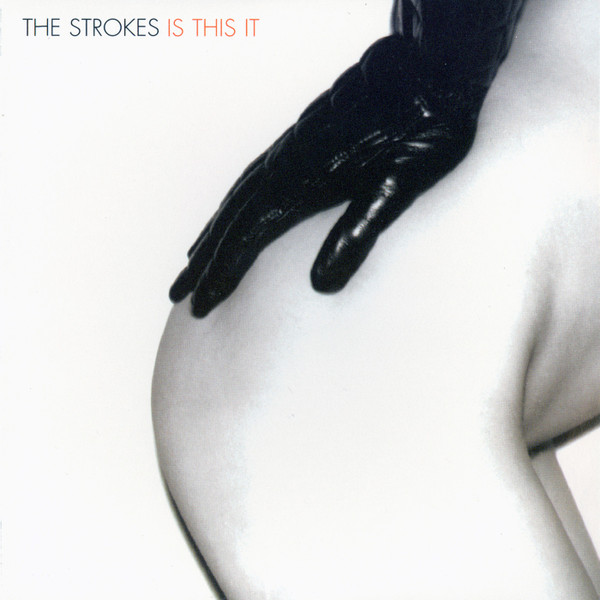
Is This It
2001
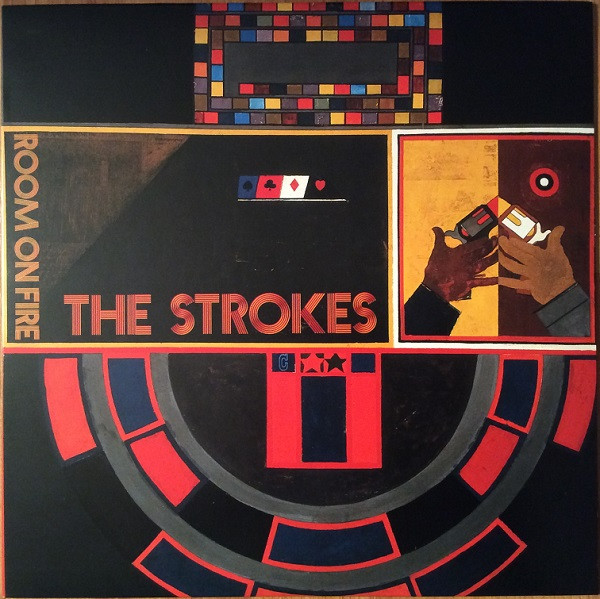
Room On Fire
2003
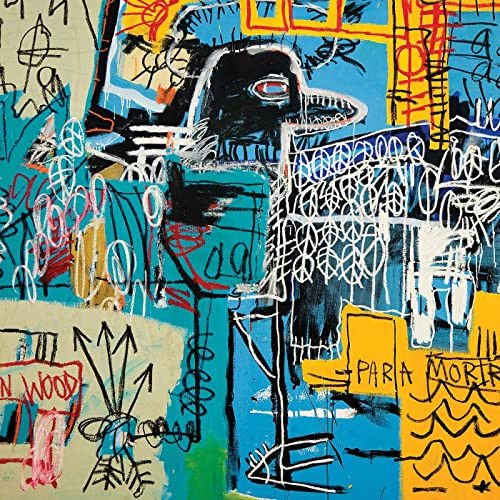
The New Abnormal
2020
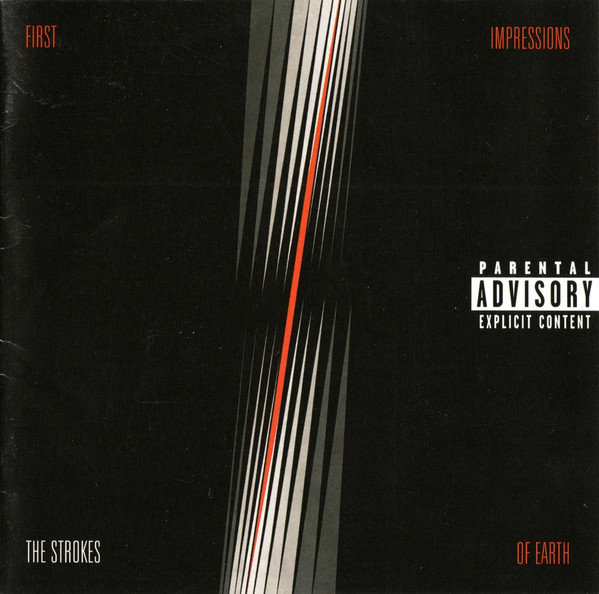
First Impressions Of Earth
2006
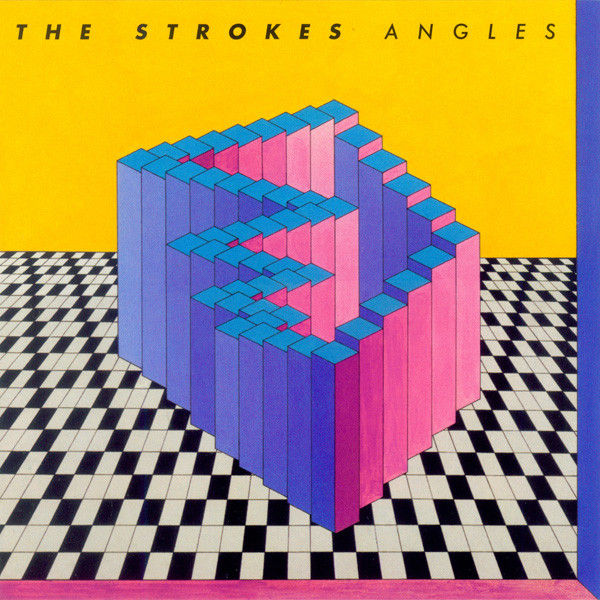
Angles
2011
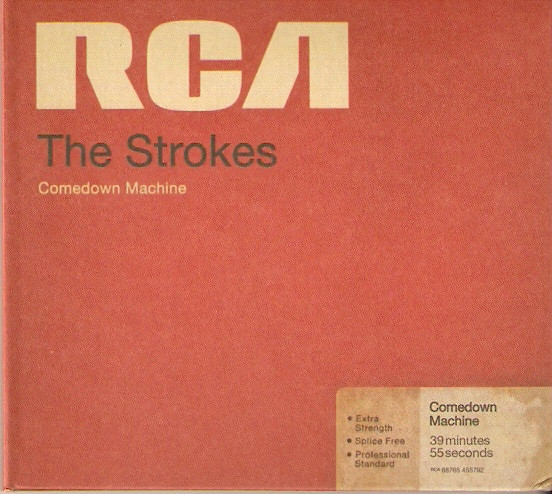
Comedown Machine
2013

Reality Awaits
2026
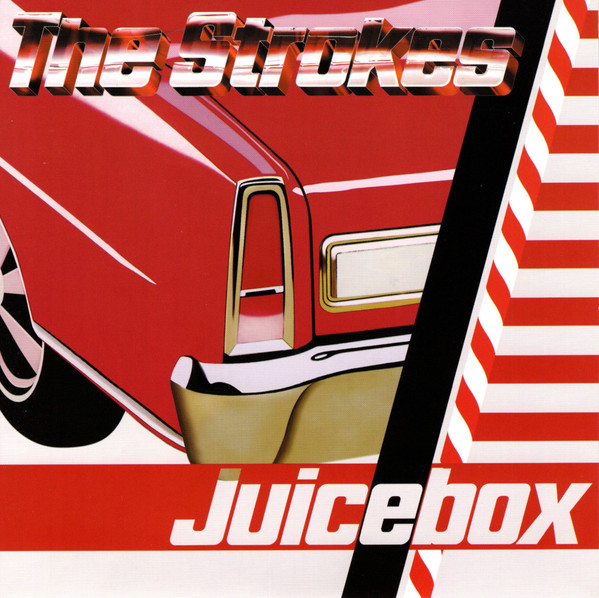
Juicebox
2005
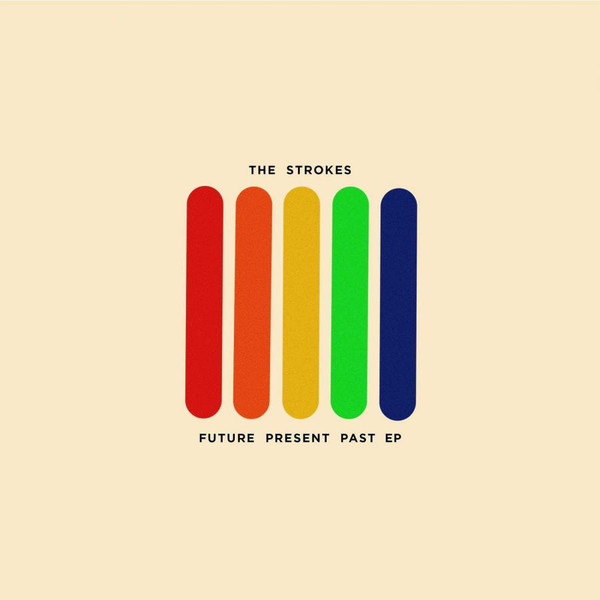
Future Present Past EP
2016

Under Cover Of Darkness
2011
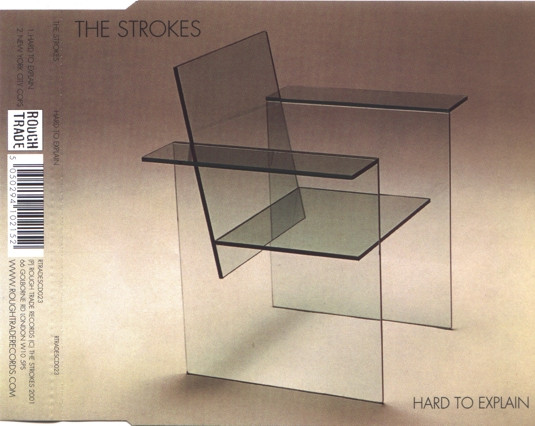
Hard To Explain
2001
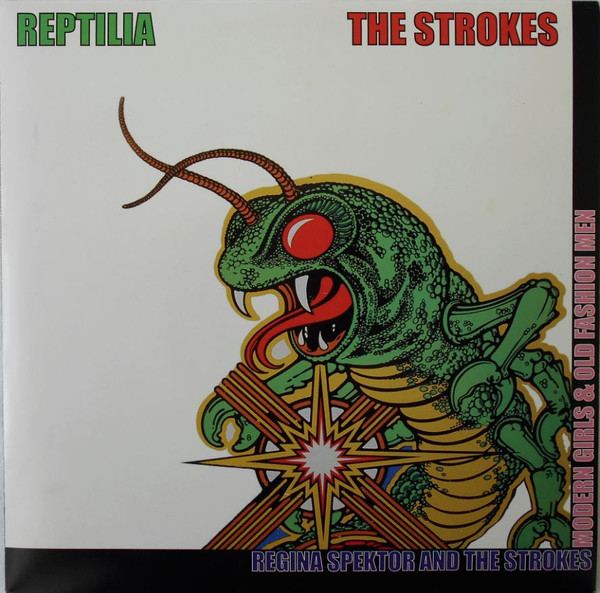
Reptilia / Modern Girls & Old Fashion Men
2004
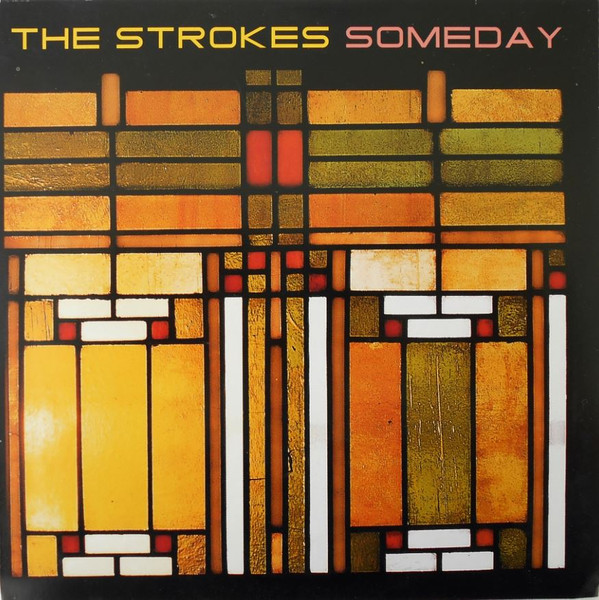
Someday
2002
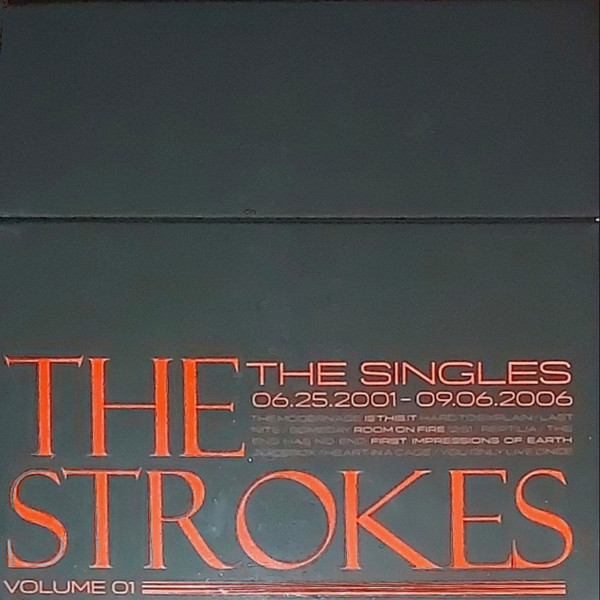
The Singles, Vol 1
2023
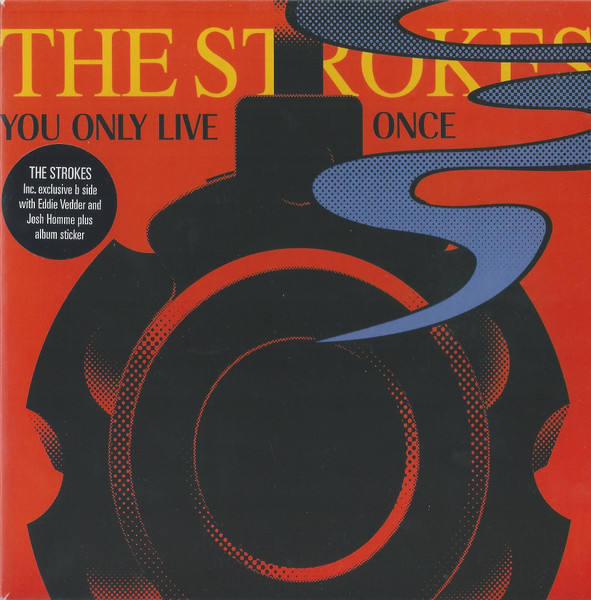
You Only Live Once
2006
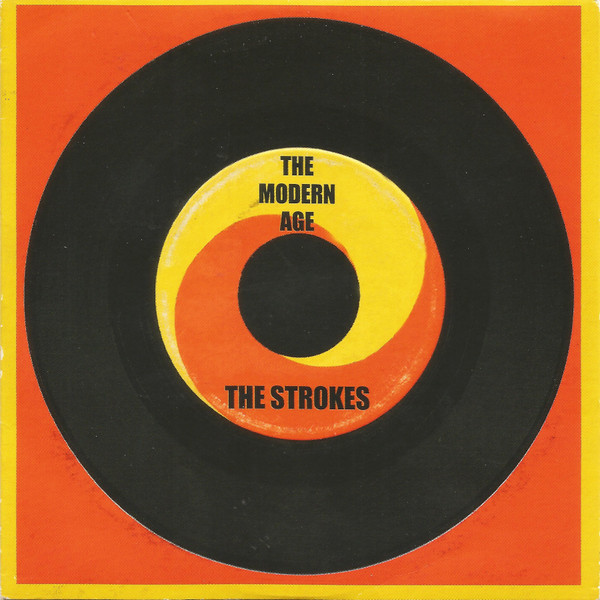
The Modern Age
2001
Heart In A Cage
2006
Related artists
Frequent collaborators
Around the web
Follow every record they touch.
Start your shelf and Gatefold tracks The Strokes's new pressings, tour dates, and the whole discography — automatically.
Start your shelf →Free forever. Works with 10 records or 10,000.