
Artist
Soft Machine
British rock band
Canterbury, United Kingdom · Formed 1966
Soft Machine is a music group from Canterbury, United Kingdom, active since 1966. Their discography on Gatefold includes 24 records.

30
Albums tracked
71
In collections
1966
Since
Biography
Daevid Allen getting stuck in France because of a canceled visa after a 1967 tour is the only reason the Soft Machine didn't stay a psychedelic pop band. That border control fuck-up split the Canterbury scene wide open and forced the remaining trio to record their debut in New York in just four days during a tour with Hendrix. They were sharing a management team with Jimi, which meant they were hauling massive Marshall stacks they didn't really want, playing jazz-adjacent organ freak-outs to crowds waiting for 'Purple Haze.' It was messy, loud, and completely out of step with the flower power shit happening back in London. By the time they hit the early seventies, the band had basically become a revolving door for anyone who could read sheet music and keep up with Mike Ratledge’s fuzz-drenched Lowrey organ. Robert Wyatt’s departure after 'Fourth' killed the soul of the group, turning them from a weird, singing avant-garde outfit into a cold, technical jazz-fusion machine. You can hear the transition on 'Third'—it’s the peak of their powers, where the tape loops and the free jazz horns actually make sense together before the technical elitism took over the driver's seat.
Bio from The Clerk
The Arc of Soft Machine
The pivots — what forced Soft Machine to reinvent.
The Psychedelic Power Trio
After losing Daevid Allen to the French border guards, the core unit of Wyatt, Ayers, and Ratledge stripped the sound down to a skeletal, frantic mess. Recording their debut in the States with Tom Wilson, they captured a jagged energy that felt more like a garage band trying to play bebop than a proper prog act. Ayers’ baritone vocals and Wyatt’s hyperactive drumming kept things grounded in a weird pop sensibility that they would never truly revisit once the jazz influence moved from the sidelines to the center.
The Double Album Defiance
When Hugh Hopper replaced Ayers on bass, the band dove headfirst into the 'Third' era, abandoning three-minute songs for side-long experiments. This period was defined by the arrival of the brass section and a heavy reliance on the Revox tape recorder for loops, creating a minimalist drone that preceded the ambient movement. It was the last time the band felt like a collective of experimentalists rather than a rotating cast of session players, balancing Wyatt’s vocal whimsy against grueling, repetitive jazz-rock structures.
The Holdsworth Fusion Shift
The 1975 'Bundles' session marked the final pivot into high-speed fusion when Allan Holdsworth joined the ranks. His arrival swapped out the fuzz-organ textures for liquid, lightning-fast guitar lines that signaled the band’s complete transition away from the Canterbury underground and into the professional jazz circuit. While the technical proficiency was through the roof, the quirkiness of the early years was officially dead, replaced by the polished, heavy-hitting production of the mid-seventies fusion boom.
Influences
- Cecil Taylor — Mike Ratledge has cited Taylor's percussive approach to the piano as the direct blueprint for his own aggressive organ style. You hear it in the dissonant, cluster-heavy solos on 'Volume Two' that ignore standard rock scales. It’s jazz played with the violence of a rock player.
- The Beatles — Before the jazz-rock deep dive, Kevin Ayers and Robert Wyatt were obsessed with the melodic shifts on 'Revolver.' The short, whimsical vocal tracks on the debut record are a direct attempt to filter McCartney-style hooks through a thick layer of LSD and fuzz. It’s the pop foundation they eventually spent the seventies trying to escape.
- Terry Riley — The heavy use of tape loops and repetitive organ cycles on 'Third' is a massive nod to Riley’s 'A Rainbow in Curved Air.' Ratledge spent hours layering Lowrey organ patterns to mimic Riley’s minimalist pulse. It turned their live shows into hypnotic, locked-in endurance tests.
- Ornette Coleman — The band’s decision to bring in a full horn section for 'Fourth' was an explicit attempt to capture the 'Double Quartet' feel of 'Free Jazz.' You hear it in the way Elton Dean and Marc Charig improvise over the rock rhythm section. They wanted the freedom of the New York jazz vanguard without losing the Marshall stack volume.
- Sun Ra — Daevid Allen frequently credited Sun Ra as the primary reason the band moved toward space-themed, avant-garde theatrics in their early London residency. The idea of music as a cosmic, total-performance art came straight from the Arkestra's playbook. Without Ra, they’re just another blues-rock band from Kent.
Discography
Their records — most-collected first.
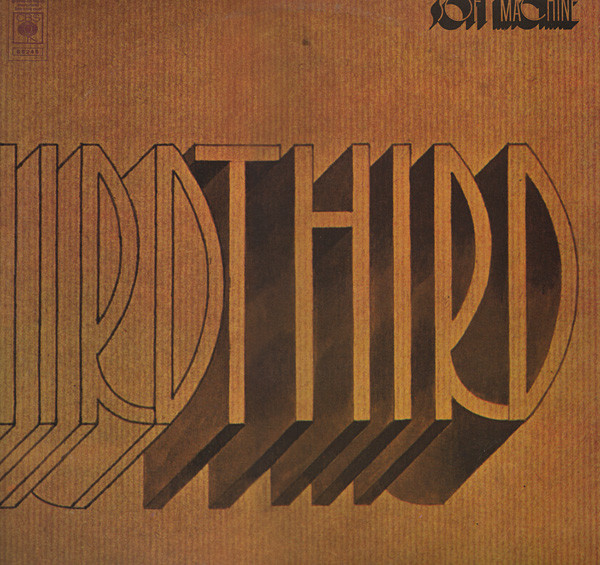
Third
1970
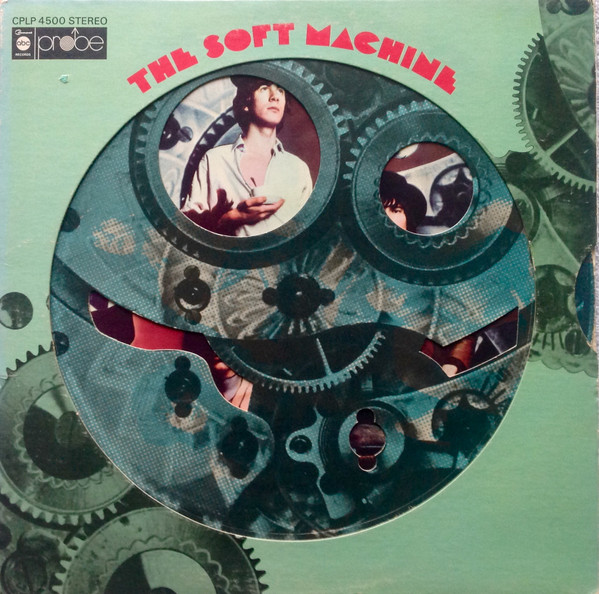
The Soft Machine
1968
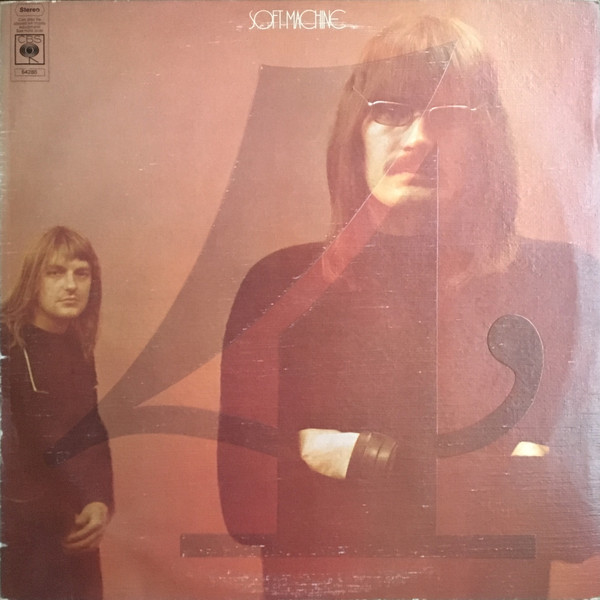
Fourth
1971
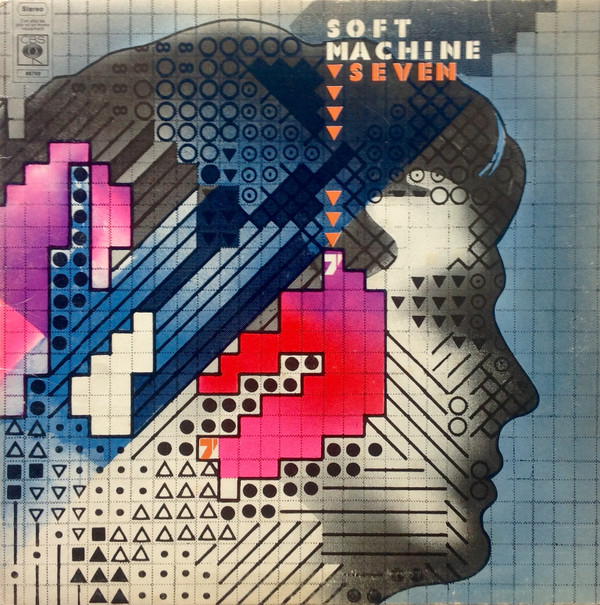
Seven
1973
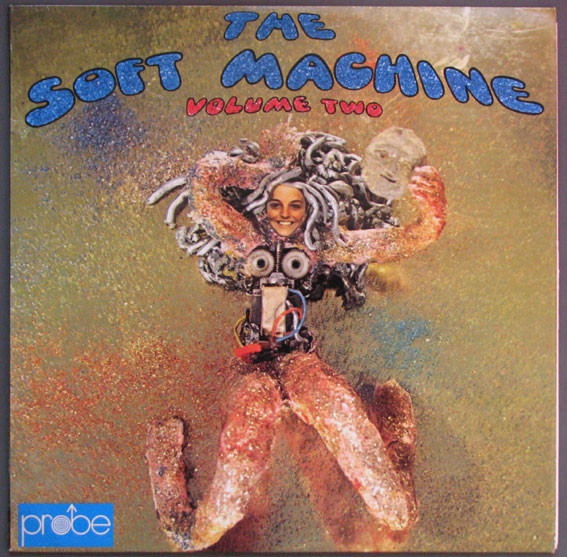
Volume Two
1969

The Soft Machine Collection
1974
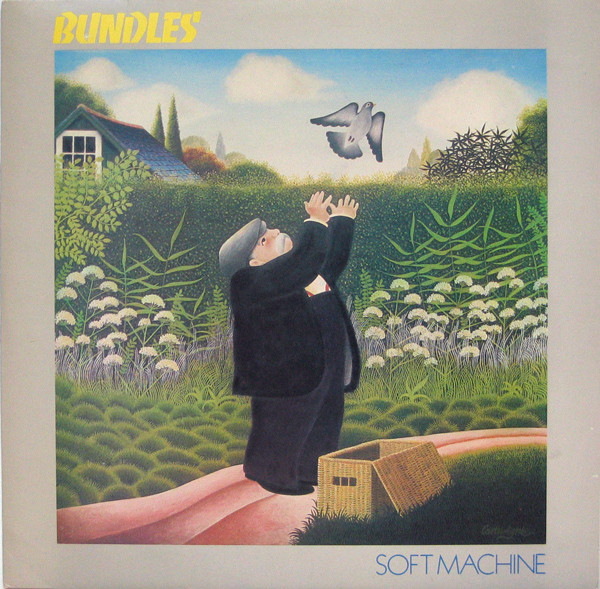
Bundles
1975
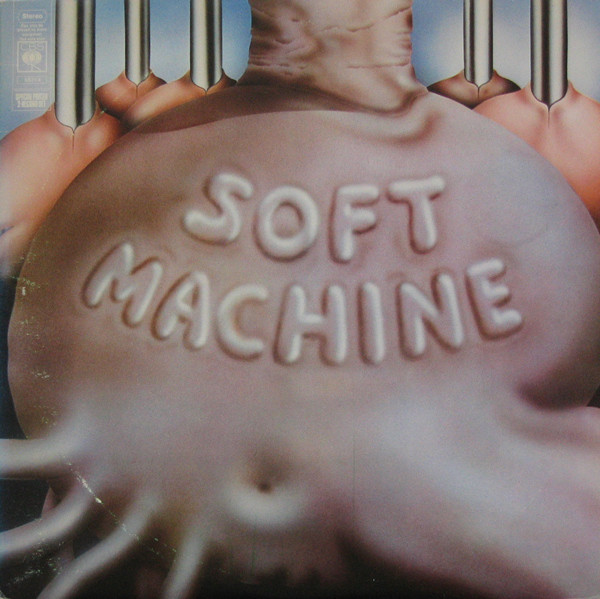
Six
1973
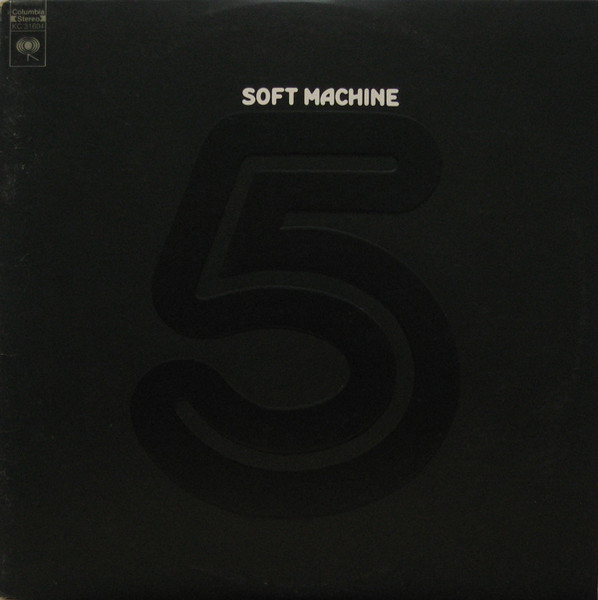
Fifth
1972

Land Of Cockayne
1981
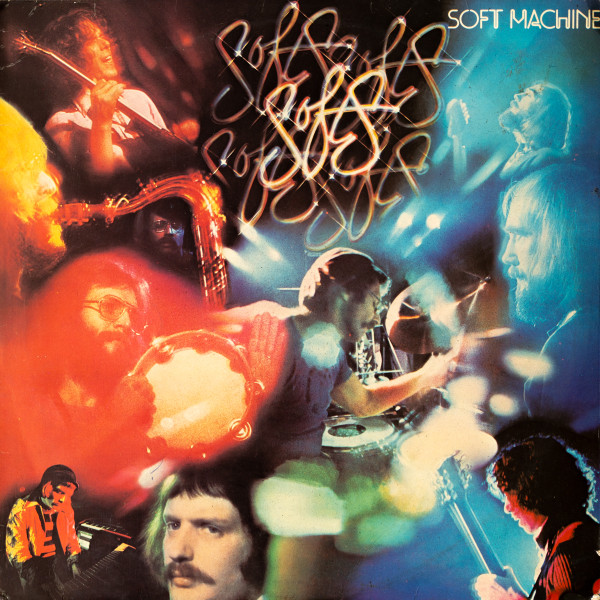
Softs
1976

Faces And Places Vol. 7
1972

Hidden Details
2018
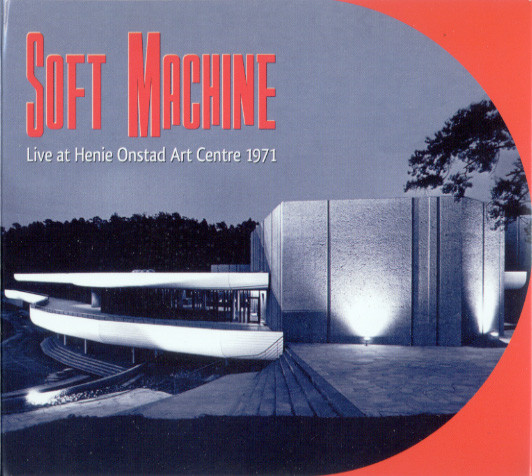
Live At Henie Onstad Art Centre 1971
2009

Grides
2006

Floating World Live
2006

Live At The Proms 1970
1988
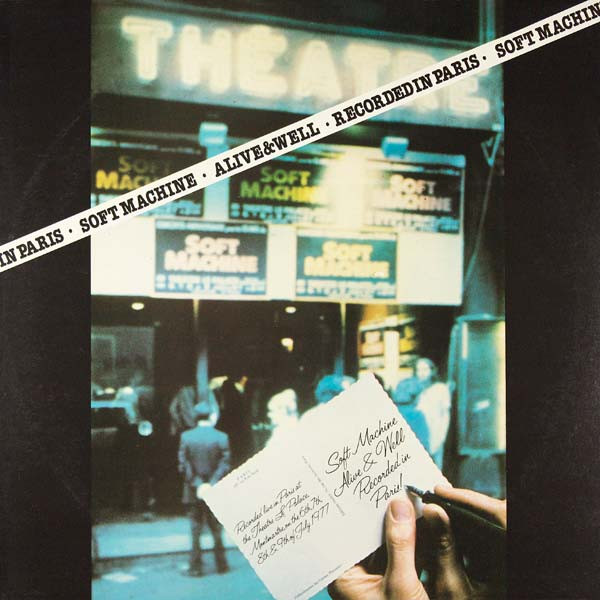
Alive And Well Recorded In Paris
1978
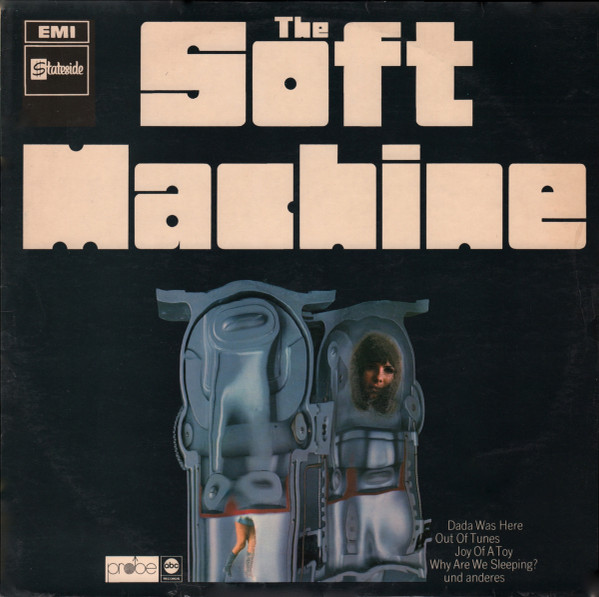
The Soft Machine
1970

Thirteen
2026
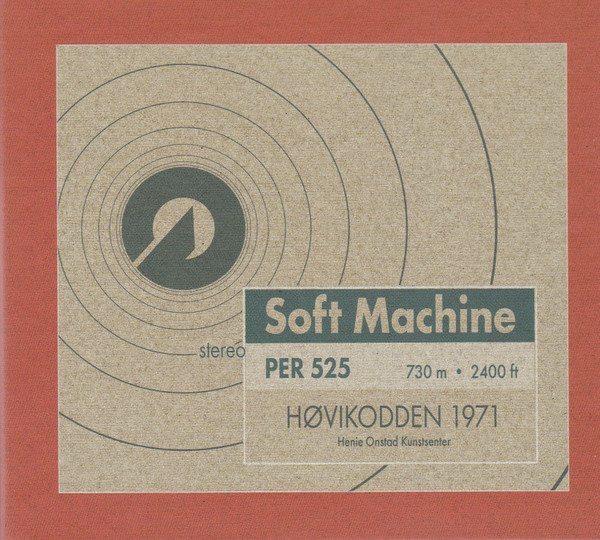
Høvikodden 1971
2024

Live At The Baked Potato
2020
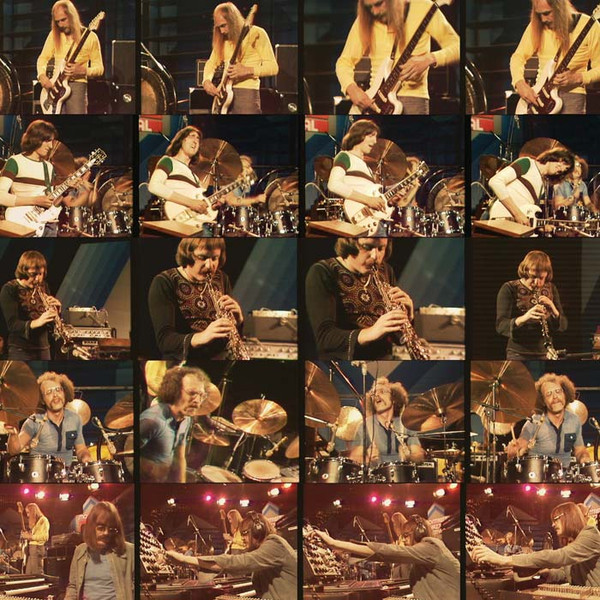
Switzerland 1974
2015
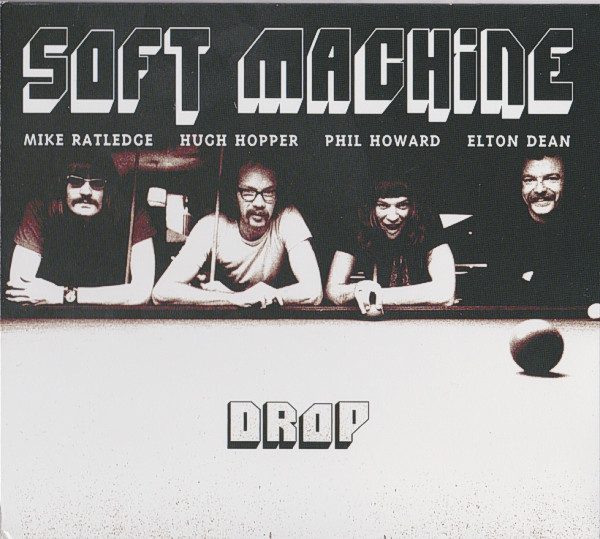
Drop
2009
Related artists
Around the web
Follow every record they touch.
Start your shelf and Gatefold tracks Soft Machine's new pressings, tour dates, and the whole discography — automatically.
Start your shelf →Free forever. Works with 10 records or 10,000.