
Artist
The Scientists
post‐punk band from Perth, Australia
Perth, Australia · 1978 – 1987
The Scientists is a music group from Perth, Australia, active 1978–1987. Their discography on Gatefold includes 13 records.

13
Albums tracked
16
In collections
1978
Since
Biography
Kim Salmon started out in Perth with a cheap offset guitar and a total lack of interest in the polished pub rock choking the Australian airwaves in '78. The band’s first incarnation was pure power-pop sugar, anchored by James Baker’s drumming before he bailed to join the Hoodoo Gurus. They were tight, melodic, and looked like they might actually move units, but Salmon got bored of being a 'nice' band and blew the whole thing up. By the time they relocated to Sydney and recruited Boris Sujdovic, the melody was buried under a thick layer of swamp muck and distorted grit. They traded the skinny ties for op-shop furs and started playing like they were trying to summon something unpleasant from the floorboards. It was primal, repetitive, and genuinely confrontational—the kind of shift that pisses off half your fanbase but wins you the only people worth playing for anyway.
Bio from The Clerk
The Arc of The Scientists
The pivots — what forced The Scientists to reinvent.
The Perth Power-Pop Era
Before the feedback took over, the band was a high-energy pop outfit fueled by 60s garage 45s and a frantic energy. James Baker provided a swing that kept tracks like 'Frantic Romantic' anchored in classic songwriting even as Salmon pushed the tempo. This version of the band was a bright, sharp contrast to the bloated progressive rock of the time, operating with a lean efficiency that defined the early Perth punk scene. They could have stayed on this path and been the biggest band in the country, but the formulaic nature of pop started to feel like a cage for Salmon's weirder instincts.
The Swamp Rock Pivot
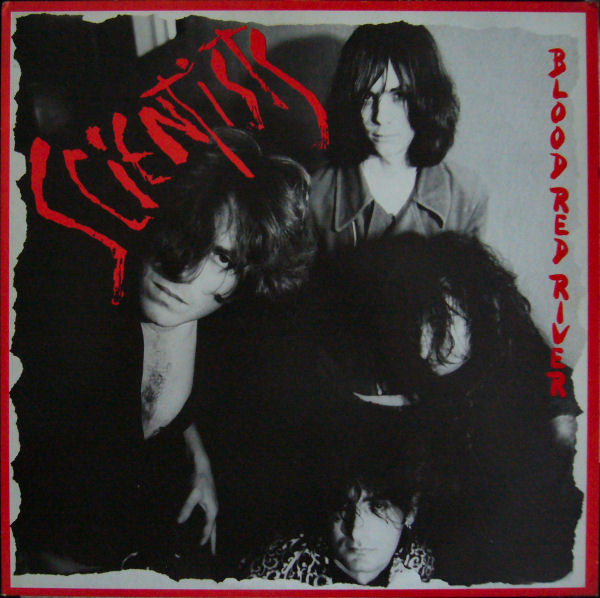
Moving to Sydney in 1981 changed everything when Salmon replaced the entire lineup except for Sujdovic and focused on a primal, sub-blues dirge. They leaned into a detuned, muddy sound on the 'Blood Red River' mini-album that felt like it was dragged out of a bayou rather than an Australian city. Brett Rixon's drumming shifted from pop precision to a tribal, minimalist thud that allowed the guitars to descend into chaotic, scratching textures. This was the moment they found their true voice, ditching the hooks for a claustrophobic atmosphere that eventually made them heroes in the UK underground.
The London Exile
The band relocated to London in 1984 and found themselves broke, cold, and playing to audiences who actually understood their 'distorted blues' obsession. They signed to Au Go Go and Big Time, producing records like 'You Get What You Deserve' which sounded increasingly jagged and brittle. Tony Thewlis’s guitar work became a jagged foil to Salmon’s growl, creating a dual-layered noise that influenced the entire nascent noise-rock scene. The pressure of living in squats and the constant grind of the European touring circuit sharpened their sound into something viciously lean before the inevitable burnout took hold in '87.
Influences
- The Stooges — Salmon has repeatedly cited 'Fun House' as the blueprint for his transition into primal noise. You hear it in the repetitive, thudding basslines and the way the guitars prioritize pure friction over traditional soloing. It’s the sound of a band falling apart in a controlled environment.
- Suicide — The band covered 'Ghost Rider' early on, and Alan Vega's minimalist dread is baked into their Sydney-era DNA. They took the terrifying pulse of the New York duo and translated it into a twin-guitar attack. It turned their live shows into a physical endurance test for the audience.
- The Cramps — The Scientists shared a mutual obsession with 50s rockabilly b-sides and trash culture, which Salmon highlighted in various fanzines. You hear that distorted 'psychobilly' twang filtered through a much darker, heroin-chic lens on tracks like 'Swampland.' They took the kitsch and stripped it of its humor.
- The Velvet Underground — The DNA of 'White Light/White Heat' is all over the band's later, more experimental output. The use of feedback as a melodic instrument and the sheer abrasive volume were direct nods to Cale and Reed's noisier tendencies. It’s the foundational text for their 'ugly' period.
- Captain Beefheart — Salmon pointed to the Magic Band's angular rhythms as a way to escape the boredom of 4/4 punk drumming. On records like 'Prehistoric,' the guitars frequently fight each other in different signatures, mimicking the controlled chaos of 'Trout Mask Replica.' It kept the swamp-rock from sounding too much like standard blues.
Discography
Their records — most-collected first.




Related artists
Around the web
Follow every record they touch.
Start your shelf and Gatefold tracks The Scientists's new pressings, tour dates, and the whole discography — automatically.
Start your shelf →Free forever. Works with 10 records or 10,000.