
Artist
Ramones
US punk rock band
Forest Hills, United States · 1974 – 1996
Ramones is a music group from Forest Hills, United States, active 1974–1996. Their discography on Gatefold includes 24 records.

48
Albums tracked
693
In collections
1974
Since
Biography
Johnny Ramone played a cheap Mosrite guitar with exclusively high-speed downstrokes through a cranked Marshall stack because he literally refused to learn upstrokes. Tommy Ramone ran the sessions for the debut at Plaza Sound in Radio City Music Hall on a shoestring $6,400 budget, cutting basic tracks in about three days flat. No guitar solos, zero tape delays, hard-panned bass and guitar with drums in the center like an early Beatles record on amphetamines. They stripped rock and roll down to raw plywood and two-minute tempos because the bloated arena rock of 1976 made them want to puke. The tragedy is that they never got the massive Top 40 payout they craved. They spent two decades crammed in a tour van, hating each other's guts while Johnny enforced military discipline and Joey lived in his own bubble. Phil Spector pulled a gun on them in the studio, Joey and Johnny stopped speaking over a girl, Dee Dee drifted off into severe addiction, and yet they never stopped touring. Every kid who picked up a cheap guitar after 1976 owes them royalties.
Bio from The Clerk
The Arc of Ramones
The pivots — what forced Ramones to reinvent.
The Plaza Sound Speed Run (1976–1977)
Tommy Ramone produced and engineered the first three records at Plaza Sound and Media Sound, capturing the purest lightning in a bottle. With Johnny's buzzsaw Mosrite, Dee Dee's count-offs, and Joey's Brill Building pop sensibilities, they knocked out a classic every few months. Rocket to Russia capped the run by proving you could marry surf hooks to manic street tempos without losing an ounce of grit. It remains the blueprint for modern punk.
The Wall of Guns and Pop Dreams (1978–1981)
Tommy stepped behind the board for good, bringing in Marky on drums for Road to Ruin, which softened their attack just enough to aim for AM radio. Sire then paired them with Phil Spector for End of the Century, resulting in hostage-like studio sessions at Gold Star with Spector pulling firearms and forcing Johnny to play the opening chord of 'Rock 'n' Roll High School' for hours. The production went glossy and huge, alienating pure punks while still failing to crack the pop mainstream. Pleasant Dreams doubled down on power-pop with Graham Gouldman producing, marking the end of their arena-pop gamble.
Hardcore Rebound and Richie's Drum Kit (1984–1987)
Watching younger, faster hardcore bands eat their lunch forced the band back to basics with 1984's Too Tough to Die. Tommy returned to co-produce, while new drummer Richie Ramone gave them a vicious, heavier engine that let them match the speed of the American underground. Tracks like 'Wart Hog' saw Dee Dee screaming raw hardcore while Joey delivered politically charged gems like 'Bonzo Goes to Bitburg.' It was their leanest, meanest late-career survival statement.
The C.J. Years and Final Bow (1989–1996)
Dee Dee quit right after Brain Drain, leaving Johnny and Joey to recruit twenty-something ex-Marine C.J. Ramone to inject fresh youth and vocals into the rhythm section. They soldiered on through Mondo Bizarro and the covers record Acid Eaters, staying tighter live than bands half their age despite Joey and Johnny's total personal silence. By the time they dropped ¡Adios Amigos! and played their final 1996 gig at the Palace in LA, they had survived twenty-two years without ever playing a half-assed show.
Influences
- The Stooges — The band openly cited Fun House and raw Ron Asheton riffs as the direct inspiration for stripping rock down to single-chord bludgeoning. You hear it in the relentless downstroke propulsion and Dee Dee's distorted, root-note basslines. Without Iggy and the Asheton brothers clearing the room first, the Ramones wouldn't have known what to tear down.
- The Ronettes — Joey Ramone worshipped 1960s girl groups and modeled his entire vocal cadence, romantic melodrama, and street-tough vulnerability on Ronnie Spector. You hear those classic Phil Spector bubblegum melodies buried directly beneath the buzzsaw guitars on tracks like 'Baby, I Love You' and 'Sheena Is a Punk Rocker.' It's the sugar in their gas tank.
- The Beach Boys — Johnny and Joey were obsessed with Brian Wilson's bright, sunny chord progressions and vocal harmonies, which they directly inverted into urban cartoon grit. Tracks like 'Rockaway Beach' and 'Touring' are straight Beach Boys surf anthems played at triple the speed. They covered 'Surfin' Safari' and proved they were just delinquent beach bums from Queens.
- New York Dolls — Seeing the Dolls at the Mercer Arts Center showed Joey and Dee Dee that high-energy attitude and street trash style beat technical musicianship every single day. The Ramones took the Dolls' sleazy glam-punk energy, ditched the platform boots and lipstick for leather jackets and ripped denim, and cut the tempo in half. It was the immediate local bridge that kicked CBGB into existence.
- MC5 — The raw Detroit volume and high-octane stage assault of Kick Out the Jams showed the early Ramones how to treat an entire live set as a single non-stop barrage. Johnny Ramone's refusal to stop between songs—punching directly from a Dee Dee '1-2-3-4' into the next track—comes straight from that Motor City high-energy playbook. They turned arena-sized Detroit aggression into two-minute club strikes.
Discography
Their records — most-collected first.
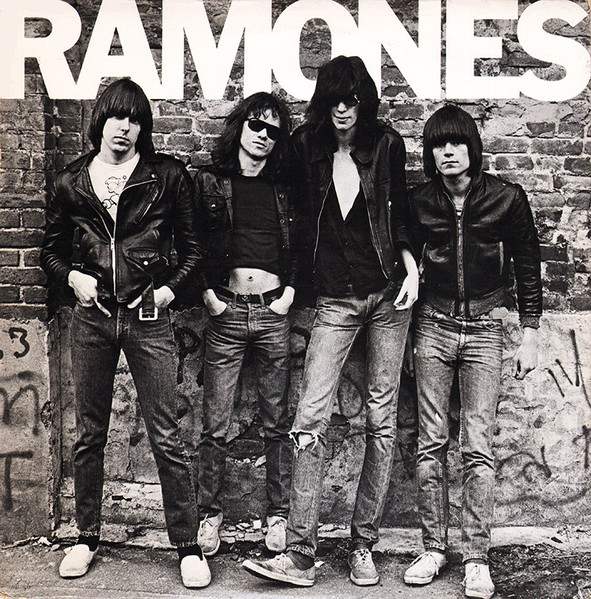
Ramones
1976
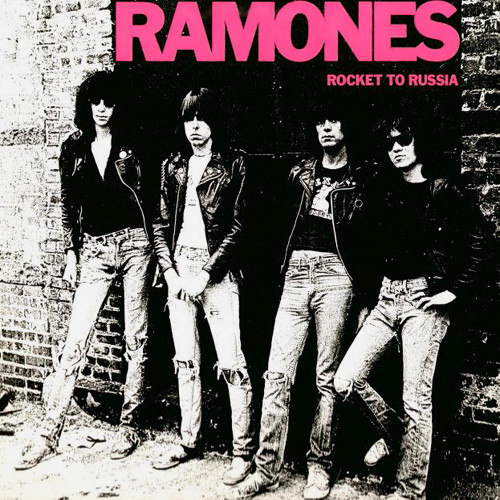
Rocket To Russia
1977
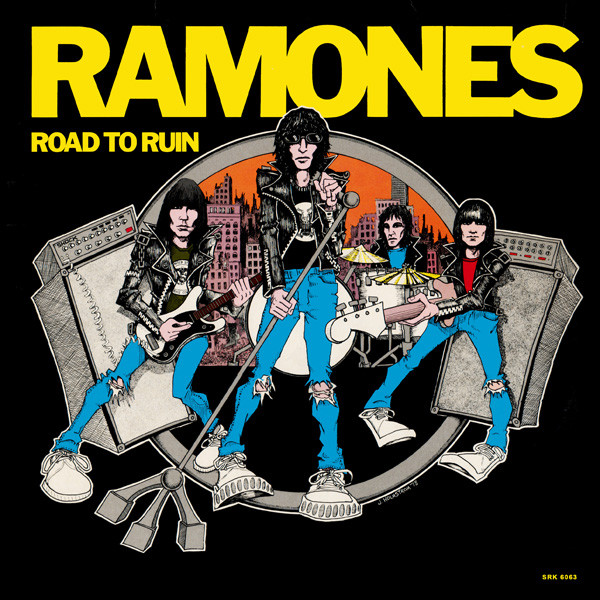
Road To Ruin
1978
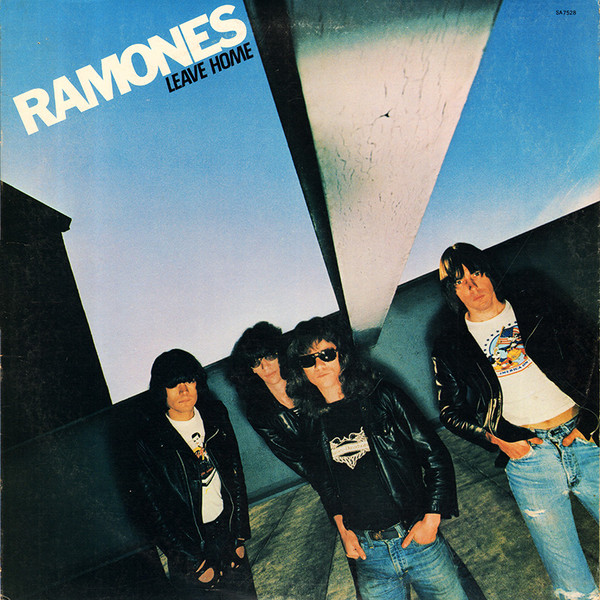
Leave Home
1977
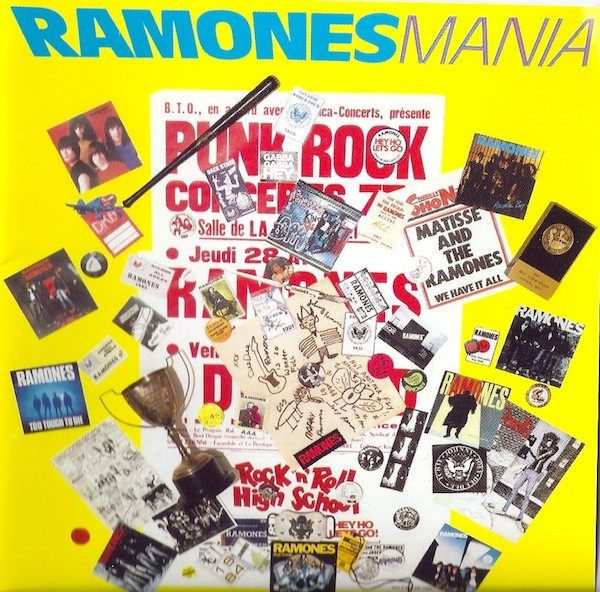
Ramones Mania
1988
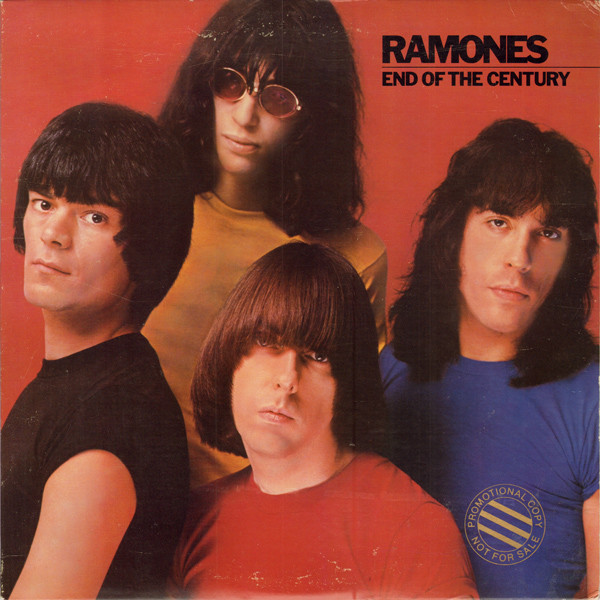
End Of The Century
1980
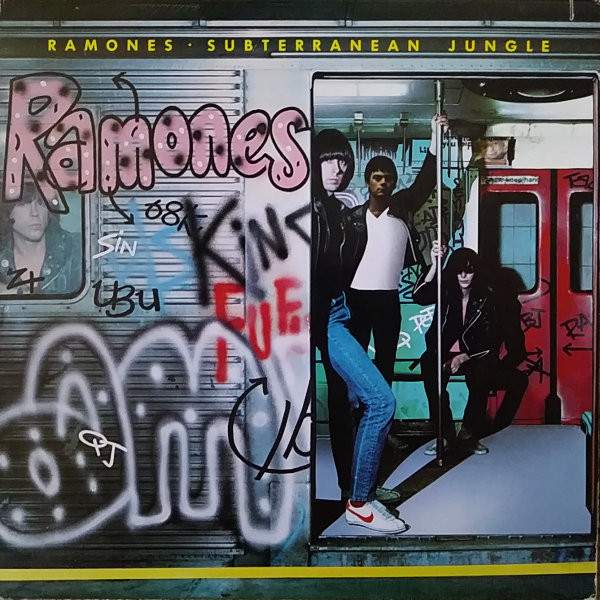
Subterranean Jungle
1983
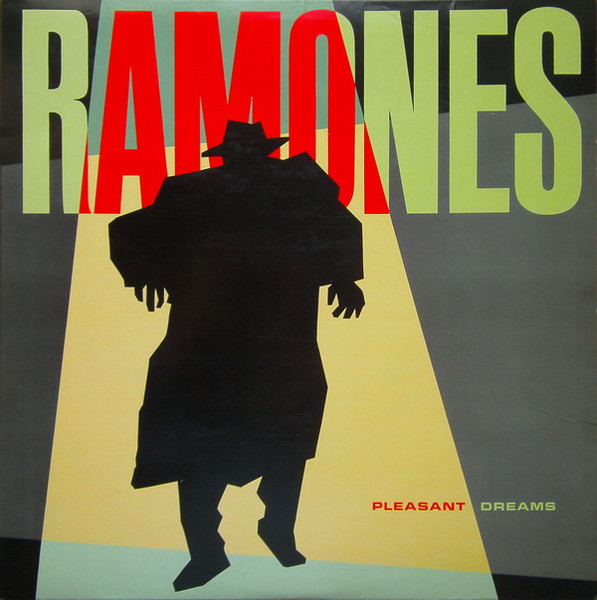
Pleasant Dreams
1981
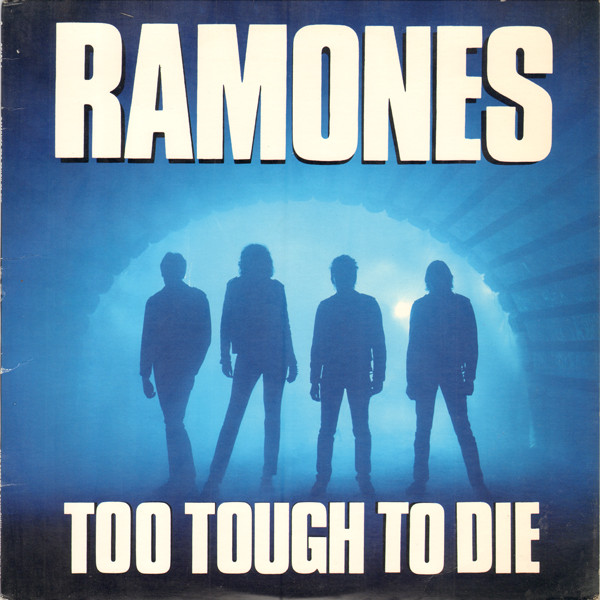
Too Tough To Die
1984
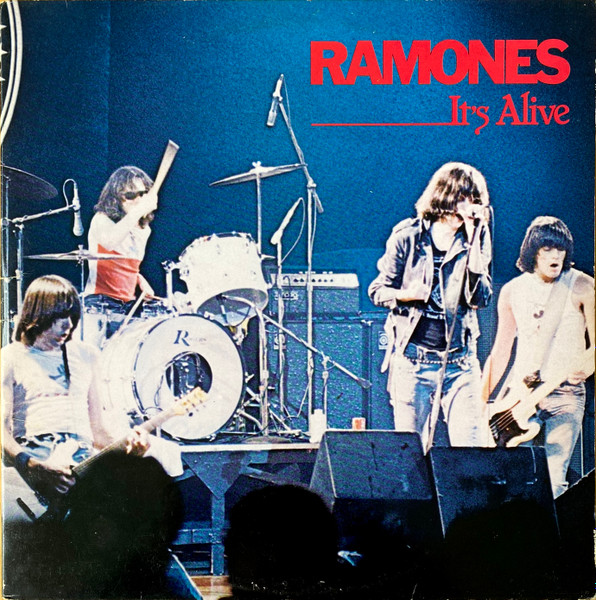
It's Alive
1979
Greatest Hits
2006
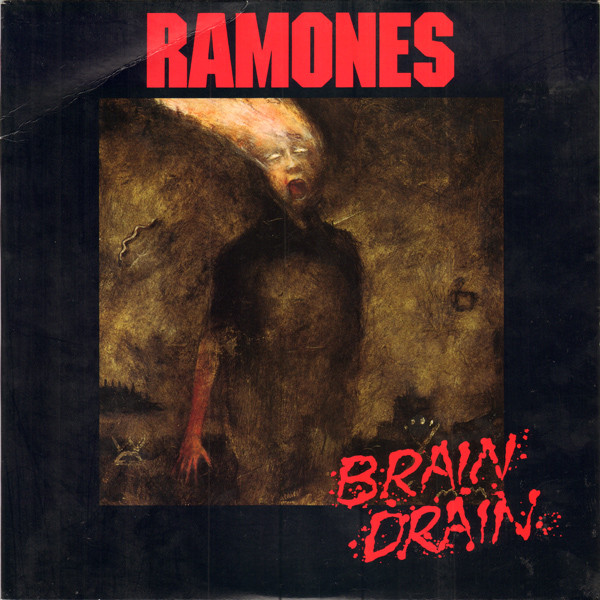
Brain Drain
1989
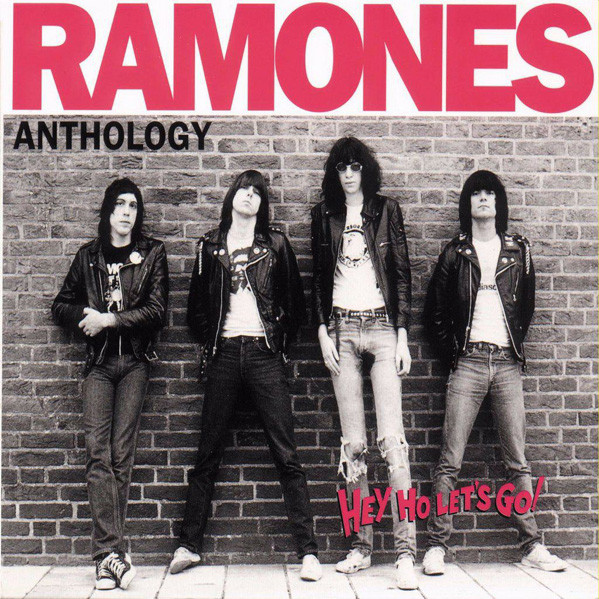
Anthology: Hey Ho Let's Go!
1999
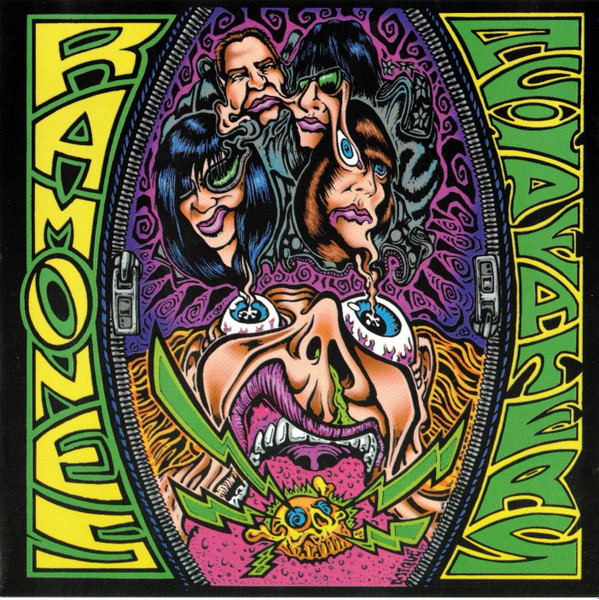
Acid Eaters
1993
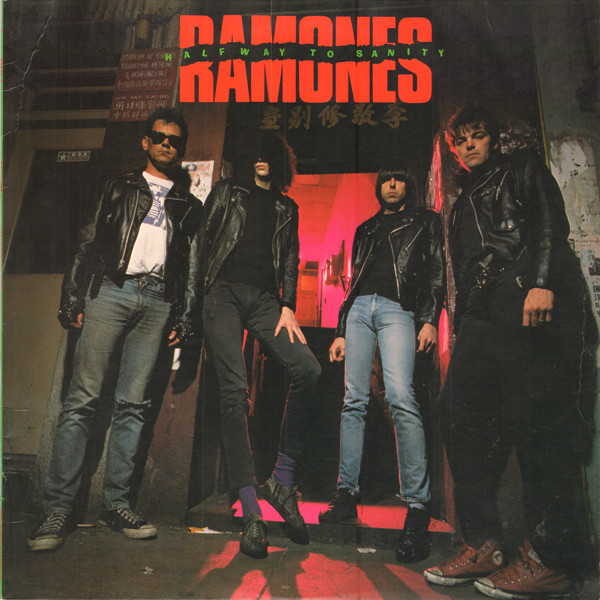
Halfway To Sanity
1987
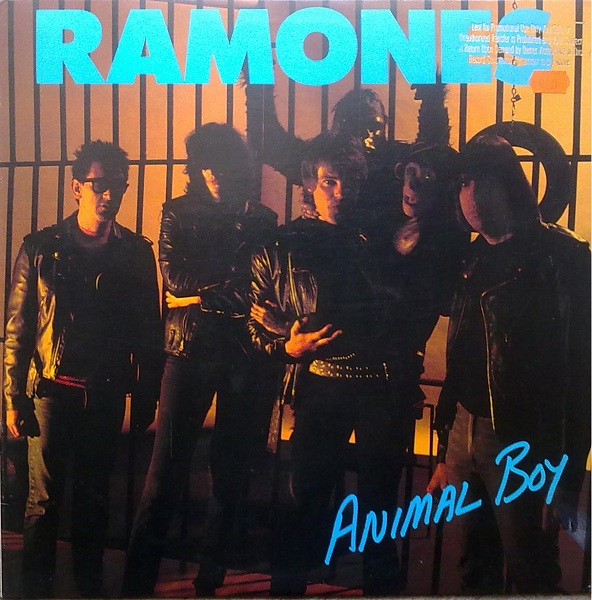
Animal Boy
1986

Mondo Bizarro
1992

Loco Live
1991

Live (CBGB • 1977)
2025

¡Adios Amigos!
1995

Summer In The City (Live In San Francisco, 1979)
2026
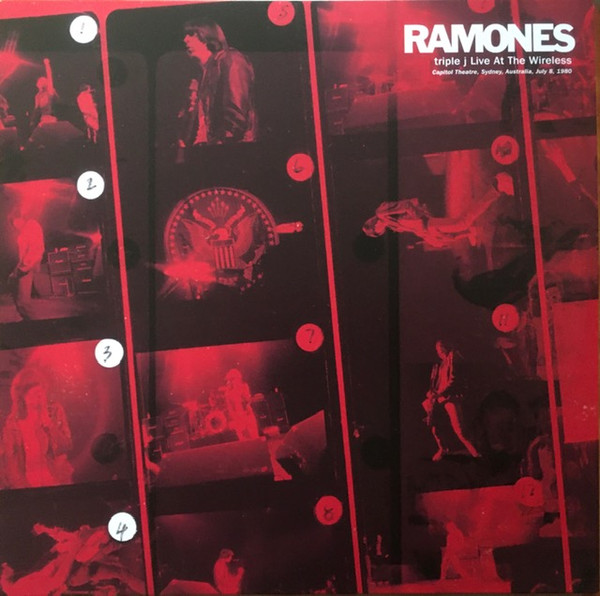
Triple J Live At The Wireless (Capitol Theatre, Sydney, Australia, July 8, 1980)
2021
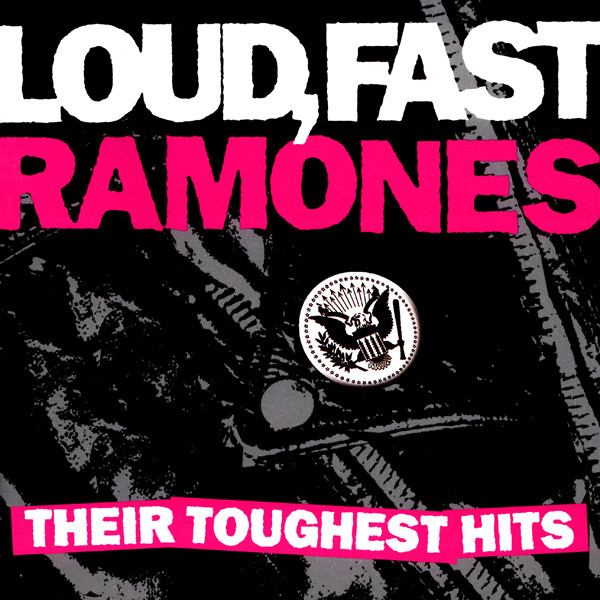
Loud, Fast Ramones: Their Toughest Hits
2002

Pet Sematary
1989
Related artists
Members
Around the web
Follow every record they touch.
Start your shelf and Gatefold tracks Ramones's new pressings, tour dates, and the whole discography — automatically.
Start your shelf →Free forever. Works with 10 records or 10,000.