
Artist
The Pop Group
Bristol, United Kingdom · Formed 1977
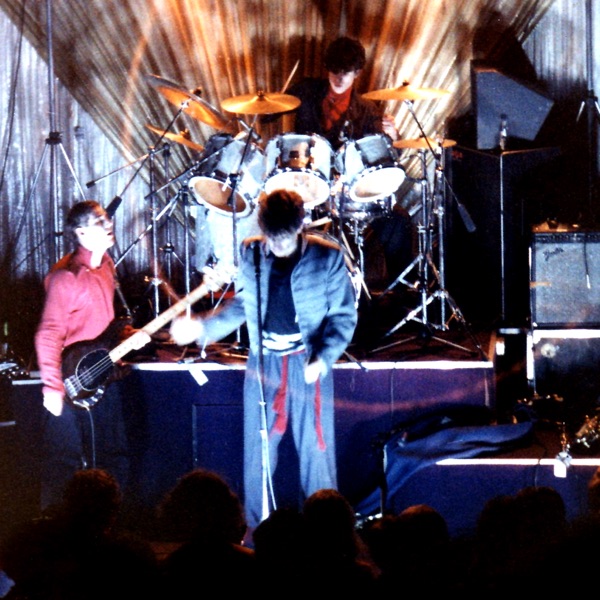
The Pop Group is a music group from Bristol, United Kingdom, active since 1977. Their discography on Gatefold includes 10 records.
10
Albums tracked
16
In collections
1977
Since
Biography
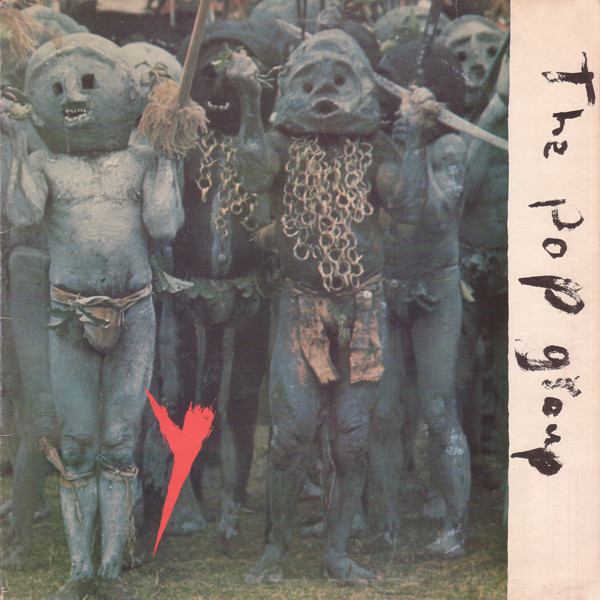
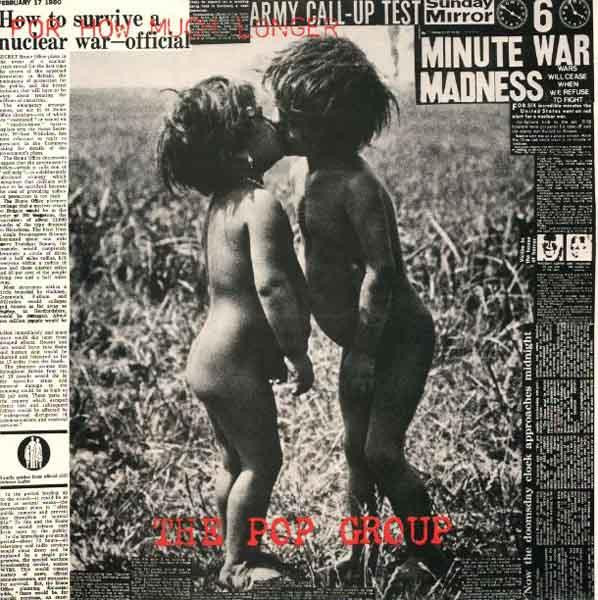
Dennis Bovell dragged a bunch of teenage Bristol art punks into Ridge Farm Studio, shoved funk basslines through tape echo, and completely broke post-punk wide open. Mark Stewart didn't sing so much as howl agitprop slogans over Gareth Sager's jagged, out-of-tune guitar stabs and Bruce Smith's relentless dub-heavy drumming. Their 1979 debut 'Y' sounded like King Tubby remixing Ornette Coleman while the building burned down around them. Radar Records had no idea how to sell a record that violently hostile to pop structure. They didn't last because bands wound that tight never do. By 1980's 'For How Much Longer Do We Tolerate Mass Murder?', the rhythm section was fracturing, split singles with The Slits were draining their cash, and Stewart was pushing full-blown radical politics over pure sonic terrorism. They blew apart into essential spinoffs like Maximum Joy, Pigbag, and Rip Rig + Panic, but the original wreckage still cuts harder than almost anything that came out of the UK underground.
Bio from The Clerk
The Arc of The Pop Group
The pivots — what forced The Pop Group to reinvent.
The Bovell Collisions
Radar Records gave five Bristol teenagers a budget and Dennis Bovell in 1979, expecting spiky post-punk and getting a terrifying collision of free jazz and reggae dub. Stewart screamed about human rights over Smith's unhinged funk drumming, while Bovell bathed the tracks in cavernous tape delays on 'Y'. It alienated commercial radio completely but rewrote the rulebook for what independent British rock could sound like.
The Agitprop Implosion
Dropping major-label backing for Rough Trade in 1980, they stripped out the studio gloss to cut 'For How Much Longer Do We Tolerate Mass Murder?' with a ruthlessly raw, politicized edge. Simon Underwood left on bass, bringing in Dan Catsis while the band shared a joint single with The Slits to push the boundaries of punk collectivism. The internal tension and frantic political messaging became unsustainable, blowing the band apart by the end of the year.
The Late-Era Resurgence
Reconvening three decades later, Stewart and Sager tapped Paul Epworth to produce 2015's 'Citizen Zombie', bringing high-gloss modern low-end to their old rhythmic chaos. They followed it fast by pulling legendary dub wizard Youth into the control room for 2016's 'Honeymoon on Mars'. It proved the original core could still make genuinely abrasive, rhythm-driven noise without relying on lazy nostalgia.
Influences
- King Tubby — Stewart and Bovell were obsessive collectors of Jamaican dub 45s and modeled their studio aesthetic on Tubby's extreme spatial fader tricks. You hear it across 'Y', where the drums and bass suddenly drop out into naked spring reverb and cavernous tape echo. It turned a punk rhythm section into a sound system weapon.
- Ornette Coleman — Gareth Sager repeatedly cited Coleman's harmolodic theory as the direct inspiration for throwing out traditional rock chord progressions. That free jazz dissonance drives tracks like 'Don't Call Me Pain', where the saxophone and guitar deliberately clash in non-standard keys. It gave their funk grooves an unstable, panicked edge.
- Funkadelic — The band openly chased the heavy, distorted groove of early Parliament-Funkadelic records rather than basic punk power chords. Bruce Smith and Simon Underwood lifted their rhythm blueprint directly from George Clinton's crew, anchoring noise in brutal physical funk. You hear that rhythmic push locking down 'She Is Beyond Good and Evil'.
- Captain Beefheart — Stewart and Sager routinely pointed to 'Trout Mask Replica' as proof that rock instrumentation could be fractured and rebuilt backwards. The jagged, stuttering guitar parts on 'Thief of Fire' pull straight from Beefheart's angular Magic Band playbook. It kept their grooves from ever settling into a polite pocket.
- The Stooges — The raw performance energy and Stewart's confrontational microphone style came directly from spinning 'Fun House' at deafening volume. The unhinged caterwauling and Steve Mackay-style free-form sax on their early singles echo Iggy Pop's absolute disregard for vocal restraint. Pure visceral confrontation masquerading as music.
Discography
Their records — most-collected first.



Related artists
Around the web
Follow every record they touch.
Start your shelf and Gatefold tracks The Pop Group's new pressings, tour dates, and the whole discography — automatically.
Start your shelf →Free forever. Works with 10 records or 10,000.