
Artist
The Move
Birmingham, United Kingdom
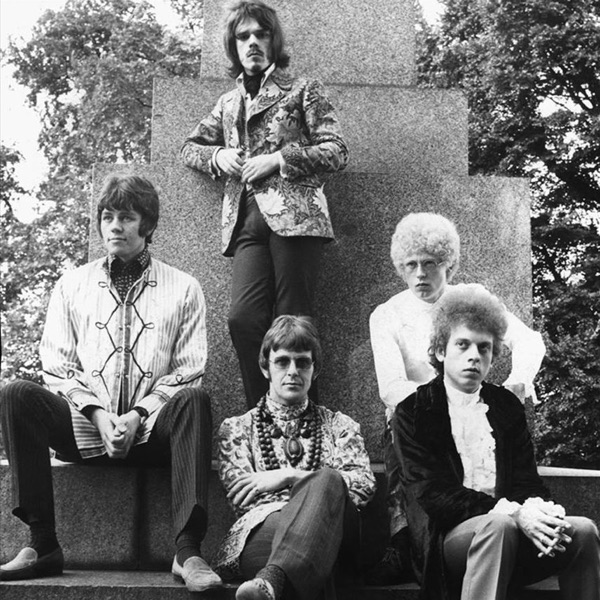
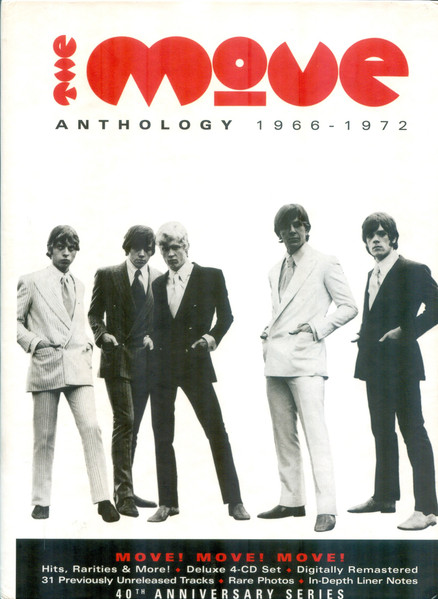
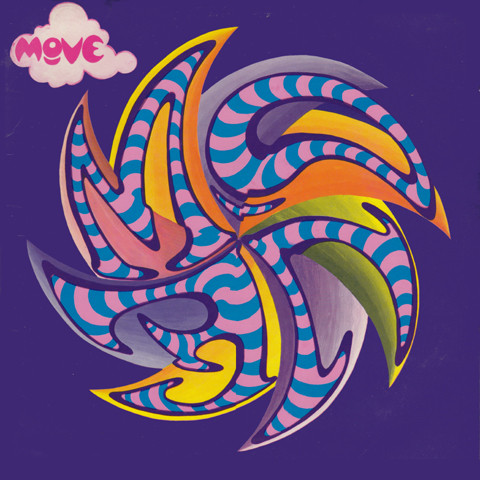
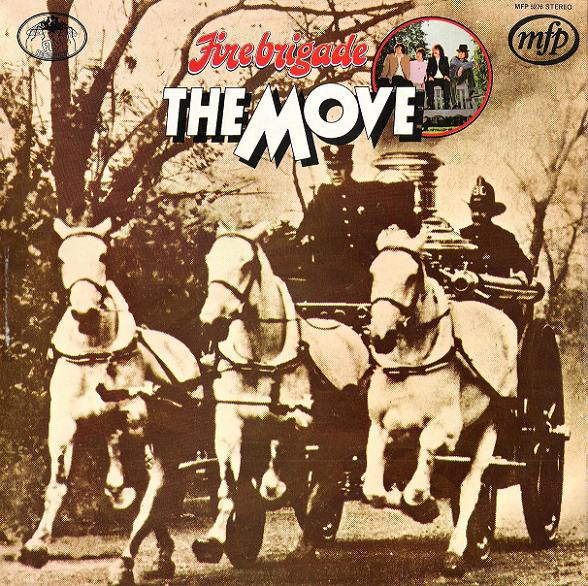
The Move is a music group from Birmingham, United Kingdom. Their discography on Gatefold includes 11 records.
11
Albums tracked
16
In collections
—
Since
Biography
Roy Wood used to stack massive, distorted Marshall stacks against the walls of Denny Cordell’s studio just to see if he could drown out Carl Wayne’s clean, cabaret-ready vocals. The Move were the most violent band in Birmingham, smashing television sets and axes on stage while wearing Carnaby Street suits that looked too small for them. They were a singles machine that hated being one. Wood was writing some of the most sophisticated pop melodies in the UK, but he wanted them to sound like they were recorded inside a trash compactor. By the time they hit the end of the sixties, the band was a revolving door of egos and lawsuits. Trevor Burton bailed because he wanted to play the blues, and Ace Kefford had a nervous breakdown fueled by the sheer volume and the pressure of the road. They were too heavy for the pop kids and too catchy for the underground freaks. That tension is exactly why those records still bite. You can hear the band fighting the production, fighting the charts, and eventually fighting each other just to see who could get to the heavy riff first.
Bio from The Clerk
The Arc of The Move
The pivots — what forced The Move to reinvent.
The Brummie Beat Heat
Five guys from five different Birmingham bands came together to create a local supergroup that prioritized volume over everything else. Manager Tony Secunda pushed them into high-concept violence, staging publicity stunts like destroying a car in the middle of London while their debut single climbed the charts. The early sessions captured by Denny Cordell are sharp and dangerous, leaning on Roy Wood’s ability to write hooks that sounded like a more aggressive version of The Beatles. It was a manic, unsustainable energy that made them the kings of the Marquee Club but nearly killed them before they finished their first LP.
The Psych-Pop Pivot
After the 'Harold Wilson' postcard lawsuit drained their bank accounts, the band retreated into a more experimental, psychedelic headspace for the Shazam sessions. This is where Wood started overdubbing everything himself, moving away from the R&B roots toward a weird, baroque heavy metal. You hear it in the massive gaps between the heavy riffs and the intricate vocal harmonies that Carl Wayne was still trying to treat like a stage show. It was a glorious mess that showed Wood was outgrowing the three-minute pop format and looking for a bigger, weirder canvas.
The Lynne-Wood Transition
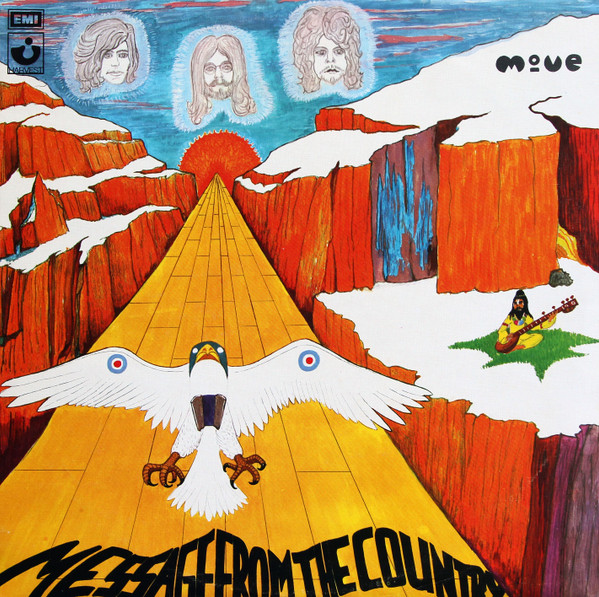
When Jeff Lynne finally joined from The Idle Race, the Move effectively became a laboratory for a brand new sound. The two-headed monster of Wood and Lynne turned the final records, Looking On and Message from the Country, into a sludge-filled experiment with cellos, oboes, and distorted slide guitars. They were recording Move songs during the day and working on the first Electric Light Orchestra tracks at night in the same studio. The Move was basically sacrificed so that ELO could be born, leaving behind a final run of records that are among the heaviest, strangest things to ever hit the British charts.
Influences
- The Byrds — The Move’s early live sets were packed with Byrds covers like 'Feel A Whole Lot Better' because they were obsessed with that 12-string jangle. You can hear that Rickenbacker influence all over the early B-sides and the way Wood structured their initial vocal harmonies. It provided the melodic backbone before Wood decided to get loud and weird.
- Duane Eddy — Roy Wood has gone on record saying Eddy’s 'twang' was his first real guitar obsession. That low-string, tremolo-heavy riffing style is the DNA for the main hook in 'Flowers in the Rain.' It’s the reason the Move’s pop songs always have a muscular, bottom-heavy feel compared to their peers.
- The Beatles — The band famously covered 'Across the Universe' and 'Strawberry Fields Forever' in their live shows before the versions were even cold. Wood was chasing the production sophistication of George Martin, particularly the way brass and woodwinds were used as lead instruments. Without 'Penny Lane,' you don't get the baroque arrangements on 'Blackberry Way.'
- Eddie Cochran — The Move were essentially a grease-monk rock and roll band hidden under psychedelic clothes, and Cochran was their North Star. They covered 'Something Else' and 'Weekend' to keep their live energy high. That raw, driving rockabilly rhythm is what saved them from becoming too precious or flowery during the Summer of Love.
- Procol Harum — Sharing producer Denny Cordell meant the Move were constantly hearing what was happening with the 'A Whiter Shade of Pale' sessions. Wood was fascinated by the way they integrated classical structures into a rock band format. You hear that influence peak when the Move started incorporating cellos and more somber, grander arrangements on their later LPs.
Discography
Their records — most-collected first.






Related artists
Around the web
Follow every record they touch.
Start your shelf and Gatefold tracks The Move's new pressings, tour dates, and the whole discography — automatically.
Start your shelf →Free forever. Works with 10 records or 10,000.