Artist
The Monkees
Los Angeles, United States · 1966 – 1970
The Monkees is a music group from Los Angeles, United States, active 1966–1970. Their discography on Gatefold includes 24 records.

46
Albums tracked
368
In collections
1966
Since
Biography
Don Kirshner ran the show like a factory, locking the guys out of the studio while the Wrecking Crew handled the heavy lifting. They were hired as actors to play a band on TV, but Michael Nesmith was already a songwriter with a Gretsch twelve-string and zero patience for the bubblegum puppet show. The early records are essentially the Brill Building’s greatest hits with Micky Dolenz and Davy Jones handling the vocals, and for a minute, they actually outsold the Beatles and the Stones combined. The real story starts when they staged a coup against Kirshner to play their own instruments. They went from being the 'Pre-Fab Four' to recording Headquarters in 1967, which was a massive gamble that proved they weren't just faces on a lunchbox. Nesmith’s country-rock leanings and Tork’s folk roots started bleeding through the corporate polish, even if the suits at Screen Gems hated losing control of the gold mine.
Bio from The Clerk
The Arc of The Monkees
The pivots — what forced The Monkees to reinvent.
The Kirshner Puppet Era
From '66 to early '67, the band was barred from the recording process by music supervisor Don Kirshner, who used elite session players like Glen Campbell and James Burton to build the tracks. Micky and Davy would just walk in and lay down vocals over finished masters, resulting in massive hits like 'Last Train to Clarksville' that defined the mid-60s AM radio sound. You hear the friction between their teen-idol personas and the sophisticated, professional arrangements that the guys had no hand in creating.
The Headquarters Revolt
Tired of being the joke of the industry, Nesmith led a rebellion that got Kirshner fired and gave the band full creative control for the 1967 album Headquarters. They holed up in RCA Victor Studio B with producer Chip Douglas and actually played their own parts, from Tork’s banjo to Dolenz learning the drums on the fly. The sound is looser, scrappier, and more authentic, ditching the session-musician perfection for a garage-band energy that felt like a real group.
The Psychedelic Collapse
By 1968, the TV show was canceled and the band jumped off a cliff with the movie Head, a surrealist middle finger to their own image co-written by Jack Nicholson. The soundtrack is a weird, disjointed masterpiece featuring session work from Ry Cooder and Neil Young, moving far away from pop hooks into experimental soundscapes. It was a commercial suicide note that effectively ended their reign as pop kings but earned them permanent respect in the underground.
Influences
- The Beatles — The entire show was pitched as a weekly version of A Hard Day's Night. You hear it in the four-part vocal harmonies and the frantic, jangly pop structures of their first two records. They even used the same VOX amplifiers and Ludwig drum kits to mimic the British Invasion look.
- The Kingston Trio — Peter Tork was a veteran of the Greenwich Village folk scene and Michael Nesmith was a folk-revivalist at heart. You can hear that acoustic, storytelling DNA on tracks like 'Papa Gene's Blues' and Tork’s banjo work on Headquarters. It provided the folk-rock foundation that kept them from being purely plastic.
- Chuck Berry — Micky Dolenz famously auditioned for the show by playing 'Johnny B. Goode' on the guitar. That foundational rock and roll rhythm is what gave Micky his vocal edge on the more aggressive tracks like 'Randy Scouse Git.' He wasn't a crooner; he was a rock shouter.
- The Everly Brothers — Don Kirshner specifically sought out songwriters like Carole King to write for the Monkees using the close-harmony style the Everlys perfected. Listen to the dual vocal lines on 'Cuddly Toy' or 'Sometime in the Morning.' They were chasing that precise, brother-duo blend through a pop lens.
- Little Richard — Micky Dolenz has repeatedly cited Little Richard as his primary vocal influence for his high-energy delivery. You hear that soul-inflected rasp when Micky pushes his range on 'Goin' Down.' It’s the sound of a kid who grew up on R&B trying to survive a pop session.
Discography
Their records — most-collected first.
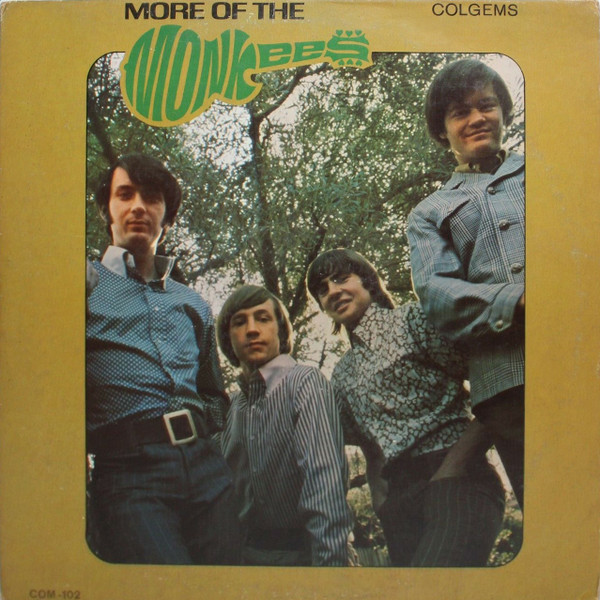
More Of The Monkees
1967
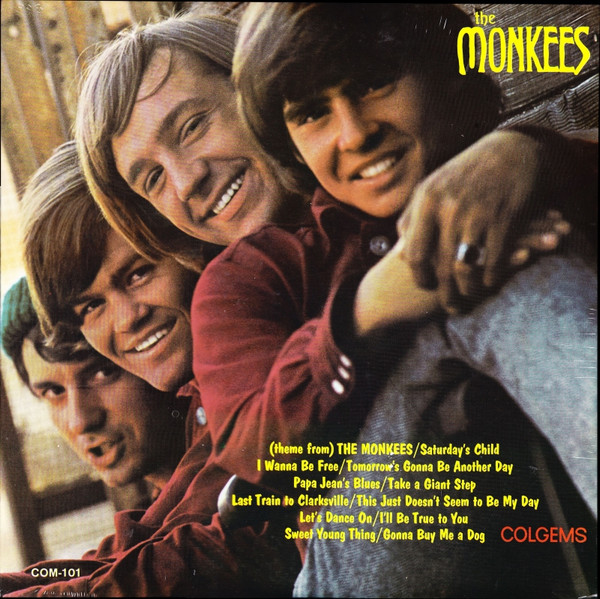
The Monkees
1966
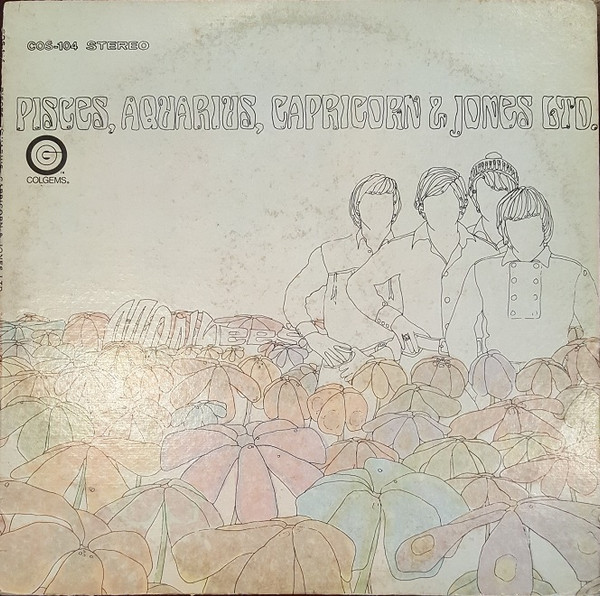
Pisces, Aquarius, Capricorn & Jones Ltd.
1967

Greatest Hits
1976
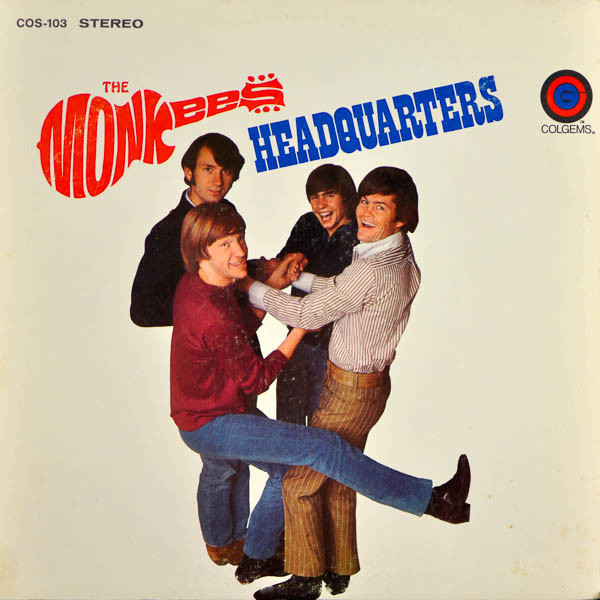
Headquarters
1967
Head
1968
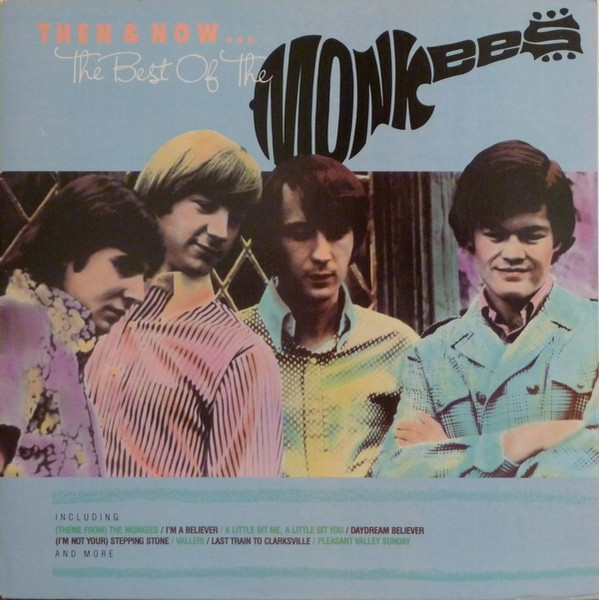
Then & Now... The Best Of The Monkees
1986

Good Times!
2016
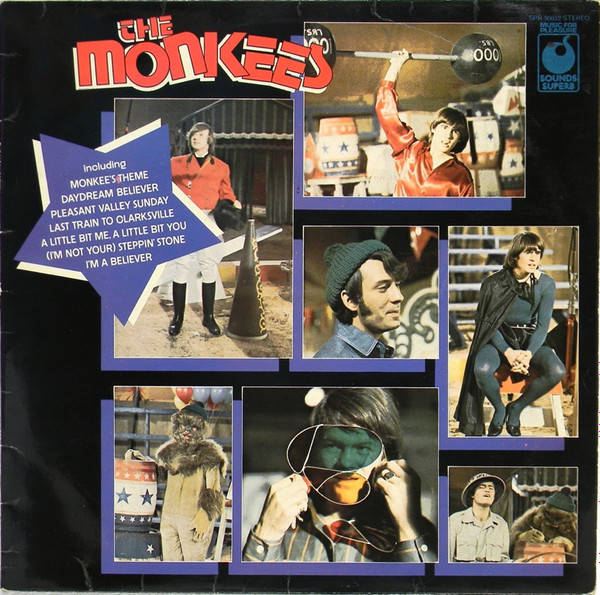
Best Of The Monkees
1974

The Birds, The Bees & The Monkees
1968
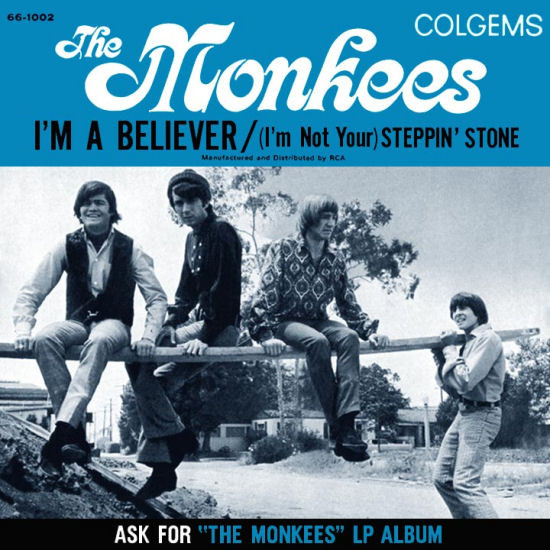
I'm A Believer / (I'm Not Your) Stepping Stone
1966
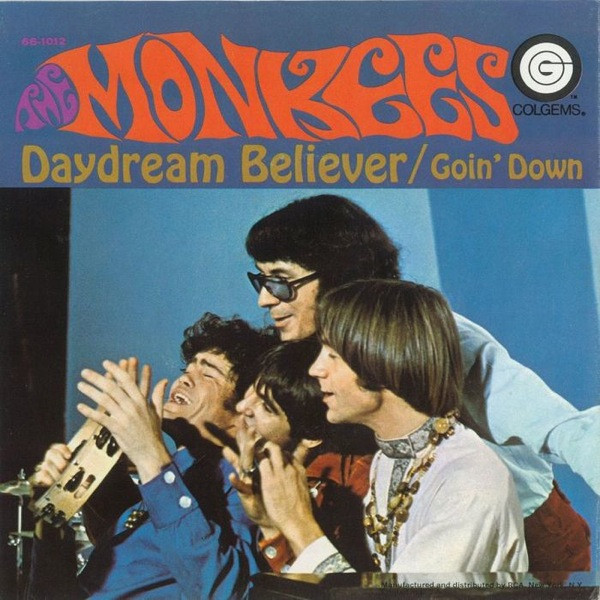
Daydream Believer
1967

Pool It!
1987
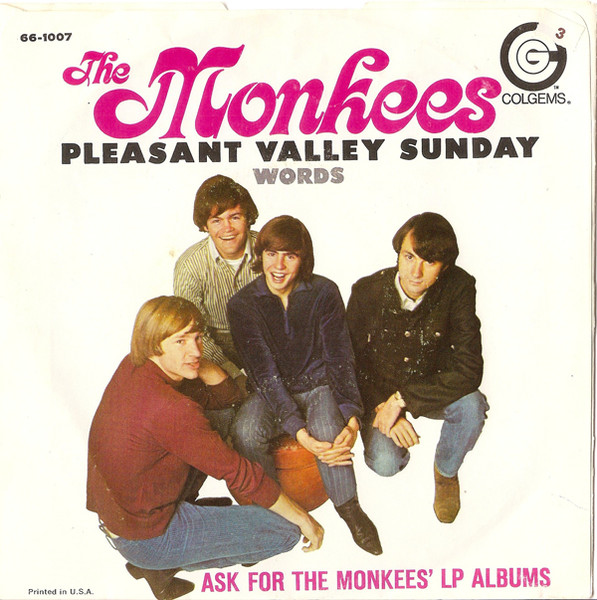
Pleasant Valley Sunday / Words
1967

The Monkees Present
1969
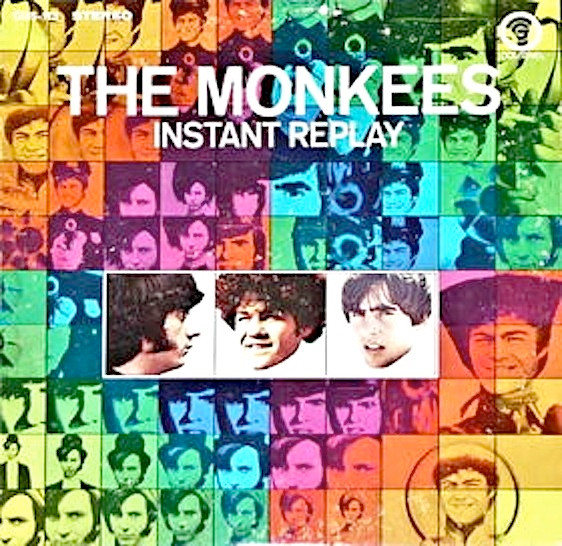
Instant Replay
1969

Greatest Hits
1969

Valleri
1968

Live (The Mike & Micky Show)
2020
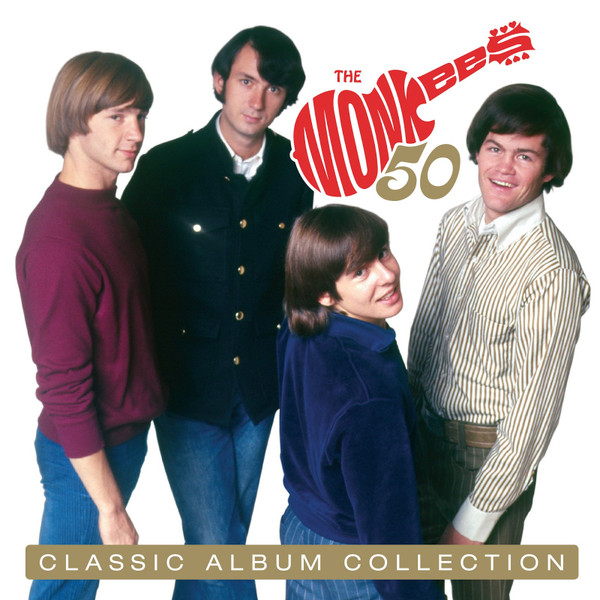
Classic Album Collection
2016

The Definitive Monkees
2001
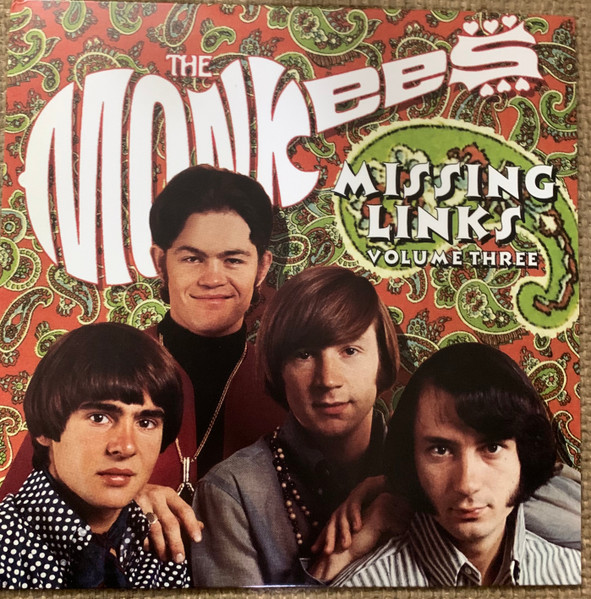
Missing Links, Volume Three
1996
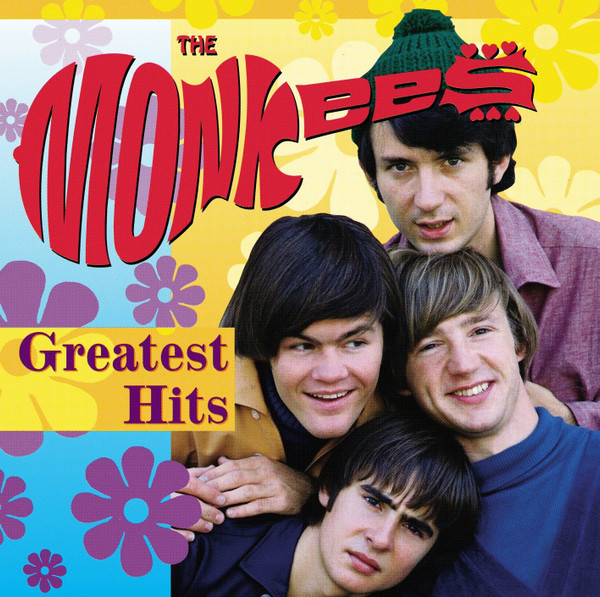
Greatest Hits
1995

Missing Links
1987
Related artists
Frequent collaborators
Around the web
Follow every record they touch.
Start your shelf and Gatefold tracks The Monkees's new pressings, tour dates, and the whole discography — automatically.
Start your shelf →Free forever. Works with 10 records or 10,000.