
Artist
The Ink Spots
New York City, United States · 1932 – 1954
The Ink Spots is a music group from New York City, United States, active 1932–1954. Their discography on Gatefold includes 19 records.

19
Albums tracked
45
In collections
1932
Since
Biography
The Ink Spots were a popular African-American vocal group who gained international fame in the 1930s and 1940s. Best known for their recordings of Pop ballads, The Ink Spots were frequent chart toppers totaling over 50 hits in their 17 year recording career. Their best selling record "If I Didn't Care" sold over 19 million copies and is currently the 7th best selling single of all time. Bill Kenny (leader) disbanded The Ink Spots in 1954 however many spin-off or imposter groups have been performing and recording ever since.
In 1967, the group name was determined to be "public domain" and allowed for anyone to use it. For any imposter groups of undetermined origin, please use The Ink Spots.
Original Ink Spots
1935: Founding members (1935): Orville Jones (bass), Deek Watson (tenor), Jerry Daniels (tenor) and Charlie Fuqua (baritone).
1936: Jerry Daniels is replaced by tenor Bill Kenny
1943: Charlie Fuqua is replaced by baritone Bernie Mackey
1943: Deek Watson replaced by tenor Billy Bowen
1944: Orville Jones dies and is temporarily replaced with Cliff Givens.
1945: Baritone Huey Long briefly replaces Mackey before Charlie Fuqua returns in October 1945. Jim nabbie is introduced to the group.
1945: Orville "Hoppy" Jones replaced by bass singer Herb Kenny, Bill Kenny's twin brother
1951: Herb Kenny replaced by bass singer Adriel McDonald
1952: Charlie Fuqua replaced by R&B guitarist Everett Barksdale. Teddy Williams replaces Billy Bowen and later that year is replaced by Ernie Brown. Jimmy Cannady replaced Everett Barksdale later in the year.
1954: Henry Braswell replaces Ernie Brown. Bill Kenny officially retires the group circa July 1954.
Spin-offs
1952: Charlie Fuqua left the group and formed his own vocal group also called "The Ink Spots," claiming his was the "original" group.
1971: After Fuqua's death, his band leader Ray Richardson established The Fabulous Inkspots
Awards
1946: Cashbox award for making "The Gypsy" the biggest money making song of the year.
1948: Awarded a plaque from the Negro Actors Guild for the efforts in "breaking down the walls of racial prejudice".
1989: Inducted into Rock and Roll Hall of Fame, as influences; they were listed as Bill Kenny, Charlie Fuqua, Deek Watson, and Hoppy Jones.
1989: 1939 recording of "If I Didn't Care" inducted in to the Grammy Hall of Fame.
1999: Inducted into Vocal Group Hall of Fame.
Bio from Discogs
Discography
Their records — most-collected first.

The Best Of The Ink Spots
1965

Ink Spots Vol. 2
1960
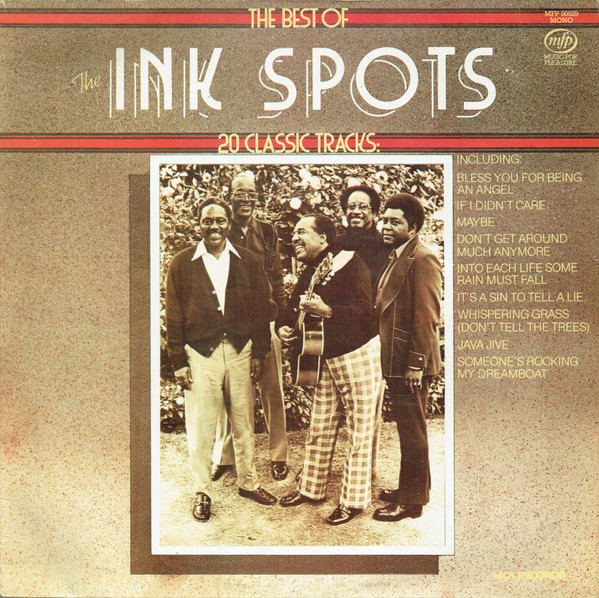
Best Of The Ink Spots
1981
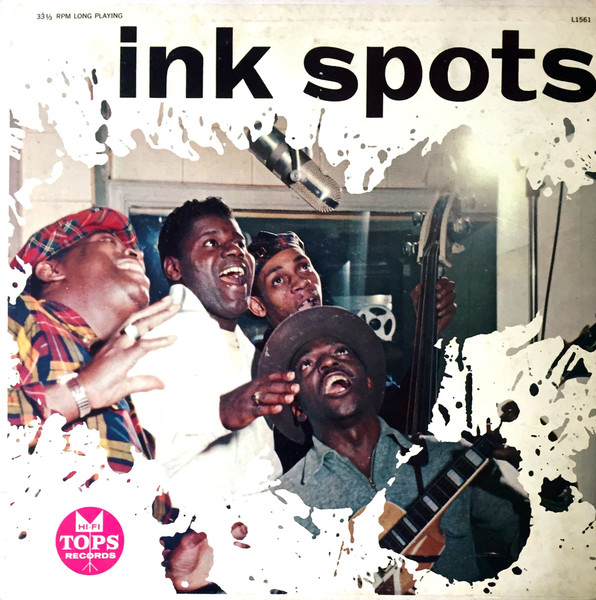
The Ink Spots In Hi-Fi
1957

The Anthology
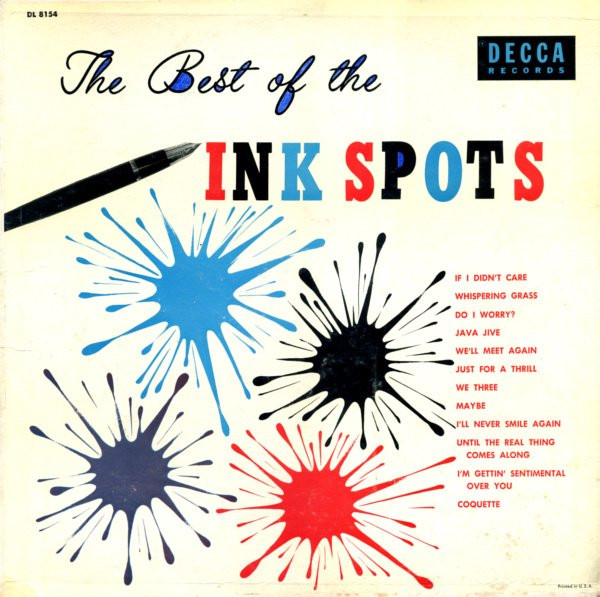
The Best Of The Ink Spots
1955
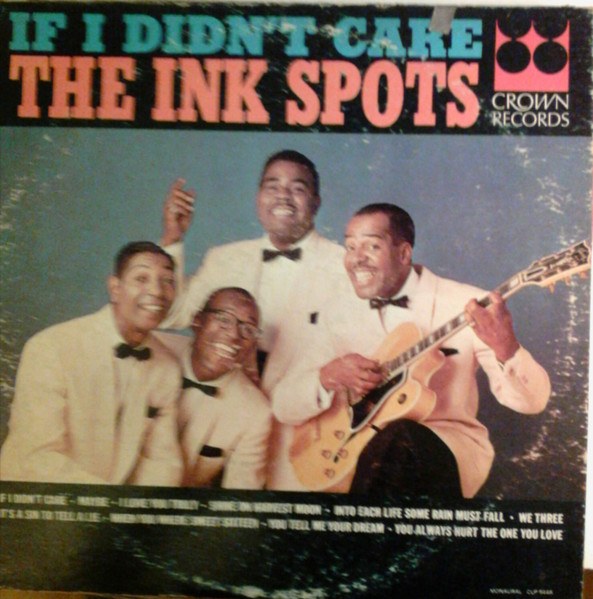
If I Didn't Care
1964

The Ink Spots At Las Vegas
1961

The Second Album Of Hits By The Ink Spots Volume 2
1961

Ink Spots
1946
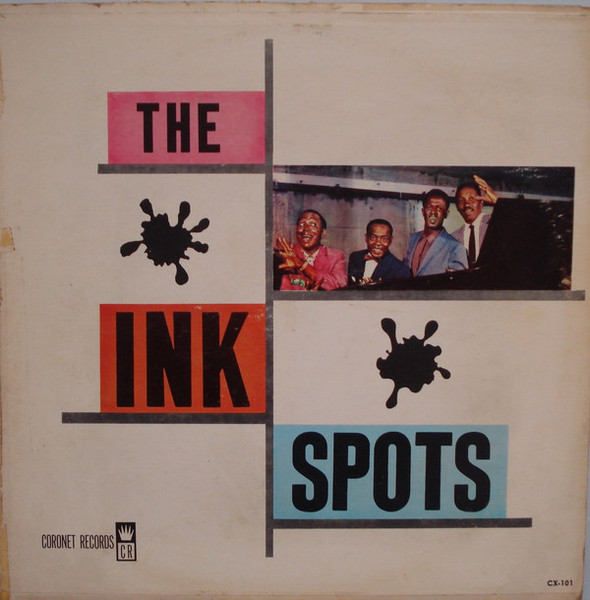
The Ink Spots

10 Of The Best Ink Spots Hits

Whispering Grass
1989

The Very Best Of The Inkspots
1986

Sincerely Yours
1985
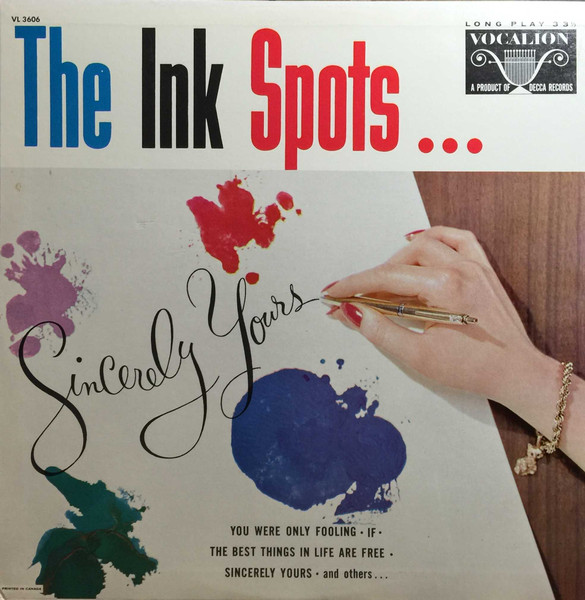
Sincerely Yours
1958
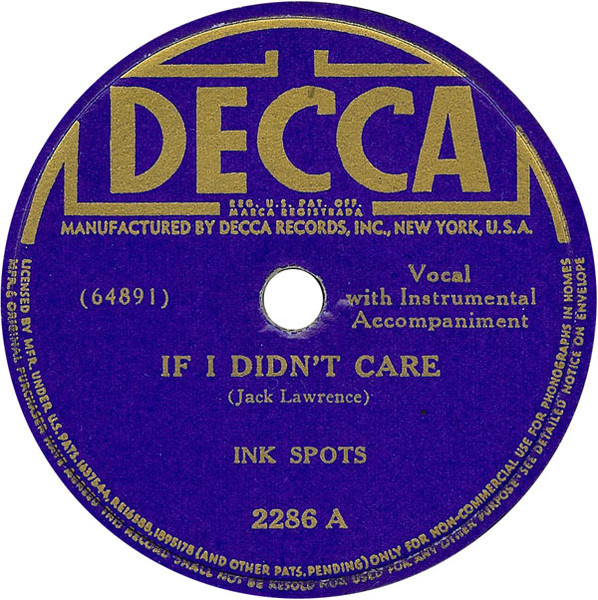
If I Didn't Care / Knock Kneed Sal (On The Mourner's Bench)
1939

The Incomparable Ink Spots

If I Didn't Care
1979
Related artists
Frequent collaborators
Around the web
Follow every record they touch.
Start your shelf and Gatefold tracks The Ink Spots's new pressings, tour dates, and the whole discography — automatically.
Start your shelf →Free forever. Works with 10 records or 10,000.