
Artist
The Get Up Kids
Kansas City, United States · Formed 1995
The Get Up Kids is a music group from Kansas City, United States, active since 1995. Their discography on Gatefold includes 17 records.

17
Albums tracked
189
In collections
1995
Since
Biography
Four kids in Kansas City tracked Four Minute Mile on a shoestring budget with Bob Weston, and the resulting snare crack basically dictated the next ten years of midwestern music. It wasn't about being polished—Weston brought that Shellac-style grit to Matt Pryor’s cracked vocals, making the basement-show energy feel massive without losing the sweat. They were the bridge between the heavy dissonance of the Coalesce scene and the hook-heavy indie rock that would eventually get swallowed by corporate radio. By the time Something to Write Home About hit, they had James Dewees on keys and a much bigger production budget, which turned them into the reluctant poster boys for a genre they’d eventually try to outrun. They jumped to Vagrant, sold a mountain of records, and watched as every suburban kid with a Moog synthesizer tried to rip off their blueprint. The transition from the scrappy, frantic energy of the early 7"s to the polished pop-rock of the later years was messy as hell, but they never quite lost that earnest, heart-on-sleeve anxiety that made people obsess over them in the first place.
Bio from The Clerk
The Arc of The Get Up Kids
The pivots — what forced The Get Up Kids to reinvent.
The Weston Sessions
Recording with Bob Weston at Chicago’s Electrical Audio defined their early, aggressive sound. Weston’s influence stripped away any fluff, focusing on the interplay between the Pope brothers' rhythm section and the dual-guitar attack of Pryor and Suptic. You can hear the basement-show urgency in the bleed between the mics, capturing a band that hadn't yet figured out how to be pop stars. It’s the rawest they ever sounded before the synthesizers took over the mix.
The Vagrant Explosion
Bringing James Dewees in as a full-time member changed the DNA of the band just as they moved to Vagrant Records. The addition of the Moog and layered keyboards on Something to Write Home About moved them away from the post-hardcore leanings of the KC scene and into a brighter, more structured power-pop territory. This was the moment they became a massive commercial engine, influencing a wave of bands that took their sincerity and turned it into a formulaic commodity. The record sounds like a band realizing they could actually play stadiums if they tightened the screws.
The Guilt Show Burnout
By 2004, the band was visibly fraying, evidenced by the darker, more cynical tone of Guilt Show. They moved away from the anthemic hooks of the previous decade, leaning into more experimental arrangements and a weary, mid-tempo vibe that confused the fans who just wanted another 'Holiday.' The friction between the members was palpable on the tracks, leading to an inevitable hiatus shortly after the release. It’s a record that sounds like the end of an era because it literally was, marking the point where the pressure of the 'emo' label finally broke the machine.
Influences
- Superchunk — Matt Pryor has explicitly cited Mac McCaughan’s vocal delivery and the band's DIY ethos as the primary blueprint for early Get Up Kids. You hear it in the high-register strain and the driving, distorted downstrokes on tracks like 'Coming Clean.' They took the Chapel Hill indie-punk template and added a Midwest layer of desperation.
- Fugazi — Before the pop hooks took over, the band was obsessed with the rhythmic tension of the DC scene. Jim Suptic often points to Fugazi’s angular guitar interplay as the reason he and Pryor played the way they did on the early EPs. The influence is all over the messy, dissonant bridges on Four Minute Mile.
- The Cure — The band famously covered 'Close to Me' and James Dewees brought a heavy dose of Robert Smith’s melodic keyboard sensibility to the group. You can hear the synth-pop influence on the lead lines of Something to Write Home About, where the keys act as a counter-melody to the vocals. It moved them from punk-adjacent to something much more atmospheric.
- The Replacements — Pryor has repeatedly mentioned Paul Westerberg’s songwriting as the gold standard for being vulnerable without being pathetic. The loose, almost-falling-apart energy of 'Valentine' is a direct descendant of Let It Be. It’s that specific brand of Midwestern 'loser' anthem that the Kids perfected.
- Sunny Day Real Estate — They shared stages early on, and the dynamic shifts between quiet verses and explosive choruses on Diary became the structural foundation for the Kids' louder tracks. You hear Jeremy Enigk’s influence in the way Pryor pushes his voice to the breaking point during the climaxes. They took the Seattle emo-core foundation and made it faster and more melodic.
Discography
Their records — most-collected first.

Something To Write Home About
1999
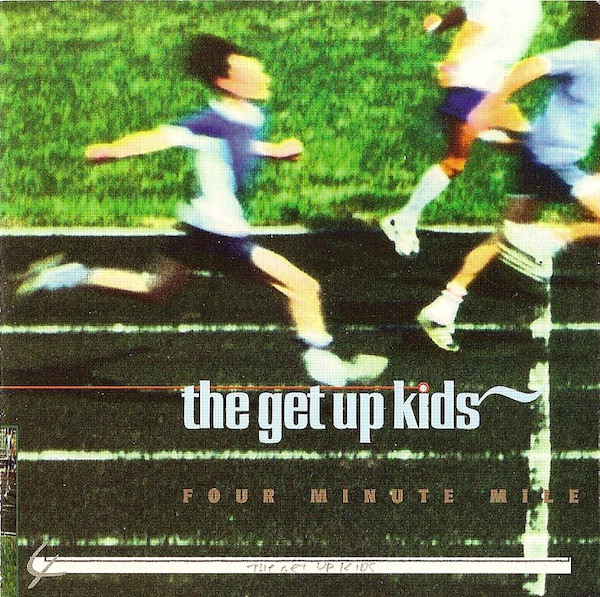
Four Minute Mile
1997

On A Wire
2002

There Are Rules
2011

Problems
2019

Eudora
2001

Kicker
2018
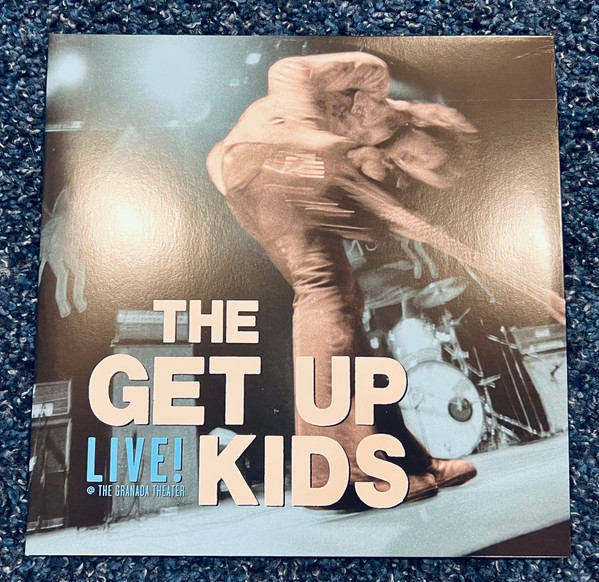
Live! @ The Granada Theater
2005

Guilt Show
2004

Red Letter Day
1999

The Get Up Kids ∙ Coalesce
1997

Simple Science
2010

Woodson
1997

The EP's: Red Letter Day And Woodson
2001

The Get Up Kids / The Anniversary
1999

Shorty / The Breathing Method
1996

Wouldn't Believe It
2004
Related artists
Around the web
Follow every record they touch.
Start your shelf and Gatefold tracks The Get Up Kids's new pressings, tour dates, and the whole discography — automatically.
Start your shelf →Free forever. Works with 10 records or 10,000.