
Artist
The Feelies
New Jersey post punk/rock band
Haledon, United States · Formed 1976
The Feelies is a music group from Haledon, United States, active since 1976. Their discography on Gatefold includes 10 records.

10
Albums tracked
75
In collections
1976
Since
Biography
Bill Million and Glenn Mercer were so obsessed with the sound of acoustic guitars that they treated electric ones like percussion instruments. They didn't want the Marshall stack crunch or the blues-rock wankery that was killing the late 70s. Crazy Rhythms was tracked at Vanguard Studios in NYC with an almost pathological focus on clean, dry, caffeinated textures. It’s a record that sounds like it’s vibrating at a higher frequency than the air in the room. Then Bill Million moved to Florida and the whole thing went dark for six years. When they came back, they traded the nervous energy for something more pastoral and strum-heavy. Most bands would’ve lost the plot, but they just leaned harder into the Velvets-lite jangle. They’re the greatest 'un-rock' band to ever come out of a suburban Jersey garage. No ego, no leather jackets, just four or five people standing perfectly still while their guitars do all the screaming.
Bio from The Clerk
The Arc of The Feelies
The pivots — what forced The Feelies to reinvent.
The Maxwell’s Nerve Center
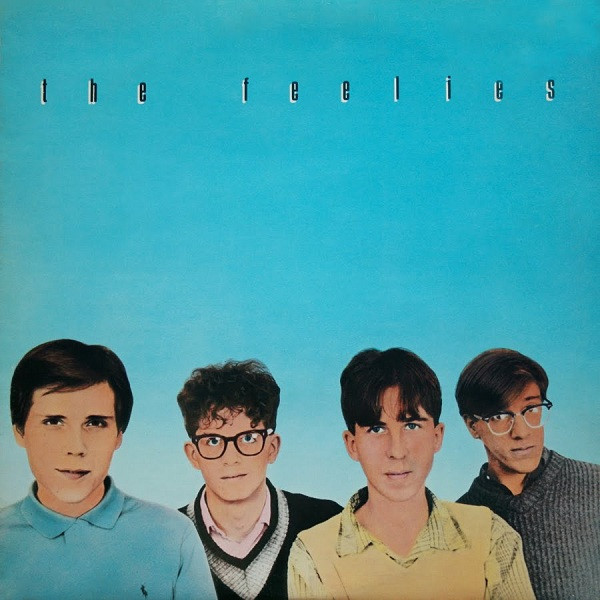
Before the debut, the band was a fixture at Maxwell’s in Hoboken, perfecting a twitchy, rhythmic assault that alienated anyone looking for a standard chorus. They brought in Anton Fier on drums to push that mechanical, relentless precision to its breaking point. Crazy Rhythms became the document of this era, a masterpiece of dry space and wood-on-wood percussion that felt more like clockwork than rock and roll. You can hear every single pick strike because they refused to hide behind distortion.
The Coyote Records Pivot
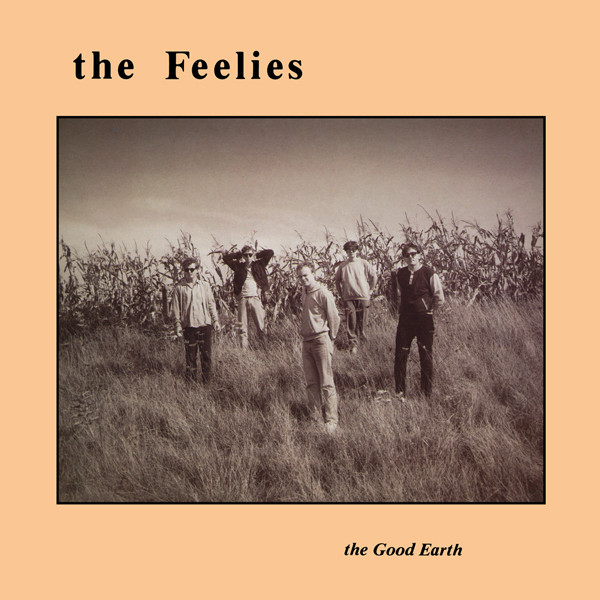
After the long hiatus, Bill Million returned and the band signed to Coyote, shifting the lineup to include Brenda Sauter and Stan Demeski. They decamped to Water Music in Hoboken with Peter Buck co-producing The Good Earth. The sound smoothed out, trading the frantic percussion of the debut for a lush, open-air folk-rock vibe. It’s the sound of a band finally breathing out after holding their breath for half a decade.
The Major Label Experiment
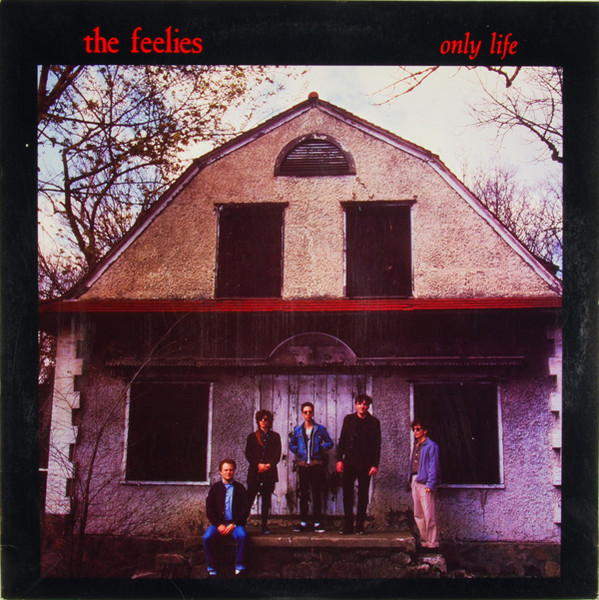
A&M scooped them up in the late 80s, trying to figure out how to market a band that looked like IT consultants. They released Only Life and Time for a Witness with slightly more polished production, but the core drone remained untouched. Even with corporate money behind them, Mercer and Million kept the guitars interlocking in that specific, hypnotic way that defied radio trends. The pressure of the machine eventually led to a 1991 split that lasted nearly twenty years.
Influences
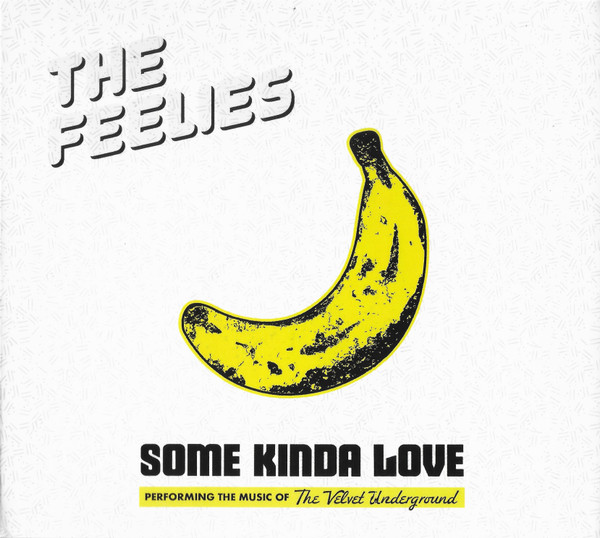
- The Velvet Underground — The band famously covered 'What Goes On' and 'White Light/White Heat' during their early live sets. The DNA of the Mercer-Million guitar interplay is stripped directly from the Lou Reed and Sterling Morrison school of rhythmic drone. You hear it in the way they prioritize the steady chug of the rhythm over flashy solos.
- The Modern Lovers — Jonathan Richman’s influence is all over the deadpan vocals and the 'Roadrunner' style propulsion. They took the suburban boredom and amateur-yet-perfect aesthetic of Richman and turned it into something more technical. It's the same nerd-energy, just tuned up to 120 beats per minute.
- The Stooges — Glenn Mercer has cited the Raw Power era as a blueprint for their early high-volume intensity. While The Feelies weren't as sloppy, the sheer repetitiveness and 'no-frills' attitude come straight from the Ron Asheton playbook. It’s the aggression of punk filtered through a suburban filter.
- Brian Eno — The band has spoken about Eno’s early solo records as a major influence on their textural approach to the studio. You hear this in the percussion layers on Crazy Rhythms, where the studio itself becomes a weird, resonant instrument. It's about the space between the notes as much as the notes themselves.
- Television — The dual-guitar architecture of Marquee Moon provided the technical roadmap for The Feelies to move beyond simple chords. Tom Verlaine and Richard Lloyd’s interlocking parts showed Mercer and Million how to weave two guitars into a single, complex machine. It's the high-wire act of NYC art-rock moved across the Hudson.
Discography
Their records — most-collected first.




Related artists
Around the web
Follow every record they touch.
Start your shelf and Gatefold tracks The Feelies's new pressings, tour dates, and the whole discography — automatically.
Start your shelf →Free forever. Works with 10 records or 10,000.