
Artist
The Fall
Prestwich, United Kingdom
The Fall is a music group from Prestwich, United Kingdom. Their discography on Gatefold includes 24 records.

51
Albums tracked
156
In collections
—
Since
Biography
The Fall wasn't a band; it was a dictatorship run by a guy who looked like he slept in his suit and ate cigarettes for breakfast. Mark E. Smith once famously said, 'If it's me and your granny on bongos, it's The Fall.' He wasn't kidding. He treated musicians like disposable batteries, burning through over sixty members in four decades because he wanted workers, not artists. He hated the polished bullshit of the London scene, preferring a repetitive, industrial chug that sounded like a washing machine full of bricks. He'd purposely fuck with the monitors or change the setlist mid-song just to keep the band on edge, ensuring they never got too comfortable or 'professional.' When the band signed to Beggars Banquet, the indie world thought they were going soft, but Smith just used the bigger budget to sharpen his knife. You get records like This Nation's Saving Grace where the production actually has some muscle, but the lyrics are still cryptic rants about Salford, proles, and weird literature. It’s some of the most anti-commercial music ever to hit the charts. Smith didn't care about being liked. He cared about the rhythm being right and the words being sharp enough to draw blood. If a record sucked—and plenty of the late-90s ones did when he was messing with cheap electronics—it was usually because he was bored. But he’d always swing back with something like The Real New Fall LP just to prove he was still the smartest guy in the room.
Bio from The Clerk
The Arc of The Fall
The pivots — what forced The Fall to reinvent.
The Rough Trade Scrawl
Early on, the band relied on a jagged, amateurish energy defined by Una Baines's cheap electric piano and Martin Bramah’s scratching guitar. They were recording in places like Cargo Studios on four-track machines, creating a claustrophobic sound that felt like a basement tape from a psychiatric ward. This was the era of Live at the Witch Trials and Dragnet, where the songs were less about melody and more about a rhythmic, stumbling persistence. You can hear the lack of gear in the thin, metallic production that makes Smith’s bark sound even more abrasive.
The Hanley-Scanlon Engine
Everything changed when Steve Hanley and Craig Scanlon became the backbone of the group, providing a rock-solid, repetitive pulse that allowed Smith to really wander. This lineup stayed relatively stable for the early 80s, producing the absolute peak of the discography with Hex Enduction Hour. Recording in a cinema in Iceland or a disused warehouse, they captured a sprawling, double-drummer mess that somehow felt disciplined. It’s the sound of a band that finally figured out how to use repetition as a weapon rather than a limitation.
The Brix Pop Incursion
When Smith married American guitarist Brix Smith, she brought a sense of melody and structure that the band had previously treated as a federal offense. Suddenly there were actual hooks and higher production values on albums like The Wonderful and Frightening World Of... and Bend Sinister. She forced them to stop being allergic to the radio, and the label pushed for singles that people could actually hum. It’s the only time The Fall ever threatened to become a pop band, even if the lyrics were still about weird dockworkers and psychic grease.
The Garage Revival Finish
After a disastrous late-90s period where Smith was fighting the band on stage and leaning too hard on bad synthesizers, he recruited a younger, hungrier crew for the home stretch. Working with producers like Grant Showbiz again, they returned to a high-octane, heavy garage-rock sound that stripped away the fluff. Records like Your Future Our Clutter and the final LP, New Facts Emerge, showed a man who was physically falling apart but musically as vicious as he was in 1979. It was a brutal, feedback-drenched victory lap that lasted fifteen years.
Influences
- The Stooges — Smith was obsessed with the primal, repetitive thud of Fun House and the band covered 'African Man' and 'Raw Power' live. You hear it in the way The Fall uses three-chord loops as a hypnotic base for Smith’s rambling. It’s that same 'I’m bored and I’m gonna kill you' energy.
- Can — The Fall literally wrote a song called 'I Am Damo Suzuki' as a tribute to the Can vocalist and frequently cited the Krautrock pioneers as the blueprint for their rhythmic repetition. The influence is everywhere in their long, motorik jams that refuse to change chords for ten minutes. Smith stole their 'instant composition' ethos and made it grumpier.
- The Monks — The band covered 'I Hate You' and 'Shut Up,' adopting the Monks' minimalist, confrontational approach to rock and roll. You hear it in the percussive, stabbing guitar parts and the refusal to use traditional blues licks. It’s the sound of a band trying to deconstruct the very idea of a song.
- Velvet Underground — Smith championed White Light/White Heat as the ultimate record for its marriage of street-level grit and avant-garde noise. The Fall’s early live tapes mimic that same distorted, overdriven chaos where the vocals are buried in a wash of feedback. They took the VU's drone and moved it from NYC to a Manchester pub.
- Gene Vincent — Smith was a huge fan of 50s rockabilly and covered 'Rollin' Danny,' keeping the slapback echo and the frantic vocal delivery alive. You hear it in the 'uh!' and 'ah!' grunts he punctuated his lines with. He basically treated post-punk like it was just greaser music with better books.
Discography
Their records — most-collected first.

This Nation's Saving Grace
1985
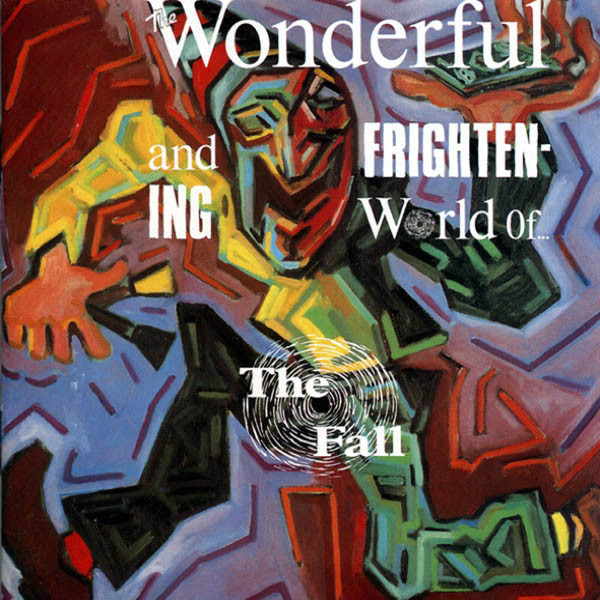
The Wonderful And Frightening World Of...
1984

Live At The Witch Trials
1979
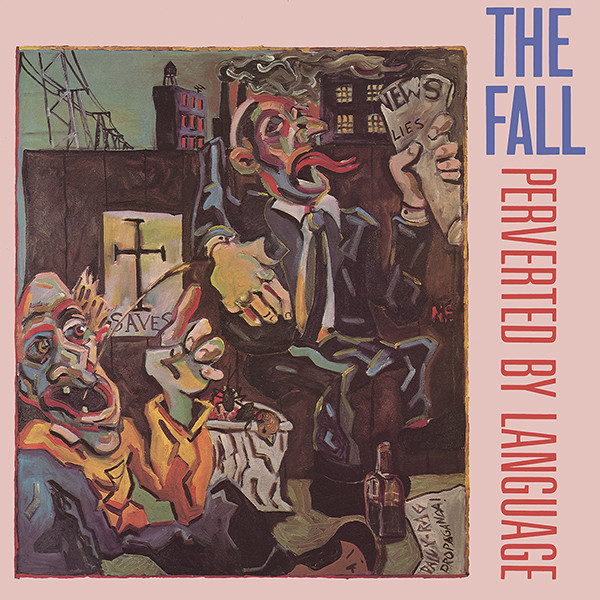
Perverted By Language
1983
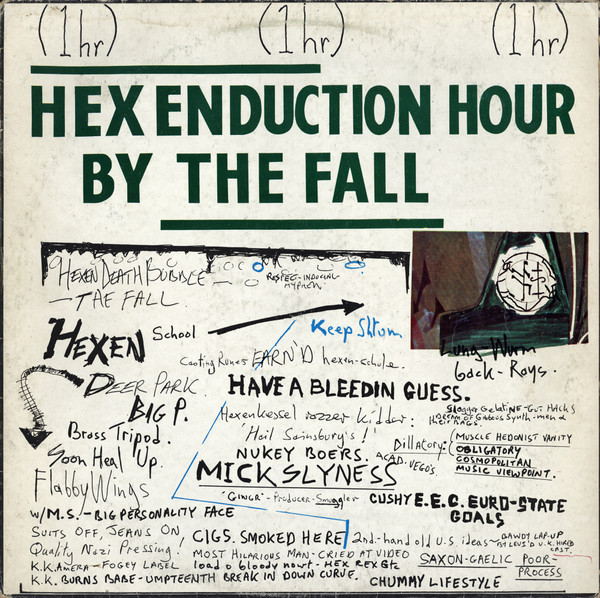
Hex Enduction Hour
1982
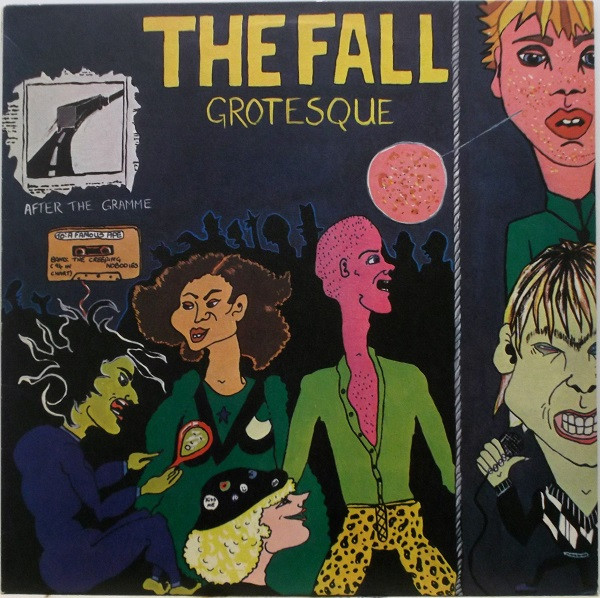
Grotesque (After The Gramme)
1980
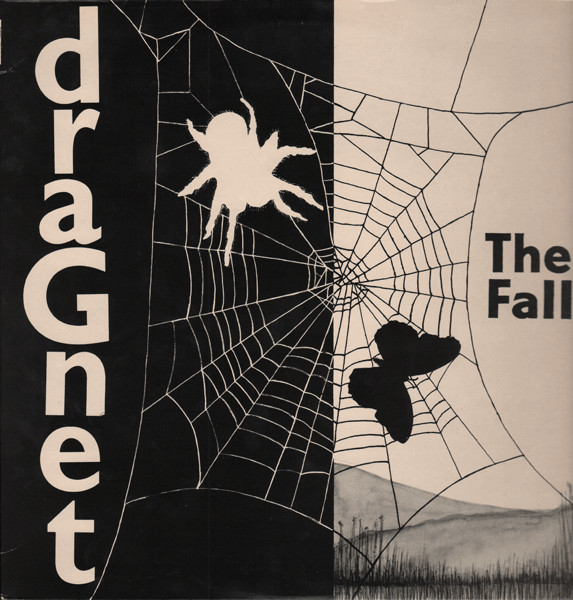
Dragnet
1979
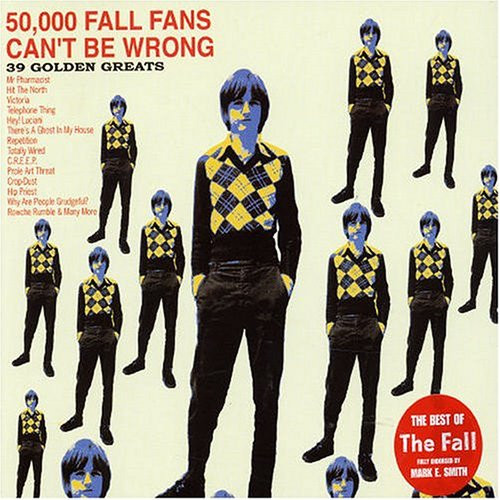
50,000 Fall Fans Can't Be Wrong (39 Golden Greats)
2004

Extricate
1990

I Am Kurious Oranj
1988

Bend Sinister
1986

Slates
1981
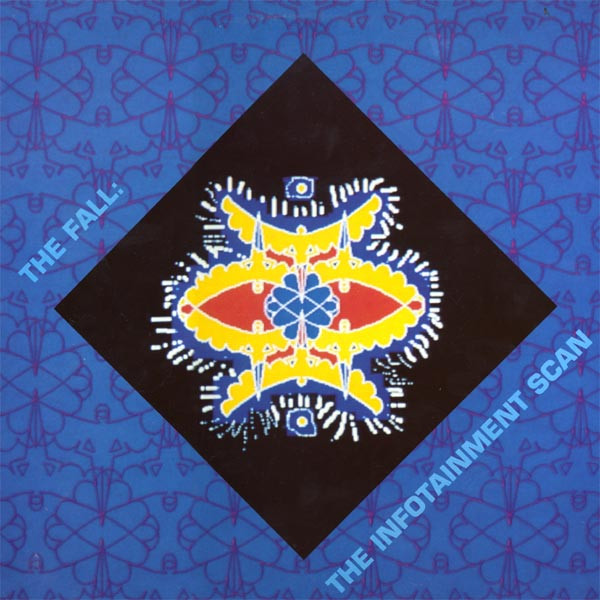
The Infotainment Scan
1993

458489 A Sides
1990
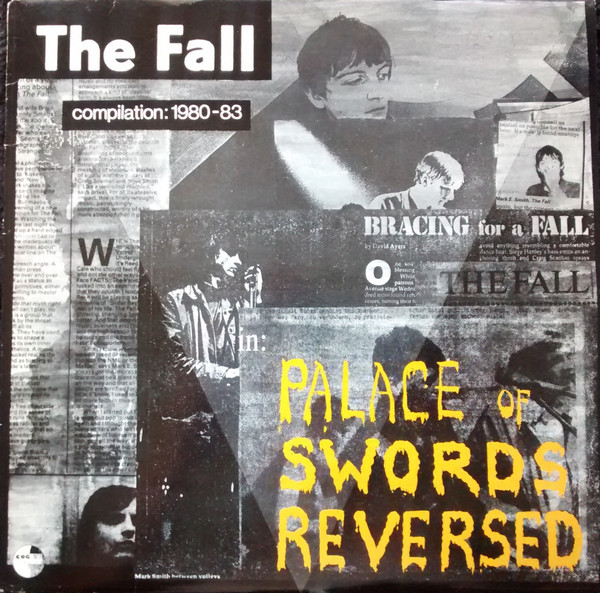
In: Palace Of Swords Reversed
1987
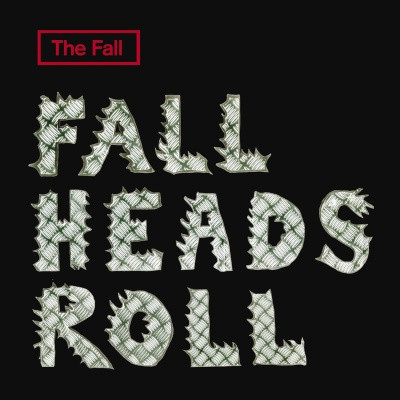
Fall Heads Roll
2005

Shift-Work
1991

The Frenz Experiment
1988

Room To Live
1982

Totale's Turns (It's Now Or Never)
1980

New Facts Emerge
2017

Wise Ol' Man
2016

The Complete Peel Sessions 1978 - 2004
2005

The Twenty-Seven Points
1995
Related artists
Around the web
Follow every record they touch.
Start your shelf and Gatefold tracks The Fall's new pressings, tour dates, and the whole discography — automatically.
Start your shelf →Free forever. Works with 10 records or 10,000.