
Artist
Electric Light Orchestra
British rock group
Birmingham, United Kingdom · 1970 – 2025
Electric Light Orchestra is a music group from Birmingham, United Kingdom, active 1970–2025. Their discography on Gatefold includes 24 records.
77
Albums tracked
743
In collections
1970
Since
Biography
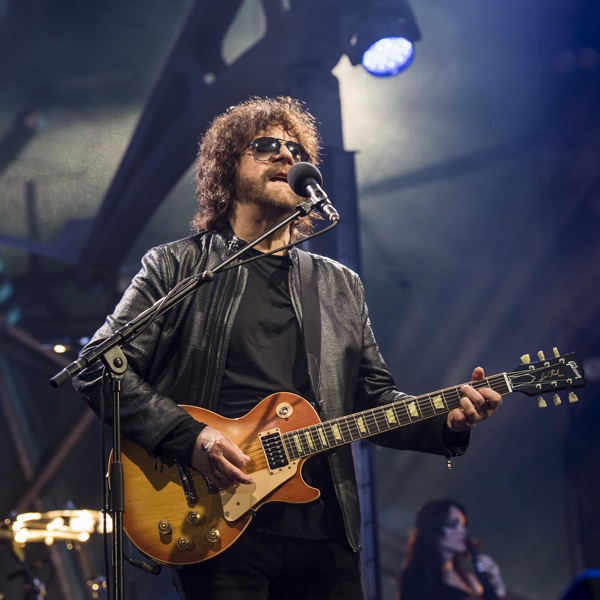
Roy Wood and Jeff Lynne started this whole mess because they wanted to pick up where 'I Am the Walrus' left off. They dragged cellos and violins into rock clubs and spent half the night fighting feedback because the technology literally didn't exist to amplify those instruments over a loud-ass drum kit yet. Wood bailed early to do Wizzard, leaving Lynne as the neurotic architect of a multi-track skyscraper. He wasn't just writing songs; he was building them piece by piece in the studio, burying his own vocals under layers of strings and synthesized compression until everything sounded like it was coming from a spaceship. By the late '70s, the band wasn't even a band anymore; it was a factory. Lynne was obsessed with the Gibson 335 and the way he could make it chug like a machine, eventually ditching the live string section for a Yamaha CS-80 synth. It turned into a high-gloss, disco-adjacent monster that sold millions of units while Lynne hid behind a perm and aviators, treating the studio as his only real home. It’s some of the most meticulously engineered pop music ever made, even if the later years felt like a man repeating himself in an empty hangar.
Bio from The Clerk
The Arc of Electric Light Orchestra
The pivots — what forced Electric Light Orchestra to reinvent.
The Baroque Brawl
Roy Wood was still in the driver's seat for the first record, leading a chaotic mix of woodwinds and distorted cellos that sounded more like a medieval riot than a pop group. The sessions were a nightmare of tuning issues and clashing egos, resulting in an avant-garde folk-rock hybrid that felt genuinely dangerous and unhinged. You hear the friction on '10538 Overture' where the strings aren't just backing tracks; they are the lead riff. Once Wood split for Wizzard, the weirdness stayed, but Lynne started cleaning up the wreckage to find the hooks.
The Munich Wall of Sound
Everything changed when the band moved into Musicland Studios in Munich to work with engineer Reinhold Mack. Mack hated the way Lynne recorded drums, so he pushed for a tighter, drier sound that defined the 'A New World Record' and 'Out of the Blue' era. This was the peak of Lynne’s 'building blocks' approach, where every snare hit was a separate track and every vocal harmony was doubled dozens of times. It’s the sound of absolute control, polished until it reflected the disco lights of the mid-70s.
The Silicon Shift
By 'Time' in 1981, Lynne got bored with the live string players and replaced the orchestra with the Roland Jupiter-8 and the Yamaha CS-80. The lineup shrank, the concept got sci-fi, and the acoustic textures were swapped for cold, shimmering electronics that anticipated the synth-pop wave. It wasn't about the 'Electric Light' anymore; it was about the computer. This era ditched the organic warmth for a claustrophobic, futuristic sheen that either works as a masterpiece or a cold-blooded pivot depending on who you ask.
Influences
- The Beatles — Lynne has stated on record that ELO was founded to continue the baroque-pop trajectory of 'Strawberry Fields Forever.' You hear it in the cellos on '10538 Overture' and the high-register vocal harmonies on 'Mr. Blue Sky.' They took the 'White Album' experiments and turned them into a career.
- Del Shannon — Lynne produced Shannon later on, but the influence dates back to the '60s and Shannon's use of the Musitron synthesizer on 'Runaway.' The high-octave vocal leaps and minor-key pop structures in ELO tracks like 'Showdown' are direct descendants of Shannon’s melodrama. It's the blueprint for the 'sad guy with a big hook' energy.
- Chuck Berry — ELO famously covered 'Roll Over Beethoven' on their second album, literally mashing up Berry's riff with Beethoven's Fifth Symphony. That specific blend of high-art pretension and three-chord rock and roll defines the first half of their discography. It kept the prog-rock leanings from floating away into total abstraction.
- The Move — The Move was the actual nursery for ELO, with Wood, Lynne, and Bevan all playing in the band simultaneously during the transition. Tracks like 'Brontosaurus' showed they were already experimenting with heavy, sludge-filled riffs and orchestral scale before the name change. It’s the bridge between 60s beat groups and 70s arena rock.
- The Bee Gees — Before the disco era, the Bee Gees were masters of the chamber-pop ballad, and Lynne was paying close attention to their mid-60s vocal layering. The lush, vibrato-heavy backing vocals on 'Eldorado' owe everything to the Gibb brothers' early work. It’s the foundation for Lynne's obsession with the 'perfect' vocal stack.
Discography
Their records — most-collected first.
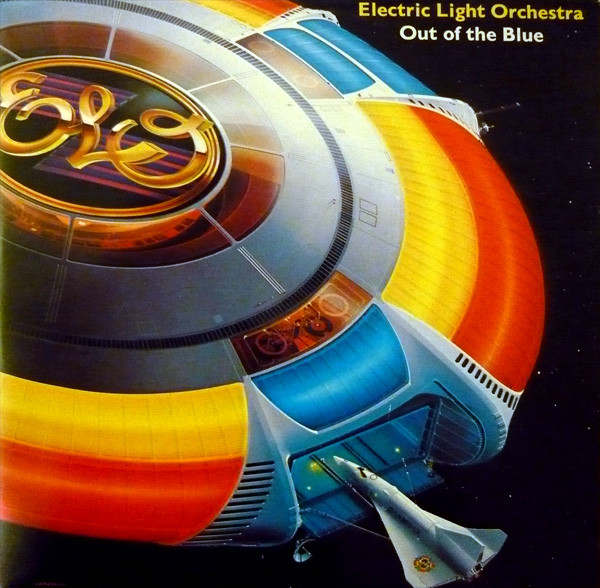
Out Of The Blue
1977

A New World Record
1976
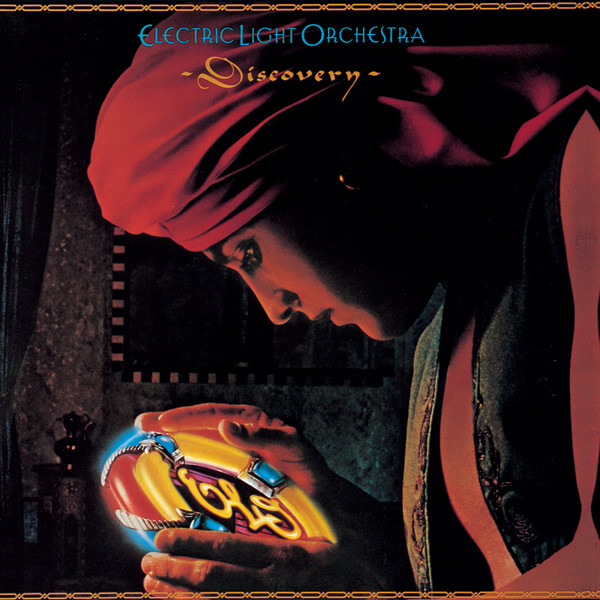
Discovery
1979
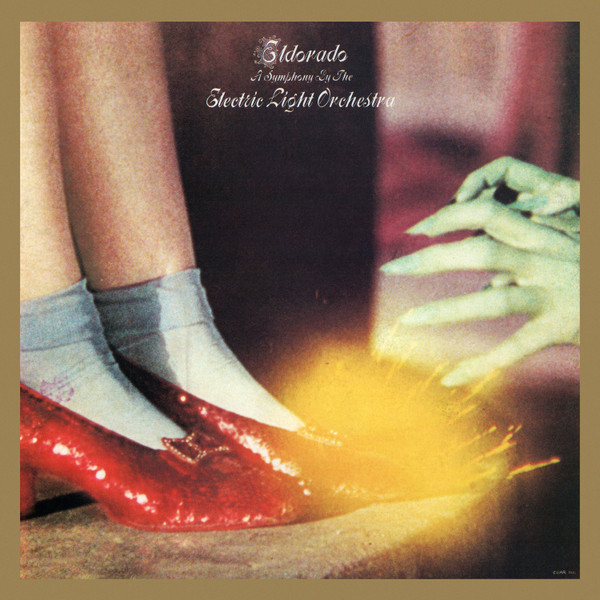
Eldorado - A Symphony By The Electric Light Orchestra
1974
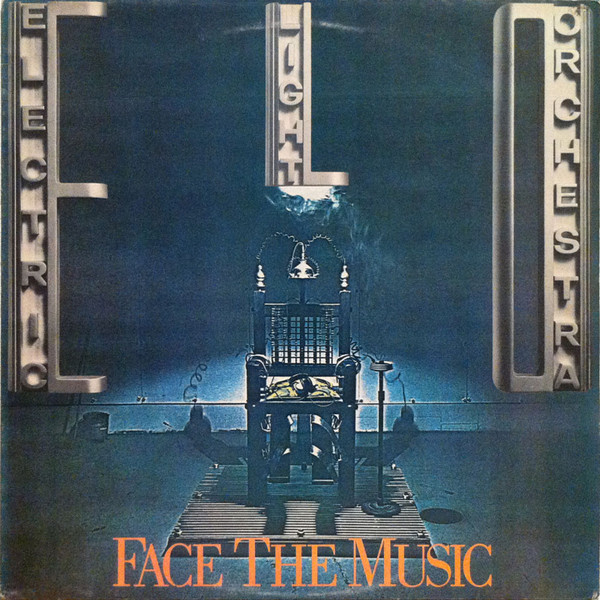
Face The Music
1975
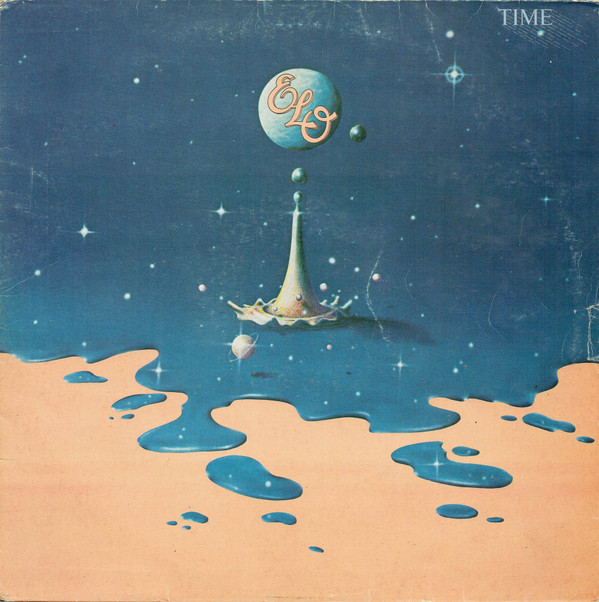
Time
1981
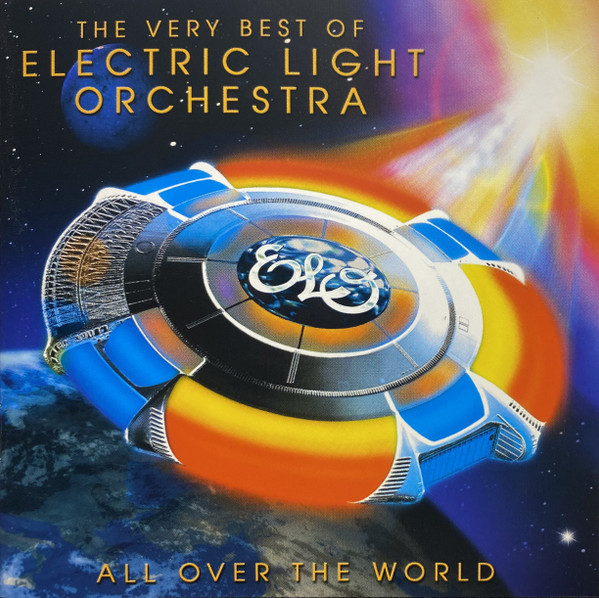
All Over The World - The Very Best Of Electric Light Orchestra
2005
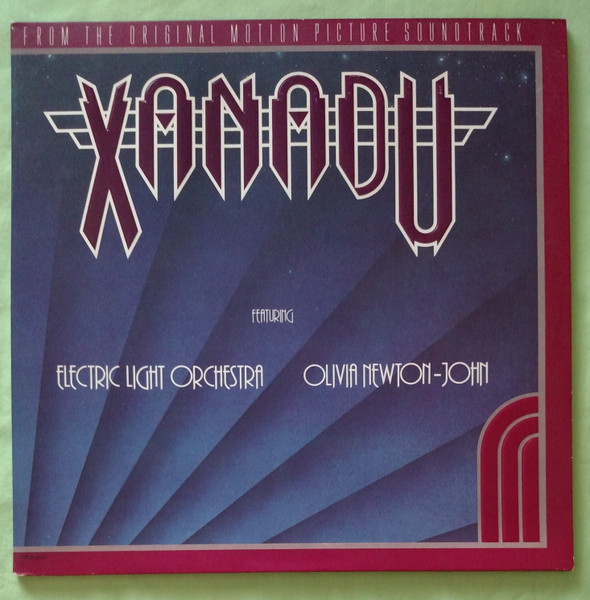
Xanadu (From The Original Motion Picture Soundtrack)
1980
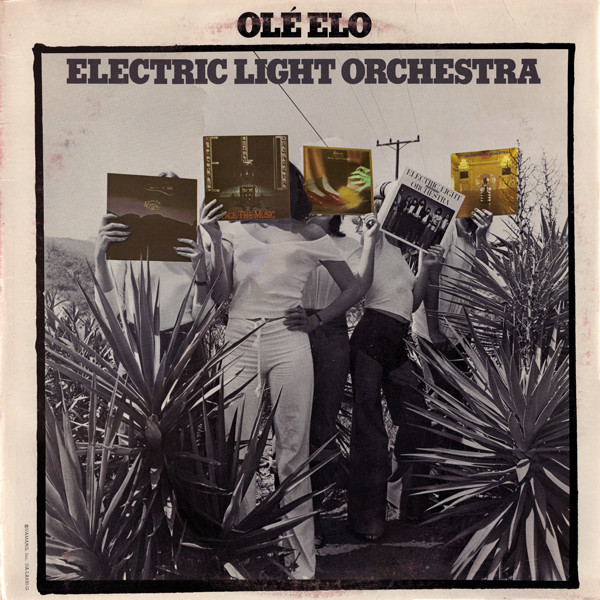
Olé ELO
1976
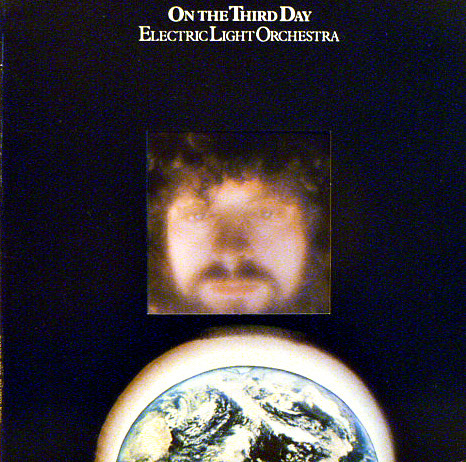
On The Third Day
1973
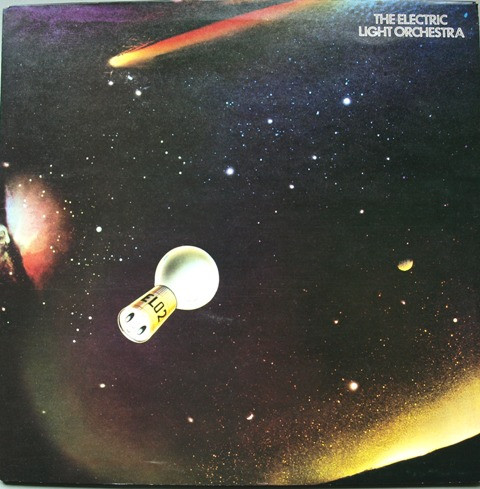
ELO 2
1973

The Electric Light Orchestra
1971
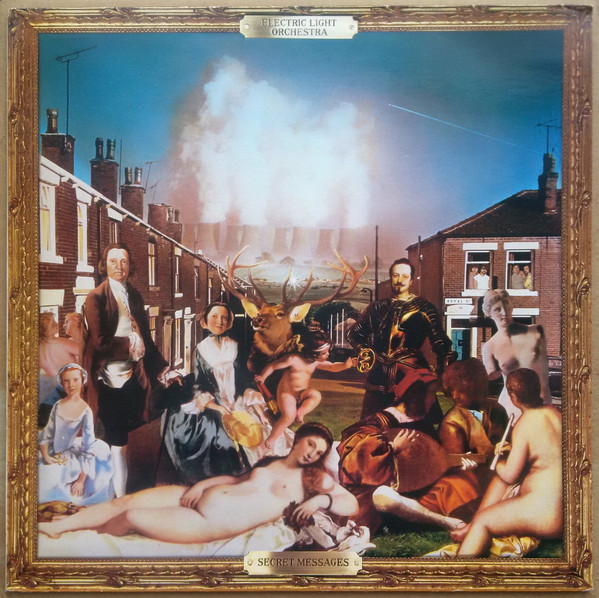
Secret Messages
1983
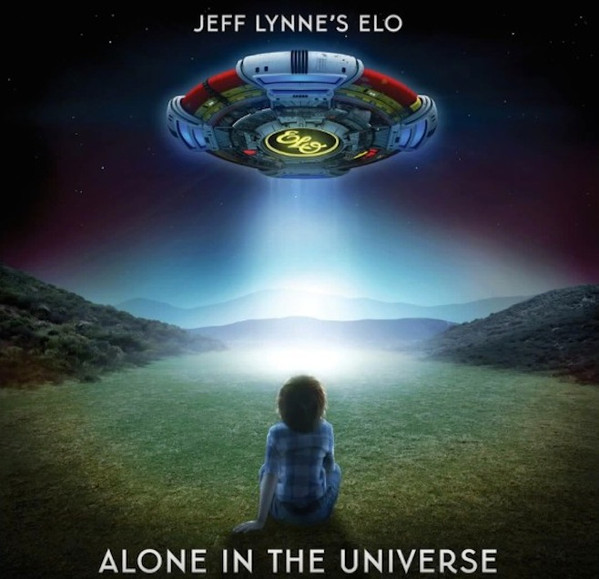
Alone In The Universe
2015
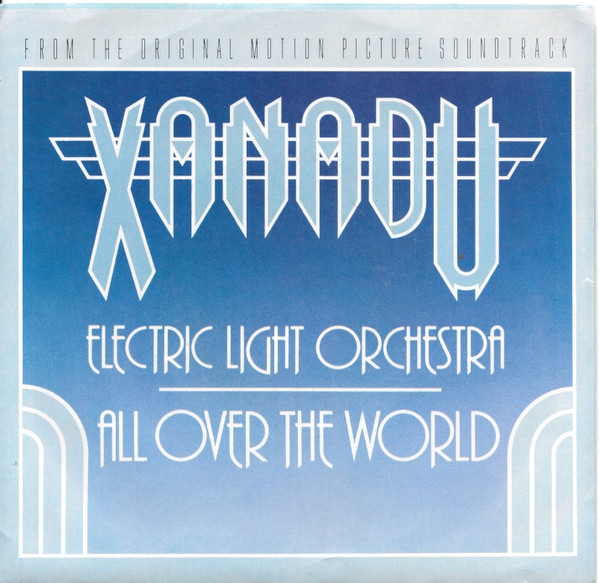
All Over The World
1980
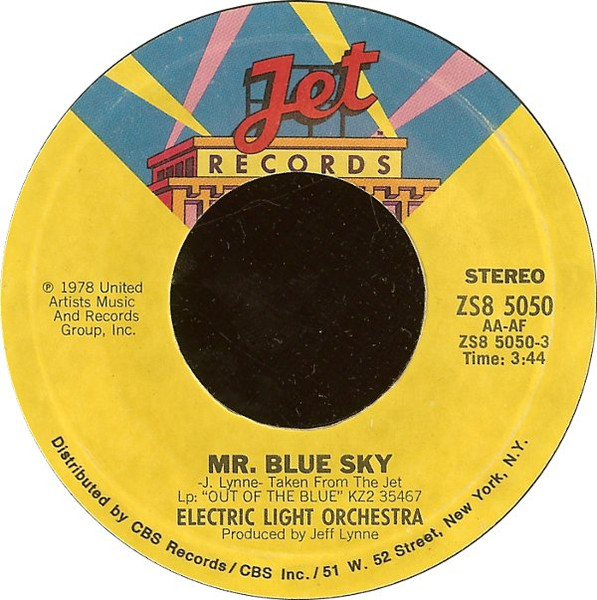
Mr. Blue Sky
1977
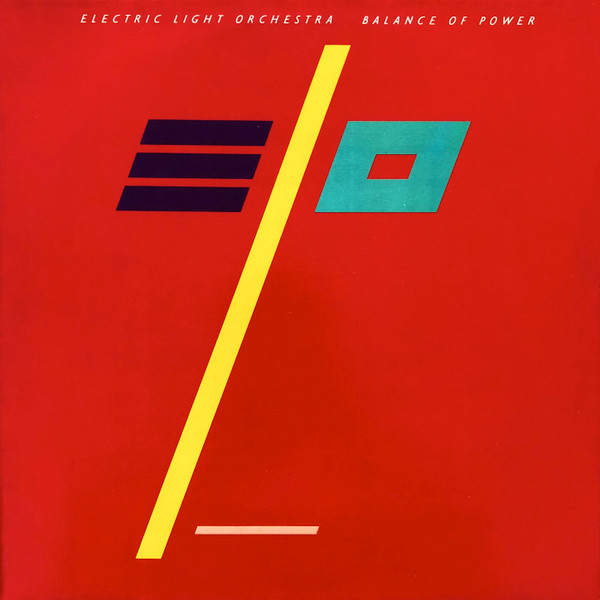
Balance Of Power
1986

Telephone Line / Poorboy (The Greenwood)
1976
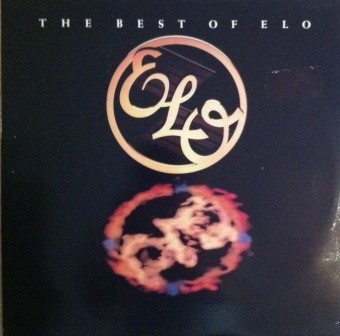
The Best Of ELO
1981
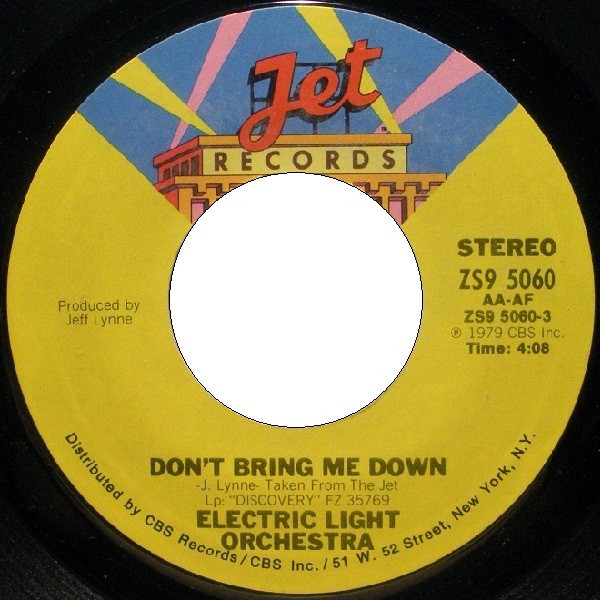
Don't Bring Me Down
1979
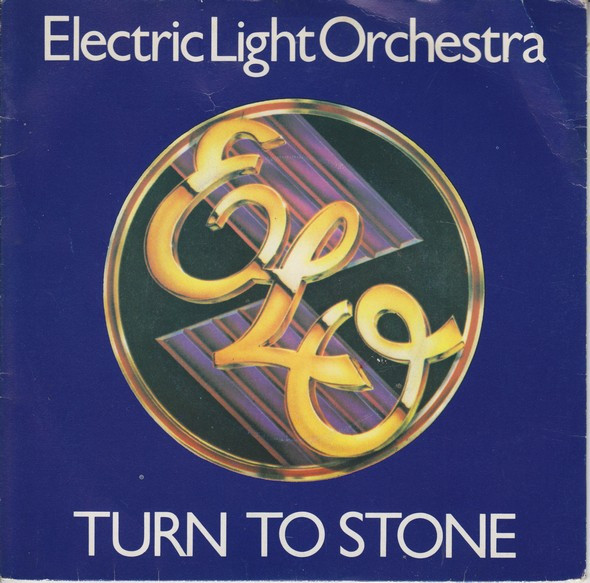
Turn To Stone
1977
Livin' Thing / Ma-Ma-Ma Belle
1976

Evil Woman
1975

From Out Of Nowhere
2019
Related artists
Members
Frequent collaborators
Around the web
Follow every record they touch.
Start your shelf and Gatefold tracks Electric Light Orchestra's new pressings, tour dates, and the whole discography — automatically.
Start your shelf →Free forever. Works with 10 records or 10,000.