
Artist
The Dear Hunter
US prog rock band
Providence, United States · Formed 2005
The Dear Hunter is a music group from Providence, United States, active since 2005. Their discography on Gatefold includes 18 records.

18
Albums tracked
84
In collections
2005
Since
Biography
Casey Crescenzo got kicked out of The Receiving End of Sirens and immediately locked himself away to track an absurdly ambitious multi-album concept about a fictional 20th-century antihero. Most post-hardcore castaways start a lazy indie side gig, but Crescenzo went the opposite direction: full-bore orchestrations, vaudeville transitions, and multi-track vocal arrangements cut in bedroom setups with whatever gear he could scrape together. The sheer theatricality caught Triple Crown Records off guard, turning a supposed solo demo tape into a sprawling, rotating collective. What kept them from turning into pure theater-kid indulgence was Crescenzo's relentless ear for melodic hooks and dynamic rock dynamics. Between the labyrinthine conceptual narratives, the band pulled off a nine-EP conceptual color experiment, walked away from high-concept storytelling entirely for a tight pop-rock record, and then returned to finish the Acts with full symphonic arrangements. It is obsessive, high-friction rock that refuses to trim the fat.
Bio from The Clerk
The Arc of The Dear Hunter
The pivots — what forced The Dear Hunter to reinvent.
The Early Acts Trilogy
After splitting with The Receiving End of Sirens, Casey Crescenzo launched a six-part narrative cycle, tracking Act I through Act III between 2006 and 2009. The arrangements rapidly expanded from scrappy home recordings to massive, cinematic post-hardcore epics filled with pump organs, woodwinds, and World War I battle themes. Act III: Life and Death showed the strain of pushing narrative rock to its breaking point, forcing Crescenzo to hit pause on the story before the band burned out entirely.
The Color Spectrum Experiment
Burnt out on linear narratives, the band retreated to an old studio space in 2010 to record nine four-track EPs, each interpreting a color of the visible spectrum through a distinct sonic identity. From industrial distortion on Black to stripped-down acoustic picking on Green and synth-pop on Indigo, the project forced the core group of Crescenzo, Nick Sollecito, and Nick Crescenzo into radically unfamiliar production modes. The 36-track box set established the band as restless studio chameleons rather than a one-trick prog act.
Stripping the Concept for Migrant
Signed to Equal Vision, the band ditched characters, costumes, and fictional universes to cut 2013's Migrant as a straightforward collection of personal songwriting. Producer Mike Watts helped rein in the sprawling ten-minute compositions into focused, piano-driven alternative rock that prioritized direct vocal hooks over thematic motifs. It alienated the diehard lore obsessives, but it proved Crescenzo could write a devastating hook without hiding behind a protagonist.
Symphonic Culmination and Sci-Fi Worldbuilding
Crescenzo returned to his original saga with 2015's Act IV and 2016's Act V, utilizing the Awesöme Orchestra to deliver full orchestral scores beneath complex prog-rock arrangements. With the original story finished, the lineup integrated keyboardist Gavin Castleton and pivoted directly into a dystopian funk-prog sci-fi universe for 2022's Antimai. The guitars took a backseat to syncopated horn sections, polyrhythms, and sprawling worldbuilding.
Influences
- Queen — Crescenzo has frequently cited Queen as the bedrock for his approach to stacked vocal harmonies and dramatic, multi-suite song architecture. You hear Freddie Mercury and Brian May all over the dense backing vocal walls on Act II and the glam swagger of 'Smiling Swine'. It gave them permission to throw operatic grandeur right into the middle of a rock record.
- The Beach Boys — The vocal layering across The Dear Hunter's catalog traces straight back to Brian Wilson's Pet Sounds era. The lush, intricate vocal counterpoint on tracks like 'Where the Road Parts' and the entire Yellow EP reflects Wilson's specific chord voicings and pocket-symphony structure. It is the secret weapon that keeps their prog arrangements melodic instead of sterile.
- The Beatles — Crescenzo consistently points to Abbey Road as the ultimate playbook for sequencing and episodic song transitions. The medley-like structure of Act II and Act IV—where short motifs repeat and dissolve across tracks—is lifted straight from Side B of the Fab Four's 1969 record. It taught them how to weave separate songs into a single continuous piece of music.
- The Mars Volta — When post-hardcore mutated in the mid-2000s, Omar Rodríguez-López and Cedric Bixler-Zavala established the modern template for combining Latin syncopation with conceptual prog assault. The Dear Hunter toured the same heavy scenes and absorbed that frenetic, narrative-heavy drive into their earliest recorded material. You can hear that direct, chaotic guitar energy driving the heaviest passages of Act I and Act III.
- Burt Bacharach — Behind the heavy guitars, Crescenzo is an unabashed disciple of traditional mid-century orchestral pop and complex chord extensions. The horn arrangements, lounge textures, and sudden time signature shifts on Migrant and the White EP pull directly from Bacharach's easy-listening playbook. It gave the band a sophisticated harmonic palette far outside standard alternative rock.
Discography
Their records — most-collected first.
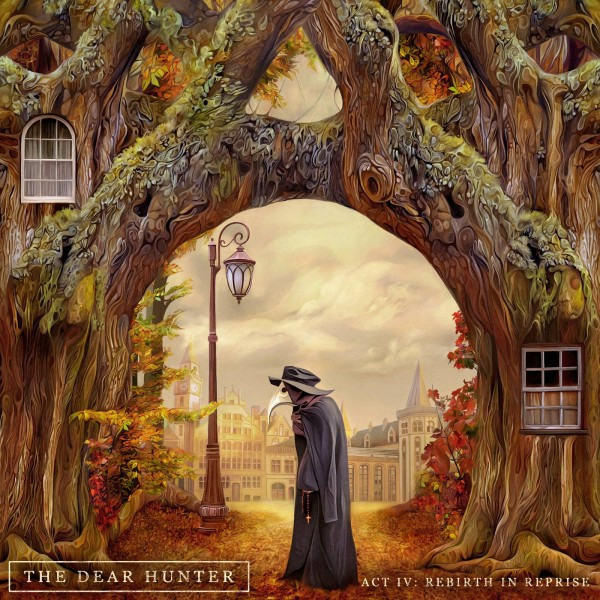
Act IV: Rebirth In Reprise
2015
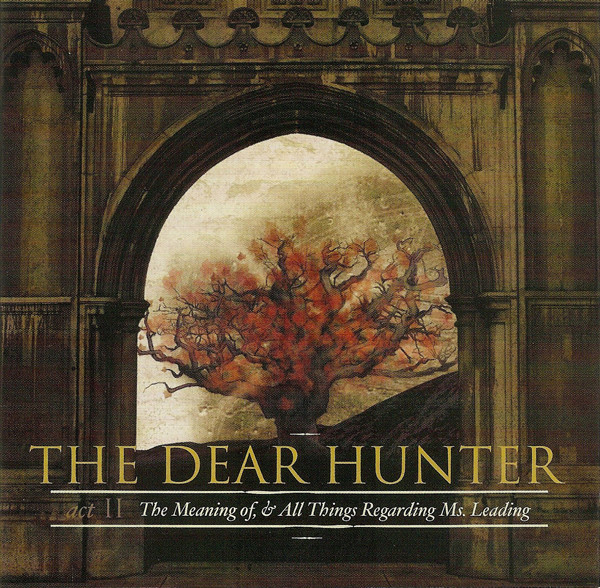
Act II: The Meaning Of, & All Things Regarding Ms. Leading
2007

Sunya
2026

Act V: Hymns With the Devil in Confessional
2016

Act III: Life And Death
2009
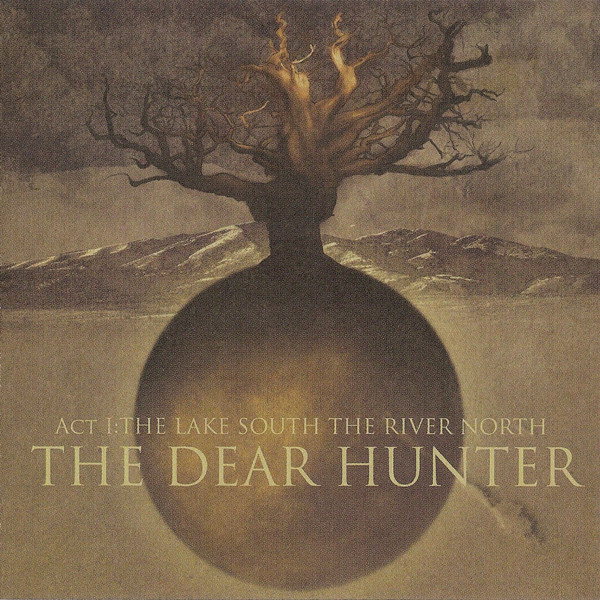
Act I: The Lake South, The River North
2006

Antimai
2022
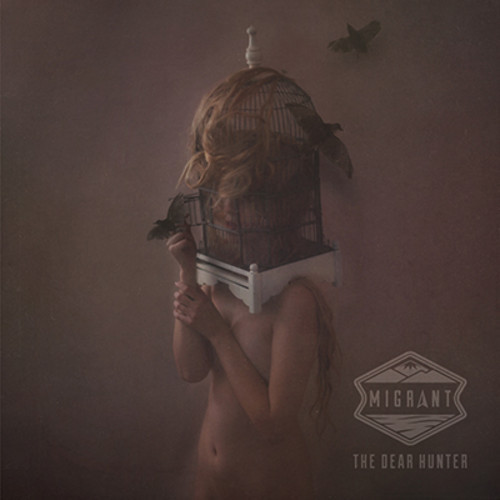
Migrant
2013
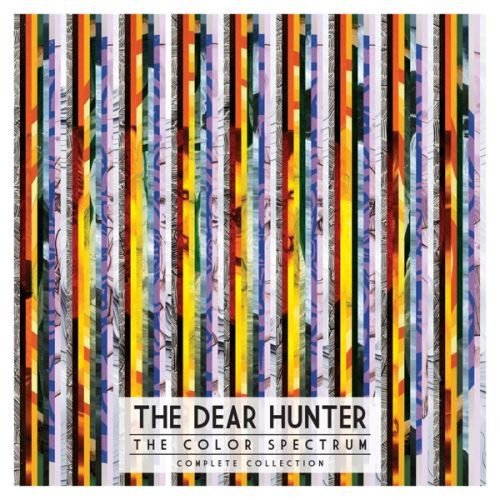
The Color Spectrum Complete Collection
2011

Migrant Returned
2023

North American EP
2025

The Indigo Child
2021

All Is As All Should Be
2017

North American Tour 2023 - Soundtrack
2025

Act II: The Meaning Of, & All Things Regarding Ms. Leading (Live From Seattle, WA)
2024

Act I: The Lake South, The River North (Live From Seattle, WA)
2023

The Color Spectrum
2011
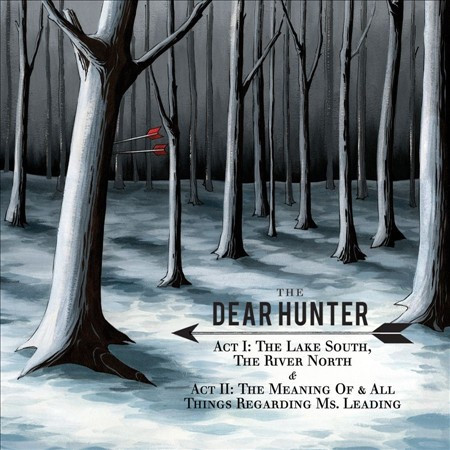
Act I: The Lake South, The River North & Act II: The Meaning Of, And All Things Regarding Ms. Leading
2010
Related artists
Around the web
Follow every record they touch.
Start your shelf and Gatefold tracks The Dear Hunter's new pressings, tour dates, and the whole discography — automatically.
Start your shelf →Free forever. Works with 10 records or 10,000.