
Artist
The Dead Milkmen
Philadelphia, United States · Formed 1979
The Dead Milkmen is a music group from Philadelphia, United States, active since 1979. Their discography on Gatefold includes 15 records.

15
Albums tracked
91
In collections
1979
Since
Biography
Joe Jack Talcum didn't even have a real guitar when he started writing songs—he was banging out tunes on a four-string acoustic he found in his parents' basement. That dinky, hollow sound became the backbone of the Philly scene's weirdest success story. They weren't a hardcore band and they weren't quite college rock; they were just four guys who realized that a cheap Casio keyboard and a sense of humor could be a lethal weapon against the self-serious posers of the 80s punk underground. By the time Enigma Records pushed them toward a slicker sound in the late 80s, the charm started to strain under the weight of better production and bigger budgets. They were at their best when they sounded like they were recording in a garage with a single mic, capturing the frantic energy of Rodney Anonymous yelling about conspiracy theories and regional oddities. When Dave Blood left the planet in 2004, the heart of that original, chaotic rumble went with him, but the band’s later-day resurrection proves that the satirical bite hasn't dulled with age—it just got more cynical.
Bio from The Clerk
The Arc of The Dead Milkmen
The pivots — what forced The Dead Milkmen to reinvent.
The Bedroom Tapes
Before the studio albums existed, the band self-produced a massive run of cassette-only releases like 'Music for the Mindless' that established their internal mythology. These tapes were captured on basic home gear and distributed through a DIY network that treated the band more like a secret society than a touring act. You can hear the skeletal, lo-fi origins of their biggest hits buried in these early experiments, where the lack of an engineer meant the sarcasm was the loudest thing in the mix.
The Big Lizard Breakthrough
When they finally tracked 'Big Lizard in My Backyard' at Philly’s Third Story Recording, they maintained the jangly, brittle aesthetic that set them apart from the era's heavy-hitters. The record cost next to nothing to make and turned the band into accidental MTV stars, forcing a group of snarky outsiders into the mainstream spotlight. The production is thin and frantic, reflecting a band that was more interested in the punchline than the fidelity.
The Slicker Years
Moving to Enigma Records for 'Bucky Fellini' and 'Beelzebubba' brought in professional polish that the band actively fought against with increasingly bizarre lyrical pivots. Producers tried to smooth out the edges, but the band responded by leaning into synthesizers and sample-heavy tracks like 'Instant Club Hit.' This era represents a tug-of-war between commercial accessibility and the band's inherent need to mock the very industry they were currently inhabiting.
The Post-Restoration Era
After a long hiatus and the tragic loss of Dave Blood, the band returned with 'The King in Yellow' featuring Dandrew on bass. The DIY spirit returned but with a darker, more sophisticated edge that swapped out adolescent pranks for political vitriol and Lovecraftian dread. The recordings are cleaner than the early cassettes but retain the jagged, unpolished energy of a band that no longer has anything to prove to the charts.
Influences
- The Residents — The Milkmen openly cited these San Francisco avant-gardists as a blueprint for their anonymity and conceptual absurdity. You hear it in the weird vocal character shifts and the way they prioritize a bizarre concept over traditional song structure. It’s the art-school weirdness minus the giant eyeballs.
- Television Personalities — Dan Treacy’s shambolic, hyper-British jangle-pop was a direct influence on Joe Jack Talcum’s songwriting style. The DNA of the Milkmen’s 'funny-but-sad' vibe comes straight from this specific brand of messy, earnest post-punk. It's the sound of a garage band that knows its own limitations and uses them as a hook.
- Jonathan Richman — The band has repeatedly shouted out the Modern Lovers frontman for his ability to write about mundane topics with childlike intensity. The way Rodney Anonymous delivers a line about a car or a shopping mall mirrors Richman's deadpan, un-cool sincerity. Without 'Pablo Picasso,' you don't get 'Bitchin' Camaro.'
- Sex Pistols — Rodney Anonymous has credited seeing the Pistols as the moment he realized you didn't need to be a virtuoso to front a band. That sneering, confrontational attitude is baked into their early live performances. It’s the classic punk catalyst: the realization that any idiot can, and should, get on stage.
- The B-52's — The early Milkmen sound carries the same frantic, danceable party-rock energy found on the B-52's self-titled debut. They shared a love for kitschy Americana and surf-inspired guitar riffs that cut through the gloom of the early 80s. Both bands took the aesthetic of a thrift store and turned it into a sonic identity.
Discography
Their records — most-collected first.
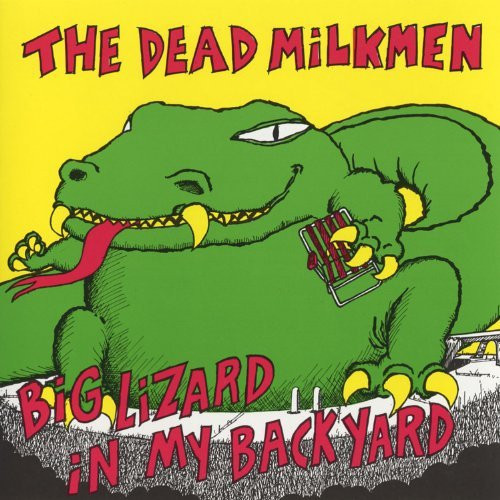
Big Lizard In My Backyard
1985
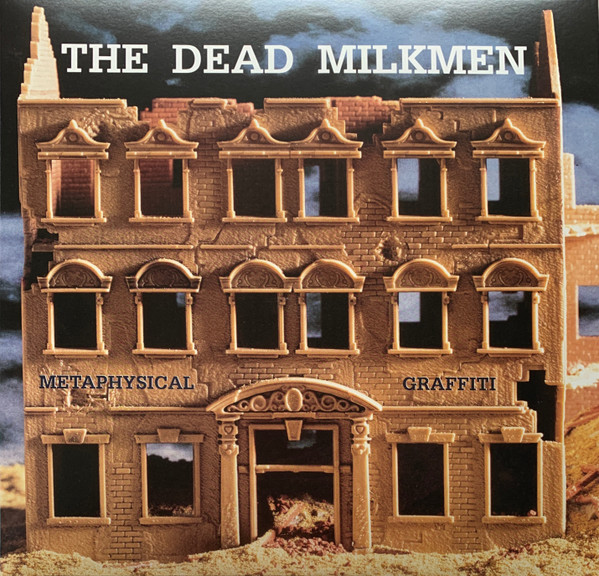
Metaphysical Graffiti
1990
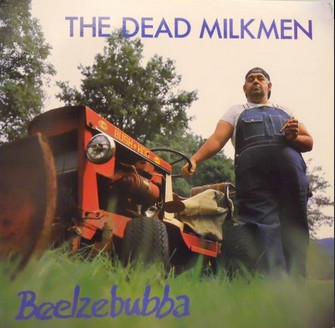
Beelzebubba
1988
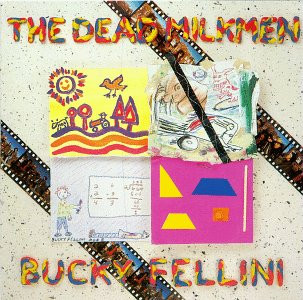
Bucky Fellini
1987

Quaker City Quiet Pills
2023

Instant Club Hit (You'll Dance To Anything)
1987

Eat Your Paisley
1986

Welcome To The End Of The World
2017

Pretty Music For Pretty Special People
2014

Stoney's Extra Stout Pig
1995
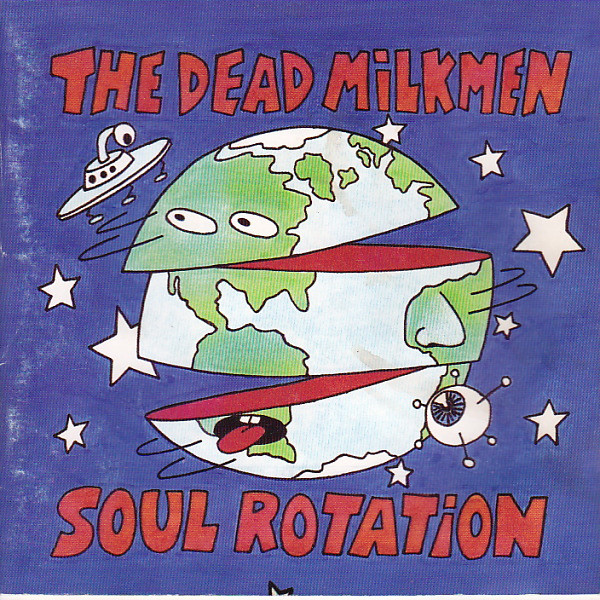
Soul Rotation
1992

Smokin' Banana Peels
1989

The King In Yellow
2011

Chaos Rules: Live At The Trocadero
1994

Not Richard, But Dick
1993
Related artists
Around the web
Follow every record they touch.
Start your shelf and Gatefold tracks The Dead Milkmen's new pressings, tour dates, and the whole discography — automatically.
Start your shelf →Free forever. Works with 10 records or 10,000.