
Artist
The Cars
Boston, United States · 1976 – 1988
The Cars is a music group from Boston, United States, active 1976–1988. Their discography on Gatefold includes 22 records.

22
Albums tracked
711
In collections
1976
Since
Biography
Roy Thomas Baker had just finished making Queen sound like a million-dollar cathedral when he walked into AIR Studios with five guys from Boston who looked like they’d never seen the sun. He didn't just record them—he polished Ric Ocasek’s neurotic sketches into chrome-plated radio missiles. The debut is essentially a Greatest Hits record disguised as a first album. It’s got the precision of a German car and the sleaze of a late-night dive bar. They were the only band that could bridge the gap between the leather-jacket punks at CBGB and the suburban kids who just wanted something to blast in a Camaro. Ocasek was a weirdo writing pop songs about being a weirdo, and Benjamin Orr had the voice of a classic rock god to sell the hooks. By the time they hit the mid-80s, the synths started to eat the guitars and Mutt Lange turned them into a digital fever dream. It was brilliant until it wasn't. Door to Door felt like a band checking out of a hotel they’d already burned down.
Bio from The Clerk
The Arc of The Cars
The pivots — what forced The Cars to reinvent.
The RTB Polish
Moving from the Boston club circuit to working with Roy Thomas Baker for the first two records changed everything about their weight. Baker brought the multi-tracked vocal stacks and the dry, hyper-compressed drum sound that made The Cars and Candy-O sound like they were coming from five years in the future. You can hear it in the way Elliot Easton’s solos are tucked perfectly into the mix without ever stepping on the synth lines. It was a masterclass in economy where every note was audited for maximum impact.
The Experimental Left Turn
Panorama was the sound of Ric Ocasek getting bored with being a pop star and leaning into his art-rock impulses. The hooks got jagged, the tempos got weird, and the mood shifted from neon-lit parties to cold, gray rooms. David Robinson started using more electronic percussion, moving away from the swing of the first two records toward something more robotic and detached. It didn't sell like the debut, but it proved they weren't just a jingle machine for Elektra Records.
The Mutt Lange Digital Overhaul
For Heartbeat City, they brought in Mutt Lange, the man who had just turned Def Leppard into a global juggernaut with Pyromania. The session was a grueling exercise in perfectionism where every snare hit was sampled and every synth part was meticulously layered into a dense wall of sound. The result was a record that defined the mid-80s MTV aesthetic, trading the garage-rock grit for a sleek, expensive sheen. It's the peak of their commercial powers, even if the human element was starting to get lost in the Fairchild compressors.
Influences
- The Velvet Underground — Ocasek was obsessed with Lou Reed’s deadpan delivery and rhythmic simplicity, even covering 'White Light/White Heat' in his pre-Cars band, Milkwood. You hear it in his talk-singing style and the way he uses repetitive, drone-like guitar figures under pop melodies. It's the art-school DNA hidden under the radio hooks.
- Roxy Music — The blend of Brian Eno’s futuristic synth squalls and Bryan Ferry’s suave art-pop was the direct blueprint for Greg Hawkes’ role in the band. Hawkes used many of the same tools, like the Prophet-5, to add textured 'noise' to otherwise straight-ahead rock songs. Without Roxy, The Cars are just a power-pop band instead of a new wave blueprint.
- Buddy Holly — Ocasek frequently cited Holly as his primary melodic influence, specifically the 'hiccup' vocal style and the three-minute song structure. 'My Best Friend's Girl' is essentially a 1950s rockabilly track filtered through a 1970s synthesizer. The economy of Holly's songwriting is exactly why The Cars never wasted a single bar of music.
- The Modern Lovers — Jonathan Richman’s Boston scene-defining band featured drummer David Robinson before he joined The Cars. They provided the template for that nervous, stripped-down Massachusetts energy and the 'Roadrunner' beat. It’s the literal connective tissue between 60s garage rock and the 70s Boston sound.
- The Stooges — The band’s aggressive down-stroke guitar playing and Ocasek’s admiration for Iggy Pop’s raw minimalism kept them from drifting into soft rock territory. You hear that proto-punk bite in the opening riff of 'Just What I Needed.' They took the Stooges' grit and gave it a bath and a suit.
Discography
Their records — most-collected first.
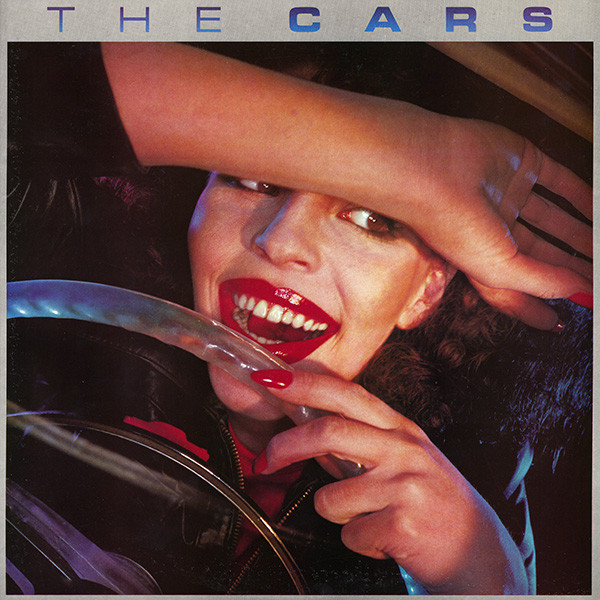
The Cars
1978
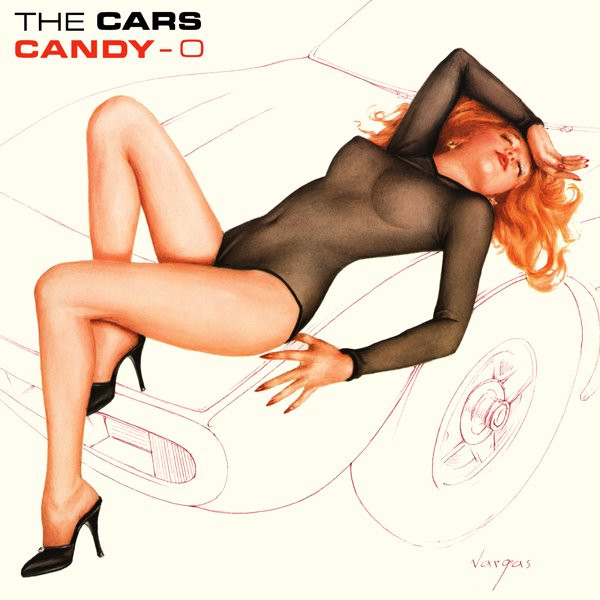
Candy-O
1979
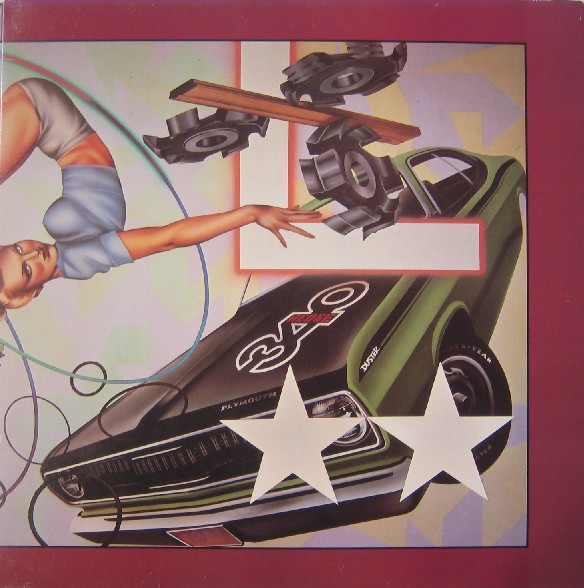
Heartbeat City
1984

The Cars Greatest Hits
1985
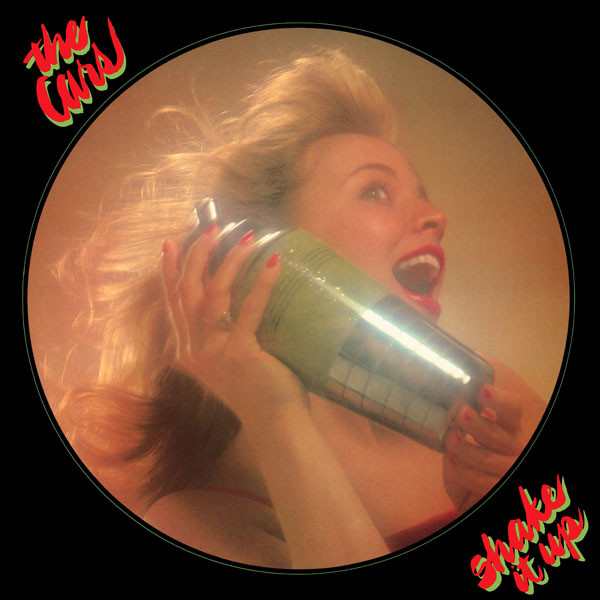
Shake It Up
1981
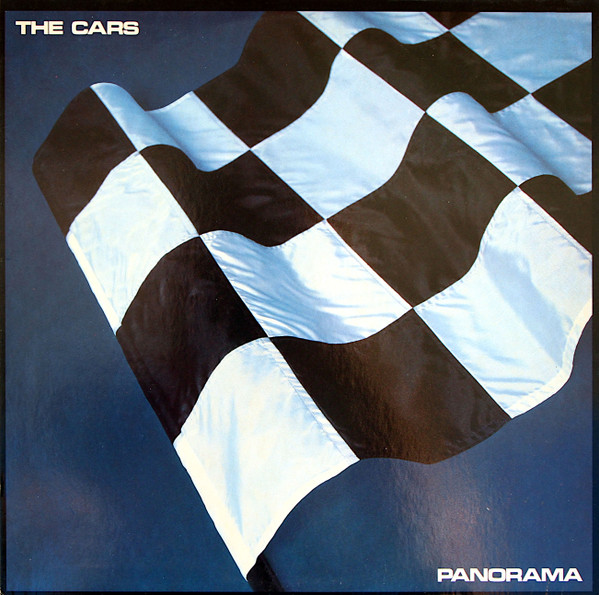
Panorama
1980
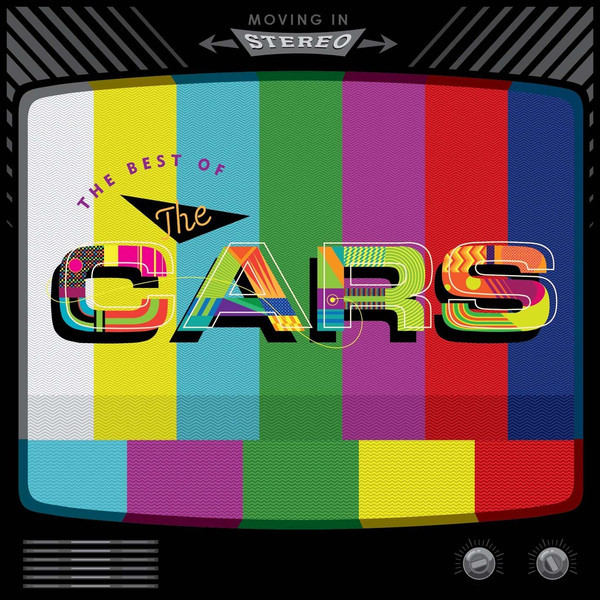
Moving In Stereo: The Best Of The Cars
2016
Complete Greatest Hits
2002
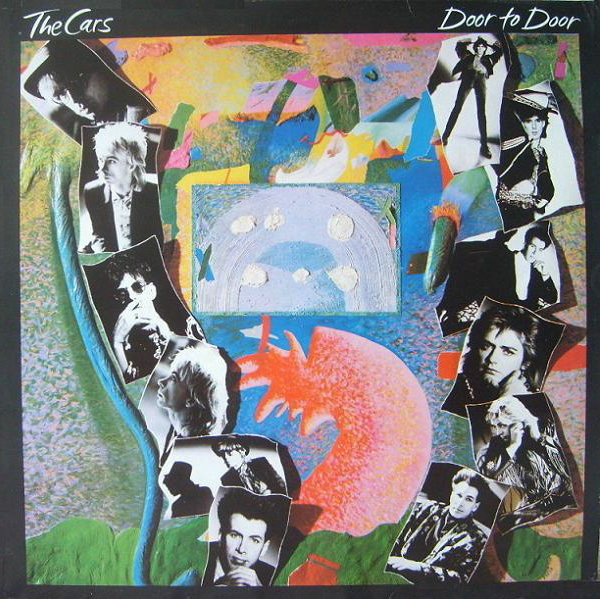
Door To Door
1987
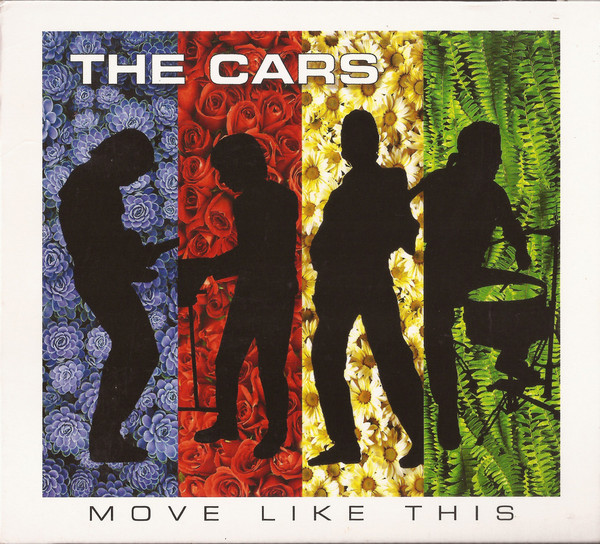
Move Like This
2011
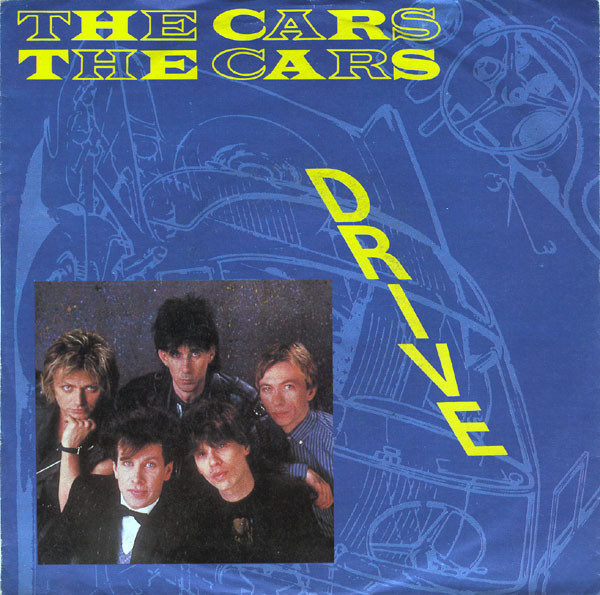
Drive
1984
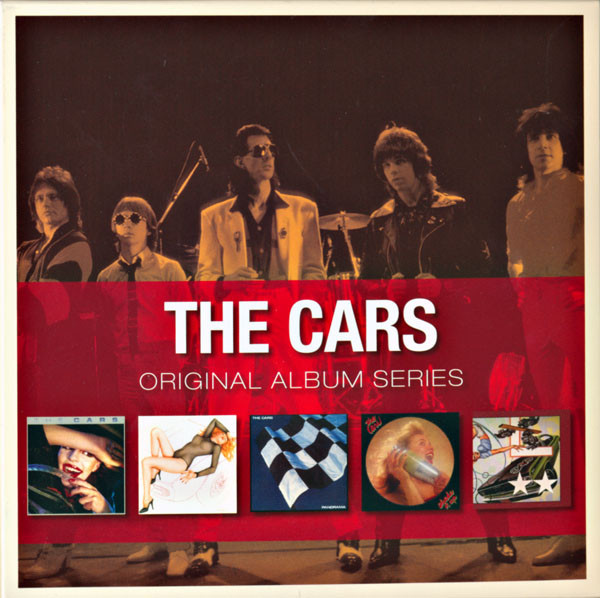
Original Album Series
2010
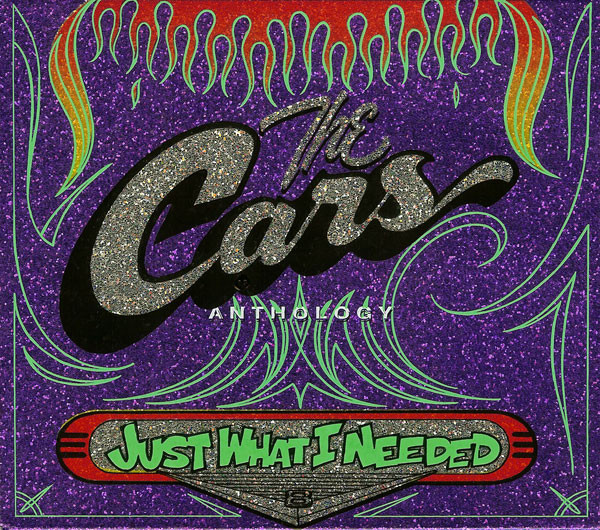
The Cars Anthology - Just What I Needed
1995
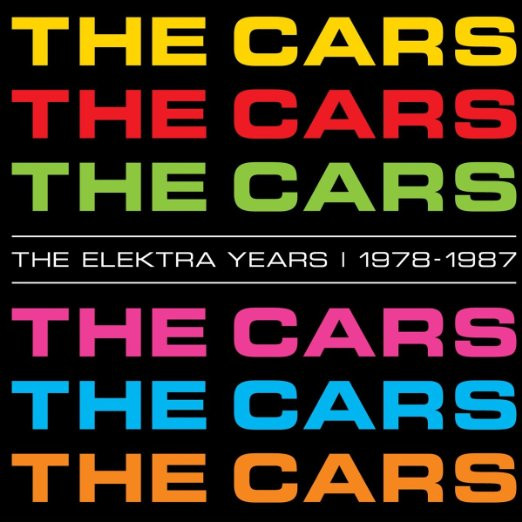
The Elektra Years 1978-1987
2016
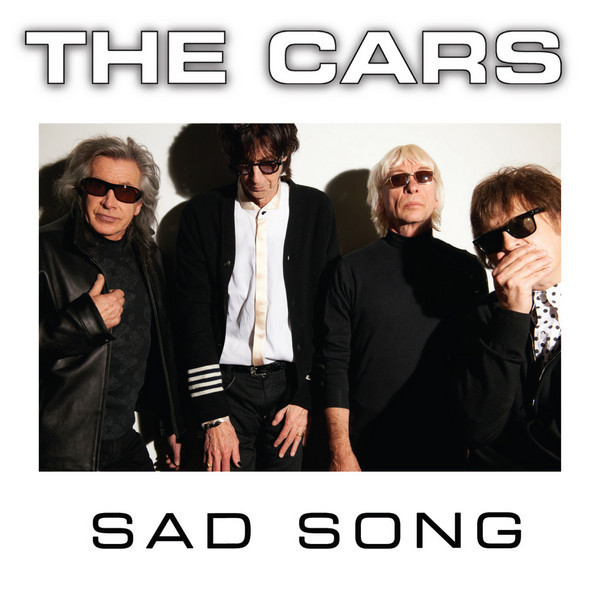
Sad Song
2011

Tonight She Comes
1985

You Might Think
1984
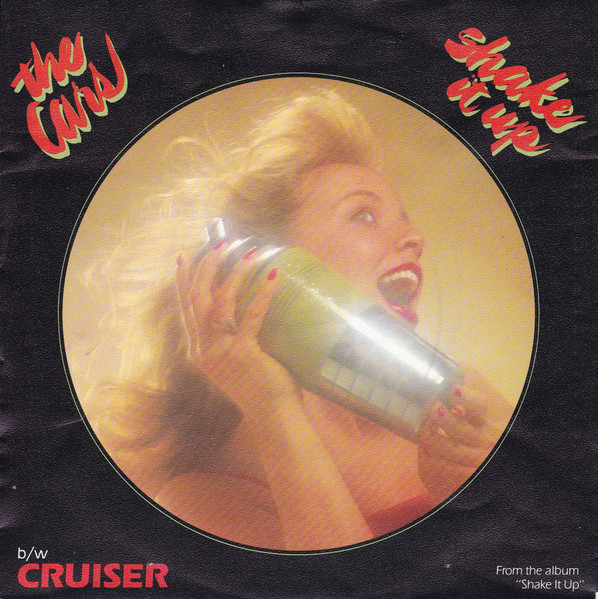
Shake It Up
1981

Heartbeat City Live
2026

Коллекция Альбомов 1978-1995
2001
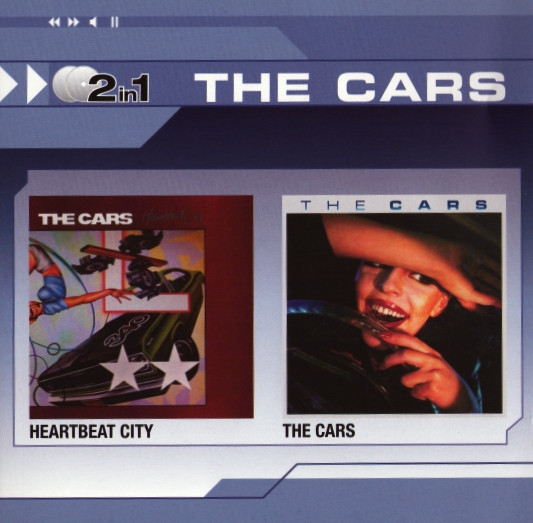
Heartbeat City
2008
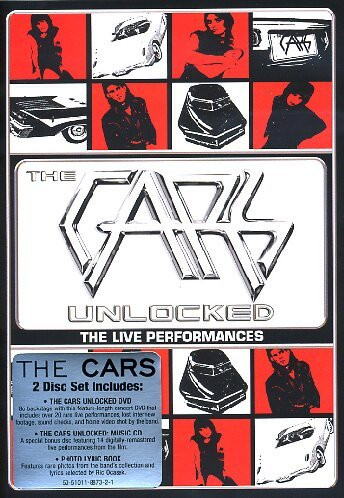
The Cars Unlocked: The Live Performances
2006
Related artists
Frequent collaborators
Around the web
Follow every record they touch.
Start your shelf and Gatefold tracks The Cars's new pressings, tour dates, and the whole discography — automatically.
Start your shelf →Free forever. Works with 10 records or 10,000.