
Artist
The Blue Nile
Glasgow, United Kingdom · Formed 1981
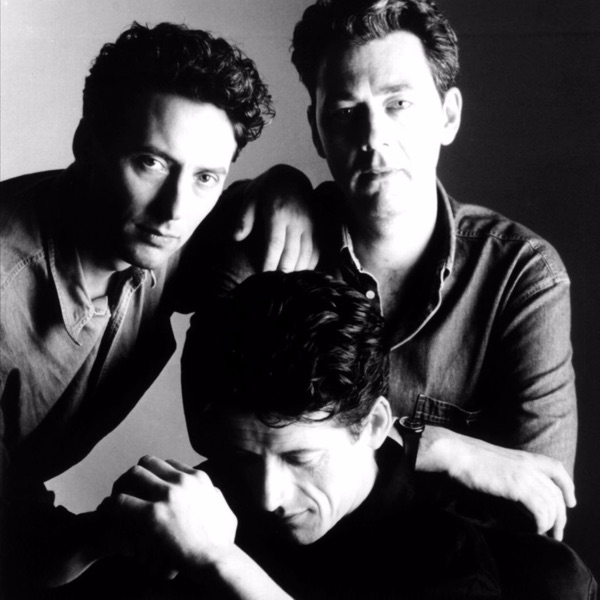
The Blue Nile is a music group from Glasgow, United Kingdom, active since 1981. Their discography on Gatefold includes 7 records.
7
Albums tracked
63
In collections
1981
Since
Biography
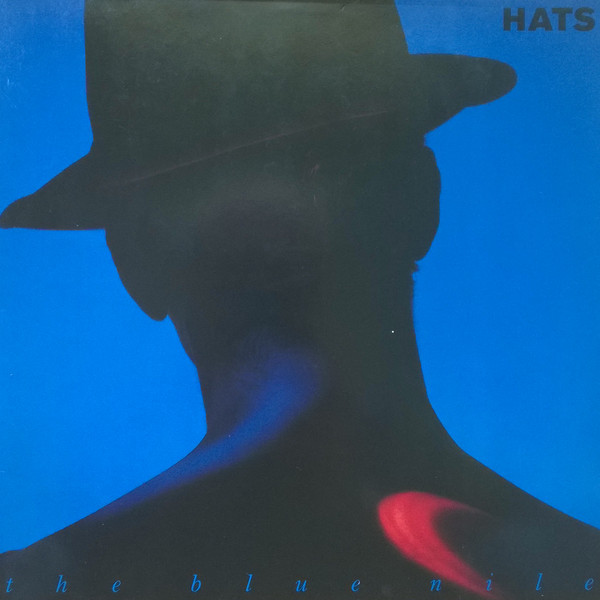
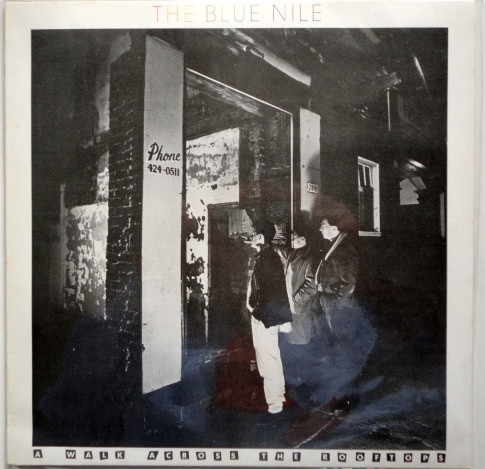
Linn Products—the high-end Scottish hi-fi company—handed a bag of cash to three Glasgow university graduates because they wanted a record to show off the dynamic range of their new turntable. Robert Bell, Paul Buchanan, and Paul Joseph Moore had no studio experience. They had a cheap Linn drum machine, some hired synthesizers, and zero interest in the prevailing post-punk racket of 1983. They spent months in a tiny room above a Glasgow drug store, obsessing over single snare hits and waiting for the rain to stop so they could record the ambient street noise outside. What they cut for Linn was a slow-motion miracle. A Walk Across the Rooftops and its agonizingly delayed follow-up, Hats, became the holy grail of late-night sophisti-pop. It is music made by three guys who treated silence like an instrument and synthesizers like acoustic chamber pieces. Buchanan sang like a man standing under a broken streetlamp at 3:00 AM, absolutely devastated by the weather. Then they spent the next two decades moving at the speed of continental drift, releasing only four albums in twenty-one years because they simply couldn't agree on when a song was finished. They eventually lost the plot when they tried to sound like a normal band. Switching from pristine electronic minimalism to acoustic guitars on Peace at Last felt like watching a master painter throw away his brushes to use charcoal. It was too conventional for a group that had spent the eighties redefining how much space you could leave empty in a pop song. They never quite got that sterile, late-night rain-slicked magic back. But those first two records remain the gold standard for late-night melancholy.
Bio from The Clerk
The Arc of The Blue Nile
The pivots — what forced The Blue Nile to reinvent.
The Linn Hi-Fi Commission
Linn Records basically funded the debut album as a tech demo for their turntables, giving the band total freedom at Castlesound Studios. Buchanan and Bell worked with engineer Calum Malcolm, strip-mining the songs of any traditional rock elements to make room for synthesizer washes and sparse percussion. You hear this on 'Tinseltown in the Rain,' where the bassline and a single scratchy guitar carry the entire rhythm because they refused to use a standard drum kit. It turned a hi-fi test record into a masterpiece of minimal urban soul.
The Two-Year Breakdown
By 1987, Virgin Records demanded a follow-up, but the band sank into a paralyzing creative block that almost destroyed them. They spent two years in Edinburgh, throwing away entire albums of material because the songs felt too forced or too busy. When Hats finally emerged in 1989, it was even slower, sparser, and more synthesizer-heavy than the debut. The record is a triumph of sheer exhaustion, defined by the glowing, synthetic brass chords of 'The Downtown Lights' and Buchanan's bruised, late-night vocals.
The Acoustic Retreat
After a seven-year disappearance and a move to Warner Bros., the band panicked about their synth-pop label and bought acoustic guitars. The resulting album, 1996's Peace at Last, was recorded in various studios with a gospel choir and traditional rhythm sections. The transition was jarring. The synthetic, rain-slicked atmosphere that made them unique was replaced by earnest, mid-tempo folk-pop that felt too bright and too ordinary, proving that their real power lay in the cold glow of a synthesizer screen.
Influences
- Kraftwerk — Paul Buchanan repeatedly cited the German electronic pioneers as the band's primary inspiration for how to use synthesizers as emotional tools rather than cold machines. You hear this influence in the clean, geometric pulse of 'Stay' and the way they built songs around minimalist, repetitive sequencer patterns.
- Frank Sinatra — Buchanan openly admitted to obsessing over Sinatra's bleak, late-night Capitol Records era, specifically 'Only the Lonely.' The influence is all over Buchanan's phrasing on 'Easter Parade,' where he hangs onto words just behind the beat to mimic that classic, whiskey-soaked saloon singer despair.
- Steely Dan — The band hired engineer Calum Malcolm because of his shared obsession with the pristine, obsessive studio perfectionism of Donald Fagen and Walter Becker. On 'A Walk Across the Rooftops,' the dry, immaculate separation of every single instrument mimics the hyper-controlled environment of Aja.
- Al Green — Buchanan pointed to Al Green's Hi Records singles as the blueprint for how to deliver maximum emotional vulnerability with the quietest possible vocal delivery. You can hear this quiet-storm soul influence on 'Family Life,' where Buchanan's voice drops to a fragile, unpolished whisper that almost cracks under its own weight.
- Thomas Dolby — Before cutting their debut, the band studied Dolby's early synth-pop singles, particularly his atmospheric use of the Fairlight CMI sampler. The Blue Nile borrowed that exact same approach, using expensive digital samplers on 'Heatwave' to recreate real-world industrial clangs and city noises rather than just playing standard keyboard patches.
Discography
Their records — most-collected first.




Related artists
Frequent collaborators
Around the web
Follow every record they touch.
Start your shelf and Gatefold tracks The Blue Nile's new pressings, tour dates, and the whole discography — automatically.
Start your shelf →Free forever. Works with 10 records or 10,000.