
Artist
The Amazing Rhythm Aces
United States · Formed 1974
The Amazing Rhythm Aces is a music group from United States, active since 1974. Their discography on Gatefold includes 13 records.

13
Albums tracked
24
In collections
1974
Since
Biography
Barry Burton was hauling gear for Jesse Winchester in Memphis before he put this thing together, and you can hear that road-dog exhaustion all over their debut. They tracked 'Stacked Deck' at Sam Phillips Recording Service with a sound that wasn't quite country and sure as hell wasn't pure rock and roll. It was too greasy for Nashville and too smart for the charts. Russell Smith had that lazy, behind-the-beat delivery that made every song sound like he was leaning against a jukebox with a cigarette he wasn't supposed to have inside. They won a Grammy for 'Third Rate Romance' and then spent the rest of the seventies trying to outrun the 'country rock' label that usually just meant Eagles-lite bullshit. They weren't that. They were a Memphis band through and through, meaning they had the R&B swing in the rhythm section that most California bands couldn't buy with a million-dollar studio budget. When Burton bailed in '77, the guitar grit softened up, and they started leaning into the slicker, soulful side that James Hooker and Billy Earheart brought to the keys. It was a trade-off that worked until the gas ran out in '81.
Bio from The Clerk
The Arc of The Amazing Rhythm Aces
The pivots — what forced The Amazing Rhythm Aces to reinvent.
The Memphis Shuffle
The band hit the ground running at Sam Phillips’ studio with Barry Burton leading the charge on guitar and production. This era is defined by a tight, syncopated soul-country hybrid that was more about the pocket than the pedal steel. You hear it in the way Jeff 'Stick' Davis plays bass—he’s playing like he’s in a Stax session, not a grand ole opry broadcast. It’s the peak of their syncopation, where the blues influence actually felt lived-in rather than practiced.
The Burton-to-Cameron Transition
When Barry Burton left after 'Free Sailin', the band lost their primary architect and replaced him with Duncan Cameron. The sound smoothed out significantly as the grit of the early Memphis days was traded for a more polished, blue-eyed soul approach on the self-titled '79 record. They moved toward a sophisticated FM radio sheen that highlighted Russell Smith’s voice but sacrificed the swampy edge of the early records. It was the sound of a band trying to survive a shifting industry that was moving away from the outlaw era.
The Long Hiatus and Reunion
By 1981, the wheels came off and the members scattered into high-level session work, with Billy Earheart joining the Amazing Rhythm Aces alum club in the Hank Williams Jr. band and James Hooker backing Nanci Griffith. They didn't surface again until the mid-90s, re-recording their old hits because the originals were tied up in label hell. This final stretch was about the live show and keeping the legacy breathing, leaning heavy into the blues-rock side of their catalog. It lacked the hungry tension of the '75 sessions but proved that Russell Smith’s songwriting was the actual glue holding the whole thing together.
Influences
- Jesse Winchester — Burton, Smith, and Davis were literally Winchester’s backing band before they were the Aces. You hear Winchester's meticulous, understated southern phrasing in every syllable Russell Smith sang. It’s the blueprint for their entire 'low-key but lethal' vibe.
- Dan Penn — The band practically worshipped at the altar of the Memphis soul songwriters. They covered his tracks and chased that same 'Dark End of the Street' blend of country heartbreak and R&B muscle. It’s why they never sounded like the guys coming out of Southern California.
- Bill Withers — Russell Smith frequently cited Withers as a primary vocal influence for his rhythmic delivery and lack of artifice. You hear it in the way the band stays out of the way of the lyric, keeping the groove lean and functional. It’s soul music played by guys who grew up on a farm.
- The Band — The multi-instrumental fluidity and shared-vocal dynamics of the Big Pink era set the stage for the Aces' internal chemistry. They mirrored that 'Music From Big Pink' aesthetic of being a self-contained unit that didn't need a flashy frontman. It’s about the ensemble, not the solo.
- Bobby 'Blue' Bland — The band’s soul-blues leanings come directly from the Duke Records era of Memphis R&B. They treated the blues as a sophisticated, orchestrated genre rather than a 12-bar cliché. You can hear that 'Two Steps from the Blues' grit buried in their horn arrangements.
Discography
Their records — most-collected first.

Toucan Do It Too
1977
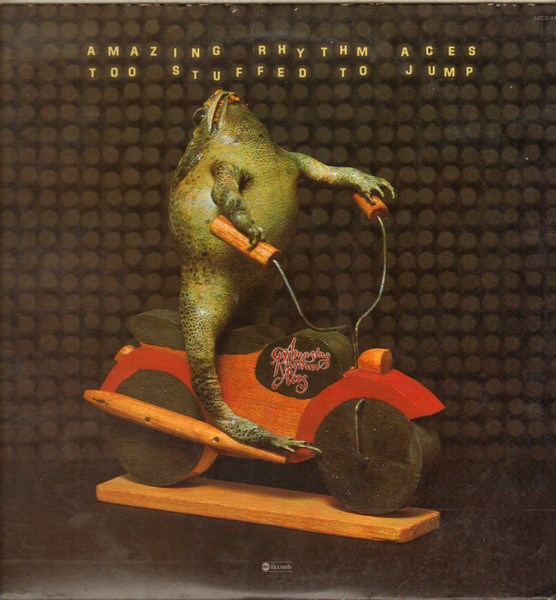
Too Stuffed To Jump
1976

Stacked Deck
1975
Amazing Rhythm Aces
1979

How The Hell Do You Spell Rythum ?
1980

Burning The Ballroom Down
1978

Third Rate Romance / Mystery Train
1975
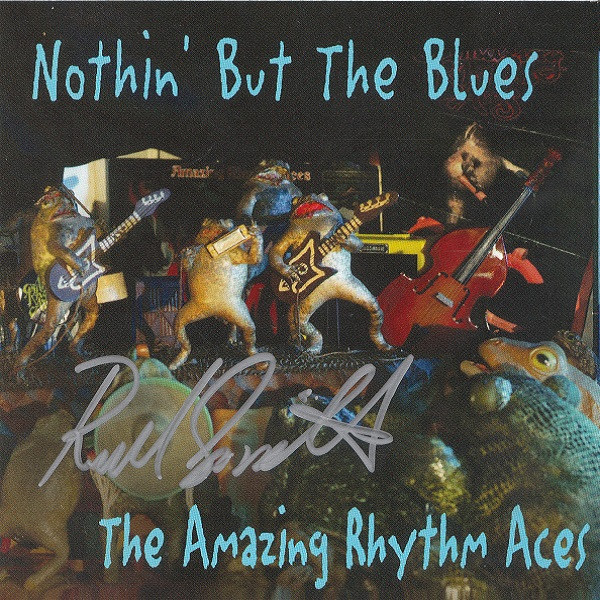
Nothin' But The Blues
2003
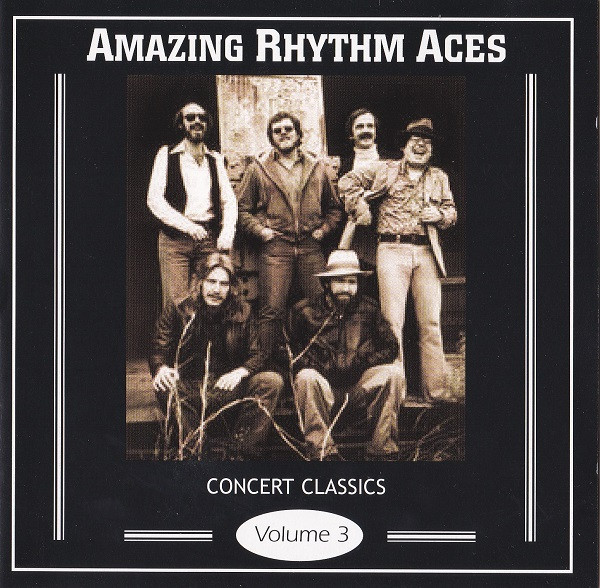
Concert Classics Volume 3
1999

Chock Full Of Country Goodness
1998

Out Of The Blue
1997

Ride Again vol. 1
1994
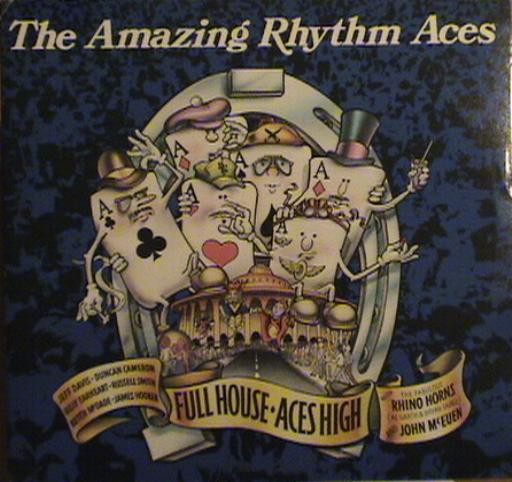
Full House / Aces High
1981
Related artists
Around the web
Follow every record they touch.
Start your shelf and Gatefold tracks The Amazing Rhythm Aces's new pressings, tour dates, and the whole discography — automatically.
Start your shelf →Free forever. Works with 10 records or 10,000.