Artist
Testament
Berkeley, United States
Testament is a music group from Berkeley, United States. Their discography on Gatefold includes 23 records.

23
Albums tracked
162
In collections
—
Since
Biography
Alex Skolnick was a seventeen-year-old Joe Satriani student when they tracked The Legacy. He wasn't some local thrash kid playing three chords; he was a jazz-fusion prodigy dropped into a mosh pit. That’s why Testament always sounded smarter than the rest of the Bay Area. While everyone else was chasing Metallica’s stadium dreams or Slayer’s speed, these guys were layering melodic sophistication over Eric Peterson’s relentless down-picking. Chuck Billy stepped in after Steve Souza bailed for Exodus, bringing a massive, Native American warrior presence that made every other thrash frontman look like a kid in his dad's leather jacket. They hit a wall in the mid-90s like every other heavy band when the labels started demanding 'grunge' and the scene fell apart. They didn't just stumble; they got heavy as hell, almost touching death metal territory to survive. Then the real shit hit when Chuck got diagnosed with a rare cancer in 2001. That could’ve been the end, but the thrash community rallied for the Thrash of the Titans benefit. It didn't just save Chuck; it reminded the world that when the original lineup actually shows up to play, nobody touches them for pure technical aggression.
Bio from The Clerk
The Arc of Testament
The pivots — what forced Testament to reinvent.
The Skolnick Sophistication
From '87 to '92, the band operated as the thinking man's thrash machine under the guidance of producer Alex Perialas at Pyramid Sound. Skolnick’s refusal to play standard pentatonic solos gave records like The New Order a sophisticated, neoclassical edge that felt closer to Rainbow than Venom. You hear it in the way they balanced radio-adjacent tracks like 'Practice What You Preach' with absolute neck-snapping riffs. This era peaked at Ritual, where the production got slick and the arrangements started pushing toward a commercial ceiling they couldn't quite shatter.
The Low Death-Metal Pivot
When Skolnick left to play jazz and the industry turned its back on thrash, the band recruited death metal heavyweights like James Murphy and Gene Hoglan. They leaned into a detuned, punishing sound on Low and Demonic that abandoned the melodic shred for guttural vocals and double-kick insanity. It was a survival tactic that actually worked because Eric Peterson’s writing was sturdy enough to handle the extra weight. This wasn't a band lost in the woods; it was a band armoring up for the bleakest decade in metal history.
The Gathering of the Titans
In 1999, they dropped The Gathering with a lineup that looked like a metal fan's fever dream: Dave Lombardo on drums and Steve DiGiorgio on fretless bass. This session fused the technicality of their early days with the sheer brutality of their mid-90s output, creating a blueprint for the modern thrash revival. It proved they didn't need the original five guys to be Testament, just a room full of the most dangerous players in the genre. This record effectively saved the band's legacy before Chuck's health forced a three-year hiatus.
Influences
- Judas Priest — The band famously covered 'Rapid Fire' and Chuck Billy has cited Rob Halford as his primary vocal blueprint for high-register screams. You hear it in the dual-guitar harmonies between Peterson and Skolnick that mirror the Tipton/Downing attack. It’s the structural foundation for their more melodic '80s compositions.
- Black Sabbath — Eric Peterson has repeatedly pointed to Tony Iommi as the source of his riff-writing philosophy, particularly the use of the tritone. The doom-laden intros on 'The Haunting' and 'Burnt Offerings' are straight out of the Master of Reality playbook. It provides the dark, occult atmosphere that separated them from the more political thrash acts.
- Mercyful Fate — Testament covered 'Doomed by the Living Dead' and Peterson has obsessed over King Diamond’s eerie, multi-layered songwriting. The complex, episodic song structures on The Legacy owe a massive debt to the shifting tempos of Melissa. They took the Danish theatricality and flattened it into a Bay Area steamroller.
- Scorpions — Alex Skolnick often cites Uli Jon Roth as a massive influence on his early lead playing and harmonic choices. You hear it in the fluid, vibrato-heavy solos that feel more European and classical than the blues-based shred of their peers. This is why their ballads actually worked while everyone else's sounded forced.
- Venom — The band started under the name Legacy as a direct response to the DIY aggression of the New Wave of British Heavy Metal, specifically Venom's speed. The raw, unpolished energy of their early demos was an attempt to capture that Welcome to Hell chaos. Even as they got more technical, that primitive drive remained the engine.
Discography
Their records — most-collected first.
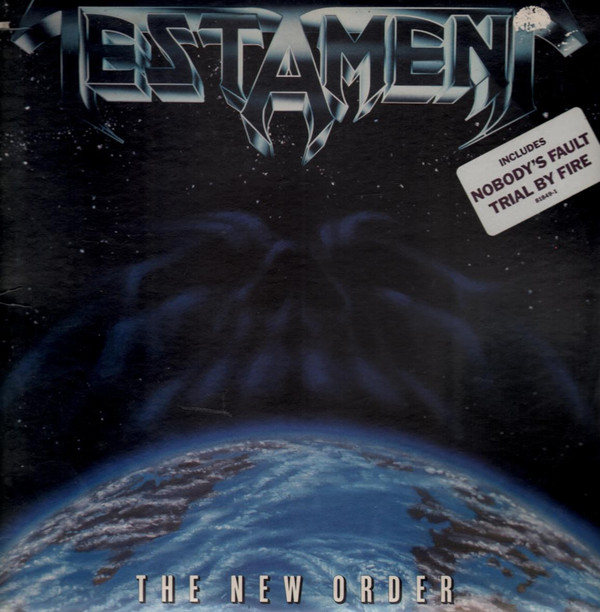
The New Order
1988
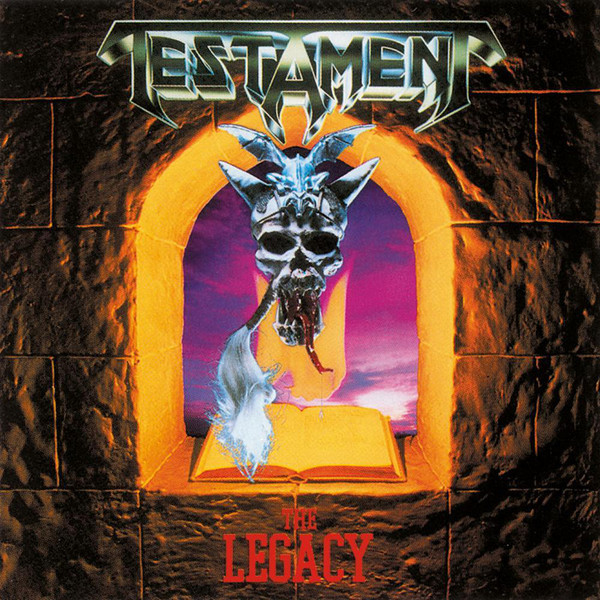
The Legacy
1987
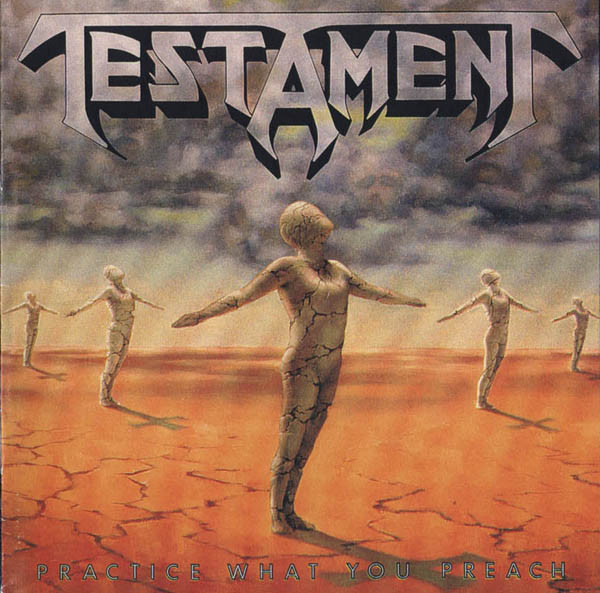
Practice What You Preach
1989
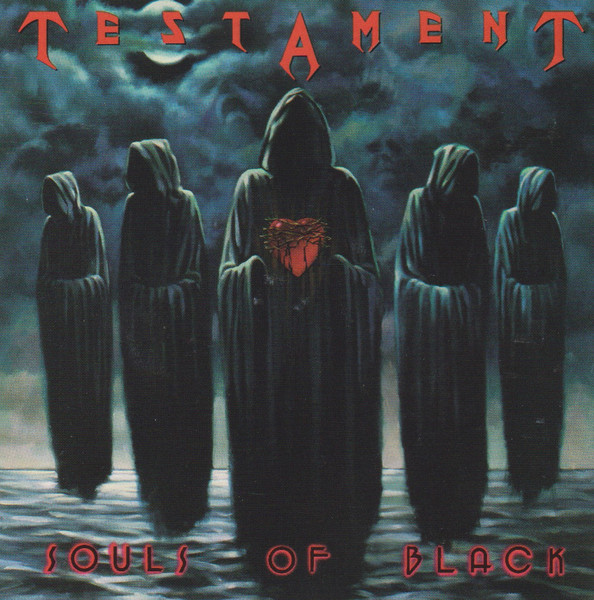
Souls Of Black
1990

The Ritual
1992

The Formation Of Damnation
2008
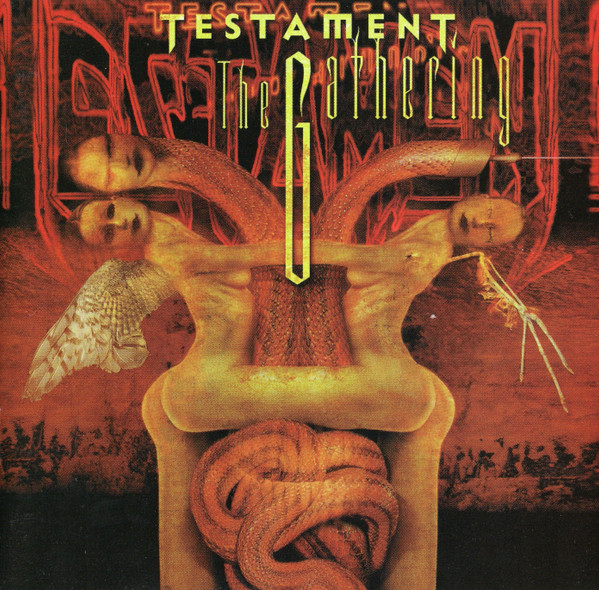
The Gathering
1999

Para Bellum
2025

Titans Of Creation
2020

Brotherhood Of The Snake
2016

Dark Roots Of Earth
2012
Low
1994

Demonic
1997

Return To The Apocalyptic City
1993

Live At Eindhoven '87
2009

Dark Roots Of Thrash
2013

Animal Magnetism / Powerslave
2013

Live In London
2005
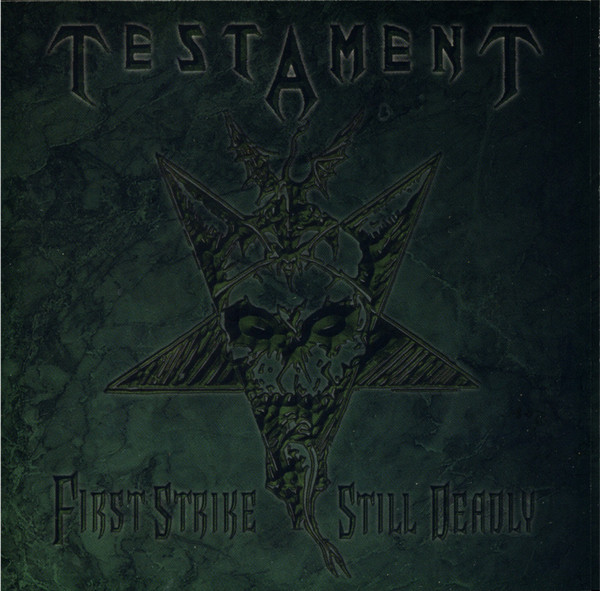
First Strike Still Deadly
2001
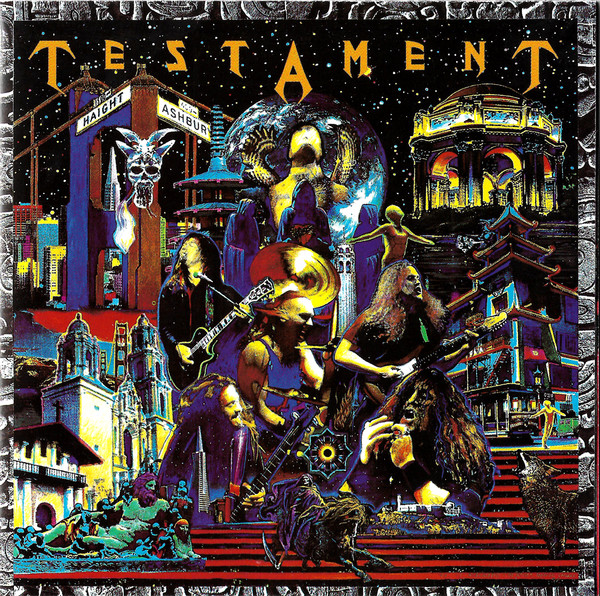
Live At The Fillmore
1995
Trial By Fire
1988
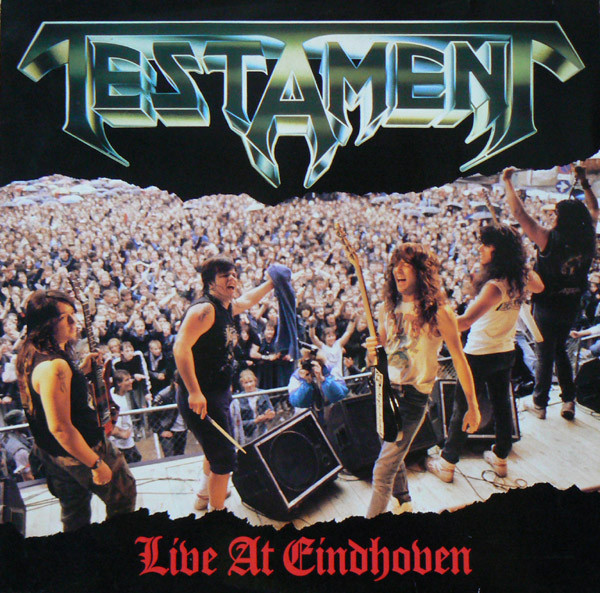
Live At Eindhoven
1987

Live At Dynamo Open Air 1997
2019
Related artists
Around the web
Follow every record they touch.
Start your shelf and Gatefold tracks Testament's new pressings, tour dates, and the whole discography — automatically.
Start your shelf →Free forever. Works with 10 records or 10,000.