Artist
Television
New York City, United States · 1973 – 2023
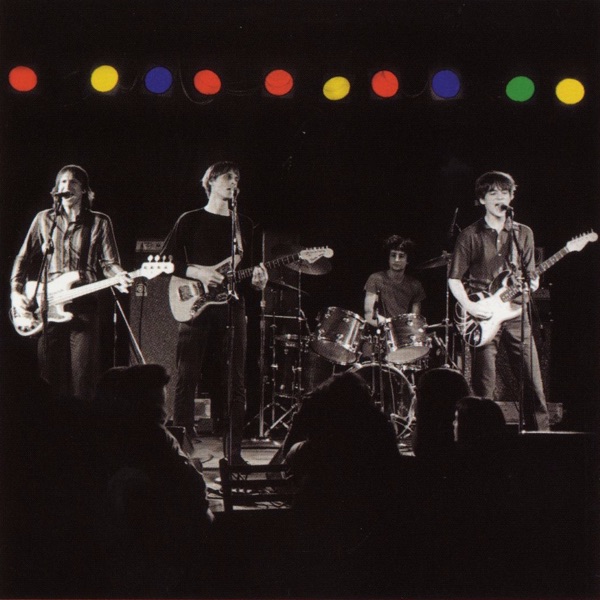
Television is a music group from New York City, United States, active 1973–2023. Their discography on Gatefold includes 9 records.
9
Albums tracked
216
In collections
1973
Since
Biography
Tom Verlaine and Richard Lloyd set up their Stratocasters and Jazzmasters at A&R Studios in late 1976 and refused the dirt. Everyone else at CBGB was smashing out three-chord distortion at 180 BPM, but Television dialed the gain down to zero, tuned to concert pitch, and treated two single-coil guitars like a string quartet. Sound engineer Andy Johns kept the tapes dry and clean. No studio tricks, no wall of fuzz. Just interlocking clean tones, Billy Ficca's jazz-schooled triplets, and Verlaine's strangulated howl cutting through the grid. They had one flawless, monumental record in them before the friction burned the house down. Verlaine was a control freak who mapped out every counter-melody; Lloyd was an explosive, blues-schooled technician who resented being treated like a hired hand. By the time they tracked their sophomore record, the adrenaline was spent and the arrangements softened. They imploded, spent over a decade apart, and returned in the nineties for a single, criminally overlooked self-titled record that proved their structural precision wasn't a fluke. They were never a punk band. They were a razor-sharp art-rock machine that happened to play in a Bowery dive.
Bio from The Clerk
The Arc of Television
The pivots — what forced Television to reinvent.
The CBGB Genesis and Ousting Hell
Verlaine and Richard Hell built the band out of the ashes of the Neon Boys, practically securing the residency that turned CBGB into ground zero for the scene. Hell brought the ripped-t-shirt attitude and chaos, but Verlaine wanted intricate harmonic structure and discipline. They kicked Hell out in 1975, brought in Fred Smith from the Blondie camp on bass, and hardened into a hyper-focused four-piece. You hear that exact tension and clarity resolve on their self-released single 'Little Johnny Jewel.'
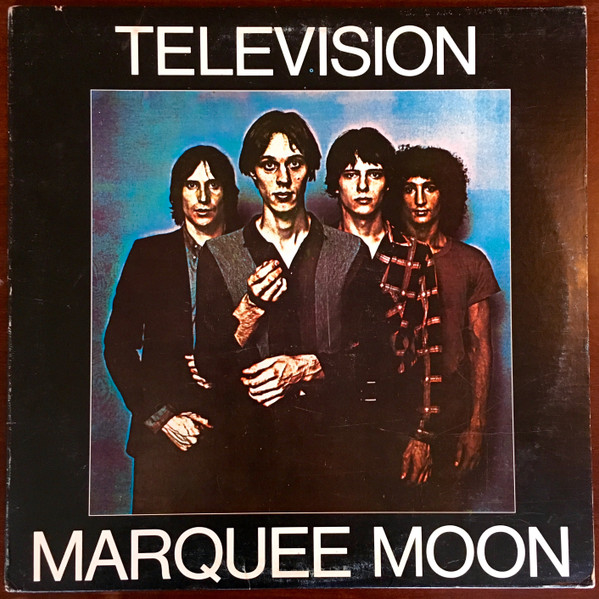
The Marquee Moon Sessions
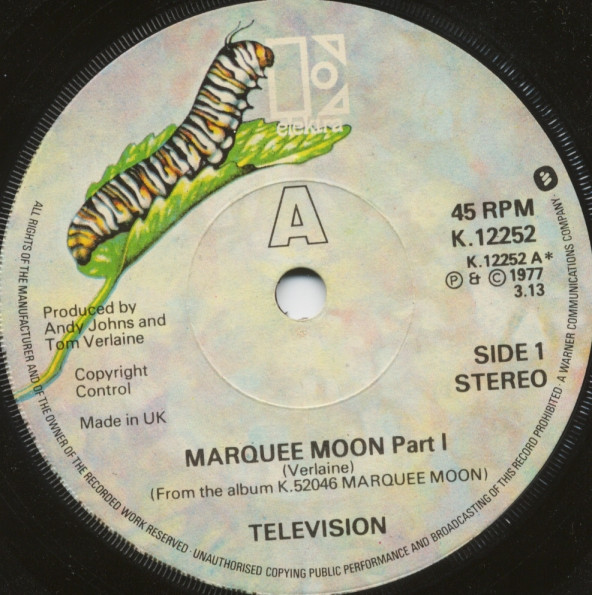
Signing with Elektra, they bypassed the heavy-handed production of the era and tapped Andy Johns to capture their live sound untouched at A&R Studios. The title track was cut live in one take with Lloyd's spiraling solo and Verlaine's crystalline leads woven together over nearly ten minutes without a single drop of overdrive. It stood completely outside the punk dogma of 1977, trading raw aggression for sprawling, architectural tension. The record stiffed on the American charts but established their untouchable status overseas.
Adventure and the Fast Burnout
Rushing back into the studio just a year later, the band found themselves exhausted and short on fresh material. John Jansen was brought in to co-produce 1978's Adventure, leaning toward pastoral, mid-tempo songwriting and softer guitar textures that alienated critics looking for another blistering workout. Behind the scenes, personal animosities between Lloyd and Verlaine escalated alongside heavy drug use. They folded the tent right after the tour, leaving an abrupt end to their initial run.
The 1992 Reunion
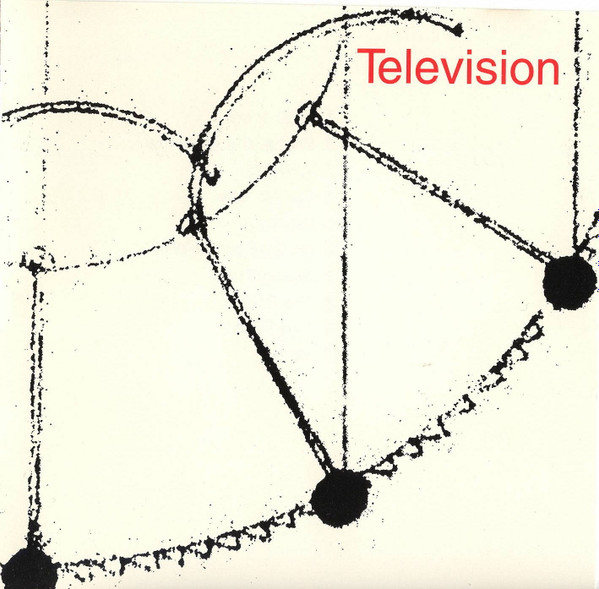
Fourteen years after their breakup, Capitol coaxed the original four-piece back into the studio to track their self-titled third record. Verlaine took sole production credit, stripping the sound down even further into spare, smoky, rhythm-and-groove interplay on tracks like '1880 Or So.' It completely avoided the bloated nineties rock production traps, picking up their telepathic guitar dialogue right where they left it. They stopped recording as a unit afterward, settling into sporadic, revered live appearances until Verlaine's death.
Influences
- The Velvet Underground — Television covered 'What Goes On' and took direct cues from the deadpan, street-level poetry of Lou Reed. You hear it in Verlaine's talk-sung, fractured vocal phrasing and the relentless drone underneath their live sets. They took Reed's minimalist urban realism and turned it inside out.
- The 13th Floor Elevators — Television regularly played a cover of 'Fire Engine' during their formative CBGB sets and the Marquee Moon tour rehearsals. Roky Erickson's jagged, acid-fried lead lines directly informed Richard Lloyd's bright, biting solo attack. It gave their austere New York sound a jolt of raw psych energy.
- John Coltrane — Verlaine repeatedly cited Coltrane's modal jazz runs and free improvisation as the actual template for Television's extended guitar solos rather than conventional blues. You hear those sheets-of-sound ascensions and modal scales exploding across the climax of 'Marquee Moon.' They approached dual guitars the way Coltrane and Eric Dolphy traded horn lines.
- Love — Arthur Lee's baroque arrangements on Forever Changes provided the structural model for intertwining clean electric guitars. The chiming, acoustic-style chord shifts on tracks like 'Guiding Light' directly mirror Lee's orchestral folk-rock approach. It was their secret weapon against the prevailing mid-seventies punk noise.
- The Rolling Stones — Television hired Andy Johns to produce their debut specifically because of his engineering work on Sticky Fingers and Exile on Main St. You hear the Keith Richards-style rhythmic snap in Fred Smith and Billy Ficca's tight, un-rushed pocket. It anchored their avant-garde compositions to pure, street-level rock and roll.
Discography
Their records — most-collected first.




Related artists
Around the web
Follow every record they touch.
Start your shelf and Gatefold tracks Television's new pressings, tour dates, and the whole discography — automatically.
Start your shelf →Free forever. Works with 10 records or 10,000.