
Artist
Talk Talk
London, United Kingdom · 1981 – 1991
Talk Talk is a music group from London, United Kingdom, active 1981–1991. Their discography on Gatefold includes 20 records.

20
Albums tracked
318
In collections
1981
Since
Biography
Mark Hollis spent the first two records being forced into a synth-pop mold he clearly hated. EMI wanted another Duran Duran—they even gave them the same producer, Colin Thurston, and stuck them on the same tours to milk that New Romantic cash cow. The early shit like 'The Party’s Over' is fine for what it is, but you can hear the gears grinding. Hollis was a jazz head and a minimalist stuck in a world of hairspray and gated reverb, just waiting for the budget to finally act out his obsession with silence. Once Tim Friese-Greene stepped in as the unofficial fourth member and co-writer, the corporate sheen started to melt off. They stopped touring because Hollis couldn't stand the pantomime of miming to backing tapes on Top of the Pops. By the time they got to the late 80s, they weren't even a band anymore—they were a collection of session players sitting in darkened studios for months, recording hours of improvisation that Hollis and Friese-Greene would later cut into pieces with a razor blade. It was expensive, it was commercial suicide, and it resulted in some of the most honest music ever committed to tape.
Bio from The Clerk
The Arc of Talk Talk
The pivots — what forced Talk Talk to reinvent.
The New Romantic Prototype
EMI paired the band with Colin Thurston to ensure they sounded exactly like their label-mates Duran Duran. This era is defined by the Jupiter-8 and Roland JP-4 synths dominating the mix while Hollis tried to find his voice over stiff, sequenced percussion. You hear a band playing the game, hitting the charts with 'Talk Talk' and 'It's My Life' while secretly harboring a resentment for the very technology making them famous.
The Organic Pivot
The Colour of Spring is where the machines started to die. They brought in Steve Winwood to play organ and shifted toward acoustic pianos and real percussion, moving the sound into a lush, art-rock space that still moved units. It was the last time the label was happy, as the record became their biggest seller despite the band beginning to prioritize texture and space over radio-friendly hooks.
The Studio as Instrument
For Spirit of Eden, the band retreated to a decommissioned church in Suffolk, working in near-total darkness for almost a year. Hollis and Friese-Greene invited session guys like Danny Thompson to jam for hours, only to use seconds of the audio in the final edit. The result was a record so uncommercial and quiet that EMI sued the band for 'being willfully obscure,' effectively ending their relationship with the major label system.
The Final Reduction
Moving to Verve for Laughing Stock, the band stripped everything down to the bone. The recording process became even more obsessive, with Hollis reportedly spending days trying to find the right placement for a single microphone to capture the sound of the room itself. It is a record of ghosts and feedback, a masterpiece of tension and release that served as the perfect, exhausted end point before Hollis walked away from the industry entirely.
Influences
- Miles Davis — Hollis explicitly cited 'In a Silent Way' as the blueprint for his later work. You hear it in the way the band uses the studio to edit long improvisations into cohesive movements. It's the same 'play what's not there' philosophy that defines his final two records.
- Otis Redding — Before the synths took over, Hollis was obsessed with 60s soul and Redding’s raw delivery. You hear it in his vocal phrasing on the early demos and even the hits, where he pushes his voice into a pained, soulful rasp that didn't fit the cool detachment of 80s pop. He wasn't a synth kid; he was a soul singer in a digital cage.
- Can — The band’s late-period editing style was a direct descendant of Holger Czukay’s tape-splicing techniques. Lee Harris's drumming on 'Laughing Stock' carries that same hypnotic, repetitive krautrock pulse found on 'Tago Mago'. They took the jam-then-edit methodology and applied it to pastoral English jazz.
- Sly & The Family Stone — Hollis repeatedly pointed to 'There's a Riot Goin' On' as a masterclass in atmosphere and dark production. That record's murky, claustrophobic mix and heavily processed drums informed the 'dirtier' feel of the later Talk Talk sessions. It gave them permission to let the recording sound ugly and human.
- Claude Debussy — The use of silence as a rhythmic element in 'Spirit of Eden' stems from Hollis’s deep dive into 20th-century classical composers. He famously wanted to reach a point where he could play one note instead of ten. You can hear those impressionist arrangements in the woodwind and string swells that drift in and out of their final albums.
Discography
Their records — most-collected first.
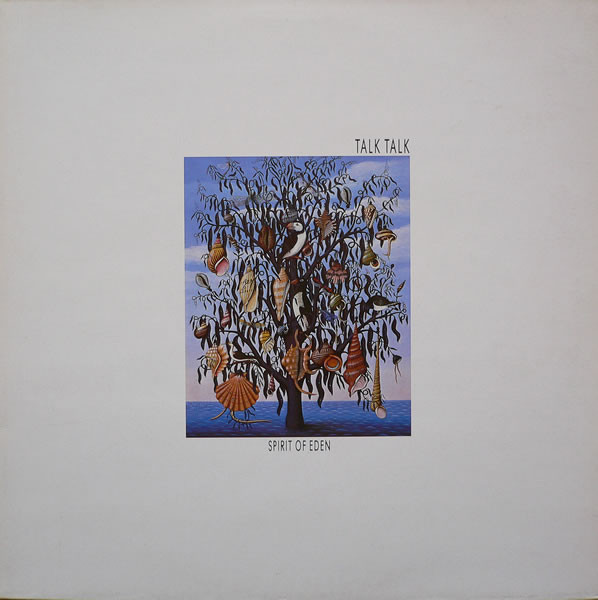
Spirit Of Eden
1988
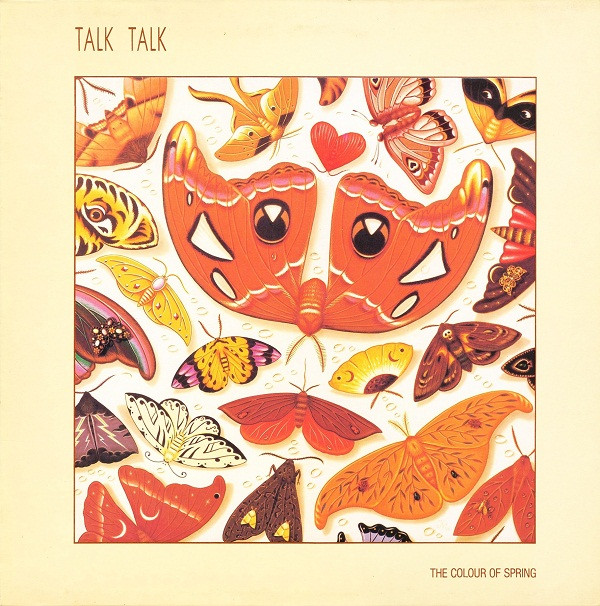
The Colour Of Spring
1986
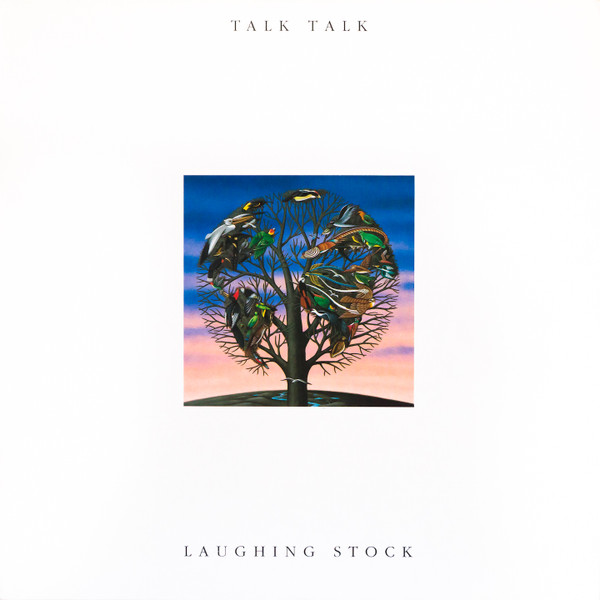
Laughing Stock
1991
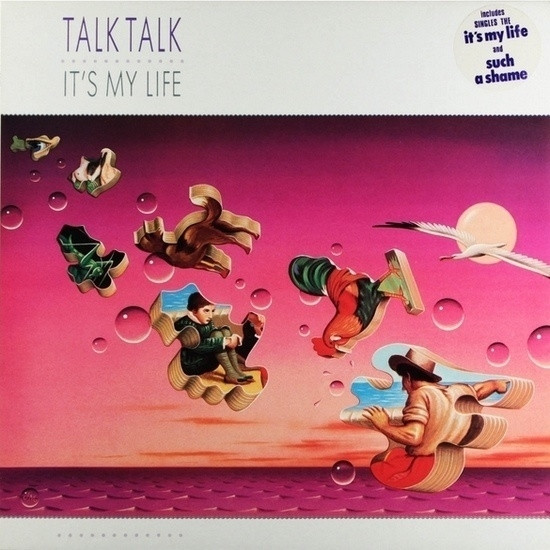
It's My Life
1984
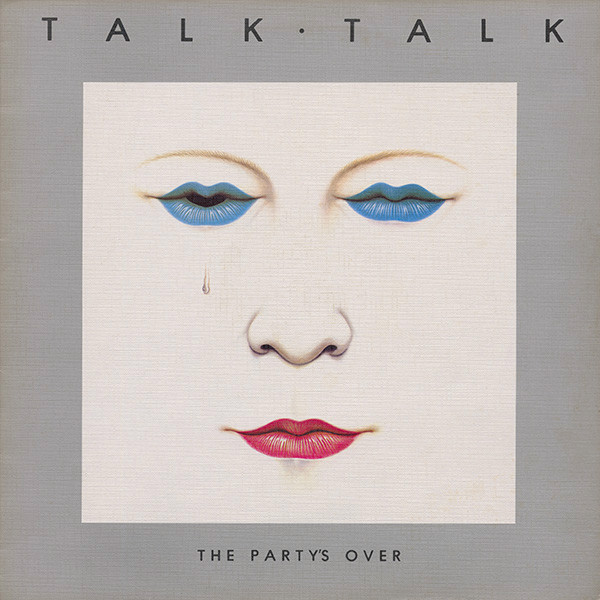
The Party's Over
1982

Natural History (The Very Best Of Talk Talk)
1990
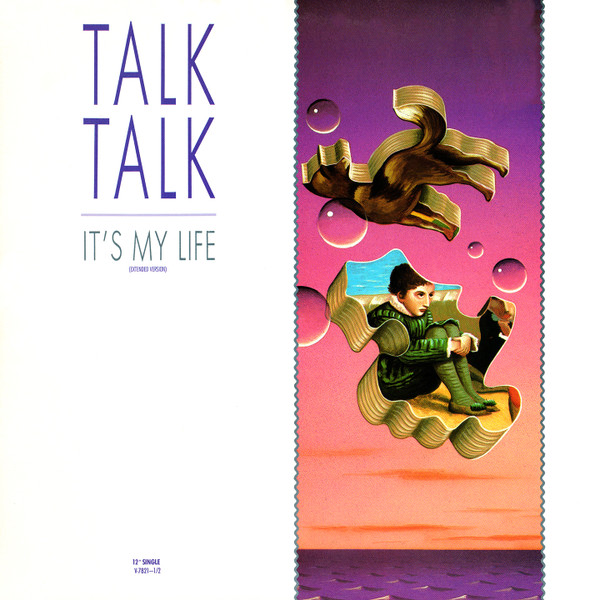
It's My Life
1984

Life's What You Make It
1986

The Very Best Of Talk Talk
1997
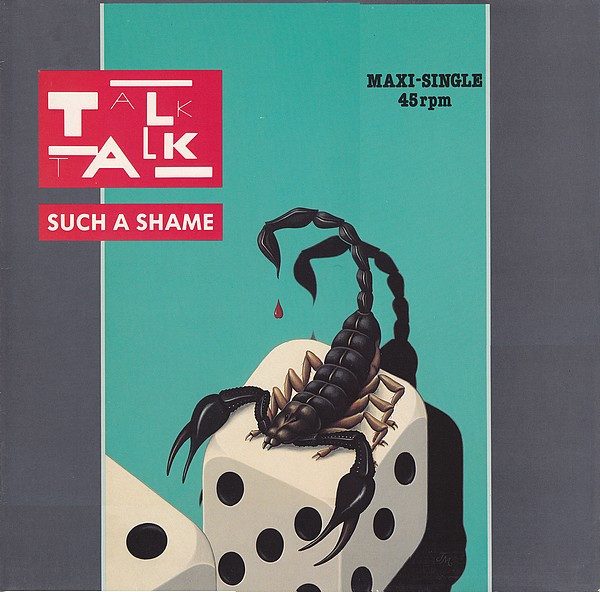
Such A Shame
1984
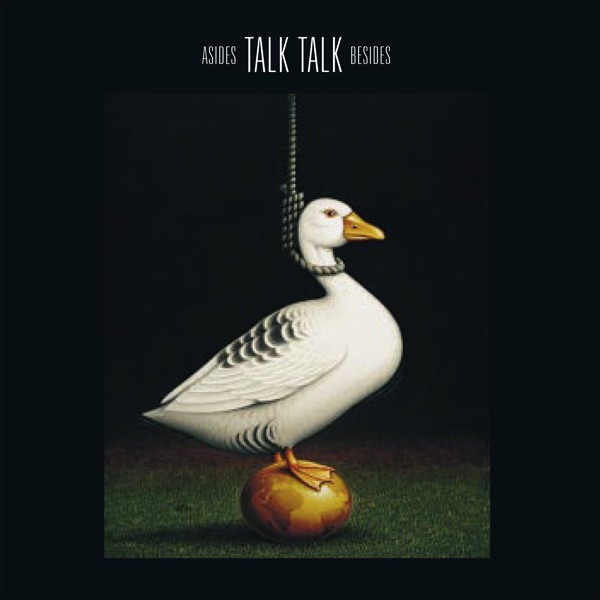
Asides Besides
1998

The Essential
2003

It's My Mix
1985

Talk Talk
1982
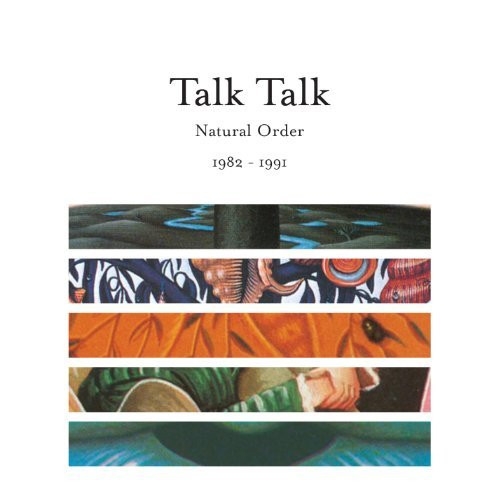
Natural Order 1982 - 1991
2013

It's My Life / The Colour Of Spring
2002

Missing Pieces
2001

The Collection
2000
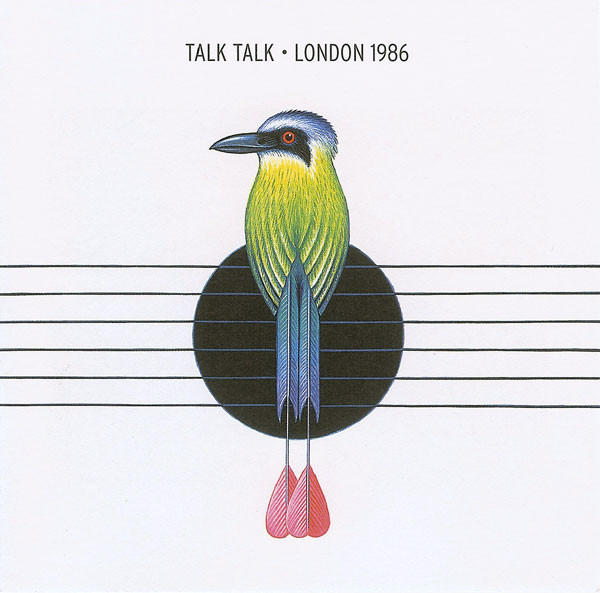
London 1986
1999

Music Collection
1993
Related artists
Around the web
Follow every record they touch.
Start your shelf and Gatefold tracks Talk Talk's new pressings, tour dates, and the whole discography — automatically.
Start your shelf →Free forever. Works with 10 records or 10,000.