
Artist
T. Rex
UK band
London, United Kingdom · 1967 – 1977
T. Rex is a music group from London, United Kingdom, active 1967–1977. Their discography on Gatefold includes 24 records.
52
Albums tracked
363
In collections
1967
Since
Biography
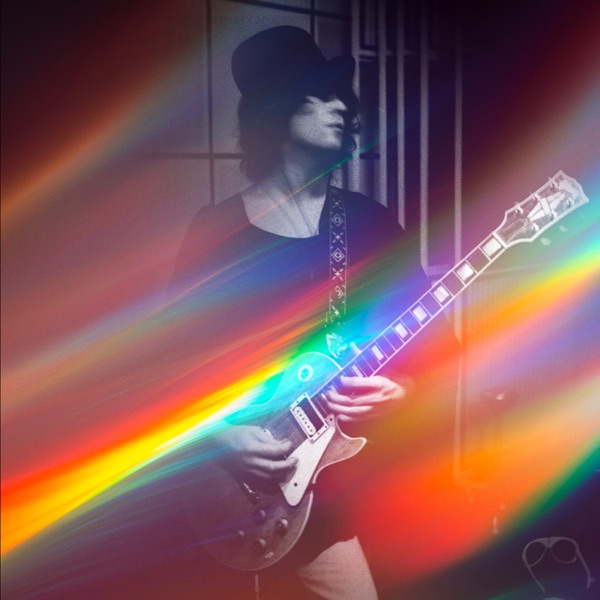
Tony Visconti turned Marc Bolan's acoustic fairy-tale outfit into a Les Paul machine by forcing Bolan to plug into an amplifier and stripping the arrangements down to raw rhythm. Before that, Tyrannosaurus Rex was two guys sitting cross-legged on a rug with a set of bongos and an acoustic guitar, babbling about warlocks while John Peel championed them on late-night radio. Visconti brought in string arrangements, cut the band's name in half, and added bassist Steve Currie and drummer Bill Legend to turn Bolan’s Chuck Berry fixation into a wall of stomping, sleazy boogie. Between 1971 and 1972, Bolan was bigger in Britain than anyone since the Beatles. The sound was deceptively simple: handclaps, a dry four-on-the-floor kick drum, soaring falsetto backing vocals from Flo & Eddie, and Bolan's trembling vocal vibrato laid over a dirty Gibson fuzz. When Bolan fired Visconti, developed a massive coke habit, and tried to pivot into American soul and funk with bloated orchestrations, the British press tore him to shreds. By the time he cleaned up and hired The Damned as his opening act on the 1977 tour, punk was using his three-chord blueprint to burn down the rest of the rock establishment.
Bio from The Clerk
The Arc of T. Rex
The pivots — what forced T. Rex to reinvent.
The Psychedelic Folk Duo
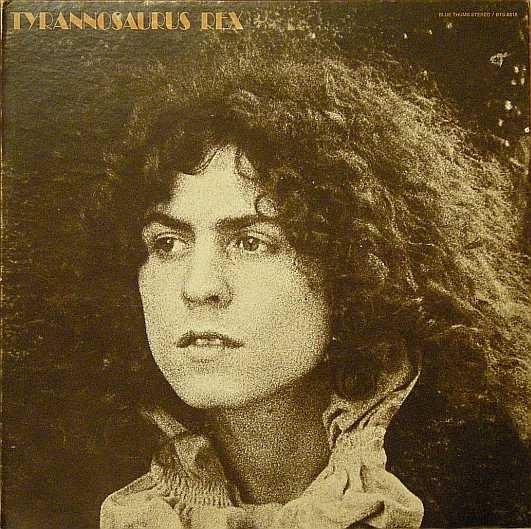
After getting kicked out of mod-psych outfit John's Children, Marc Bolan recruited percussionist Steve Peregrine Took and formed Tyrannosaurus Rex. Armed with just an acoustic guitar, bongos, and children's pixie-tale imagery, the duo became darlings of the UK underground via John Peel's BBC sessions. Producer Tony Visconti captured their manic, stripped-down dynamic across albums like Unicorn before Bolan fired Took over drug friction and creative dominance. Mickey Finn stepped into the percussion slot, marking the final stage of Bolan's acoustic folk phase on A Beard of Stars.
The Glam Boogie Explosion
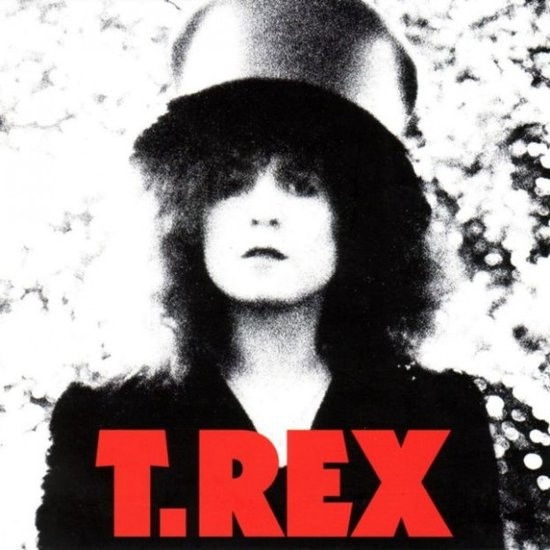
Bolan bought a modified Gibson Les Paul, shortened the band name to T. Rex, and scored a surprise hit with 'Ride a White Swan.' Visconti beefed up the lineup with Steve Currie on bass and Bill Legend behind the kit, forging the heavy, swinging glam rock template on Electric Warrior and The Slider. Flo & Eddie supplied the soaring, operatic backing harmonies while Bolan leaned into swaggering three-chord blues riffs. It triggered T. Rextasy across the UK, putting Bolan on every teenage bedroom wall and redefining British chart pop.
The Soul Pivot and Critical Slide
Tax exile, heavy cocaine use, and the collapse of the original lineup derailed Bolan's momentum by 1974. He parted ways with Visconti, took over his own production, and brought his partner Gloria Jones into the band to steer the sound toward American funk and soul on Zinc Alloy and Bolan's Zip Gun. The records were muddy, sprawling, and heavily rejected by the UK music press, who declared the glam era dead. Bolan retreated from the spotlight as his records dropped out of the top tiers of the charts.
The Punk Elder Statesman
Bolan got sober, slimmed down, and cut Dandy in the Underworld in 1977, stripping away the studio excess for lean, aggressive rock and roll. He recognized that the UK punk explosion was built directly on his original three-chord glam singles, bringing The Damned out on the road as his support act to bridge the generational divide. He hosted his own TV show, Marc, giving vital national exposure to young punk and new wave acts like Generation X. The career resurgence was real, cut short only by his fatal car crash in September 1977.
Influences
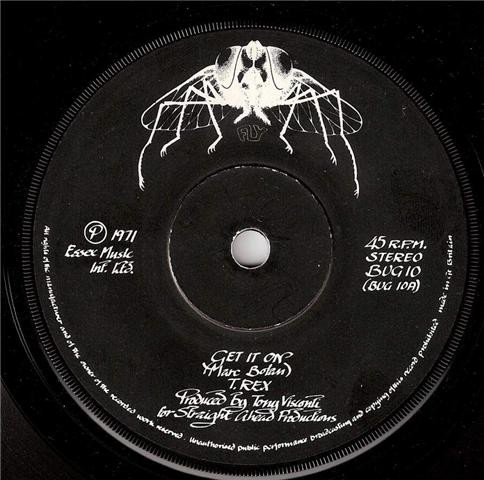
- Chuck Berry — Bolan built the entire T. Rex glam catalog around Berry's classic 12-bar rhythm shuffle. You can hear it explicitly driving the main guitar riffs of 'Get It On' and '20th Century Boy.' Bolan openly cribbed Berry's syncopated double-stops, simply drenching them in fuzz and layering strings over top.
- Eddie Cochran — Cochran was Bolan's teenage obsession and the ultimate model for his rock-and-roll swagger. The stop-start dynamic and acoustic-electric hybrid rhythm of 'Summertime Blues' sits right at the center of 'Jeepster.' Bolan consistently cited Cochran's tight, compact single structure as the golden rule of pop songwriting.
- Howlin' Wolf — Bolan repeatedly cited the Chess blues master as the inspiration for his guttural grunts, vocal trills, and rhythmic timing. You hear Wolf's deep vocal punctuation adapted into Bolan's idiosyncratic whispered purrs and sudden yelps on Electric Warrior. It gave Bolan's bubblegum melodies a rootsy, menacing grit.
- The Jimi Hendrix Experience — Bolan shared a management office with Hendrix in late-sixties London and watched him reshape electric guitar phrasing firsthand. Hendrix's fluid wah-pedal control and theatrical, feedback-laden stage presence directly pushed Bolan to abandon the acoustic guitar and plug into Marshall stacks. The wah-heavy soloing on tracks like 'The Motivator' comes straight out of the Hendrix playbook.
- Gene Vincent — Vincent's leather-clad rockabilly menace and echo-drenched slapback vocals shaped Bolan's vocal delivery and early mod identity. The echo and trembling vibrato across early Tyrannosaurus Rex records like Prophets, Seers & Sages trace back to Vincent's raw fifties cuts with the Blue Caps. Bolan carried that rockabilly slap right through to his final 1977 tracks.
Discography
Their records — most-collected first.

Electric Warrior
1971
The Slider
1972

Tanx
1973

T. Rex
1970
A Beard Of Stars
1970

Light Of Love
1974
Get It On
1971

Unicorn
1969

Rockin' & Rollin'
1973
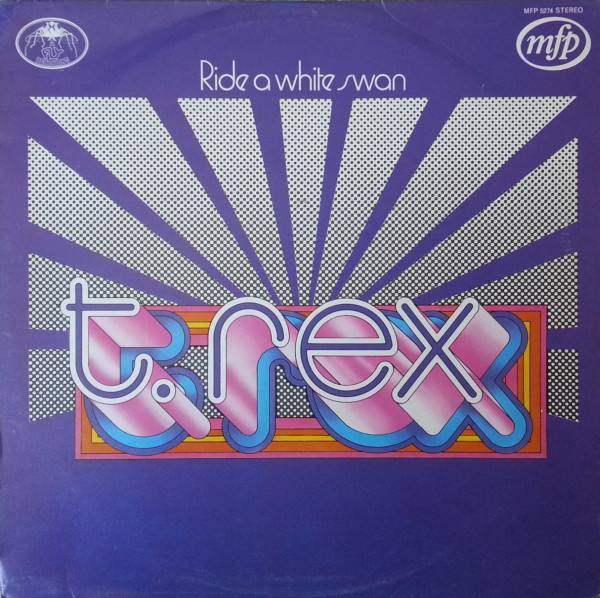
Ride A White Swan
1972

Bolan's Zip Gun
1975
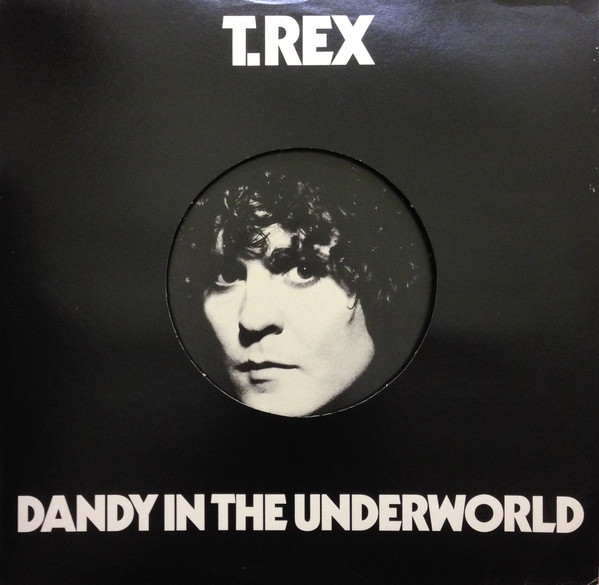
Dandy In The Underworld
1987

Bolan Boogie
1972

Great Hits
1973
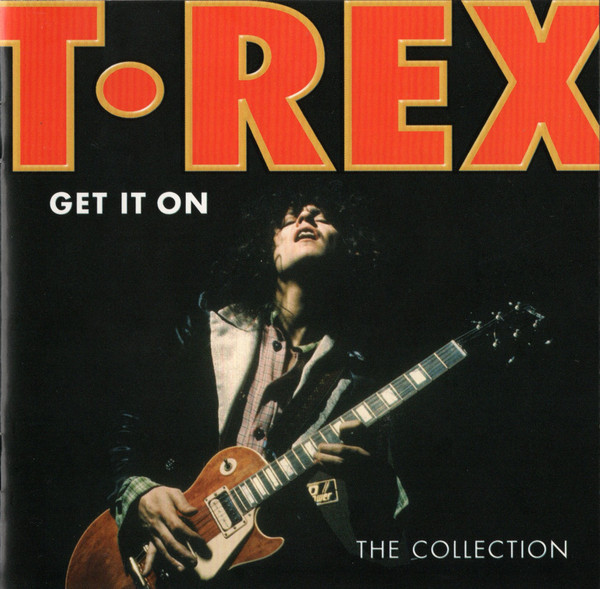
Get It On (The Collection)
2011

T. Rextasy: The Best Of T. Rex, 1970-1973
1985

Solid Gold
1979

Futuristic Dragon
1976

Prophets, Seers & Sages The Angels Of The Ages
1968
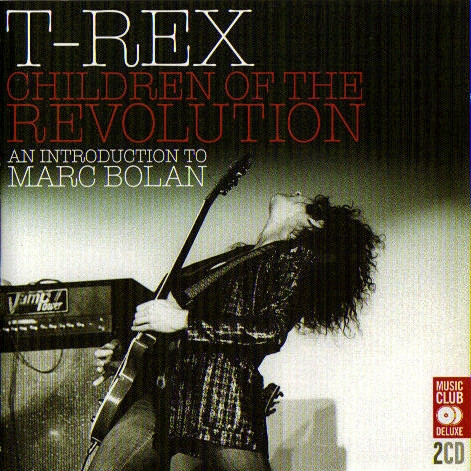
Children Of The Revolution (An Introduction To Marc Bolan)

Bolan B-Sides
2025

The Studio Albums (1970 - 1977)
2025
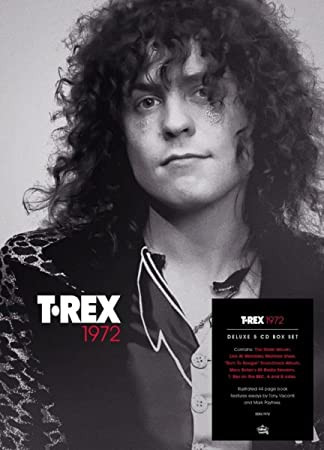
1972
2022

A Crown Of Dark Swansdown
2016
Related artists
Members
Frequent collaborators
Around the web
Follow every record they touch.
Start your shelf and Gatefold tracks T. Rex's new pressings, tour dates, and the whole discography — automatically.
Start your shelf →Free forever. Works with 10 records or 10,000.