
Artist
Supertramp
London, United Kingdom · 1969 – 1970
Supertramp is a music group from London, United Kingdom, active 1969–1970. Their discography on Gatefold includes 24 records.

29
Albums tracked
727
In collections
1969
Since
Biography
Supertramp started because a Dutch millionaire named Stanley August Miesegaes got bored and decided to bankroll Rick Davies to build a band from scratch. They spent the first two records spinning their wheels in the psych-prog mud with Richard Palmer-James and Roger Hodgson fighting for space. It was a mess of wandering flute solos and heavy organ that nobody bought. The money almost ran out before they figured out the Wurlitzer electric piano was the real heart of the operation. Once Davies and Hodgson leaned into that percussive, staccato keyboard attack, the whole dynamic shifted from aimless jamming to surgical pop-prog. They traded the long-winded mythology for tight, cynical observations about the British class system and spiritual anxiety. It wasn’t just about the hooks; it was about the engineering. Ken Scott, the guy who sat behind the desk for Bowie’s Ziggy Stardust and the Beatles' White Album, came in to sharpen the edges. He treated their records like high-fidelity puzzles where every saxophone honk and snare hit had a dedicated pocket of air.
Bio from The Clerk
The Arc of Supertramp
The pivots — what forced Supertramp to reinvent.
The Dutch Millionaire's Experiment
The early days were a confusing sprawl defined by Miesegaes's open checkbook and a rotating door of musicians. With Richard Palmer-James handling lyrics and the band stuck in a flute-heavy folk-prog rut, the self-titled debut and Indelibly Stamped lacked a clear identity. You can hear a band desperate to be King Crimson but lacking the grit, resulting in records that mostly gathered dust while the label wondered when the investment would pay off.
The Ken Scott Overhaul
Everything changed when the lineup solidified around Davies, Hodgson, Helliwell, Siebenberg, and Thomson. Bringing in Ken Scott for Crime of the Century forced a discipline they never had, moving the Wurlitzer 200A to the front of the mix. This era is defined by that massive, dry studio sound where the arrangements are so locked in they feel mechanical. It turned them from a pub-prog outfit into an FM radio powerhouse that could balance a high-concept suite with a three-minute pop hit.
The California Polish
Moving the operation to Los Angeles and recording at Village Recorder stripped away the last bits of British gloom. Breakfast in America was the result of a grueling seven-month session where the band obsessively tweaked the EQ on every single track. The tension between Hodgson’s high-register pop sensibilities and Davies’s bluesier, grittier leanings hit a perfect, fragile equilibrium. It’s the sound of a band reaching the absolute ceiling of what high-fidelity pop can do before the internal friction finally snapped the partnership.
Influences
- The Beatles — Hodgson has repeatedly cited the White Album as his blueprint for blending experimental textures with pop melody. You hear it in the meticulous vocal layering and the way they use the studio as an instrument rather than just a room to capture a performance. The 'Day in the Life' style transitions are all over their mid-70s suites.
- Traffic — Before they went full pop, the band leaned heavily on the jazz-folk fusion Steve Winwood was perfecting in the late 60s. Dave Winthrop’s early flute and sax contributions were a direct nod to Chris Wood’s work on records like John Barleycorn Must Die. It’s that specific brand of earthy, British jamming that informed their debut.
- Ray Charles — Rick Davies grew up on R&B and blues, and he specifically pointed to Charles as the reason he picked up the keys. You hear it in his rhythmic, blues-inflected piano stabs on tracks like 'Goodbye Stranger.' It provided the necessary grit to counter-balance the lighter, more whimsical side of the band.
- The Band — Bob Siebenberg has stated that Levon Helm’s pocket and the group’s ensemble-first approach influenced how Supertramp locked together as a unit. They weren't looking for virtuosic soloing so much as a solid, undeniable groove. That 'Big Pink' philosophy of every player serving the song kept their prog-leanings from becoming too indulgent.
- Procol Harum — The dual-keyboard setup was a direct takeaway from the way Gary Brooker and Matthew Fisher split duties. Supertramp took that foundation and swapped the churchy organ for the sharper, more modern sound of the Wurlitzer and grand piano. It gave them that orchestral weight without needing a literal orchestra every time.
Discography
Their records — most-collected first.
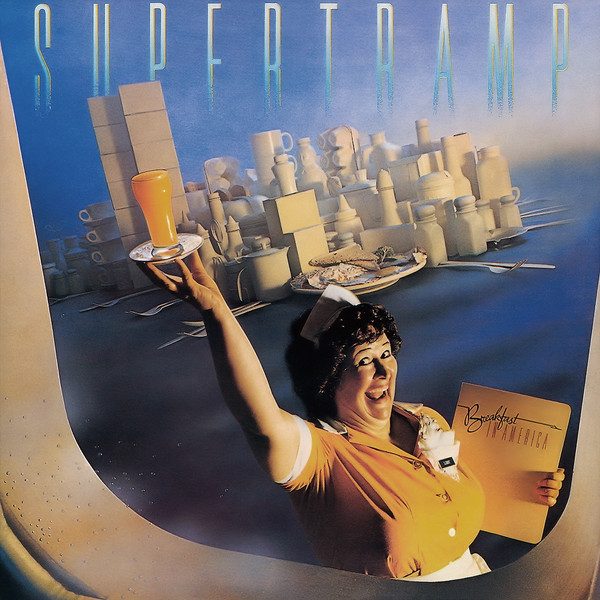
Breakfast In America
1979

Crime Of The Century
1974
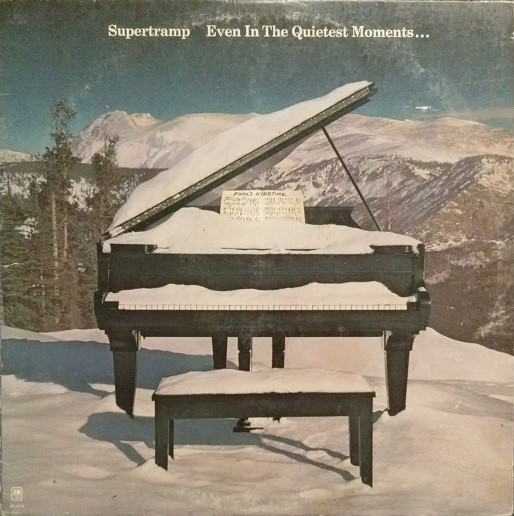
Even In The Quietest Moments...
1977
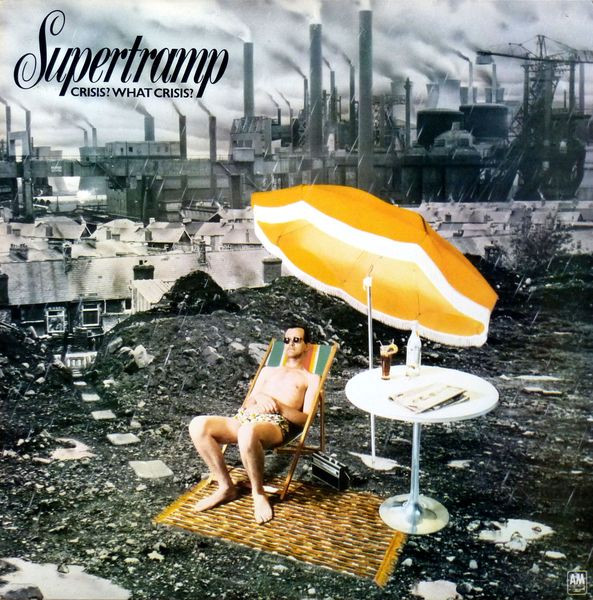
Crisis? What Crisis?
1975
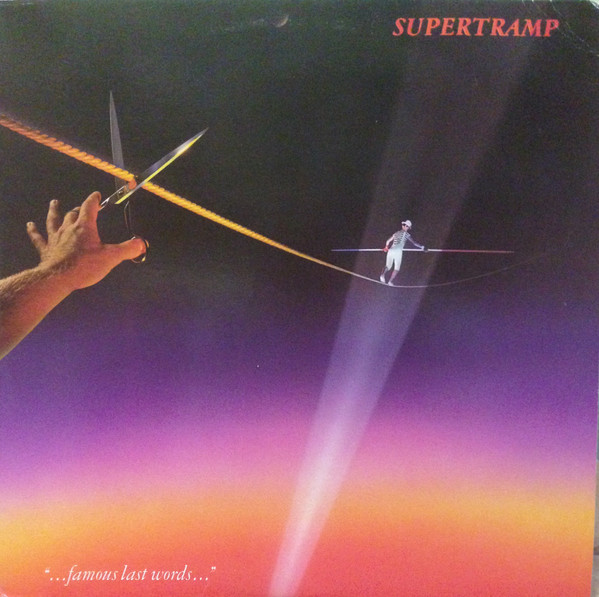
"...Famous Last Words..."
1982
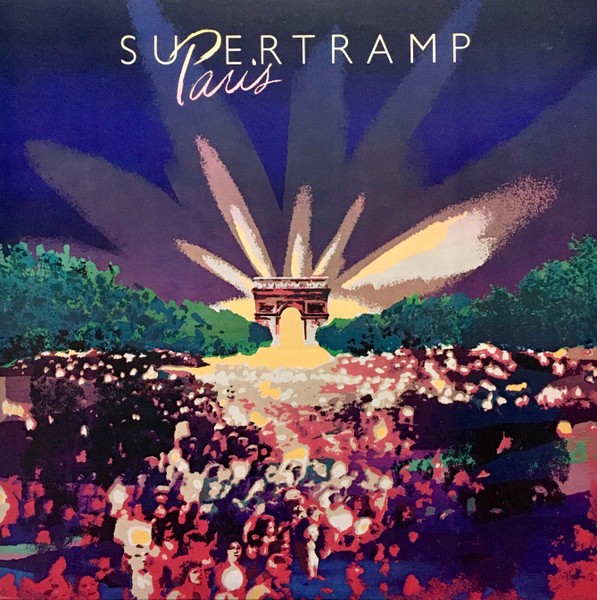
Paris
1980
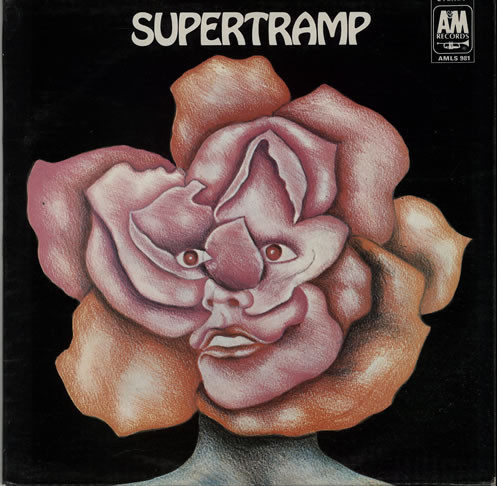
Supertramp
1970
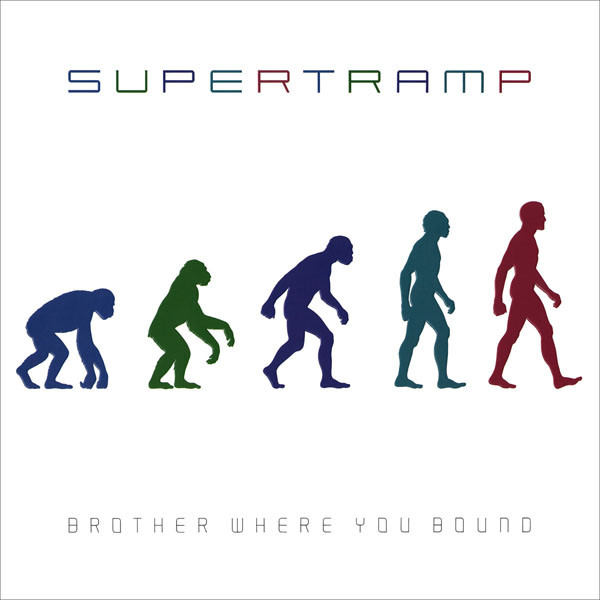
Brother Where You Bound
1985
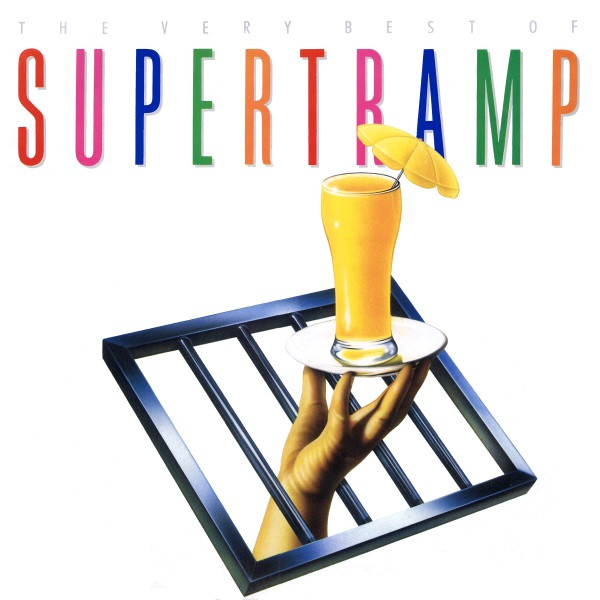
The Very Best Of Supertramp
1990

The Autobiography Of Supertramp
1986

Indelibly Stamped
1971

Free As A Bird
1987
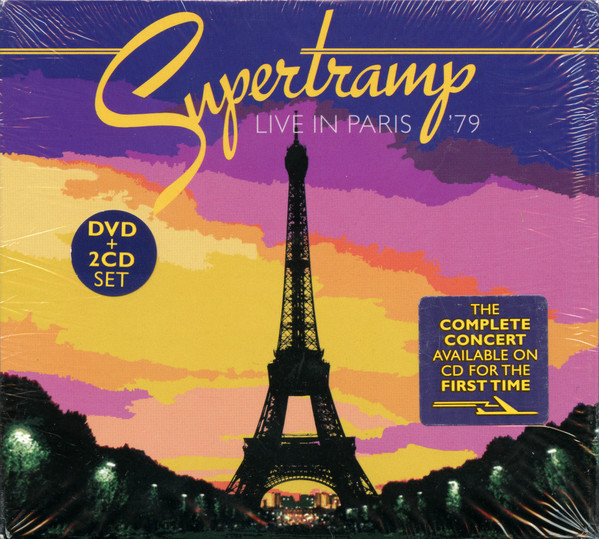
Live In Paris '79
2012
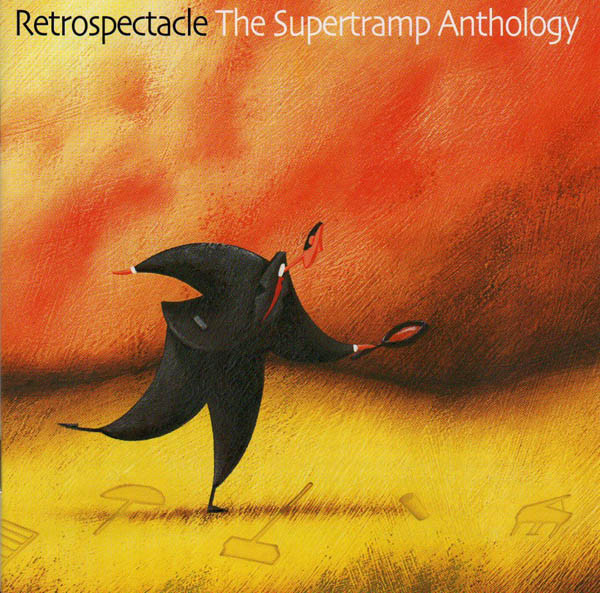
Retrospectacle (The Supertramp Anthology)
2005
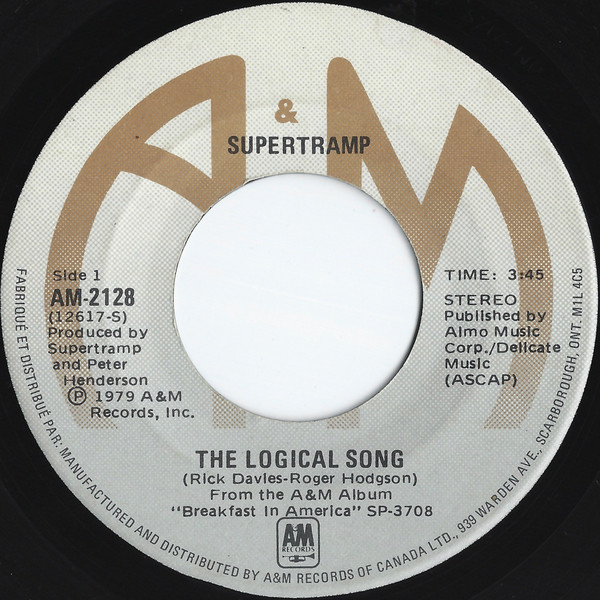
The Logical Song
1979

Goodbye Stranger
1979
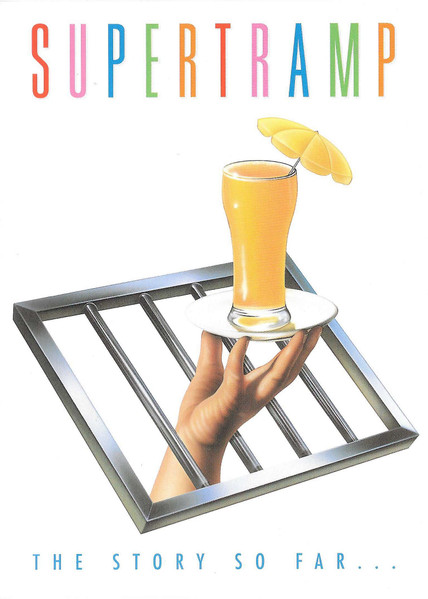
The Story So Far...
1990

Die Songs Einer Supergruppe
1984
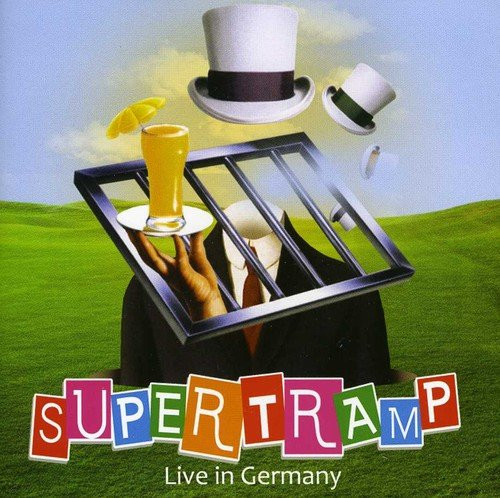
Live In Germany
2012

Crime Of The Century / Crisis? What Crisis
2009
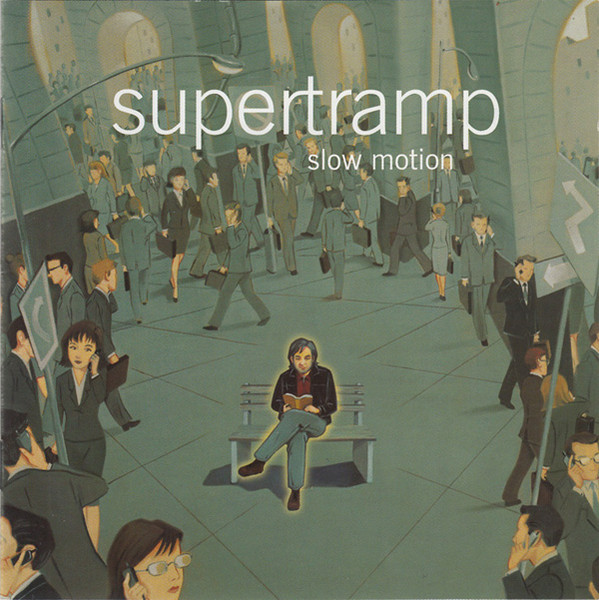
Slow Motion
2002

It Was The Best Of Times
1999
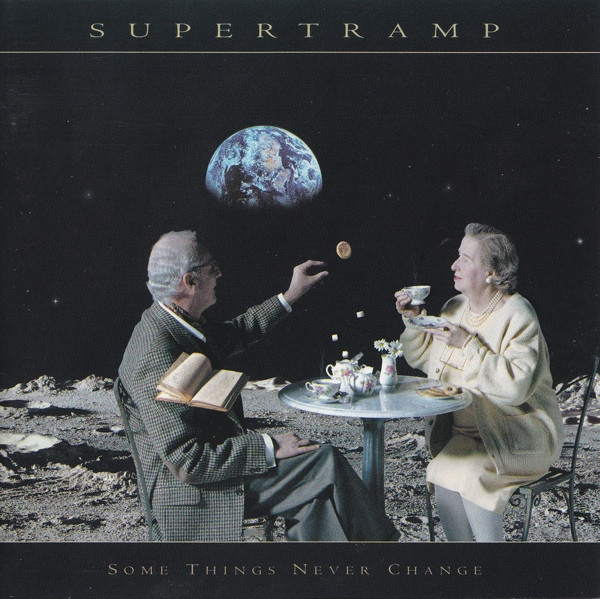
Some Things Never Change
1997

The Very Best Of Supertramp 2
1992
Related artists
Around the web
Follow every record they touch.
Start your shelf and Gatefold tracks Supertramp's new pressings, tour dates, and the whole discography — automatically.
Start your shelf →Free forever. Works with 10 records or 10,000.