
Artist
Superchunk
United States · Formed 1989
Superchunk is a music group from United States, active since 1989. Their discography on Gatefold includes 24 records.

34
Albums tracked
187
In collections
1989
Since
Biography
Steve Albini tracked 'No Pocky for Kitty' in three days at Chicago Recording Company in 1991, refused to take a production credit, and handed them back a record that sounded like broken glass rattling inside a tin can. Mac McCaughan and Laura Ballance didn't sign the major label contract waved in their faces right after. They started Merge Records out of their Chapel Hill bedroom instead, packing 7-inches into manila envelopes between shifts at the local pizza joint. That decision turned out to be the smartest middle finger in American indie rock. They spent the nineties sprinting through fuzz pedals and blown vocal cords before hitting the inevitable wall around 2001. When you run the label that releases Arcade Fire and Spoon, your day job pays the bills while your own band catches its breath. They took nearly a decade off from the studio grind, figured out how to write hooks without blowing out their eardrums, and came back swinging harder than most acts half their age.
Bio from The Clerk
The Arc of Superchunk
The pivots — what forced Superchunk to reinvent.
The Albini Blast and Major Label Dodge
Between 1990 and 1993, Superchunk wrote the playbook for post-hardcore pop punk without ever softening the edges. Tracking 'No Pocky for Kitty' with Steve Albini and following it with 'On the Mouth' locked in Jon Wurster's freight-train drumming behind McCaughan's pogo-stick energy. Major labels swarmed Chapel Hill with checkbooks, but the band slammed the door and committed exclusively to Merge. The result was raw, unpolished, high-velocity sweat captured entirely on tape.
Pacing the Panic
By 1994, the relentless touring forced a hard reset in the studio. They brought in Brian Paulson to produce 'Foolish' at Pachyderm Studios in Minnesota, slowing down the BPMs to let Laura Ballance's bass drive the arrangements through the fallout of her and Mac's breakup. The songwriting deepened into darker, mid-tempo territory on records like 'Here’s Where the Strings Come In' without losing the grit. It proved they could write actual dynamics instead of just outrunning their own shadows.
Orchestrating the Burnout
Teaming up with Jim O'Rourke for 1999's 'Come Pick Me Up' and pushing into horn sections and keyboards on 2001's 'Here’s to Shutting Up' stretched the sound to its absolute limit. They were exhausted from a decade of non-stop cycles, and audiences were confused by the studio polish and acoustic guitars. The burnout forced a nine-year studio silence. They shelved the band to focus on running Merge full-time, leaving everyone to assume the project was done.
The Late-Career Rage
They roared back in 2010 with 'Majesty Shredding' and followed it with 'What a Time to Be Alive' in 2018, plugging straight into sheer political fury and cranked Marshall amps. Even with Ballance stepping back from touring due to hyperacusis, she stayed on bass in the studio while Jason Narducy took over live duties. McCaughan's voice sounded just as shredded and desperate as it did in 1991, but with thirty years of venom behind it. It's rare for a reunion era to sound this pissed off and vital.
Influences
- Hüsker Dü — Superchunk covered 'Girl Who Lives on Heaven Hill' on their early singles compilation 'Tossing Seeds'. Bob Mould's combination of blisteringly fast hardcore tempos and undeniable pop melodies formed the exact structural foundation for Superchunk's early catalog. You hear it immediately in the wall-of-fuzz guitars underpinning Mac's shouted hooks on 'Slack Motherfucker'.
- Buzzcocks — Pete Shelley's frantic, anxious pop-punk energy was a direct blueprint, documented by the band covering 'Airwaves Dream'. The stuttering rhythmic stops, bright major-chord progressions, and nervous vocal delivery across 'No Pocky for Kitty' are pure Buzzcocks worship. They took UK '77 urgency and translated it into American college-town drive.
- Mission of Burma — Mac McCaughan has cited Roger Miller's aggressive, angular guitar work as a primary touchstone for building tension before a chorus. The rhythmic bite and art-punk abrasiveness on 'Hit Self-Destruct' owe their lives to Burma's 'Signals, Calls, and Marches' EP. It taught them that a hook hits harder when it has to claw its way through abrasive noise.
- Sonic Youth — Superchunk routinely cited Sonic Youth's late-eighties run on SST as proof that you could inject noise and alternate textures into rock songs without losing momentum. The droning feedback intros and jagged lead lines Jim Wilbur weaves throughout 'Foolish' lean heavy on Thurston Moore's playbook. They took the noise-rock edge and forced it into concise three-minute power-pop bursts.
- Minutemen — The DIY tour-or-die ethic of Mike Watt and D. Boon directly inspired McCaughan and Ballance to establish Merge Records and manage their own affairs. Laura Ballance's punchy, melodic basslines mirror Watt's up-front, trebly counter-melodies on tracks like 'Precision Auto'. It was the template for playing as hard as you can without needing expensive studio tricks.
Discography
Their records — most-collected first.

No Pocky For Kitty
1991

Here's Where The Strings Come In
1995
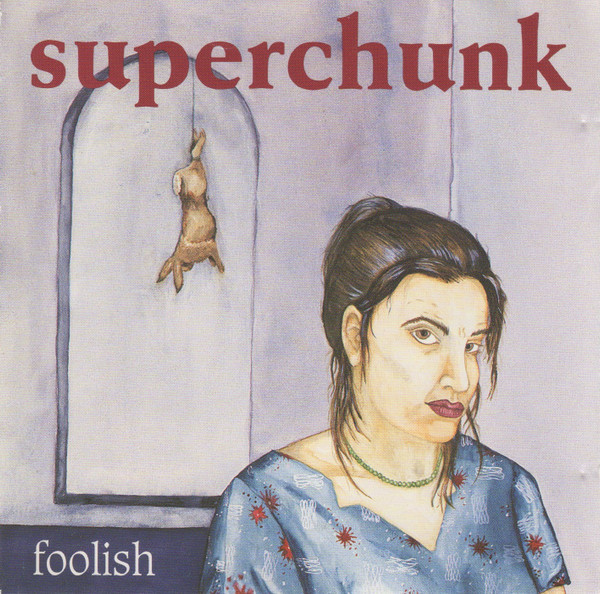
Foolish
1994
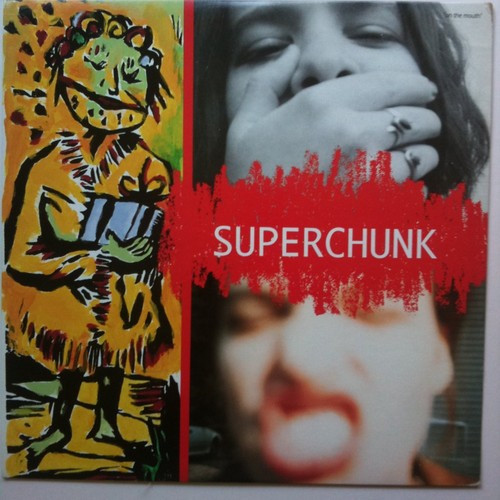
On The Mouth
1993

What A Time To Be Alive
2018
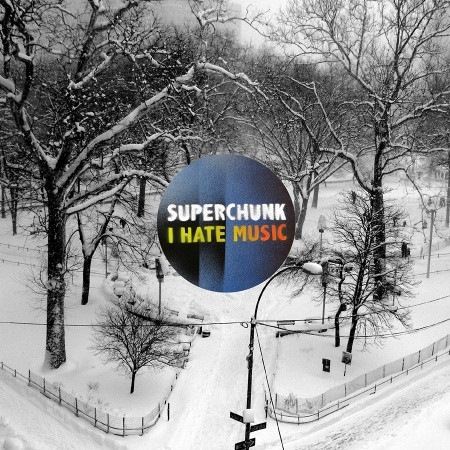
I Hate Music
2013

Incidental Music 1991-95
1995

Indoor Living
1997

Wild Loneliness
2022
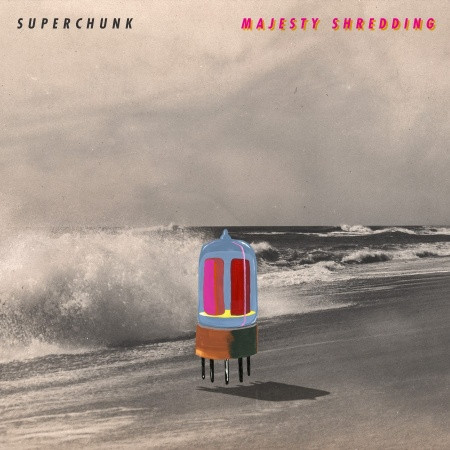
Majesty Shredding
2010
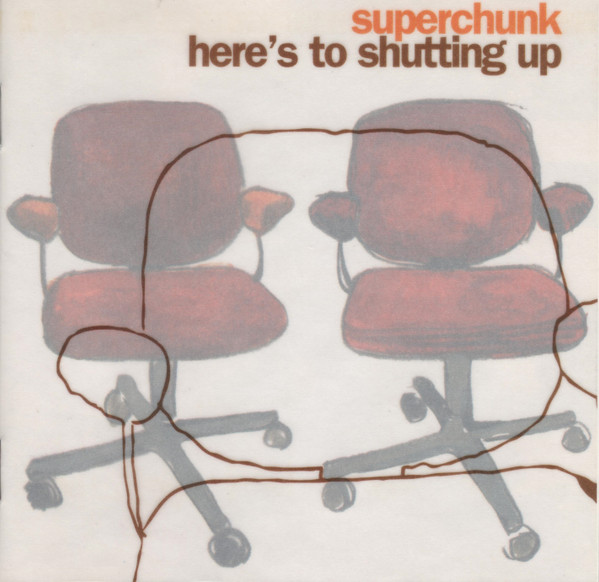
Here's To Shutting Up
2001

Superchunk
1990

Cup Of Sand
2003

Tossing Seeds (Singles 89-91)
1992
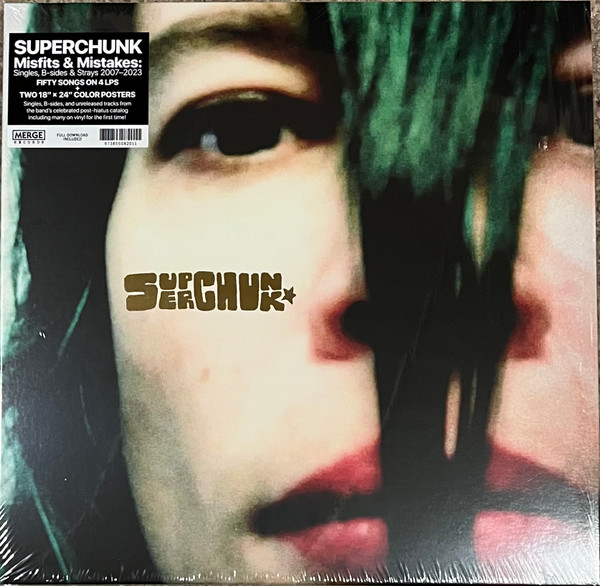
Misfits & Mistakes (Singles, B-Sides & Strays 2007-2023)
2023

Come Pick Me Up
1999

December
1993

This Summer
2012

Driveway To Driveway
1994

Mower
1992

The Freed Seed
1991

Ribbon / Who Needs Light
1994

The Question Is How Fast
1993

Hit Self-Destruct
1992
Related artists
Around the web
Follow every record they touch.
Start your shelf and Gatefold tracks Superchunk's new pressings, tour dates, and the whole discography — automatically.
Start your shelf →Free forever. Works with 10 records or 10,000.