
Artist
Sun Ra
Birmingham, United States · 1914 – 1993
Sun Ra is a musician from Birmingham, United States, active 1914–1993. Their discography on Gatefold includes 24 records. They also recorded with The Sun Ra Arkestra.

65
Albums tracked
128
In collections
1914
Since
Biography
Sonny Blount was playing piano for Fletcher Henderson at the Club DeLisa in Chicago when he decided he wasn't from Alabama anymore. He reinvented himself as an alien from Saturn, but the foundation was always the strictly disciplined, heavy-swinging big band charts of the 1930s. He ran the Arkestra like a communal cult, moving the whole band into a house in Philadelphia where they rehearsed for fifteen hours a day and pressed their own records on the Saturn label with hand-drawn sleeves. If you've ever tried to hunt down an original El Is A Sound Of Joy, you know the DIY grit of those early Chicago sessions. He was the first guy to really weaponize the Moog synthesizer in a jazz context, treating it like a space-age lead guitar rather than a novelty sound effect. People call him a 'free jazz' guy, but that's a lazy take. Ra was obsessed with structure and precision; the chaos was always rehearsed. He'd pivot from a Disney cover to a 20-minute percussion freakout without blinking, keeping guys like John Gilmore and Marshall Allen on a tight leash for decades. It wasn't just music; it was a total rejection of the corporate record industry before most punks were even born.
Bio from The Clerk
The Arc of Sun Ra
The pivots — what forced Sun Ra to reinvent.
The Chicago Hard-Bop Blueprint
Before the space capes, the Arkestra was a sharp-edged hard-bop unit cutting tracks for El Saturn Records in small Chicago studios. Sonny was still using the lessons he learned arranging for Fletcher Henderson, focusing on tight brass sections and sophisticated swing on records like Super-Sonic Jazz. You hear the transition starting when he brought in the electric piano and started experimenting with reverb and unconventional percussion instruments. It was the sound of a traditionalist realizing the 12-bar blues couldn't contain what he was seeing in his head.
The New York Free-Form Freakout
The move to New York in 1961 changed the air, pushing the band toward the avant-garde explosion happening at the ESP-Disk label. The compositions got longer, the melodies dissolved into collective improvisation, and the Arkestra began incorporating heavy ritualistic elements. Records like The Magic City ditch the swing pulse entirely for a shimmering, terrifying wall of sound built on dissonant strings and multi-layered woodwinds. This era proved Ra wasn't just a bandleader but a sound architect who could manipulate the physical energy of a room.
The Philadelphia Communal Epoch
After settling in a house in Germantown, the Arkestra became a self-sustaining ecosystem that blended ancient Egyptian mythology with high-tech synthesis. Sun Ra acquired a prototype Minimoog directly from Robert Moog and used it to define the sound of Space Is the Place, creating a sonic bridge between big band jazz and psychedelic funk. June Tyson’s vocals added a haunting, human core to the cosmic noise, making the records feel like recruitment films for an interstellar religion. The production became more dense and chaotic, reflecting a band that lived, ate, and breathed as a single organism.
Influences
- Fletcher Henderson — Ra worked as Henderson’s personal arranger in the 1940s and obsessed over his meticulous section writing. You hear this influence in the tight, disciplined horn charts that remained the backbone of the Arkestra even during their wildest free-jazz periods. He took the big band architecture and simply replaced the floorboards with cosmic dust.
- Duke Ellington — Sun Ra frequently cited Ellington as his primary spiritual and musical ancestor, even recording entire tribute albums like 'Light Blue'. The influence is obvious in how Ra used specific musicians for their unique 'tonal colors' rather than just their technical ability. It’s the same philosophy of writing for the man, not just the instrument.
- Theodore Thomas — As a young man in Alabama, Ra was deeply impacted by the classical recordings of the Chicago Symphony Orchestra founder. This drove his lifelong fascination with massive, complex arrangements and his insistence that jazz was a 'high art' capable of the same structural depth as European concert music. He wanted that same weight and gravity for the Arkestra.
- Bessie Smith — Sun Ra backed the Empress of the Blues during her later tours and never forgot the raw, communicative power of the country blues. You can hear that gritty, foundational earthiness in his piano solos, which often used stride and blues licks as a launchpad for his more abstract explorations. It kept the 'space' music rooted in the black American experience.
- Count Basie — The Arkestra’s early rhythm sections were modeled directly after Basie’s 'All-American Rhythm Section' for their driving, relentless swing. Ra took Basie’s minimalist piano style—the 'less is more' approach—and used it to create space in his own compositions. Even at his most experimental, that deep, four-on-the-floor pulse was often humming underneath the surface.
Sun Ra — solo
Their records — most-collected first.
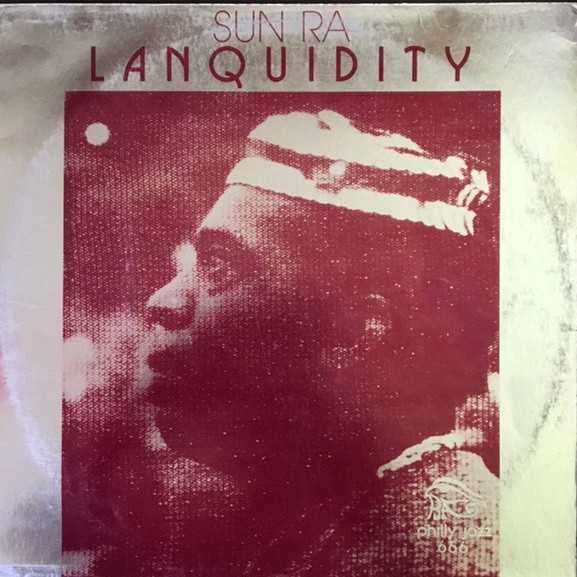
Lanquidity
1978
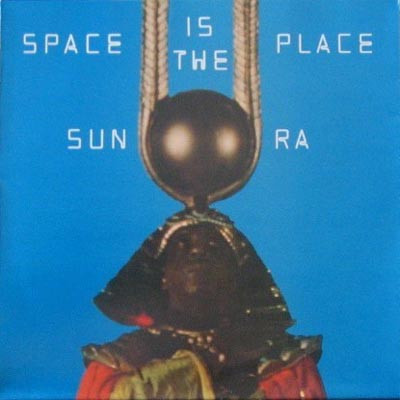
Space Is The Place
1973
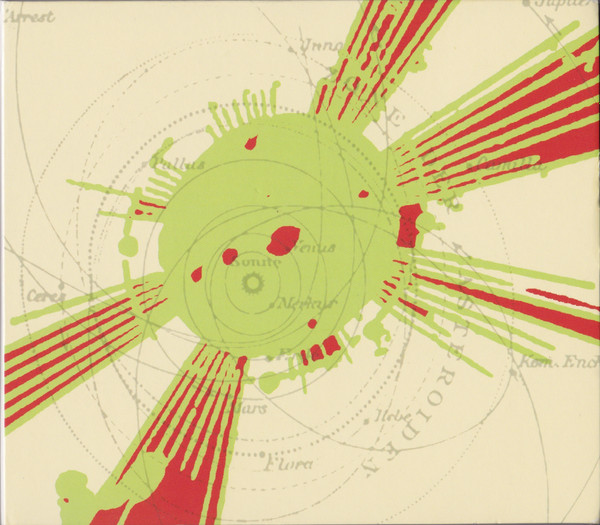
The Heliocentric Worlds Of Sun Ra
2010

The Futuristic Sounds Of Sun Ra
1962
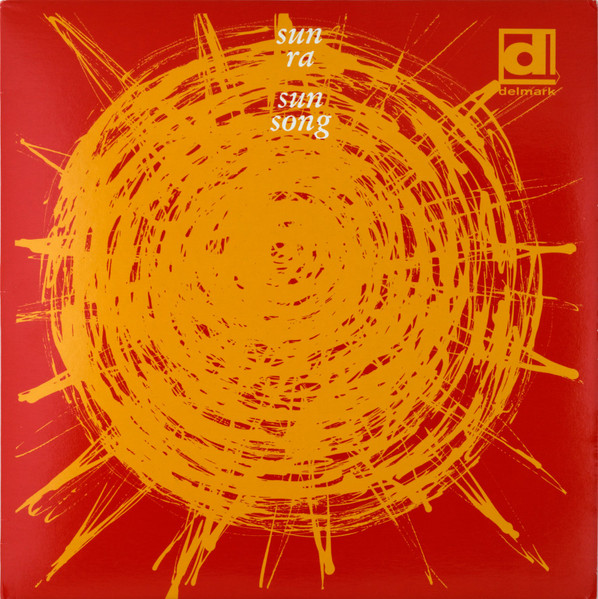
Jazz By Sun Ra Vol. 1
1957
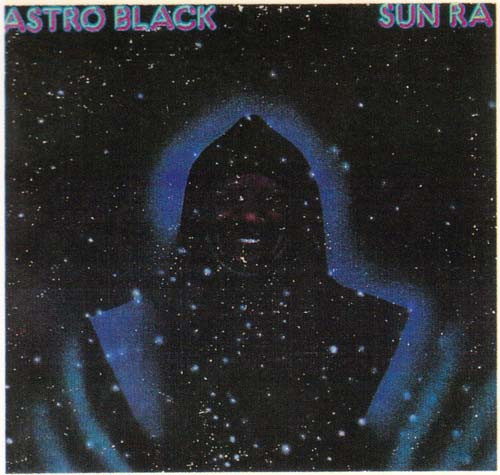
Astro Black
1973

The Heliocentric Worlds Of Sun Ra, Volume 2
1966
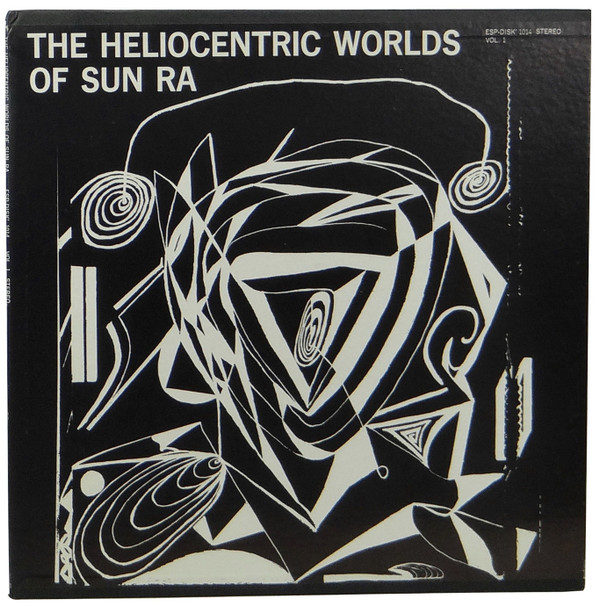
The Heliocentric Worlds Of Sun Ra, Vol. I
1965

Exotica
2017
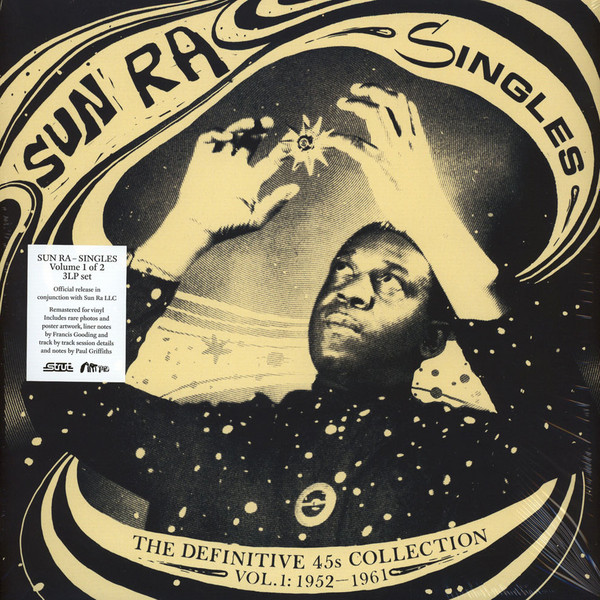
Singles Volume 1 (The Definitive 45s Collection 1952-1961)
2016

Nothing Is...
1966

Standards
2001

Calling Planet Earth
1998
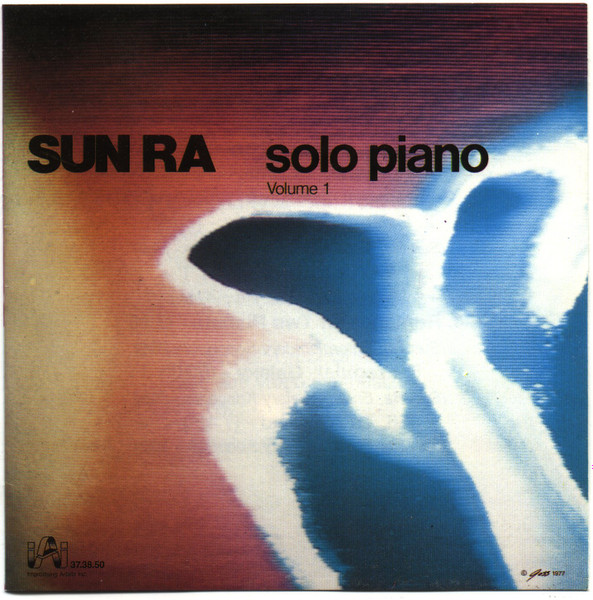
Solo Piano - Volume 1
1977

The Magic City
1966

Crystal Spears
2018

Four Classic Albums Plus Bonus Singles
2012

Janus
1999

Somewhere Else
1993

Purple Night
1990

Blue Delight
1989

Strange Celestial Road
1980

Cosmos
1976

Kingdom Of Discipline
2024
The Sun Ra Arkestra
Sun Ra under another name — MusicBrainz marks this project eponymous.
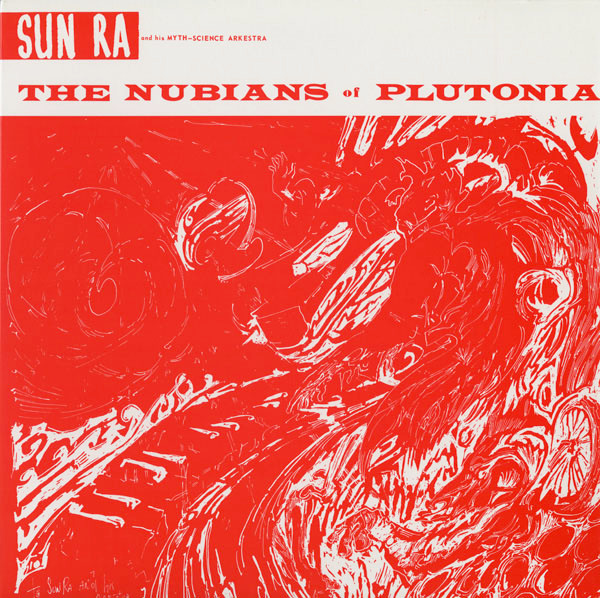
The Nubians Of Plutonia
1969

Angels And Demons At Play
1967

Pictures Of Infinity
1971
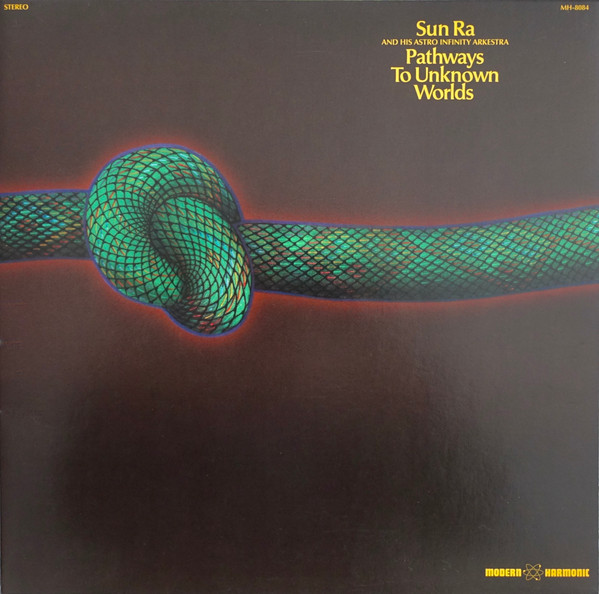
Pathways To Unknown Worlds
1975

We Travel The Space Ways
1967

A Fireside Chat With Lucifer
1983

The Other Side Of The Sun
1979

Universe In Blue
1972
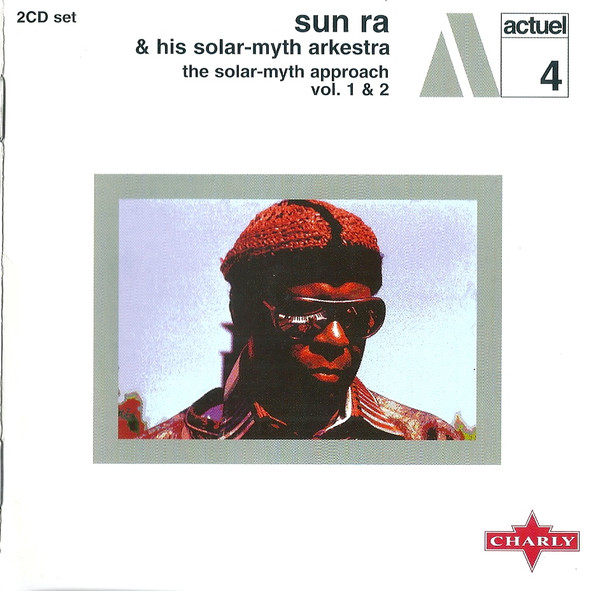
The Solar-Myth Approach Vol. 1 & 2
1971

Atlantis
1970

My Brother The Wind
1970

Other Planes Of There
1966

The Space Age Is Here To Stay
2016

Live At Babylon
2015

Rocket Ship Rock
2009

Music From Tomorrow's World
2002

Angels And Demons At Play / The Nubians Of Plutonia
1993

Destination Unknown
1993
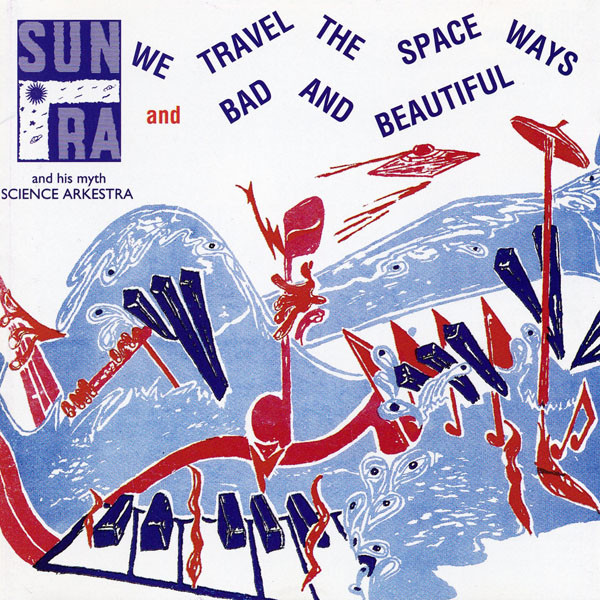
We Travel The Spaceways / Bad & Beautiful
1992

Cosmic Tones For Mental Therapy / Art Forms Of Dimensions Tomorrow
1992

Out There A Minute
1989

Discipline 27-II
1973

The Solar-myth Approach, Vol. 2
1972

The Solar-Myth Approach Vol. 1
1972
Related artists
Frequent collaborators
Around the web
Follow every record they touch.
Start your shelf and Gatefold tracks Sun Ra's new pressings, tour dates, and the whole discography — automatically.
Start your shelf →Free forever. Works with 10 records or 10,000.