
Artist
Sufjan Stevens
Detroit, United States · b. 1975
Sufjan Stevens is a musician from Detroit, United States, active since 1975. Their discography on Gatefold includes 24 records. They also recorded with Danielson.

35
Albums tracked
466
In collections
1975
Since
Biography
Sufjan tracked most of Michigan on a cheap Roland VS-880 digital workstation in his New York apartment, layering banjo and oboe until the thing practically redlined. He wasn't some refined folkie; he was a kid from the Danielson Famile scene who didn't know when to stop adding tracks. That DIY clutter is the secret sauce. Without that apartment-studio grit, the chamber-pop arrangements would’ve drifted off into some polite, orchestral purgatory. He spent years hiding behind massive concepts and state-shaped gimmicks until the armor finally cracked. The five-disc Christmas box sets and the BQE symphonies felt like a guy desperate to avoid being just another singer-songwriter. When he eventually stripped it all back, it wasn't a retreat—it was a goddamn reckoning. He’s the only artist who can pivot from a glitchy electronic breakdown about the apocalypse to a bare-bones ballad about his mother without looking like a prick.
Bio from The Clerk
The Arc of Sufjan Stevens
The pivots — what forced Sufjan Stevens to reinvent.
The State Project Bluff
After the lo-fi experimentation of A Sun Came, Sufjan leaned into the grand lie of the 50 States project to justify his maximalist impulses. He brought in the Illinoisemakers and stacked brass, woodwinds, and choral arrangements on top of indie-rock foundations, turning local geography into a high-concept myth. It was an era defined by Casio keyboards, glockenspiels, and a relentless work ethic that peaked with Illinois. Every critic fell for the gimmick, but the real meat was in the intricate, layered production he was doing mostly by himself.
The Prophet of Noise
By 2010, the banjo was in the trash and Sufjan was obsessed with the schizophrenic art of Royal Robertson. The Age of Adz dropped the chamber-folk entirely for Prophet-08 synths, aggressive digital clipping, and a twenty-five minute closing track that sounded like a panic attack in a computer factory. This wasn't a career pivot so much as a scorched-earth policy against his own reputation. It forced the 'sensitive folk' crowd to either follow him into the glitch or get off the ride.
The Oregon Basement Tapes
Following the death of his mother, he ditched the 808s and the costumes for a return to the bleakest possible fidelity on Carrie & Lowell. Recorded in part on a laptop in a hotel room, the album features the literal hum of the air conditioner and the hiss of the room. There are no drum kits and no orchestral flourishes—just double-tracked vocals and a guitar that sounds like it’s being played three inches from your ear. It stripped away the conceptual safety nets he'd been using for fifteen years.
Influences
- Nick Drake — Sufjan has specifically cited the stripped-back production of Pink Moon as the blueprint for his quieter work. You hear it in the breathy vocal delivery and the intricate, close-mic'd acoustic fingerpicking on Seven Swans. It’s the sound of a guy trying to make a small room feel massive.
- Steve Reich — The interlocking mallet percussion and repetitive woodwind patterns in songs like 'Come On! Feel the Illinoise!' are straight out of Music for 18 Musicians. Stevens studied composition and it shows in his use of phasing and minimalist cycles. He took high-art theory and shoved it into an indie-rock framework.
- The Danielson Famile — Daniel Smith was Sufjan's mentor and released his early records on the Sounds Familyre label. The chaotic, 'everything-including-the-kitchen-sink' arrangement style of the state records was born in the Danielson touring van. Without Smith's brand of holy-roller eccentricity, Sufjan might have stayed a standard-issue singer-songwriter.
- Joni Mitchell — Sufjan covered 'Free Man in Paris' and has frequently praised Mitchell’s ability to use non-standard tunings and jazz-adjacent structures. You can trace his shift from simple folk to the complex, piano-driven jazz-pop of The BQE directly to her mid-70s output. He treats the song structure like a piece of architecture, just like she did.
- Paul Simon — The DNA of Simon's 'Still Crazy After All These Years' and his obsession with meticulous, clean studio production is all over Sufjan's pop leanings. You hear the influence in the dry snare sounds and the way Sufjan stacks his own vocal harmonies to create a choir of one. It’s that specific brand of intellectual, rhythmically precise folk-pop.
Sufjan Stevens — solo
Their records — most-collected first.
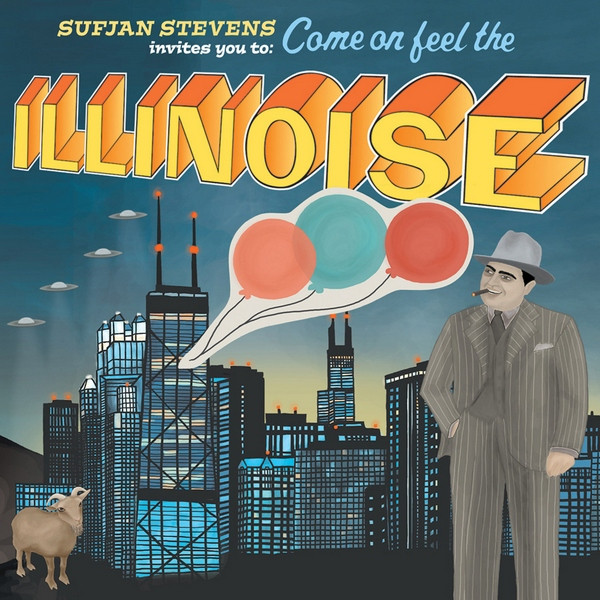
Illinois
2005
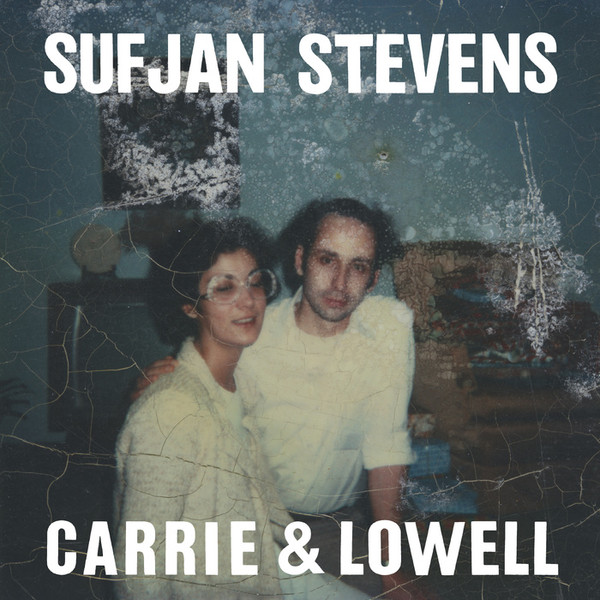
Carrie & Lowell
2015
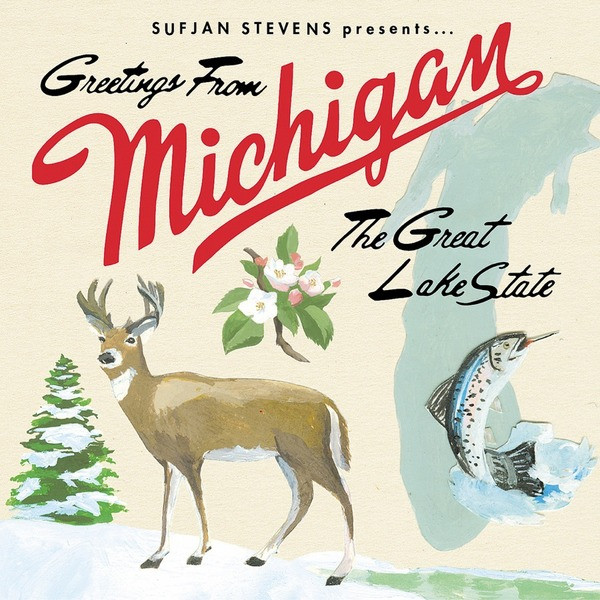
Greetings From Michigan The Great Lake State
2004
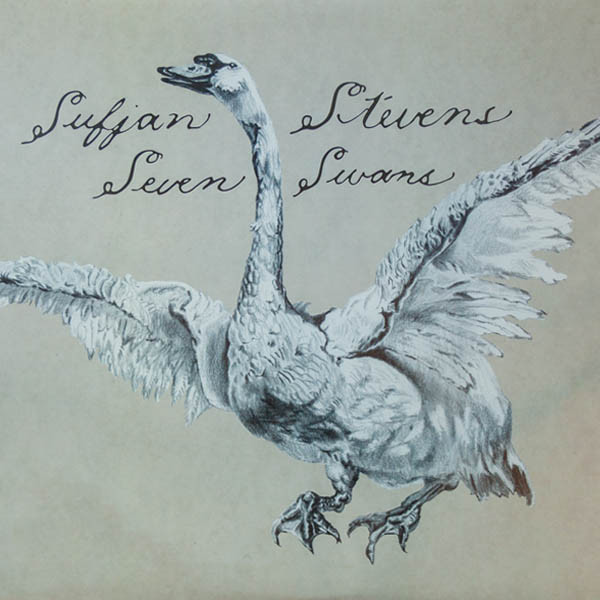
Seven Swans
2004
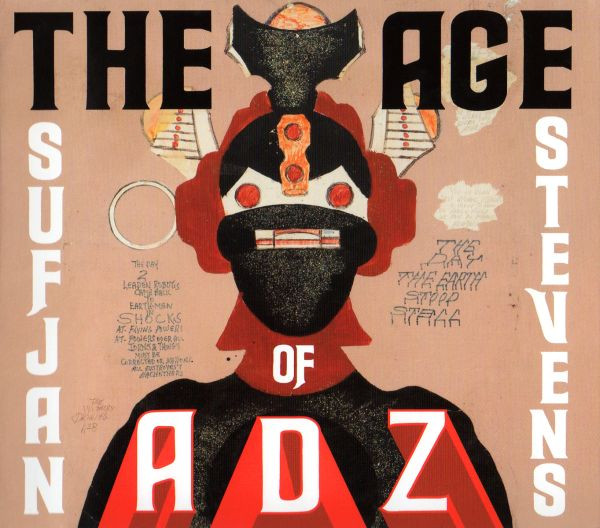
The Age Of Adz
2010
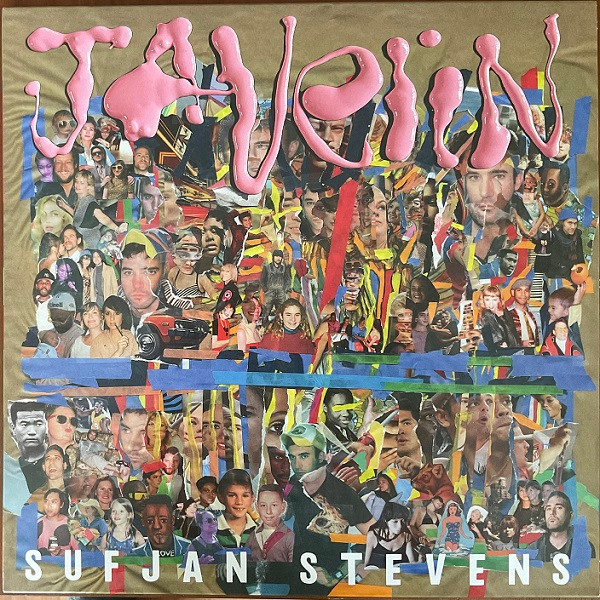
Javelin
2023
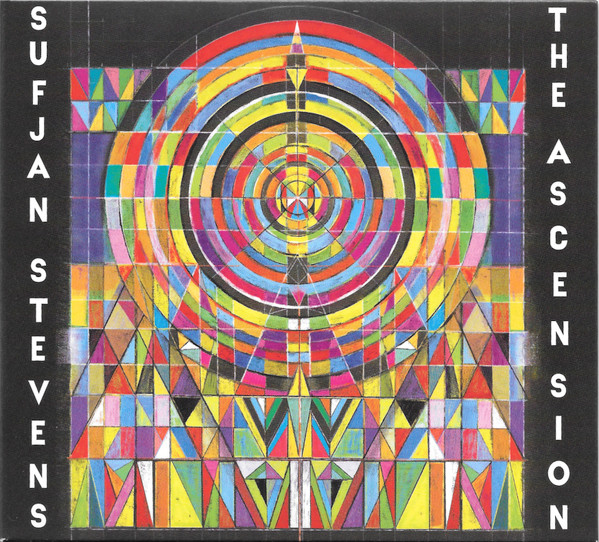
The Ascension
2020

A Beginner's Mind
2021
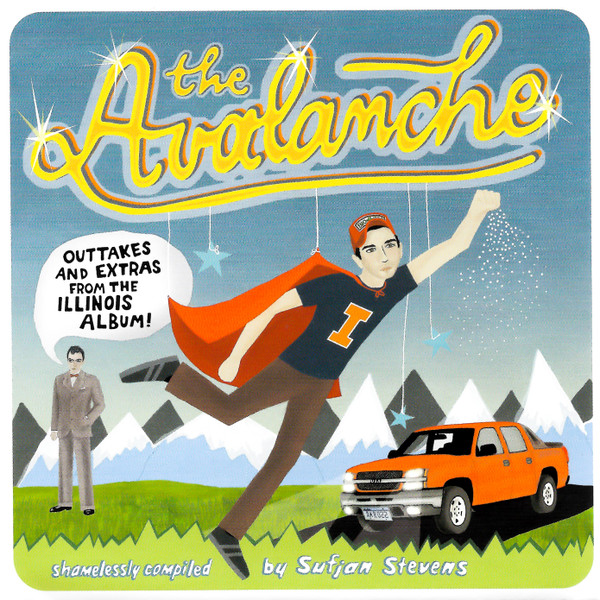
The Avalanche
2006
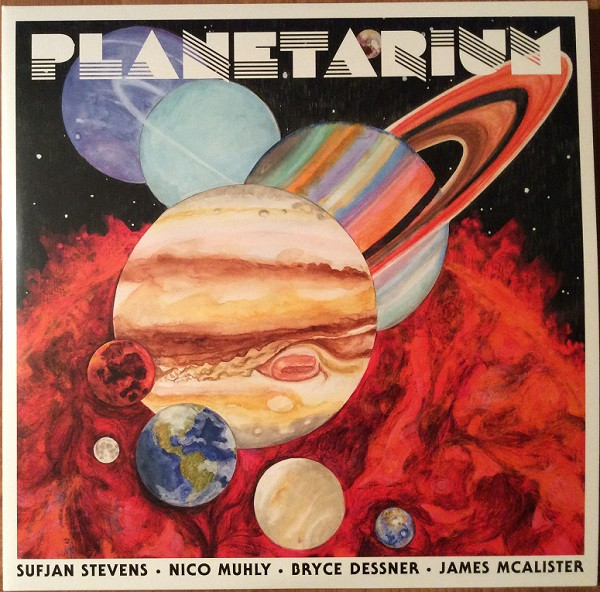
Planetarium
2017
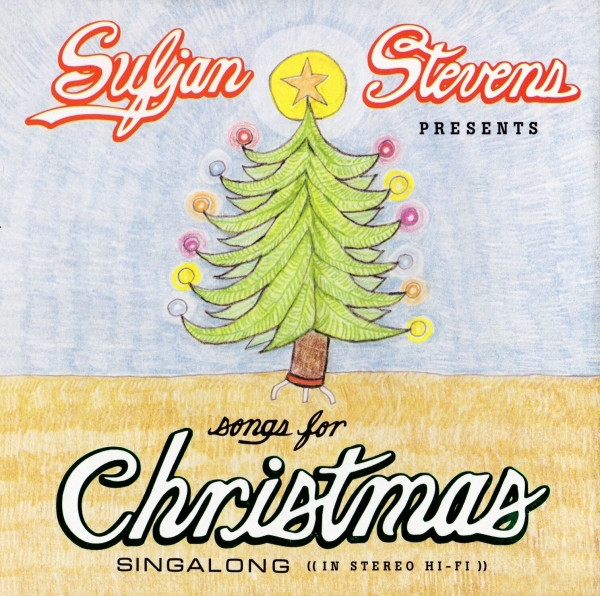
Songs For Christmas
2006
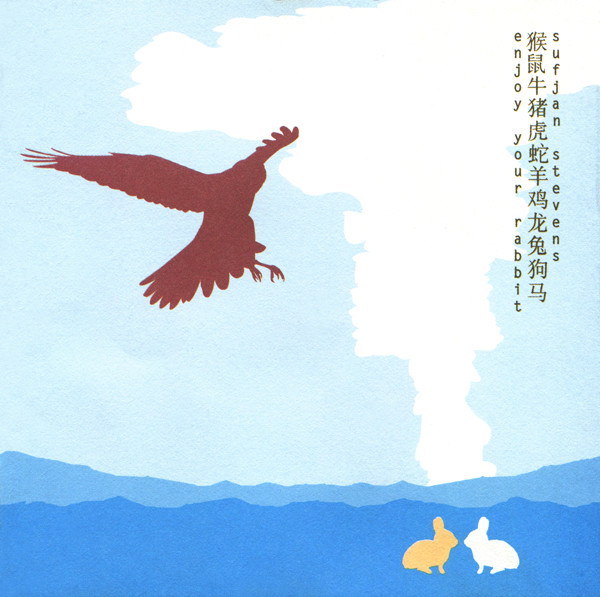
Enjoy Your Rabbit
2001
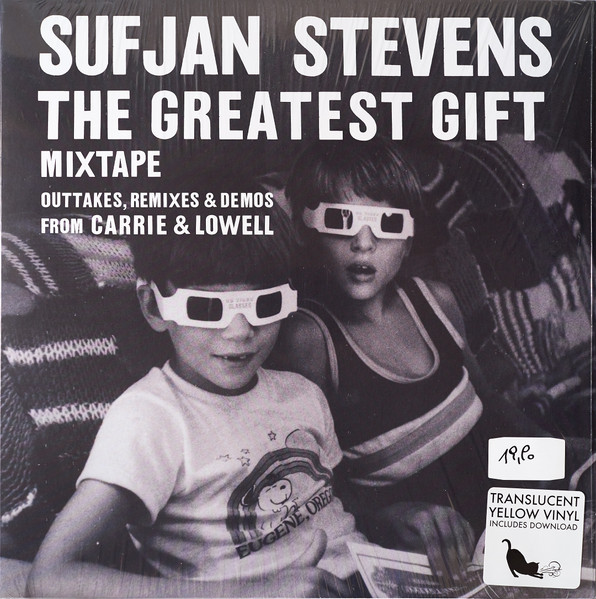
The Greatest Gift (Mixtape) (Outtakes, Remixes & Demos From Carrie & Lowell)
2017

All Delighted People EP
2010
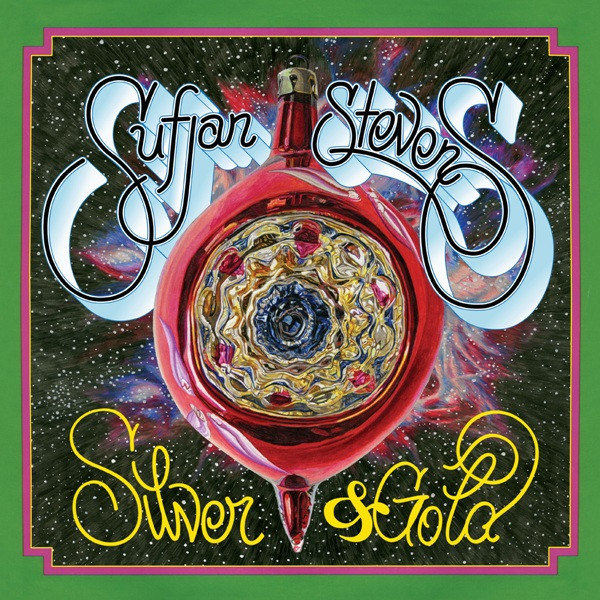
Silver & Gold
2012
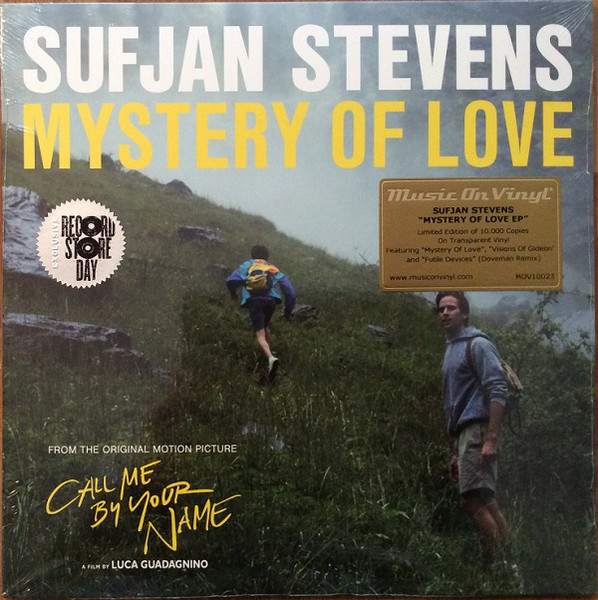
Mystery Of Love
2018

Love Yourself / With My Whole Heart
2019

The Decalogue
2019
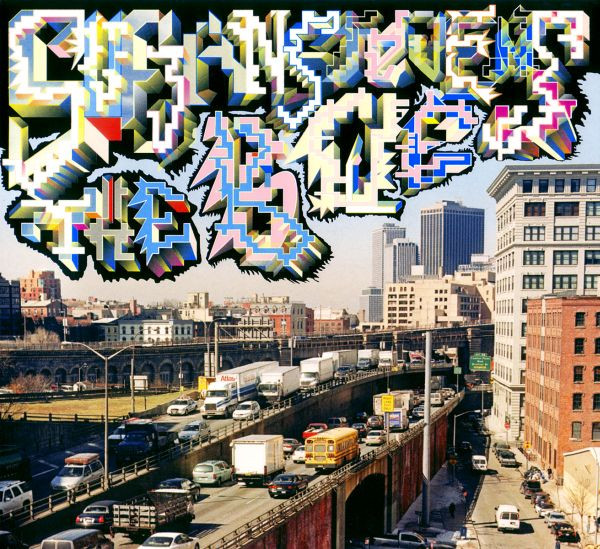
The BQE (The Original Motion Picture Soundtrack)
2009

Convocations
2021
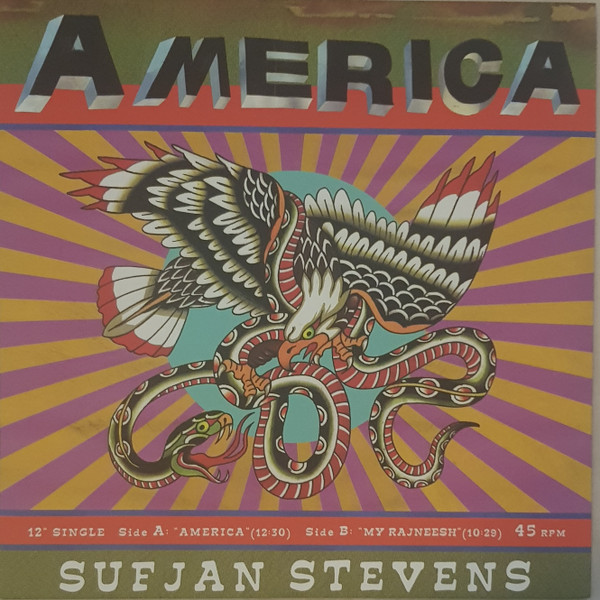
America
2020
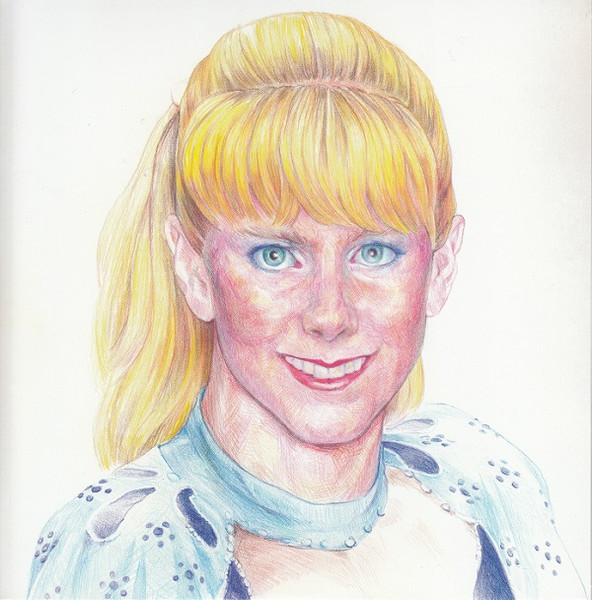
Tonya Harding
2018
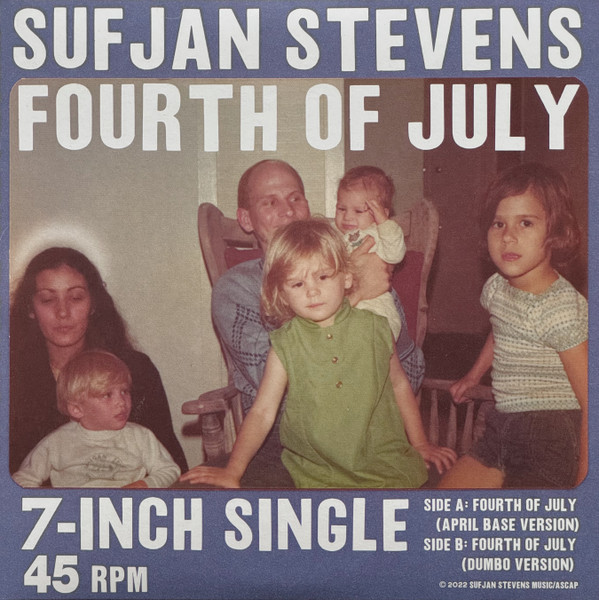
Fourth Of July
2022
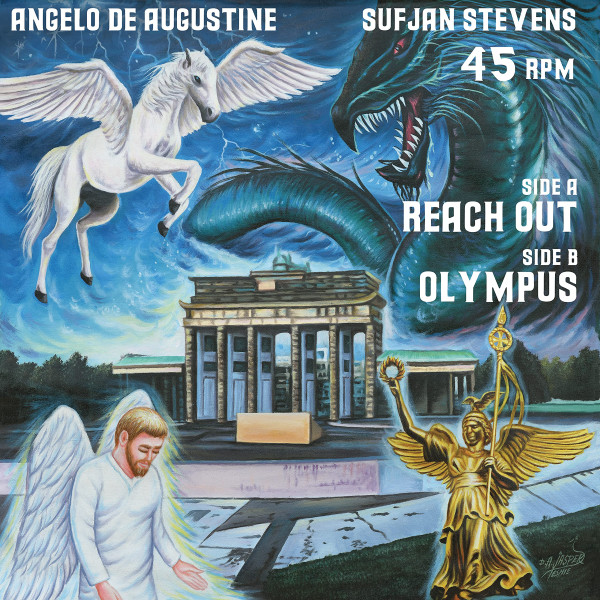
Reach Out / Olympus
2021
Danielson
A project Sufjan Stevens was part of.

Related artists
Frequent collaborators
Around the web
Follow every record they touch.
Start your shelf and Gatefold tracks Sufjan Stevens's new pressings, tour dates, and the whole discography — automatically.
Start your shelf →Free forever. Works with 10 records or 10,000.