
Artist
The Staple Singers
United States · 1948 – 1994
The Staple Singers is a music group from United States, active 1948–1994. Their discography on Gatefold includes 24 records.

31
Albums tracked
80
In collections
1948
Since
Biography
Pops Staples bought a ten-dollar guitar from a pawn shop, plugged it into a small amplifier with the tremolo cranked to a slow, swampy throb, and accidentally invented the sound of the civil rights movement. He wasn't playing jazz or standard blues; he was playing Delta dirt filtered through a Chicago living room. By the time they signed to Vee-Jay in the late fifties, they weren't just a gospel act. They were a family unit using spooky, reverb-drenched minimalism to make the church feel like a late-night juke joint. They hit a weird patch in the late sixties trying to cover Dylan and Buffalo Springfield for Epic, which felt like the label was trying to force them into a folk-rock suit that didn't fit. It took a move to Stax and a pairing with Al Bell to realize that Mavis didn't need to be a folk singer—she was a soul powerhouse. They swapped the acoustic pious vibes for the Muscle Shoals Rhythm Section, turned the bass up until the floors shook, and started making records that worked as well in a club as they did at a rally. It’s the rarest thing in music: a group that traded their purity for a groove and actually became more honest in the process.
Bio from The Clerk
The Arc of The Staple Singers
The pivots — what forced The Staple Singers to reinvent.
The Vee-Jay Gospel Blues
From 1957 through the early sixties, the family lived in the echo-heavy space of the Vee-Jay catalog. Pops used his signature tremolo-soaked electric guitar to provide the only accompaniment they needed, creating a stark, haunting backdrop for Mavis’s low-register growl. These records like Uncloudy Day feel lonely and massive at the same time, recorded with a minimalist focus that treated silence like an instrument. It was gospel music stripped of the Sunday morning polish and dipped in Mississippi mud.
The Stax Soul Reinvention
The shift happened when Al Bell took over production duties and moved the operation to Muscle Shoals, bringing in the Swampers to provide a heavy, syncopated bottom end. Albums like Be Altitude: Respect Yourself abandoned the folk-leaning experiments of their Epic years for a thick, funky R&B sound that gave Mavis a massive canvas for her ad-libs. This wasn't just a change in genre; it was a structural overhaul that turned a family gospel group into a hit-making machine for the black power era. You hear it in the way the drums sit right at the front of the mix, pushing the vocals to stay gritty instead of pretty.
The Curtis Mayfield Pivot
By 1975, the Stax empire was collapsing and the group hooked up with Curtis Mayfield and his Curtom label for the Let’s Do It Again soundtrack. Mayfield brought his signature cinematic soul production—silky strings, wah-wah guitars, and a lighter, more suggestive rhythmic touch—that moved the Staples away from the heavy thud of Memphis. It was their most commercial move, trading the protest fire for a smoother, late-night groove that redefined them for the disco era. The grit was still there in Mavis’s throat, but the room around her had turned to velvet.
Influences
- Charley Patton — Pops Staples grew up on the Dockery Plantation where Patton lived and played, and he explicitly cited Patton’s snapping thumb-and-finger guitar style as his primary technical foundation. You hear it in the percussive, rhythmic snap of Pops's playing on the early Vee-Jay sides. It’s the sound of the Delta blues hidden inside a gospel song.
- The Soul Stirrers — The group modeled their vocal arrangements after the Soul Stirrers' pioneering quartet style, specifically the way Sam Cooke moved from lead to harmony. Mavis has stated that Cooke was her biggest vocal inspiration, teaching her how to use phrasing to build tension. That effortless slide from a whisper to a shout on records like 'Hammer and Nails' is pure Cooke.
- Blind Lemon Jefferson — Pops spent his childhood listening to Jefferson's records and later covered 'Blind Lemon's Arrival' as a tribute to the man's influence on his melodic phrasing. Jefferson's erratic, single-note runs and high-lonesome vocal style informed the way Pops used his guitar as a second voice. It gave the group a jagged, bluesy edge that separated them from the smoother vocal groups of the era.
- Mahalia Jackson — As a close family friend and mentor, Jackson took the group on tour in the early fifties and taught them how to command a stage without losing their spiritual focus. Her influence is most apparent in the sheer physical weight of Mavis's delivery. She didn't just sing the notes; she pushed them from her chest the same way Mahalia did.
- Muddy Waters — The Staples and Waters were part of the same Great Migration circle in Chicago, and Pops admitted to soaking up Muddy’s electrified slide technique to toughen up his own sound. When they moved to a full band setup at Stax, that Chicago blues grit became the connective tissue between their gospel roots and their soul future. It’s the difference between a polite hymn and a heavy groove.
Discography
Their records — most-collected first.

Be Altitude: Respect Yourself
1972

Let's Do It Again (Original Soundtrack)
1975
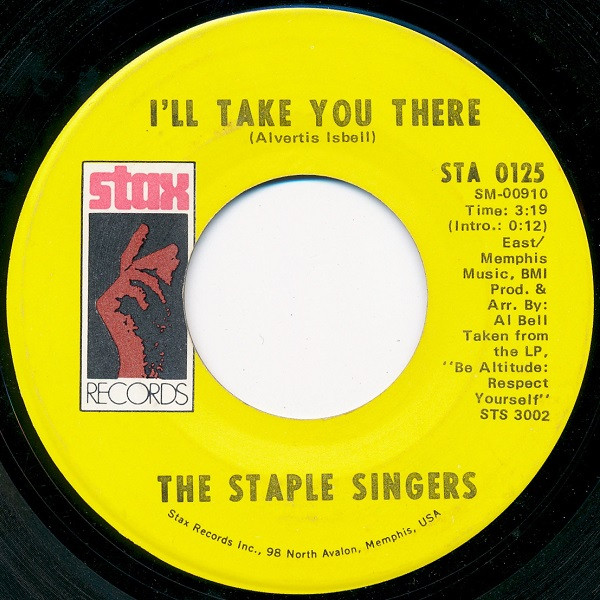
I'll Take You There
1972

Be What You Are
1973

The Twenty-Fifth Day Of December
1962

Pass It On
1976

The Best Of The Staple Singers
1974
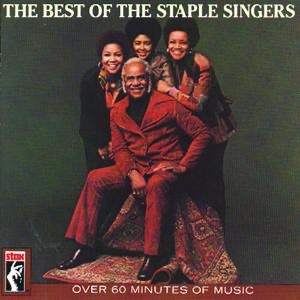
The Best Of The Staple Singers
1986

City In The Sky
1974
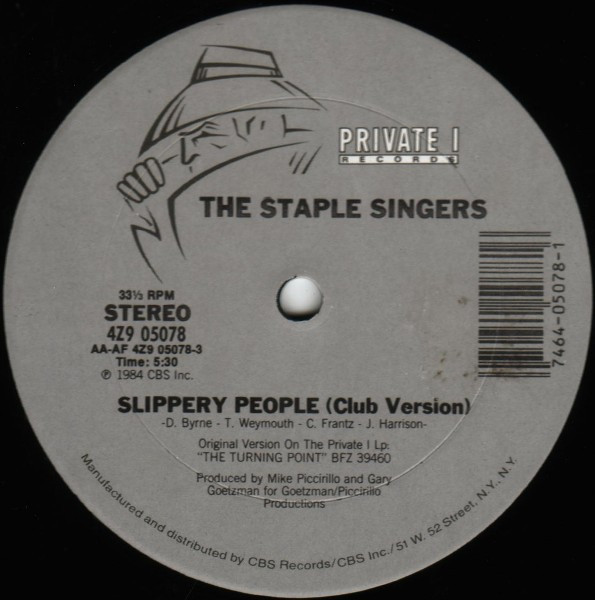
Slippery People
1984

The Staple Swingers
1971

Soul Folk In Action
1968

Why
1966

This Little Light
1965

Come Go With Me: The Stax Collection
2020

The Staple Singers
1985

Hold On To Your Dream
1981

Chronicle - Their Greatest Stax Hits
1979

Unlock Your Mind
1978

Family Tree
1977
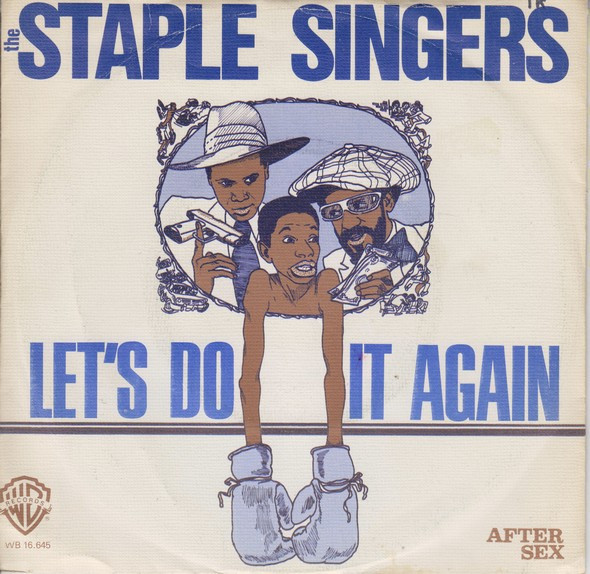
Let's Do It Again / After Sex
1975
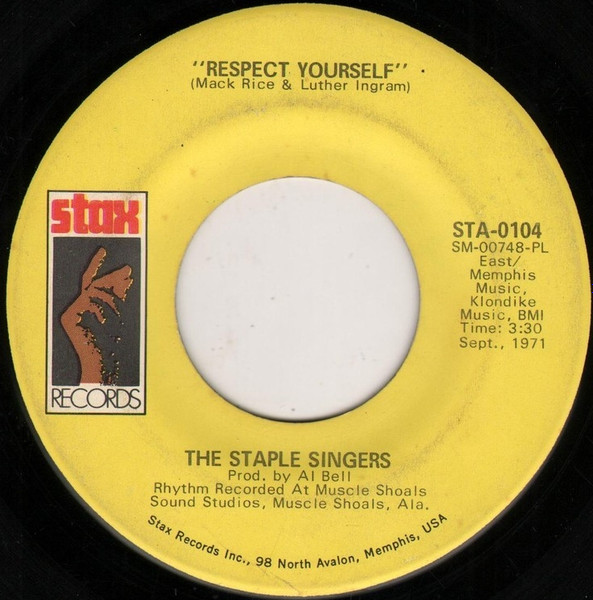
Respect Yourself
1971

Heavy Makes You Happy (Sha-Na-Boom Boom) / Love Is Plentiful
1970

For What It's Worth
1967
Related artists
Frequent collaborators
Around the web
Follow every record they touch.
Start your shelf and Gatefold tracks The Staple Singers's new pressings, tour dates, and the whole discography — automatically.
Start your shelf →Free forever. Works with 10 records or 10,000.