
Artist
Spoon
Austin, United States
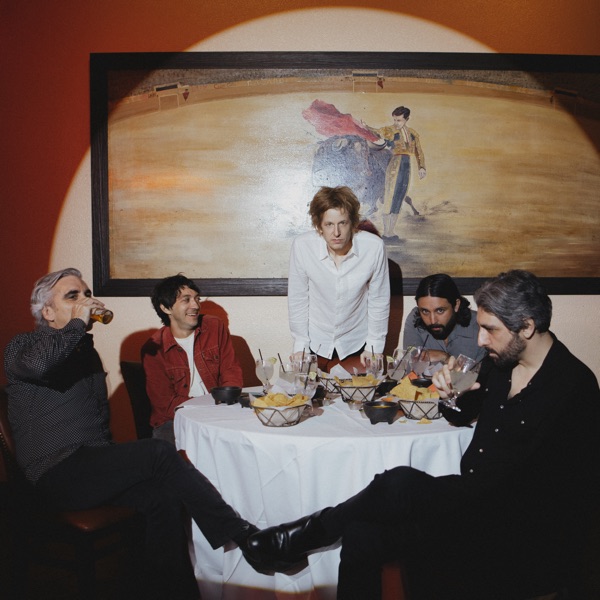
Spoon is a music group from Austin, United States. Their discography on Gatefold includes 20 records.
20
Albums tracked
359
In collections
—
Since
Biography
Elektra signed them off a demo, let them cut A Series of Sneaks with Ron Aniello and Mike McCarthy, and then dropped them four months after release when their A&R guy Ron Laffitte jumped ship. Most bands fold right there. Britt Daniel and Jim Eno wrote a two-song concept single roasting the A&R guy by name, bought their own tape machines, and decided that empty space was louder than wall-of-sound distortion. That was the whole turning point. They stripped away the 90s noise-rock clutter, turned Jim Eno's snare drum into a lead instrument, and treated silence like an actual chord. From Girls Can Tell through Ga Ga Ga Ga Ga, they pulled off the most ruthlessly consistent run in modern rock by being minimalists who loved classic pop hooks. No wasted notes, no guitar solos eating up bandwidth, no bloated concepts. They stumbled slightly when Transference pushed the lo-fi basement sketch idea a little too far into cold isolation, but they corrected hard by bringing in outside ears like Dave Fridmann to beef up the low end without losing their rhythm-first backbone.
Bio from The Clerk
The Arc of Spoon
The pivots — what forced Spoon to reinvent.
The Major Label Bruising and the Pivot to Space
Getting dropped by Elektra in 1998 cured them of trying to be Pixies disciples. Instead of chasing radio fuzz, Britt Daniel and Jim Eno locked themselves in rehearsal spaces to build tracks out of stark, percussive arrangements and piano stabs. Working closely with producer Mike McCarthy, they delivered Girls Can Tell and Kill the Moonlight, trading blown-out amps for tambourines, beatboxing, and cavernous negative space. You hear a band realizing that leaving out three instruments makes the remaining two hit ten times harder.
The Peak Merge Run
By 2005, the minimalism turned into undeniable rhythmic swagger. Gimme Fiction and Ga Ga Ga Ga Ga added tight horn sections, Mellotrons, and Motown-indebted grooves, turning an art-punk outfit into a lean hit machine on an independent budget. Eric Harvey joined on keys and guitar, giving Daniel the headroom to lean fully into his gritty, percussive vocal delivery. The records charted higher simply because the hooks were bulletproof and completely devoid of fat.
The Fridmann Gloss and the Austin Rock Reset
After self-producing the austere, fractured Transference, the band broke routine and brought in Dave Fridmann and Joe Chiccarelli for They Want My Soul and Hot Thoughts. The synths went widescreen, the basslines got saturated, and Alex Fischel's keys became a core melodic engine. They pushed the sheen as far as it could go before ditching the slick electronics, heading back to Austin with bassist Ben Trokan and guitarist Gerardo Larios, and tracking Lucifer on the Sofa live in the room with classic guitar-amp grit.
Influences
- Wire — Daniel has repeatedly cited Pink Flag as the absolute blueprint for cutting the bullshit out of songwriting. You hear it in the clipped, sudden endings and refusal to write standard bridges on tracks like 'The Minor Fall' and 'Lines in the Suit'. Two minutes, say the point, stop playing.
- Can — The band took their name directly from Can's 1970 single and 1976 album Spoon, building their entire foundation around Jaki Liebezeit's metronomic, groove-first drumming. Jim Eno's whole pocket on records like Kill the Moonlight is pure Krautrock discipline applied to three-minute rock songs. The rhythm section is never just backing; it is the track.
- Prince — Daniel has openly broken down how Prince's tight, dry drum machine tracks and eccentric vocal rhythms shaped Spoon's vocal delivery and arrangements. You hear the direct funk lineage on 'I Turn My Camera On' and the rhythmic syncopation across Gimme Fiction. It is pop minimalism played with rock instrumentation.
- The Kinks — The band covered 'Moment of Suspicion' and 'This Is Where I Belong', lifting Ray Davies' dry character sketches and choppy rhythm-guitar drive. The bouncy, piano-led arrangements on Girls Can Tell and Ga Ga Ga Ga Ga trace right back to late-60s Kinks. It is classic British Invasion songcraft stripped of all nostalgic schmaltz.
- John Lennon — Plastic Ono Band is the north star for the drum sound and stark piano thumping on Kill the Moonlight and Transference. Daniel's raw, throat-tearing vocal delivery deliberately mirrors Lennon's dry, unvarnished 1970 mic placement. No heavy reverbs to hide behind—just dry compression and raw performance.
Discography
Their records — most-collected first.
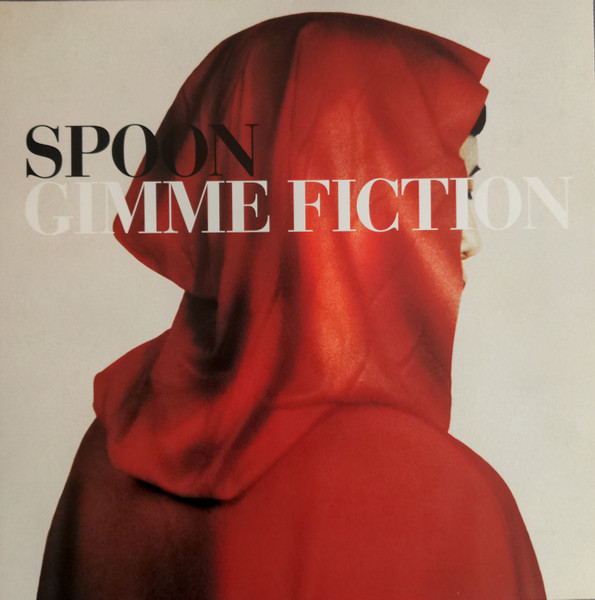
Gimme Fiction
2005

Ga Ga Ga Ga Ga
2007
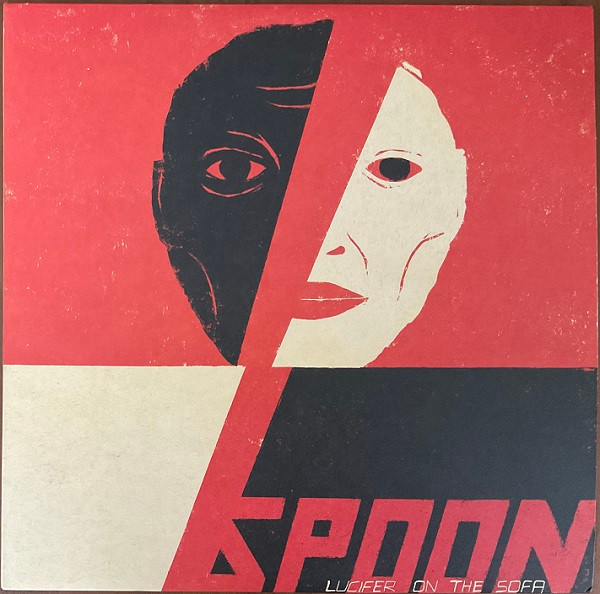
Lucifer On The Sofa
2022
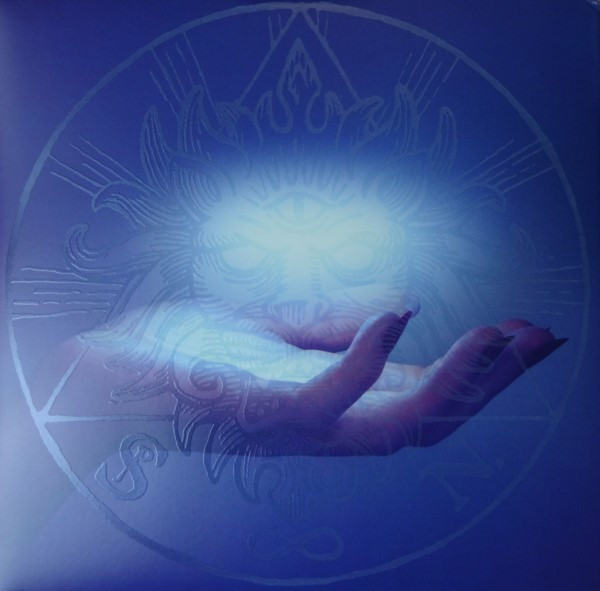
They Want My Soul
2014
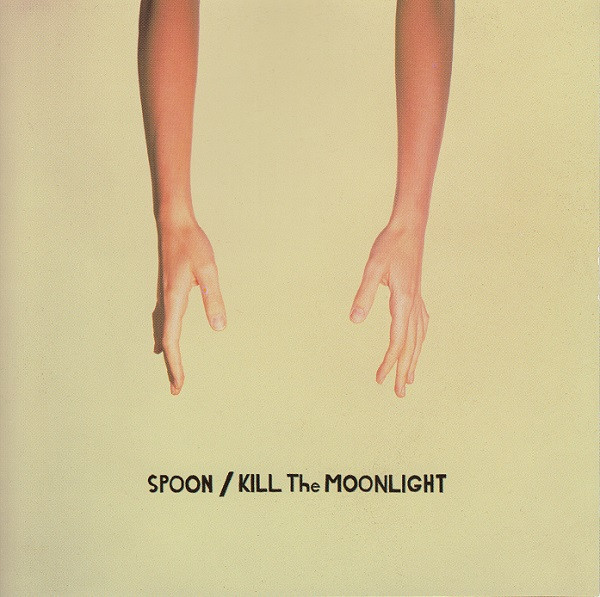
Kill The Moonlight
2002

Hot Thoughts
2017
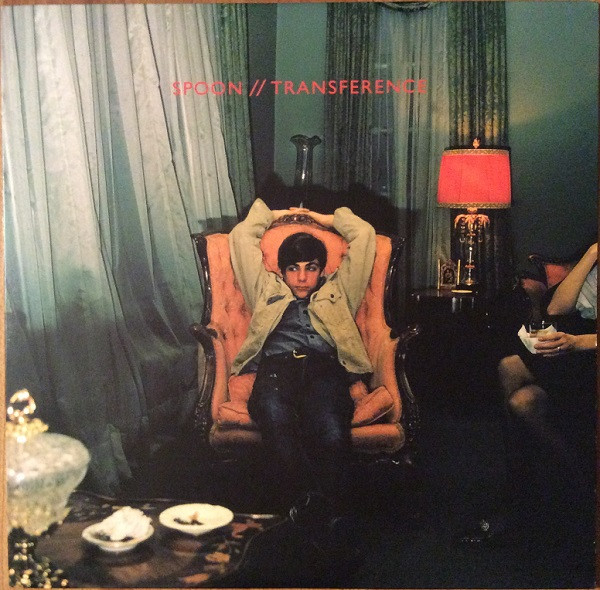
Transference
2010
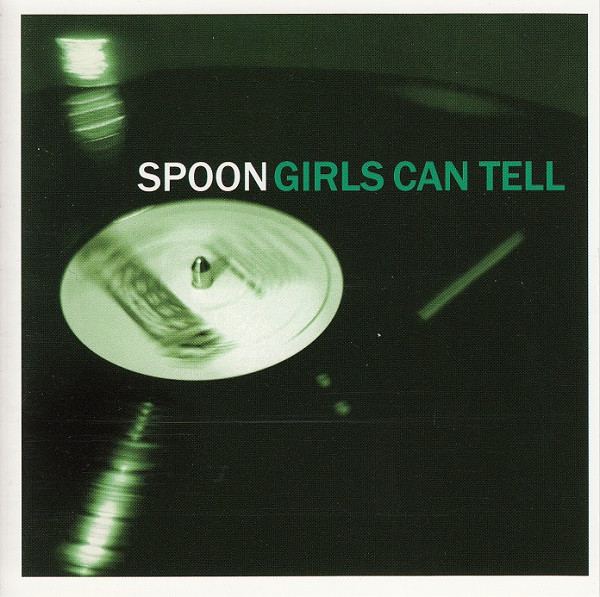
Girls Can Tell
2001
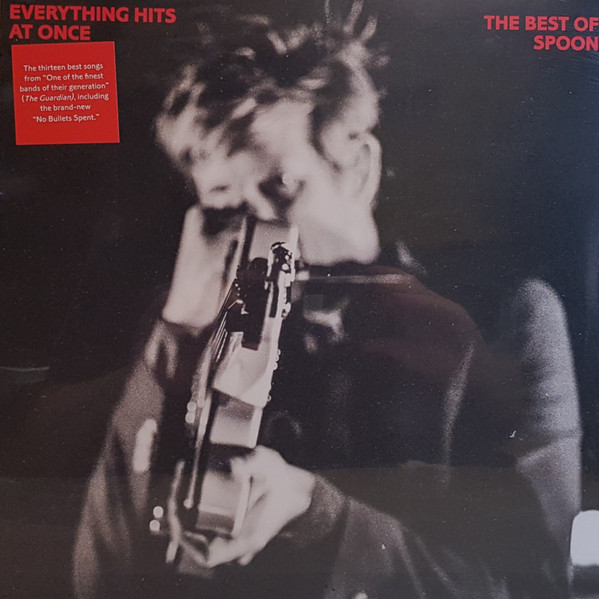
Everything Hits At Once (The Best Of Spoon)
2019

A Series Of Sneaks
1998

Soft Effects EP
1997

Telephono
1996

TV Set
2015
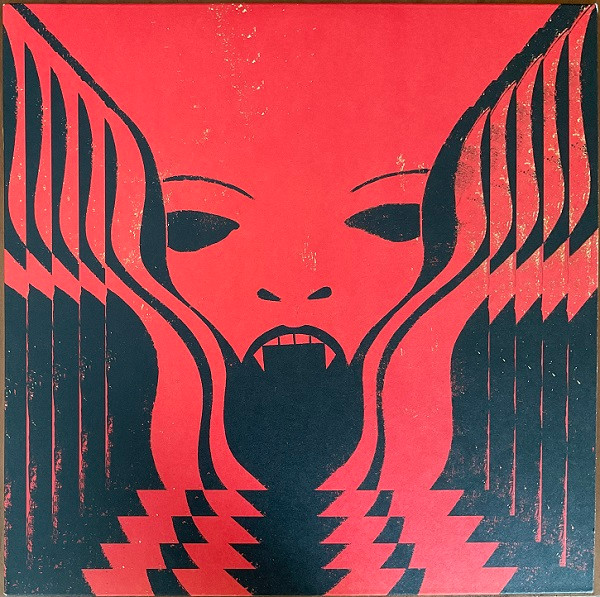
Lucifer On The Moon (Spoon Vs On-U Sound)
2022

Hot Thoughts
2017

Wild
2021

Get Nice!
2017

Got Nuffin
2009

Love Ways
2000

Don't You Evah
2008
Related artists
Around the web
Follow every record they touch.
Start your shelf and Gatefold tracks Spoon's new pressings, tour dates, and the whole discography — automatically.
Start your shelf →Free forever. Works with 10 records or 10,000.