
Artist
Spooky Tooth
Carlisle, United Kingdom · Formed 1967
Spooky Tooth is a music group from Carlisle, United Kingdom, active since 1967. Their discography on Gatefold includes 12 records.
12
Albums tracked
50
In collections
1967
Since
Biography
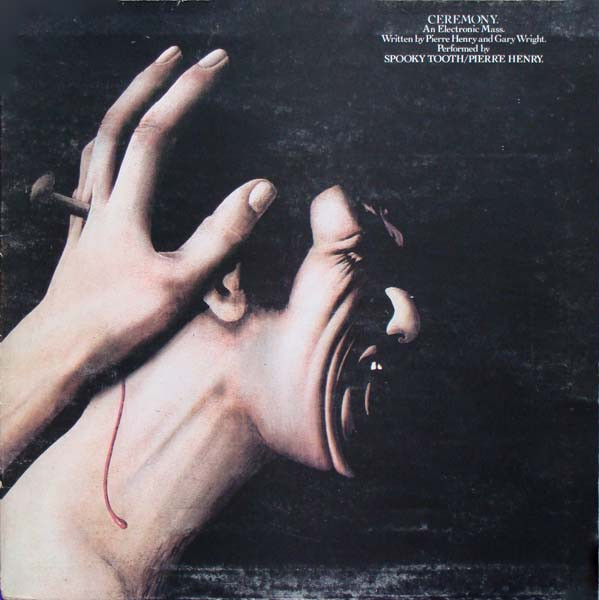
Island Records was basically a playground for Chris Blackwell in '67, and Spooky Tooth was the result of him mashing together a blue-eyed soul singer and a New Jersey keyboardist who hadn't found his lane yet. Mike Harrison had that gravel-pit voice that made most British singers sound like choir boys, but it was Gary Wright’s Hammond organ that pushed them into the weird stuff. They were the ultimate 'musician's band'—the kind of guys who got booked on every festival but never quite moved the needle with the kids buying teen mags. They hit a wall when they let a French avant-garde composer name Pierre Henry talk them into 'Ceremony' in 1969. It’s one of those records that collectors pretend to love but nobody actually plays twice—Gary Wright’s family was into the spiritual side of it, but the rest of the band hated the electronic noise Henry plastered over their blues-rock tracks. It nearly killed the band. They spent the rest of their career trying to get back to the grit of 'Spooky Two', eventually turning into a revolving door for heavy hitters like Mick Jones before he went off to start Foreigner.
Bio from The Clerk
The Arc of Spooky Tooth
The pivots — what forced Spooky Tooth to reinvent.
The It’s All About Era
After The VIPs fell apart, Blackwell rebranded them as Art and then Spooky Tooth to capture the burgeoning psych-blues market. Mike Harrison and Gary Wright shared the mic, creating a dual-vocalist dynamic that gave the debut a weirdly soulful, gospel-inflected weight compared to the thin pop records of '68. You can hear the band trying to find the balance between a standard three-minute single and the heavy, Hammond-drenched sprawl they’d eventually master.
The Heavy Blues Peak
Spooky Two is the record that defines them, largely because Jimmy Miller was in the booth applying the same dark, rhythmic grit he used on the Stones' Beggars Banquet. The interplay between Luther Grosvenor’s searing guitar and Mike Kellie’s massive drum pocket made tracks like 'Evil Woman' a blueprint for early hard rock. This was the moment they stopped being a psych-pop experiment and became a genuine powerhouse, but the momentum was immediately derailed by the Pierre Henry collaboration.
The Hard Rock Pivot
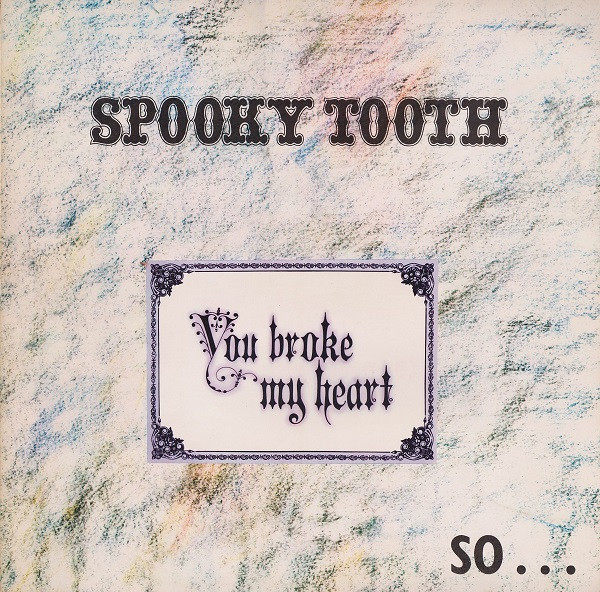
By the time they got to 'You Broke My Heart So I Billeted Your Grandmother' in '73, the lineup had shifted into a more muscular, guitar-forward unit. Mick Jones came in on guitar and helped push the band away from the experimental organ-heavy psych toward the polished, arena-ready sound he’d later take to the bank with Foreigner. It was a more professional, less eccentric version of the band, stripped of the soul-searching weirdness that made their early stuff feel dangerous.
Influences
- The Righteous Brothers — Mike Harrison was obsessed with Bobby Hatfield’s vocal range and modeled his early phrasing on that white-soul powerhouse style. You hear it in the blue-eyed soul grit of the first record before things got heavy. It’s the foundation of their whole dual-vocalist identity.
- Ray Charles — Gary Wright frequently cited Brother Ray as his primary reason for picking up the keys and focusing on the R&B pocket. That soul-jazz influence is the only thing that kept their prog-rock tendencies from becoming unlistenable. It gave the Hammond organ a rhythmic purpose beyond just filling space.
- The Beatles — The band covered 'I Am the Walrus' on 'Spooky Two', slowing it down into a sludge-heavy crawl that proved they were paying attention to Lennon's psychedelic peak. They took the Fabs' studio experimentation and filtered it through a much louder, amplified Marshall stack. It showed they weren't afraid to deconstruct the biggest band in the world.
- Vanilla Fudge — The Fudge toured the UK in '67 and '68, showing every British band how to take a pop song and stretch it into a heavy, organ-led epic. Spooky Tooth mirrored that specific loud-quiet-loud dynamic and the thick, muddy low-end. Without the Fudge, the Spooky Tooth sound would have been half as loud and twice as fast.
- Muddy Waters — Like every other UK band in the late sixties, they were feeding on the Chess Records catalog, specifically the amplified Chicago blues. Luther Grosvenor’s guitar work on the early sessions is a direct descendant of that distorted, stinging slide style. It’s the dirt under the fingernails of their more polished arrangements.
Discography
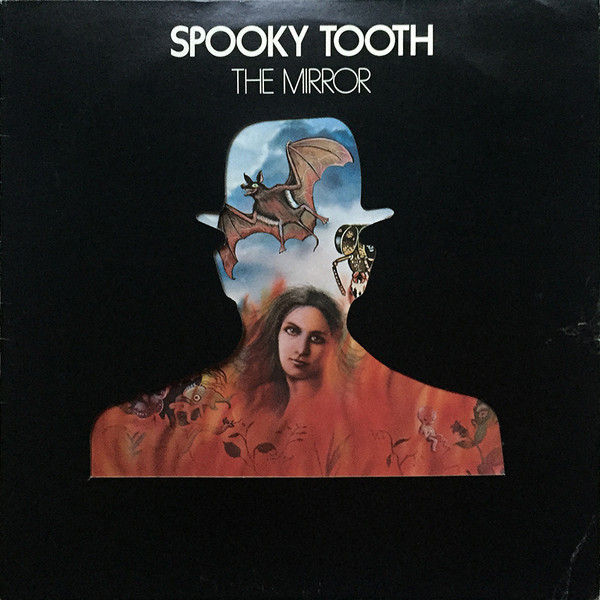
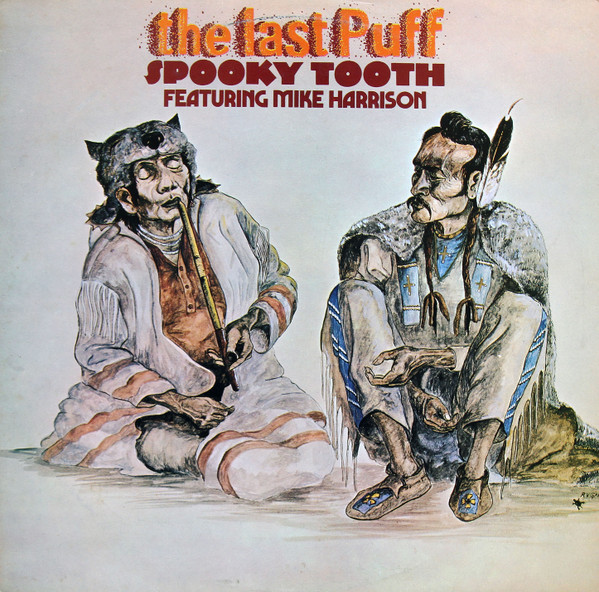
Their records — most-collected first.







Related artists
Around the web
Follow every record they touch.
Start your shelf and Gatefold tracks Spooky Tooth's new pressings, tour dates, and the whole discography — automatically.
Start your shelf →Free forever. Works with 10 records or 10,000.