
Artist
Sponge
Detroit, United States · Formed 1991
Sponge is a music group from Detroit, United States, active since 1991. Their discography on Gatefold includes 13 records.
13
Albums tracked
28
In collections
1991
Since
Biography
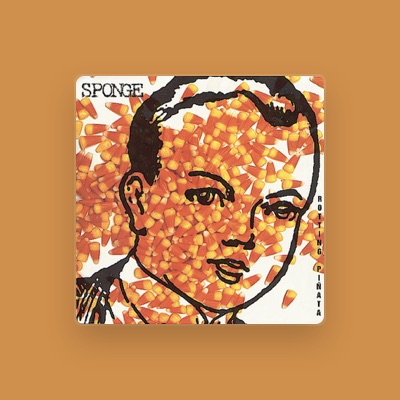
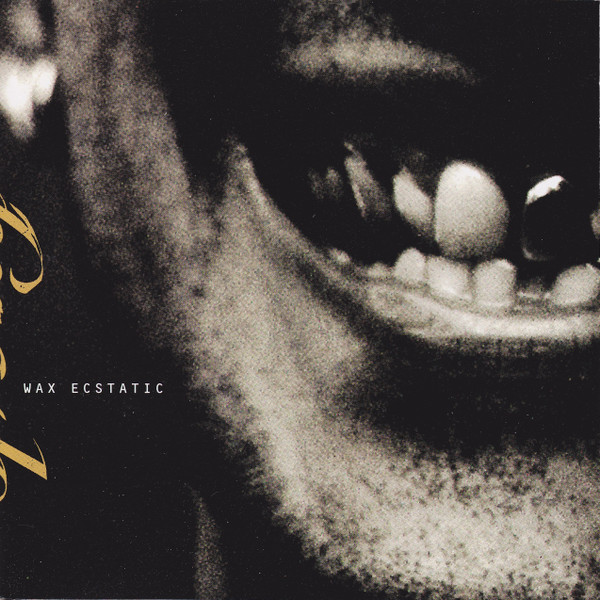
Vinnie Dombroski was already pushing 30 and had been kicking around the Detroit scene for a decade in bands like The Loudhouse before Sponge even landed a deal. When they finally got into Devonshire Studios to cut Rotting Piñata, they weren't some wide-eyed kids; they were seasoned bar-band lifers who knew exactly how to layer Mike Cross’s grit over a pop hook. They caught the tail end of the grunge gold rush by trading the typical flannel nihilism for a weird, trashy glam-rock swagger that most of the Seattle clones couldn't touch. The industry tried to paint them as another disposable post-grunge unit, but the Detroit DNA made them tougher than that. You can hear it in the way they used saxophone on Wax Ecstatic—it wasn't a radio-friendly pivot, it was a nod to the Stooges and the city's blue-collar soul. They survived the inevitable major label purge of the late 90s by refusing to die, even when the lineup started spinning like a revolving door and they were back to playing clubs where the beer smells like piss. They’re the ultimate blue-collar survivors who didn’t get rich enough to quit, so they just kept grinding.
Bio from The Clerk
The Arc of Sponge
The pivots — what forced Sponge to reinvent.
The Detroit Gold Rush
After The Loudhouse imploded when their drummer moved to Ministry, the Cross brothers and Dombroski pivoted to a sound that balanced heavy distortion with massive, radio-ready choruses. Working with producer Tim Patalan at The Loft, they polished their rust-belt grit into a multi-platinum debut that felt more grounded than their contemporaries. You hear it in the twin-guitar attack of 'Plowed,' which avoids the sludge of the era in favor of a sharp, mechanical precision that only comes from years in the local circuit.
The Glam-Soul Pivot
By 1996, instead of chasing another grunge hit, the band leaned into their love of Bowie and The Stooges by dragging a horn section and a sleazier groove into the studio for Wax Ecstatic. The label was baffled by the title track's baritone sax and the record's obsession with death and drag queens, which effectively killed their mainstream momentum. It was a ballsy move that traded stadium longevity for a cult classic status, proving they were more interested in being a real rock and roll band than a brand.
The Independent Long Game
When Columbia dropped them after New Pop Sunday flopped, the band fractured, leaving Vinnie as the sole captain of a ship that would spend the next two decades on indie labels like Beyond and Idol Records. They stopped trying to please A&R guys and doubled down on a gritty, no-frills hard rock sound that thrived on the road. This era is defined by a relentless touring schedule and a rotating cast of Detroit players who kept the brand alive through sheer stubbornness while the rest of the 90s class disappeared into the nostalgia circuit.
Influences
- The Stooges — Dombroski has explicitly cited Iggy Pop as his primary blueprint for stage presence and vocal delivery. You hear it in the chaotic, raw energy of the saxophone layers on Wax Ecstatic. It's that specific brand of Detroit nihilism that keeps them from sounding too polished.
- David Bowie — The band’s mid-90s shift toward glam aesthetics and theatrical vocal affectations was a direct response to Bowie's '70s run. The track 'Death of a Party' is basically a love letter to the Thin White Duke. They took the glitter and ground it into the Detroit dirt.
- Alice Cooper — Growing up in the shadow of the Detroit rock scene, the band inherited the macabre showmanship and hard-rock structure pioneered by Cooper. You hear it in the dark, narrative-driven lyrics of Rotting Piñata. It's the theatricality of the Midwest working class.
- The Psychedelic Furs — Dombroski’s vocal rasp draws a direct line to Richard Butler’s weary, melodic growl. The way Sponge uses texture and minor-key hooks in their softer moments mirrors the Furs’ post-punk sensibilities. It’s the pop sensibility hidden under a layer of grit.
- T. Rex — The boogie-rock shuffle underlying their second album's groove is a direct lift from Marc Bolan's playbook. They traded the heavy grunge sludge for a more rhythmic, strutting style on tracks like 'Got to Be a Bore.' It’s the sound of a band rediscovering the '70s through a '90s lens.
Discography
Their records — most-collected first.




Related artists
Around the web
Follow every record they touch.
Start your shelf and Gatefold tracks Sponge's new pressings, tour dates, and the whole discography — automatically.
Start your shelf →Free forever. Works with 10 records or 10,000.