
Artist
Spandau Ballet
London Borough of Islington, United Kingdom · 1979 – 1990
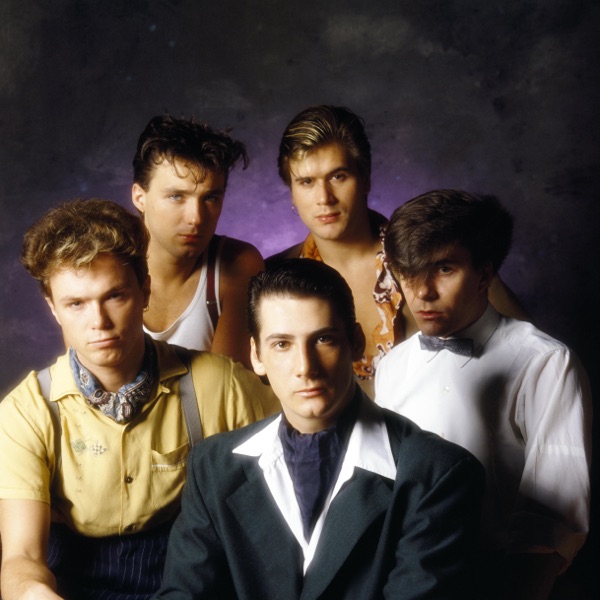
Spandau Ballet is a music group from London Borough of Islington, United Kingdom, active 1979–1990. Their discography on Gatefold includes 24 records.
31
Albums tracked
116
In collections
1979
Since
Biography
Richard James Burgess set up the Simmons SDS-V electronic drum pads and a Roland synth rig at Jam Studios in late 1980, engineering a cold, mechanical pulse that defined the Blitz Club scene before it even had a mainstream label. Spandau Ballet didn't start as stadium balladeers in silk suits. They were art-school snobs and post-punk club kids who treated synthesizers and sharp tailoring like hand grenades against the decaying corpse of 70s pub rock. Gary Kemp wrote tight, jagged dance tracks while Tony Hadley belted over the top like a cabaret singer dropped into a disco warehouse. Then they discovered white soul, swapped the synthesizers for saxophone solos, and conquered worldwide radio before the whole thing imploded in a high-court royalty trial in the late 90s. The shift from icy, futuristic club cuts to slick yacht pop alienated the purists, but it made them massive. When Steve Norman put down the guitar and picked up the sax for the Compass Point sessions in the Bahamas, the underground gave way to pure yacht-fuelled arena sheen.
Bio from The Clerk
The Arc of Spandau Ballet
The pivots — what forced Spandau Ballet to reinvent.
The Blitz Club Synth-Funk
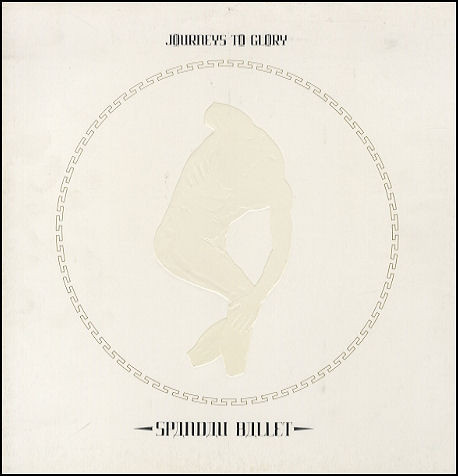
Producer Richard James Burgess coined the term 'New Romantic' while producing the band's 1981 debut 'Journeys to Glory' at Jam Studios. The band leaned entirely on primitive Roland synthesizers, Burgess's custom electronic drum prototypes, and Gary Kemp's minimalist guitar hooks. Songs like 'To Cut a Long Story Short' were engineered specifically for the dancefloor at the Blitz club in Covent Garden. It sounds cold, rhythmic, and aggressively modern.
The Compass Point Soul Pivot
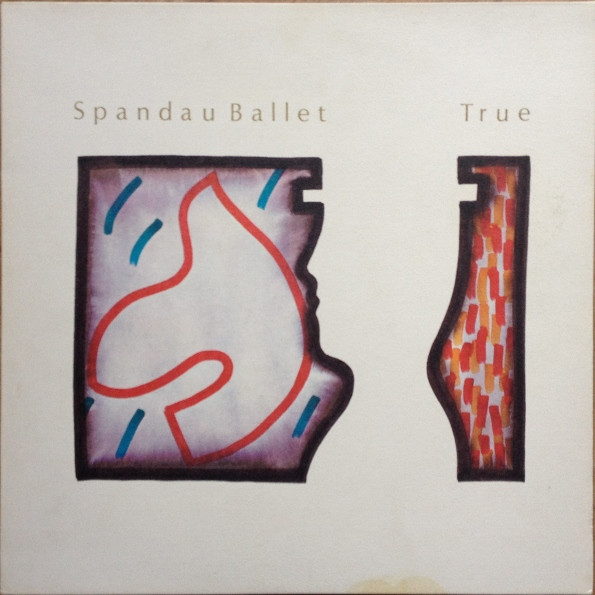
Chasing a broader commercial sound, the band decamped to Nassau in late 1982 to work with production duo Tony Swain and Steve Jolley at Compass Point Studios. Steve Norman dumped his guitar to play percussion and saxophone, while Gary Kemp pivoted entirely to Motown-inspired chord progressions and Fender Rhodes electric pianos. The resulting album, 'True', abandoned cold electronics for lush, blue-eyed soul that topped charts across the globe. You hear the pivot instantly in the silky rhythm section and Hadley's unobstructed croon.
Stadium Rock and the High Court Split
By 1986's 'Through the Barricades', the band traded slick soul for bombastic, gated-reverb arena rock and signed a massive worldwide deal with CBS. The sound grew bloated and lost its rhythmic edge, culminating in the critical failure of 1989's 'Heart Like a Sky'. The burnout was fatal, leading to a bitter 1990 breakup and a notorious 1999 High Court lawsuit where Hadley, Keeble, and Norman sued Gary Kemp for publishing royalties and lost. It took nearly two decades for the original five to share a stage again.
Influences
- Roxy Music — Gary Kemp openly cited Bryan Ferry's aesthetic of tailored elegance and art-school glam as the band's visual and sonic blueprint. You hear Ferry's lounge-lizard croon all over Tony Hadley's vocal delivery on 'To Cut a Long Story Short'. They took the art-rock pretension and retrofitted it for 80s dancefloors.
- David Bowie — The band members were regulars at Steve Strange's Bowie nights at Billy's and the Blitz, building their entire identity around the Berlin trilogy. The mechanical groove of 'Journeys to Glory' directly mirrors the rigid funk Bowie chased on 'Station to Station'. Without 'Low', the early New Romantic synth sound does not exist.
- Chic — Nile Rodgers and Bernard Edwards provided the foundational rhythm blueprint for Gary Kemp's rhythm guitar work and Martin Kemp's basslines. The syncopated funk guitar scratches on 'Chant No. 1 (I Don't Need This Pressure On)' are a direct lift from Chic's late-70s studio formula. It was disco stripped of strings and rebuilt with post-punk bite.
- Marvin Gaye — Gary Kemp explicitly wrote the track 'True' as a homage to Marvin Gaye, referencing him directly in the lyrics. The smooth, electric-piano-heavy arrangements of their 1983 sessions were built entirely around the Motown vocal phrasing Gaye perfected in the 70s. Hadley dropped the operatic bark and leaned into Gaye's warm, effortless phrasing.
- Kraftwerk — Richard James Burgess and the Kemp brothers built their initial rhythm tracks around the rigid, quantized electronic sequencing pioneered by the Düsseldorf outfit. The metronomic kick-and-snare patterns on 'The Freeze' sound pulled straight from 'The Man-Machine'. It gave their early white-boy funk an unyielding, robotic backbone.
Discography
Their records — most-collected first.
True
1983

Through The Barricades
1986
Parade
1984
Journeys To Glory
1981
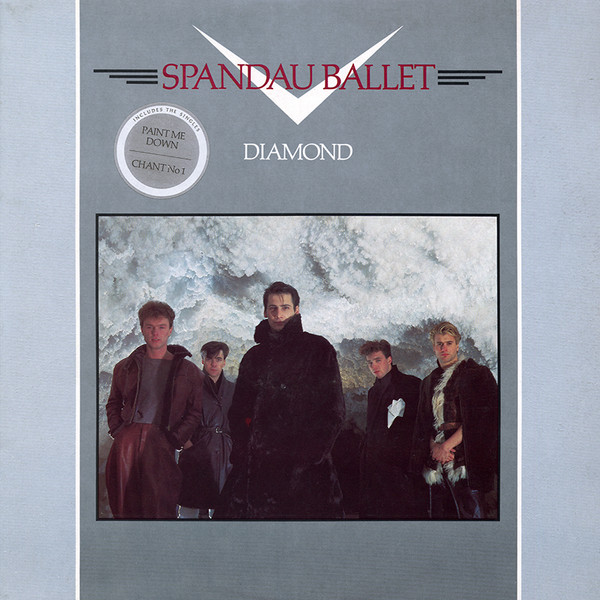
Diamond
1982

The Singles Collection
1985
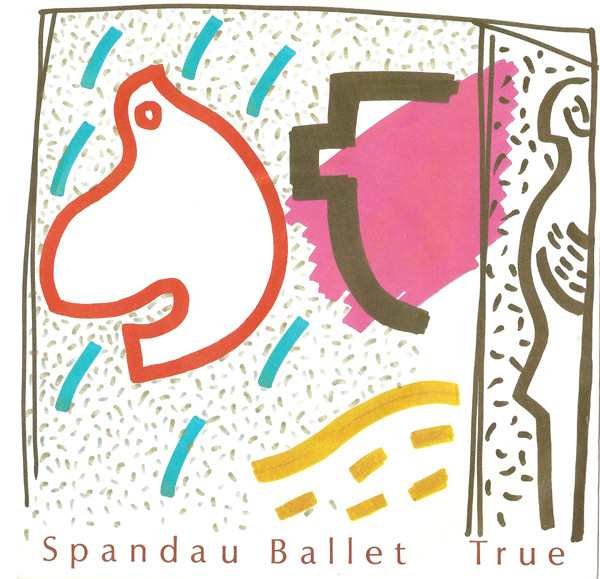
True
1983

Everything Is Now Vol 1 The Early Years: 1978-1982
2025

The Collection II
2003

The Freeze
1981
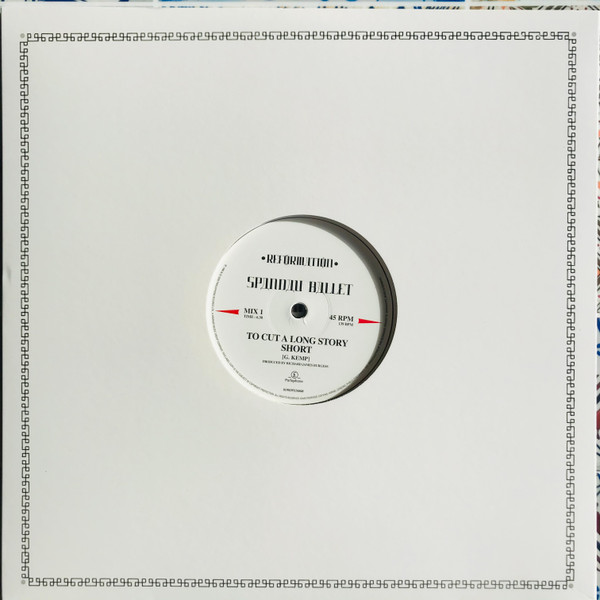
To Cut A Long Story Short
1980

Gold - The Best Of Spandau Ballet
2000

Heart Like A Sky
1989

Chant No. 1 (I Don't Need This Pressure On)
1981
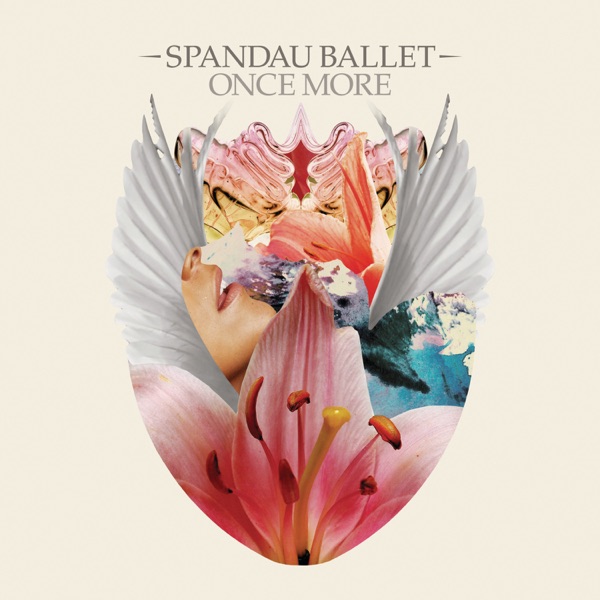
Once More
2009
Live From The N.E.C.
2005
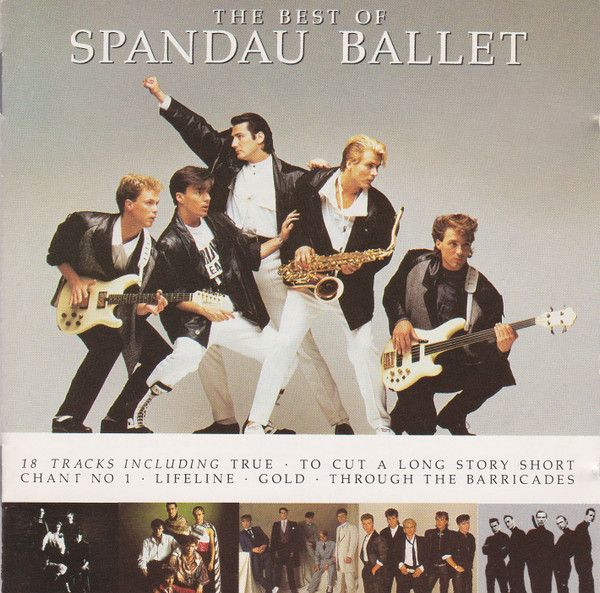
The Best Of Spandau Ballet
1991

Raw
1988

Lifeline
1982

Instinction
1982

Paint Me Down
1981

40 Years: The Greatest Hits
2020

The Story / The Very Best Of
2014

Reformation
2002
Related artists
Frequent collaborators
Around the web
Follow every record they touch.
Start your shelf and Gatefold tracks Spandau Ballet's new pressings, tour dates, and the whole discography — automatically.
Start your shelf →Free forever. Works with 10 records or 10,000.