
Artist
Soul II Soul
London, United Kingdom · Formed 1988
Soul II Soul is a music group from London, United Kingdom, active since 1988. Their discography on Gatefold includes 20 records.

20
Albums tracked
89
In collections
1988
Since
Biography
The Soul II Soul Sound System was built to haul speaker stacks into London warehouses, not to chase the charts. Jazzie B didn't start with a record deal; he started with a van, a PA system, and a strictly enforced dress code of 'Funki Dred' braids and tailoring. They were a collective of DJs and fashion plates who treated the studio like a extension of their Sunday nights at the Africa Centre. When they finally put needle to wax, it wasn't a standard band setup—it was a revolving door of singers and programmers held together by the gravity of Jazzie's vision and Nellee Hooper’s knack for minimalist, heavy-bottomed production. Everything changed when they found Caron Wheeler. Before her, they were a cool, local phenomenon; after 'Keep On Movin’' and 'Back to Life,' they were the blueprint for the entire decade’s R&B. The label suits tried to turn them into a standard pop act, but Jazzie kept the sound system mentality, swapping vocalists like parts in a machine. It made for a patchy catalog once the initial lightning in a bottle faded, but for a solid three years, they owned the tempo of the city.
Bio from The Clerk
The Arc of Soul II Soul
The pivots — what forced Soul II Soul to reinvent.
The Sound System Roots
Before the 10-inch singles, this was a logistical operation centered around moving massive bass bins into damp London basements. Jazzie B and Daddae Harvey were focused on the 'Funki Dred' aesthetic and a curated atmosphere that pulled from reggae sound system culture but played soul and rare groove. The early tracks like 'Fairplay' weren't polished pop; they were documentations of the vibe they had already established at their Africa Centre residency. You can hear the lack of commercial pressure in those early grooves, which prioritize the physical weight of the bass over radio-friendly hooks.
The Hooper-Wheeler Peak
Bringing Nellee Hooper in as a producer and Caron Wheeler as the primary voice turned the collective into a global juggernaut. Hooper brought a sophisticated, stripped-back trip-hop precursor to the desk, while Wheeler provided the soaring, church-trained vocals that gave the tracks their emotional center. This era defined the 'London Beat'—a specific mid-tempo swing that was too slow for house and too sophisticated for hip-hop. The records from this stretch are the only ones that successfully translated the heat of a 2:00 AM warehouse party into a worldwide platinum reality.
The Revolving Door Shift
After Wheeler departed for a solo career and Hooper headed toward massive production gigs for Björk and Madonna, the group struggled to find a permanent center. Jazzie B leaned into the collective model harder, bringing in vocalists like Victoria Wilson-James and Penny Ford to fill the void. The production on albums like 'Vol. III Just Right' started to feel the weight of expectation, often sounding more like a polished studio project than a raw sound system. While the musicianship remained top-tier, the grit of the early warehouse days began to be replaced by a cleaner, more commercial R&B sheen.
Influences
- James Brown — Jazzie B explicitly modeled the group’s tight business and fashion discipline on the J.B.’s. The drum break on 'Back to Life' is a direct lift from Brown’s 'Funky Drummer.' It’s the backbone of their entire rhythmic identity.
- Chic — Nellee Hooper has cited Bernard Edwards’ bass playing as the primary influence on the group’s melodic low-end. You hear it in the way the basslines on 'Keep On Movin’' carry the song’s hook rather than just providing a foundation. It’s dance music built on a sophisticated disco-funk skeleton.
- The Slits — Nellee Hooper came up through the Bristol Wild Bunch crew, which was heavily influenced by the punk-reggae hybridity of bands like The Slits. This connection brought a DIY, anti-establishment edge to Soul II Soul’s early warehouse parties. It ensured they stayed gritty even when the music got smooth.
- Burning Spear — The group’s foundational philosophy of 'A Happy Face, A Thumpin' Bass, For A Loving Race' is a direct descendant of Burning Spear’s roots reggae messaging. The sound system culture they pioneered was a literal structural copy of the setups Spear and his contemporaries used in Jamaica. It’s the spiritual DNA of the Funki Dred movement.
- Rose Royce — The group covered 'Love Don't Live Here Anymore' on their debut, signaling their deep roots in '70s orchestral soul. They took that cinematic, melancholic R&B string arrangement style and toughened it up with UK hip-hop beats. It’s the bridge between classic American soul and the London streets.
Discography
Their records — most-collected first.
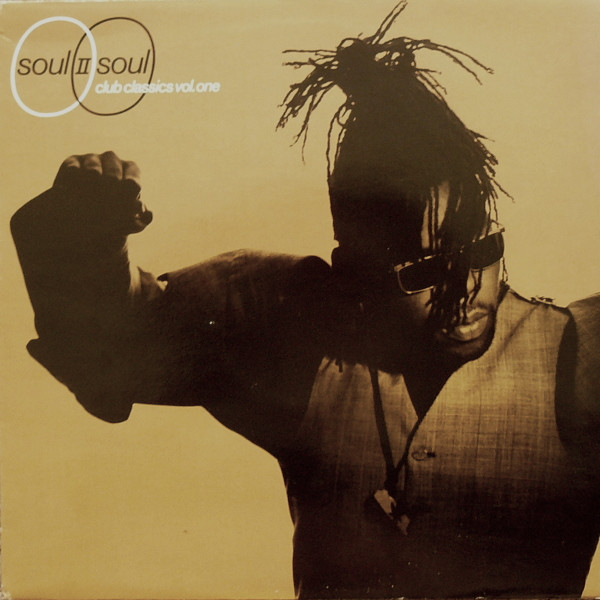
Club Classics Vol. One
1989
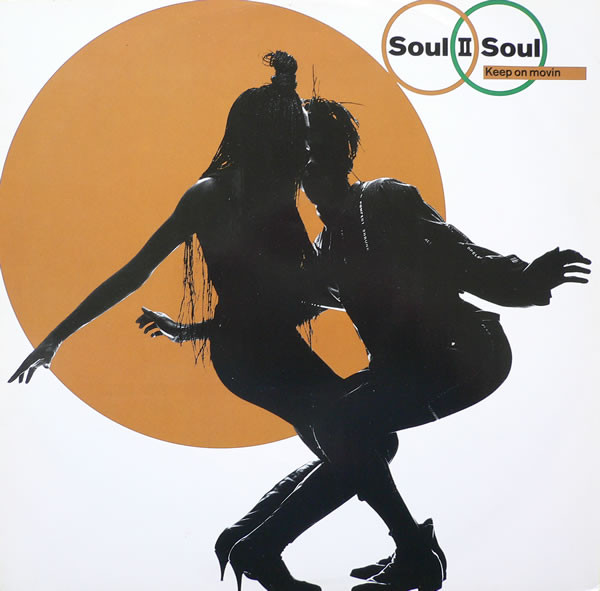
Keep On Movin
1989

Back To Life (Club Mix)
1989
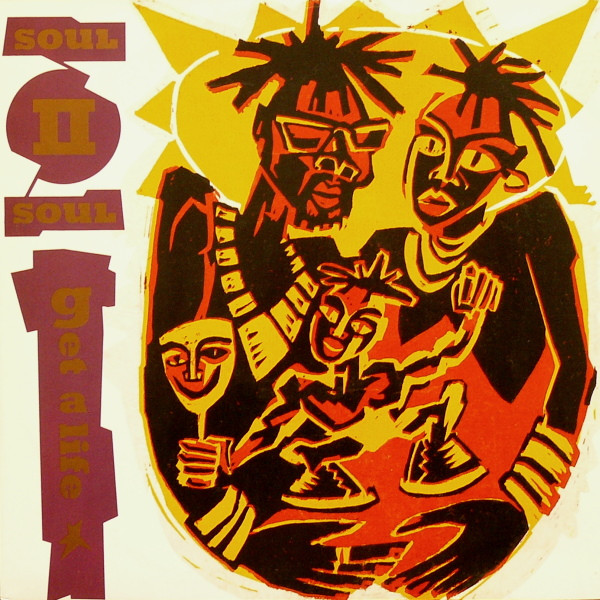
Get A Life
1989
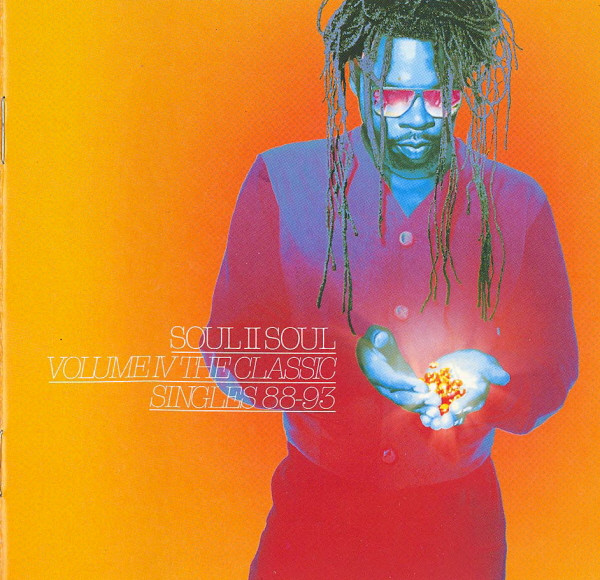
Volume IV The Classic Singles 88-93
1993
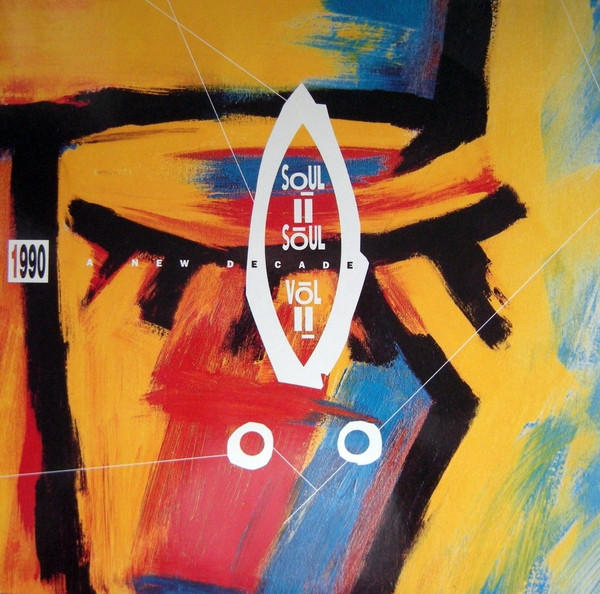
Vol. II (1990 - A New Decade)
1990

A Dreams A Dream
1990

Missing You
1990

Volume III Just Right
1992

Joy
1992

Jazzie's Groove
1989

Origins
2016

Love Enuff
1995

I Care (Soul II Soul)
1995

Move Me No Mountain
1992

Just Right
1992

Fair Play
1988

Live At Roundhouse
2025

Time For Change
1997

Volume V Believe
1995
Related artists
Around the web
Follow every record they touch.
Start your shelf and Gatefold tracks Soul II Soul's new pressings, tour dates, and the whole discography — automatically.
Start your shelf →Free forever. Works with 10 records or 10,000.