
Artist
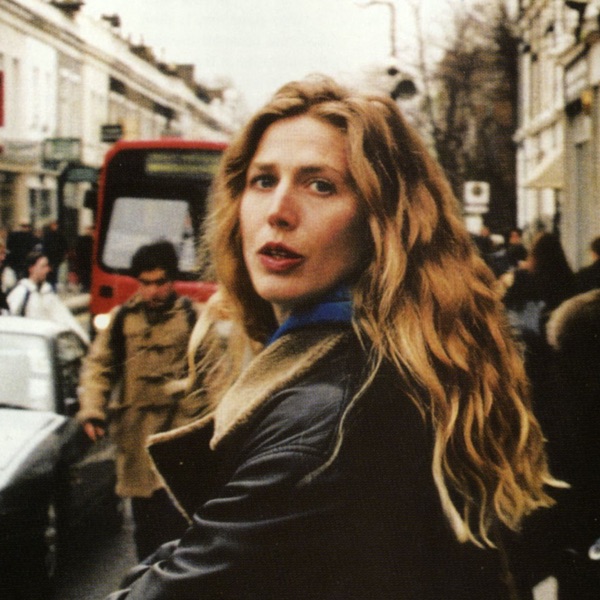
Sophie B. Hawkins
New York City, United States · b. 1964
Sophie B. Hawkins is a musician from New York City, United States, active since 1964. Their discography on Gatefold includes 9 records.
9
Albums tracked
6
In collections
1964
Since
Biography
Rick Chertoff and Ralph Schuckett built the console environment for Tongues and Tails around Hawkins's background as an aggressive West African percussionist, not a delicate piano balladeer. The Columbia marketing department wanted another clean radio darling, but they got a musician hammering out polyrhythms, programming dense synthesizers, and snarling out queer longing on tape before mainstream radio had any clue what to do with it. Her breakthrough single didn't ride on standard pop polish; it moved because of a dirty, shuffling groove and a vocal delivery that leaned heavy into raw grit instead of polite phrasing. The industry tried to tame her on the follow-up by shipping her to London to work with Stephen Lipson. Whaler got the slick mid-nineties sheen, but Hawkins smuggled dark, idiosyncratic storytelling into the tracks underneath the massive adult-contemporary gloss. When Columbia suits tried to bully her into scrubbing raw instruments off her third record, she burned the major-label bridge entirely. She chose independence, bought back her masters, and spent the rest of her career self-producing dense, uncompromised roots and jazz-pop records outside the corporate machine.
Bio from The Clerk
The Arc of Sophie B. Hawkins
The pivots — what forced Sophie B. Hawkins to reinvent.
The Columbia Breakthrough
Columbia signed Hawkins and paired her with producers Rick Chertoff and Ralph Schuckett, who gave her space to lean into her background as a percussionist. The result was 1992's Tongues and Tails, where African drums and heavy synth lines collided under ferocious vocal hooks. 'Damn I Wish I Was Your Lover' blew up radio despite the suits squirming over its raw, unfiltered queer desire. It earned her a Grammy nod and forced the industry to take an aggressive multi-instrumentalist seriously on her own terms.
The Self-Produced Autonomy
Operating completely free from label interference, Hawkins recruited Sylvia Massy and the Berman Brothers to help steer 2004's Wilderness. She handled her own multi-instrumental parts, drum programming, and arrangements, pivoting the sound toward organic jazz and cabaret-tinged soul. Followed by 2012's The Crossing, cut largely in her home studio with Alexandria Dobson and Larrance Dopson, the music settled into rootsy, gospel-flecked acoustic arrangements. These records completely ignored chart trends in favor of deep-pocket grooves and adult storytelling.
The Return to New York
After nearly two decades living out in Venice, California, Hawkins relocated back to New York and partnered with engineer Ken Rich to cut 2023's Free Myself. The arrangements drew hard from classic Brill Building pop sensibilities, folk, and unhurried soul. She followed it up by revisiting her commercial high-water mark with 2025's Whaler Re-Emerging, recasting those nineties compositions under older, wiser arrangements. It closed the loop on her commercial past entirely on her own terms.
Influences
- Janis Joplin — Hawkins has repeatedly cited Joplin as the foundational vocal blueprint who proved female frontwomen could sing with unvarnished, raspy physical abandon. You hear that throat-tearing passion directly on tracks like 'Saviour Child' and the climactic belts of 'Damn I Wish I Was Your Lover'. Joplin made it okay to sound bruised and aggressive instead of pretty.
- Stevie Wonder — Hawkins spent her youth dissecting Wonder's classic seventies run, studying how a single multi-instrumentalist could dictate harmony, complex basslines, and synth programming simultaneously. That deep harmonic pocket and vocal elasticity drive the funky keyboard vamps on 'Listen' and 'Mysterious Ways'. Wonder showed her how to run the whole studio like an orchestra.
- Nina Simone — Hawkins studied Simone's fearless fusion of classical piano training, jazz improvisation, and raw civil defiance. Simone's rhythmic authority behind the keys directly informs Hawkins's percussive approach to both piano and African hand drums on Tongues and Tails. It taught her to play piano like a drum kit.
- Bob Dylan — Hawkins covered Dylan's 'I Want You' on her debut LP, retooling the rambling folk classic into an atmospheric, brooding slow burn. Dylan's conversational, stream-of-consciousness lyrical phrasing permeates her dense narrative verses on Timbre. He gave her the license to crowd lines with jagged, poetic imagery.
- Babatunde Olatunji — Hawkins studied West African polyrhythms and percussion under Nigerian master Babatunde Olatunji in New York long before she ever landed a major-label record deal. You hear that exact foundation in the syncopated djembe patterns and complex hand drumming anchoring tracks like 'Before I Walk This Shore'. She built her pop melodies on top of African grooves rather than basic four-on-the-floor click tracks.
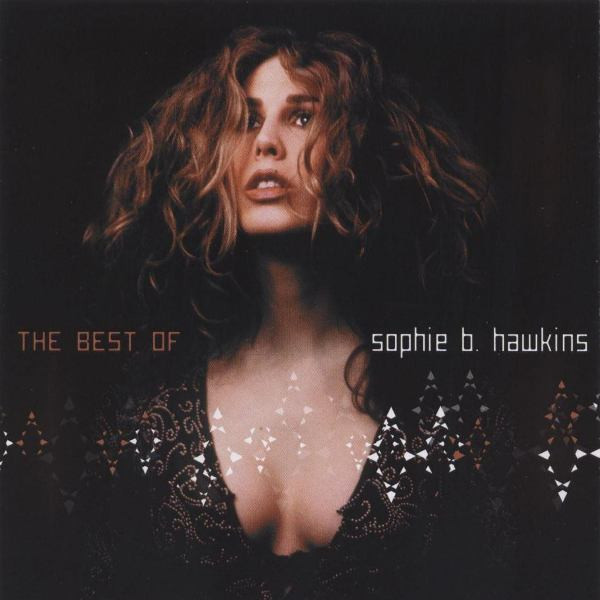
Discography
Their records — most-collected first.



Around the web
Follow every record they touch.
Start your shelf and Gatefold tracks Sophie B. Hawkins's new pressings, tour dates, and the whole discography — automatically.
Start your shelf →Free forever. Works with 10 records or 10,000.