
Artist
Songs: Ohia
Cleveland, United States · 1996 – 2003
Songs: Ohia is a music group from Cleveland, United States, active 1996–2003. Their discography on Gatefold includes 13 records.

13
Albums tracked
131
In collections
1996
Since
Biography
Jason Molina recorded the debut Songs: Ohia 7-inch on a portable four-track in his bedroom, mostly because the guy couldn't stop writing long enough to find a proper studio. He spent the early years treating Secretly Canadian like a personal diary, cycling through revolving lineups of guys from Palace Music or Appendix Out. He wasn't looking for virtuosos. He wanted people who could stay out of the way of that fragile, haunting vibrato and the heavy, midwestern silence he dragged into every track. By the time he got to the Magnolia Electric Co. sessions with Steve Albini, the skeletal folk thing was dead. He wanted a big, greasy rock band that sounded like Neil Young’s Crazy Horse if they’d grown up in a rusted-out Ohio factory town. It wasn't about getting polished—Albini doesn't do polish. It was about capturing the sound of a room full of guys playing until they were exhausted, creating a massive, doomed Americana that finally matched the scale of the ghosts Molina had been singing about since '96.
Bio from The Clerk
The Arc of Songs: Ohia
The pivots — what forced Songs: Ohia to reinvent.
The Lo-Fi Ghost Phase
Early on, Molina was obsessed with the skeletal arrangements of Will Oldham and the minimalist ethos of the late-90s indie-folk scene. He recorded primarily on four-track tape or in quick, cheap sessions that emphasized tape hiss and vocal cracking over fidelity. Records like the self-titled 'Black Album' and Impala sound like they were recorded in the middle of the night by a man who didn't want to wake his neighbors. It’s a lonely, claustrophobic sound where the space between the notes does more work than the instruments themselves.
The European Expansion
Working with Alastair Roberts and the Scottish musicians in Appendix Out shifted the DNA of the project toward a more traditional, almost medieval folk structure. The Lioness was tracked in Glasgow and brought in a haunting, lush melancholy that moved away from the stark bedroom recordings of the early years. You hear it in the addition of piano and a more cohesive, atmospheric rhythm section that gave his lyrics a wider canvas. This was the moment Molina realized he could be a bandleader instead of just a guy with a guitar and a four-track.
The Electric Co. Pivot
The final shift happened at Electrical Audio in Chicago with Steve Albini behind the board for the Magnolia Electric Co. sessions. Molina brought in a full touring band, including members of My Morning Jacket, to create a loud, dual-guitar attack that leaned into 70s heartland rock. It was a massive, live-to-tape sound that traded the quiet whispers for distorted riffs and soaring pedal steel. This wasn't just a new album; it was a total rebranding that eventually killed the Songs: Ohia name because the music had become too big for it.
Influences
- Neil Young — Molina explicitly cited Young's 'Tonight's the Night' as a template for the raw, unvarnished emotion he chased in the studio. You hear it in the ragged, first-take energy of the later electric records. He wanted that same sense of a band teetering on the edge of falling apart.
- Leonard Cohen — The heavy, biblical weight of Molina's lyricism and his sparse, early arrangements are direct descendants of 'Songs of Leonard Cohen.' He covered 'Seems So Long Ago, Nancy' during his live sets. The focus on the weary, baritone delivery and the rejection of flashy production is the core link.
- Will Oldham — Molina spent time as a touring member of the Palace Brothers and recorded with Oldham early on. The loose, lo-fi approach to the first few Songs: Ohia singles mirrors the Appalachian-noir style Oldham pioneered in the early 90s. It’s that shared DNA of making a studio record sound like a field recording.
- Black Sabbath — It sounds like a stretch until you hear the doom-metal pacing of tracks like 'Farewell Transmission.' Molina often talked about his metal roots in Ohio and how the heavy, repetitive riffs of Iommi influenced his sense of dread. The weight isn't in the distortion, it's in the crushing tempo.
- Hank Williams — Molina was obsessed with the 'lonesome' archetype and covered 'Ramblin' Man' with the same desperate sincerity as the original. You hear the country influence in his phrasing and the way he treats songwriting as a physical exorcism. It's the high-lonesome sound transplanted to a rust-belt basement.
Discography
Their records — most-collected first.
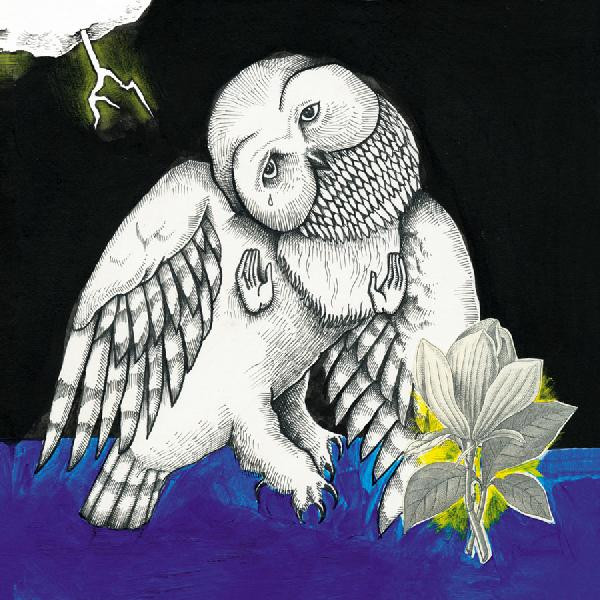
The Magnolia Electric Co
2003
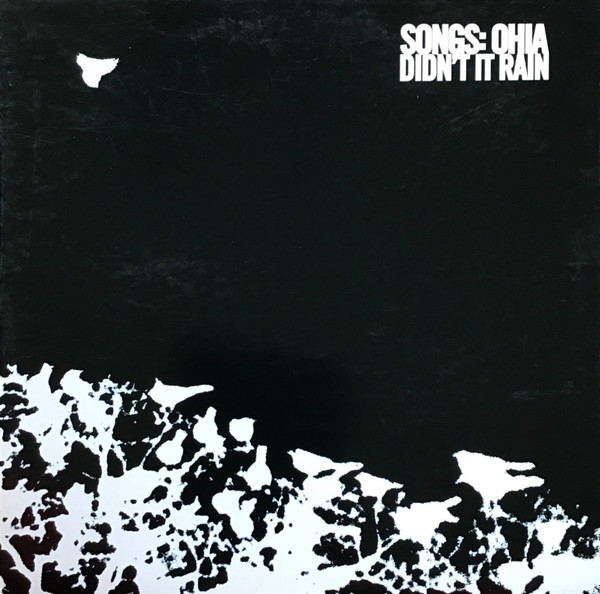
Didn't It Rain
2002

The Lioness
2000
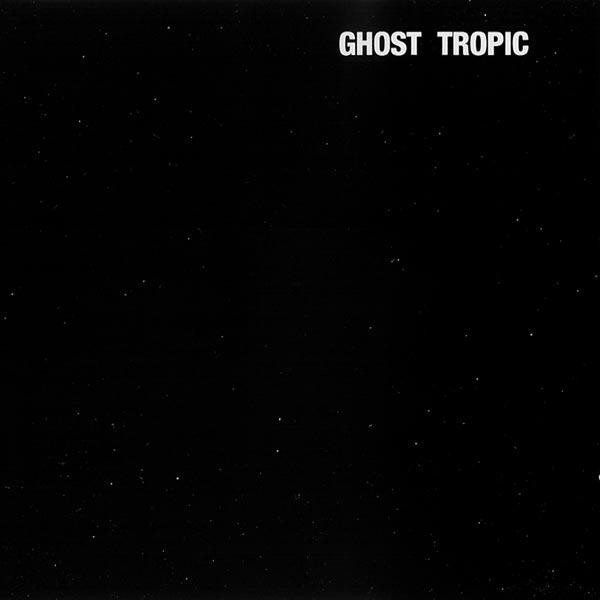
Ghost Tropic
2000

Axxess & Ace
1999
Impala
1998

Songs:Ohia
1997
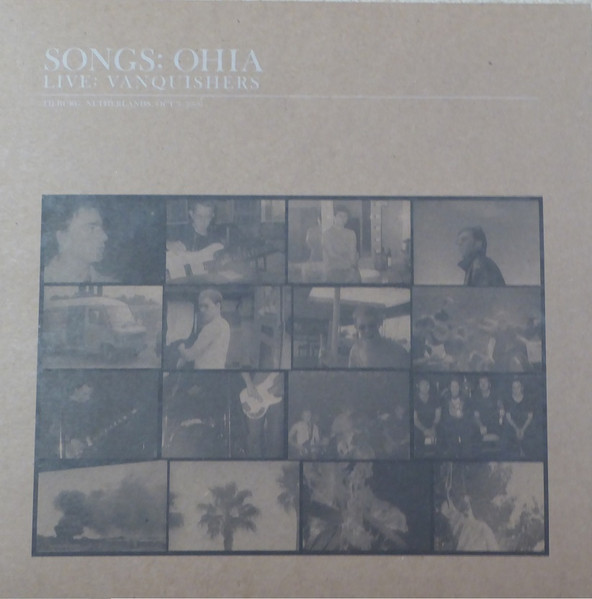
Live: Vanquishers (Tilburg, Netherlands. Oct 9, 2000)
2022

Travels In Constants Volume Fourteen
2001

Protection Spells
2000
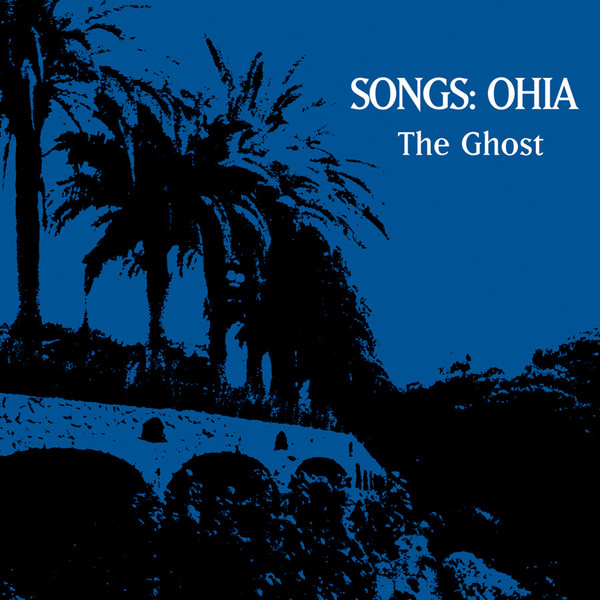
The Ghost
1999

Mi Sei Apparso Come Un Fantasma
2001

Hecla & Griper
1997
Related artists
Members
Around the web
Follow every record they touch.
Start your shelf and Gatefold tracks Songs: Ohia's new pressings, tour dates, and the whole discography — automatically.
Start your shelf →Free forever. Works with 10 records or 10,000.