
Artist
Solange
US RnB vocalist Solange Knowles
Houston, United States · b. 1986
Solange is a musician from Houston, United States, active since 1986. Their discography on Gatefold includes 5 records.

5
Albums tracked
50
In collections
1986
Since
Biography
She got handed the keys to the major-label R&B machine at sixteen, backed by a rolodex of hitmakers that read like an early-2000s Billboard chart, and it nearly sank her. Mathew Knowles steered the ship, Columbia cut the checks, and the tracks came stuffed with production from Timbaland, Jermaine Dupri, and The Neptunes. It was calculated, bloated, and caught in the gravitational pull of the Destiny's Child empire. Most teen singers chewed up by that system take the royalties and fade out into writing credits or reality TV. She did the opposite: packed up, tore up the blueprint, and went hunting for the exact weirdos who could help her build her own sound. By the time she hooked up with Dev Hynes and eventually Raphael Saadiq, she wasn't pitching demos to boardroom suits anymore. She was producing her own sessions, directing the arrangements, and treating Southern soul and indie new-wave like raw clay instead of commercial templates. The shift from a factory-assembled teen pop act to the mastermind behind some of the sharpest, most intricate soul and ambient-funk records of the 2010s is one of the craziest second acts in modern music. She didn't just escape the family shadow; she built an entirely separate sonic zip code.
Bio from The Clerk
The Arc of Solange
The pivots — what forced Solange to reinvent.
The Corporate Blueprint
At sixteen years old, she was pushed into the frontline of commercial R&B under her father Mathew Knowles's direct oversight. Her 2003 debut, Solo Star, was stacked with superstar credits like Timbaland, Jermaine Dupri, and The Neptunes, but it felt like a product constructed by a committee. The arrangements were busy, the radio hooks were mandatory, and her individual voice got buried beneath standard-issue teen-pop sheen. It proved she had the pipes, but it sounded like an audition for someone else's career.
The Retro Soul Detour
A relocation away from the industry hustle cleared the deck for a complete aesthetic overhaul on 2008's Sol-Angel and the Hadley St. Dreams. Signing with Geffen, she brought in Motown architect Lamont Dozier alongside Mark Ronson and Jack Splash to dig into psychedelic soul and Sixties girl-group bounce. The digital compression gave way to brass, live drums, and dusty organ grooves that signaled her break from polished modern R&B radio. It was an ambitious, slightly messy transition that made it clear she was done playing the conventional pop game.
The Masterwork Statement
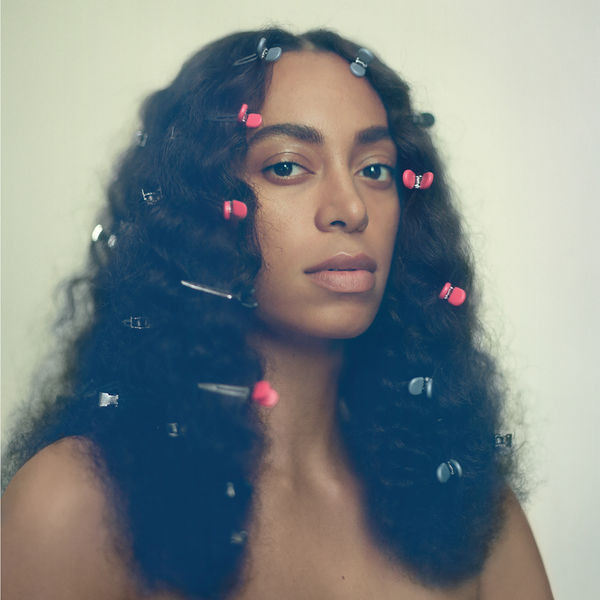
Founding her own Saint Records imprint and partnering with Raphael Saadiq, she spent years obsessively assembling her definitive artistic statement. The result was 2016's A Seat at the Table, a patient, devastating exploration of Black identity, grief, and resilience that she wrote and co-produced top to bottom. She brought in a wild mix of players—Questlove, Sampha, Dave Longstreth, and Q-Tip—and tied the records together with spoken-word interludes from Master P and her parents. Saadiq's low-slung, warm basslines and her meticulously stacked vocal harmonies turned it into an undeniable critical and commercial triumph that went straight to number one.
The Third Coast Avant-Garde
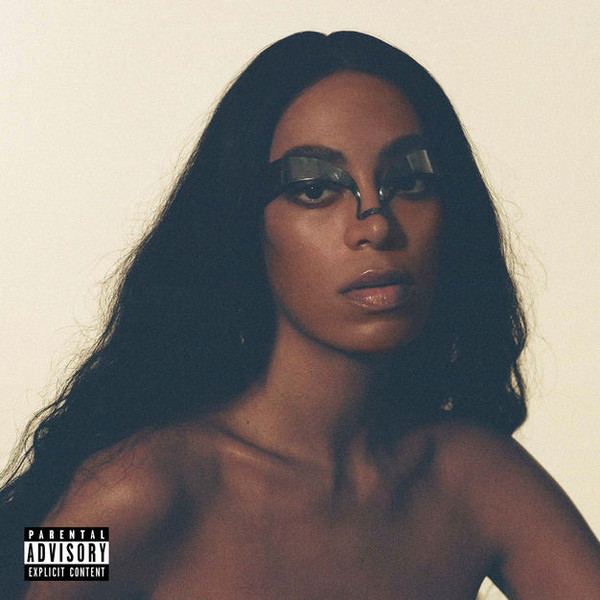
Instead of replicating the clean neo-soul grooves of her breakthrough, she returned to Houston and went deep into repetitive, atmospheric minimalism. The 2019 release When I Get Home ditched traditional song structures in favor of short, hypnotic loops built with jazz keyboardist John Carroll Kirby, Standing on the Corner, and Tyler, the Creator. The music leaned heavily into chopped-and-screwed textures, cosmic jazz chords, and freeform basslines that felt closer to a gallery installation than an R&B record. It cemented her evolution from a pop escapee into a restless, uncompromising auteur who operates entirely on her own terms.
Influences
- Minnie Riperton — Solange has frequently cited Riperton's delicate, soaring vocal arrangements and 1970s rotary-soul productions as a primary north star. You hear that airy falsetto float and intricate multi-tracked head voice all over the upper registers of A Seat at the Table. It gives her music an ethereal, cloud-like lift without losing the underlying groove.
- Lamont Dozier — The legendary Motown hitmaker didn't just inspire her from afar; he sat in the studio to co-write and produce cuts for Sol-Angel and the Hadley St. Dreams. You can hear his classic Detroit chord movements and driving mid-tempo swing driving tracks like '6 O'Clock Blues'. Working with Dozier grounded her understanding of hook mechanics long before she began deconstructing them.
- Stevie Wonder — She has consistently referenced Wonder's classic Seventies run—especially the dense synth textures of Journey Through The Secret Life of Plants—as a huge touchstone for her arranging style. The Rhodes voicings, shifting chromatic changes, and lush vocal stacks on A Seat at the Table borrow straight from his vintage playbook. It's the blueprint for how she makes high-concept soul sound effortless.
- DJ Screw — Growing up in Houston made Robert Earl Davis Jr.'s signature slowed-down turntable tape-trickery part of her musical DNA. The languid tempos, repetitive hypnotic phrasing, and pitch-dropped bass wobbles on When I Get Home are direct love letters to the Screwed Up Click. She turned the local tape-trading subculture into high-art avant-garde soul.
- Chaka Khan — Solange cut her teeth obsessing over Khan's work both as a solo powerhouse and fronting Rufus during the 1970s. You hear that bold, rhythmic syncopation in her vocal phrasing and the gritty funk pockets that anchor her most assertive tracks. Khan proved that a singer could be completely raw, technically brilliant, and funkier than the band backing her up.
Discography
Their records — most-collected first.


Around the web
Follow every record they touch.
Start your shelf and Gatefold tracks Solange's new pressings, tour dates, and the whole discography — automatically.
Start your shelf →Free forever. Works with 10 records or 10,000.