Artist
The Smashing Pumpkins
Chicago, United States · Formed 1988
The Smashing Pumpkins is a music group from Chicago, United States, active since 1988. Their discography on Gatefold includes 24 records.

42
Albums tracked
659
In collections
1988
Since
Biography
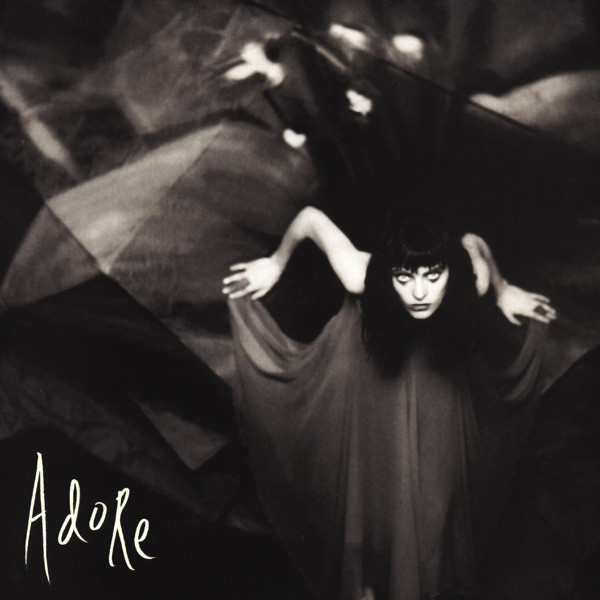
Billy Corgan didn't trust his bandmates to play their own parts on Siamese Dream. He spent nearly four months holed up in Triclops Sound Studios in Georgia, suffering a nervous breakdown while Butch Vig watched him overdub every single guitar and bass layer himself. It wasn't a collaborative effort; it was a goddamn obsession with reclaiming the 'Big Muff' fuzz sound from the Seattle grunge kids and turning it into something orchestral. By the time they finished, Corgan had driven the band to the brink of suicide and created a record that sounded like a thousand guitars screaming in a cathedral. The success turned Corgan into a benign dictator who eventually traded the fuzz pedals for an Arp 2600 and a drum machine. When Jimmy Chamberlin got kicked out during the Mellon Collie tour after that overdose in a Manhattan hotel, the heartbeat of the band stopped. Adore was the sound of a man trying to grieve while fighting with a digital sequencer, and it confused the hell out of the kids who just wanted to mosh to 'Bullet with Butterfly Wings.' They spent the next twenty years breaking up, reuniting with various hired guns, and chasing a massive, sprawling prog-rock mythology that even the die-hards struggle to map out.
Bio from The Clerk
The Arc of The Smashing Pumpkins
The pivots — what forced The Smashing Pumpkins to reinvent.
The Butch Vig Perfectionism
Before they were superstars, they were a tight Gish-era psych-rock outfit that sounded like a heavy Jane’s Addiction. Everything changed when they locked themselves in the studio with Butch Vig and a mountain of E-Bow units and boutique fuzz pedals. Corgan took the tapes and layered so many guitar tracks that the analog hiss became its own instrument. The result was a suffocatingly dense wall of sound that forced the band into the spotlight while simultaneously destroying their internal chemistry.
The Double-Album Gamble
Flood and Alan Moulder were brought in to replace Vig because Corgan wanted to move away from the 'grunge' tag and embrace pure theatricality. They tracked in multiple rooms at once to capture a more live, chaotic energy that moved between piano ballads and industrial metal. This was the peak of their ego, a 28-track sprawl that somehow became the biggest record in the world. It’s the moment they stopped being a band and started being a touring corporation with a costume department.
The Machine Grieving
After Chamberlin was fired following the death of touring keyboardist Jonathan Melvoin, the band pivoted to a cold, electronic minimalism for Adore. They traded the loud-quiet-loud dynamics for 808 beats and acoustic guitars, influenced largely by Corgan’s obsession with Depeche Mode and the gothic underground. It was a commercial disaster at the time, but the record proved they weren't just a loud guitar act. You can hear the isolation in the mix—it’s the sound of a band falling apart in slow motion.
The Archive Rabbit Hole
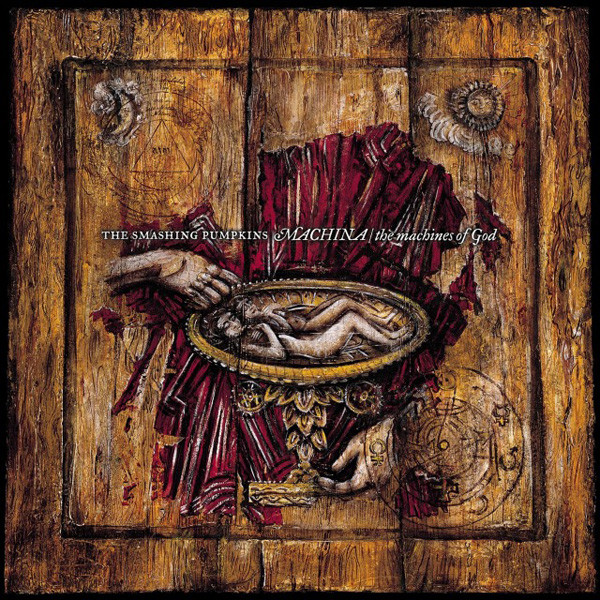
Once the original lineup dissolved for good after the Machina sessions, the band became a revolving door centered entirely on Corgan’s whims. He started chasing massive conceptual arcs like Teargarden by Kaleidyscope, releasing songs one by one and leaning into synth-heavy prog and arena rock. The focus shifted from making cohesive albums to building a sprawling, digital-only mythology. It’s a dense, difficult era where the production is polished to a mirror finish, often losing the grit that made the early records breathe.
Influences
- Cheap Trick — Corgan has repeatedly cited them as the blueprint for his pop sensibilities, even performing 'Day Tripper' with Rick Nielsen on stage. You hear it in the sugary, power-pop hooks of '1979' and 'Today' that hide under the heavy distortion. They took the Illinois rock-and-roll work ethic and applied it to a darker generation.
- The Cure — The band famously covered 'A Night Like This' and Corgan modeled his vocal delivery on Robert Smith’s breathy, desperate whine. The sprawling, atmospheric textures on 'Disintegration' directly paved the way for the more cinematic moments on Mellon Collie. It's the gothic DNA that kept them from being just another flannel-wearing rock band.
- Black Sabbath — The heavy, sludgy riffs on Gish and Siamese Dream are straight out of the Tony Iommi playbook. Corgan has admitted in several interviews that he spent his youth practicing Sabbath riffs to master the down-tuned, oppressive weight of their sound. 'Zero' doesn't exist without 'Master of Reality' in the background.
- Electric Light Orchestra — Jeff Lynne’s maximalist production and the use of strings as a rock instrument were major touchstones for Corgan's studio ambitions. You hear the ELO influence in the layered arrangements of 'Tonight, Tonight' and the general 'more is more' philosophy of their mid-90s output. They wanted the scale of a symphony with the volume of a Marshall stack.
- My Bloody Valentine — The 'wall of sound' guitar technique on Loveless was the primary inspiration for the dense layering on Siamese Dream. Alan Moulder, who worked on MBV records, was eventually brought in to help the Pumpkins achieve that same shimmering, overwhelming guitar haze. It’s the sound of taking shoegaze and giving it a massive, radio-ready ego.
Discography
Their records — most-collected first.

Mellon Collie And The Infinite Sadness
1995
Adore
1998
Greatest Hits
2001
Machina / The Machines Of God
2000
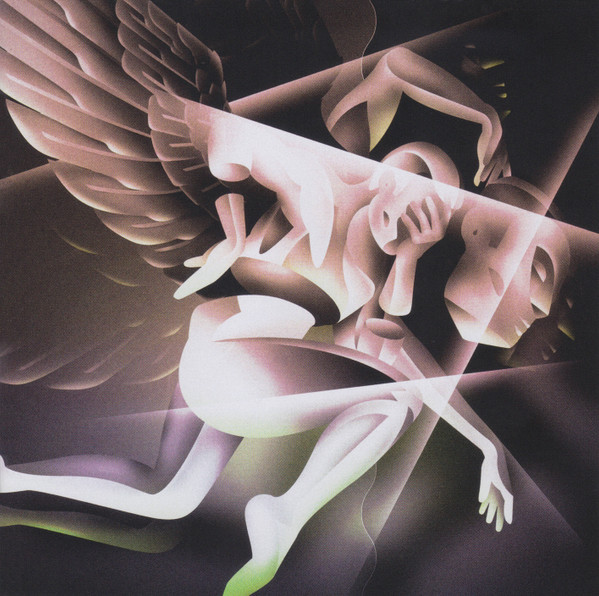
Shiny And Oh So Bright - Vol.1 / LP - No Past. No Future. No Sun.
2018
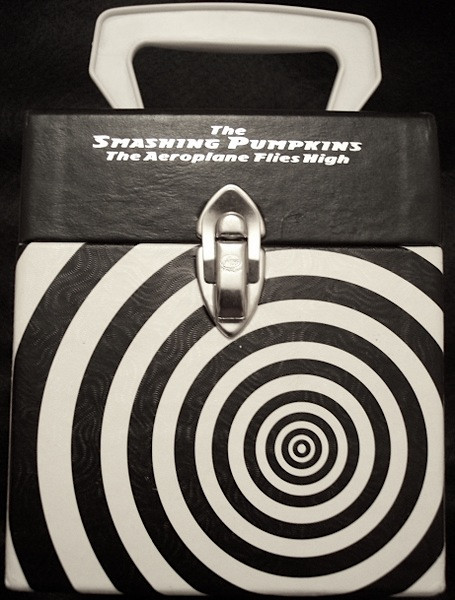
The Aeroplane Flies High
1996

Aghori Mhori Mei
2024

ATUM (A Rock Opera In Three Acts)
2023
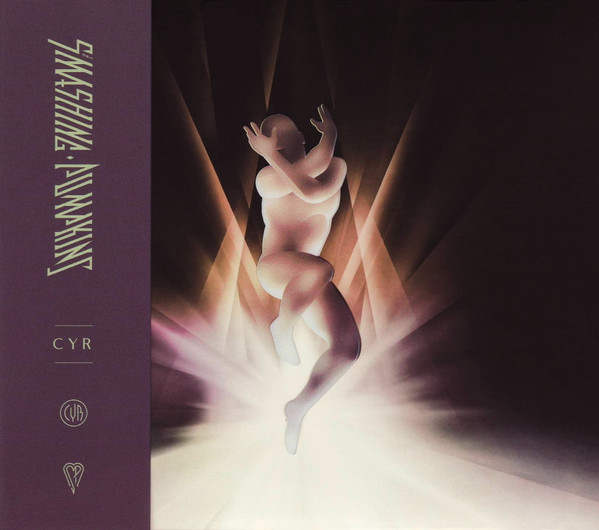
Cyr
2020

Monuments To An Elegy
2014
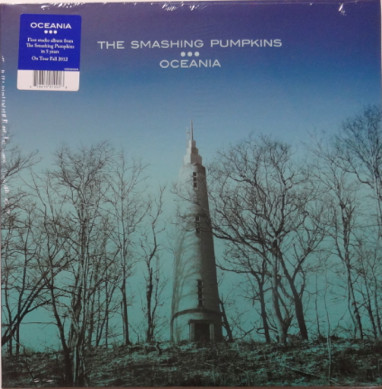
Oceania
2012

1979
1996
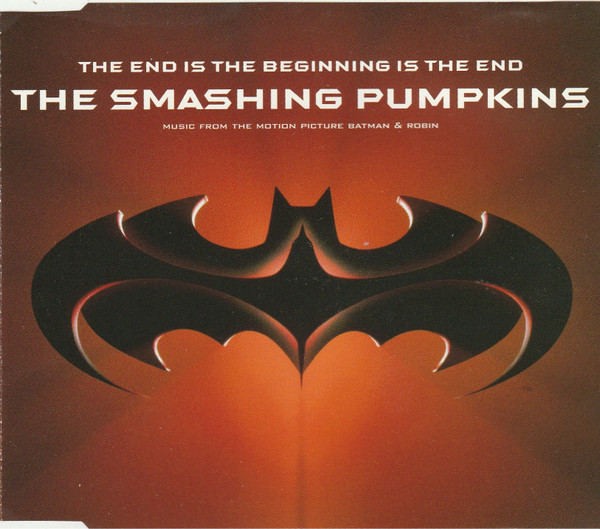
The End Is The Beginning Is The End
1997
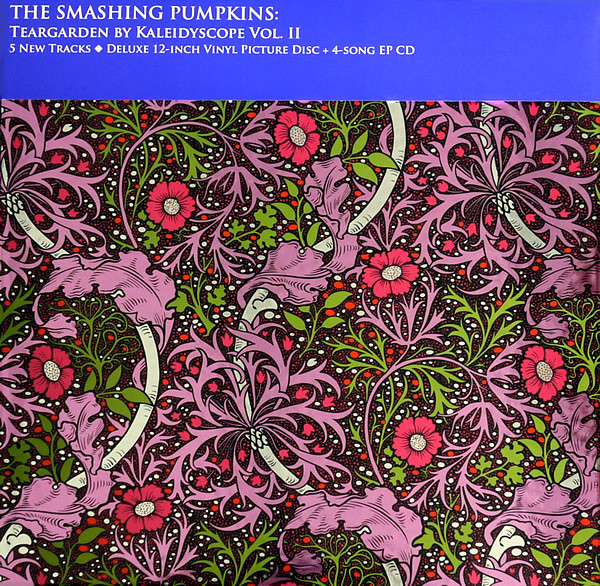
Teargarden By Kaleidyscope Vol. II: The Solstice Bare
2010
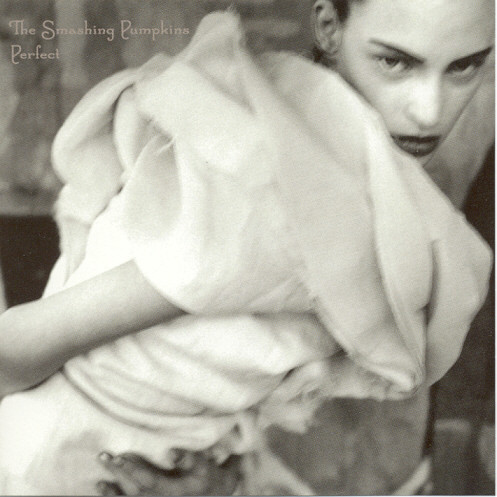
Perfect
1998
Teargarden By Kaleidyscope Vol. I: Songs For A Sailor
2010

Ava Adore
1998
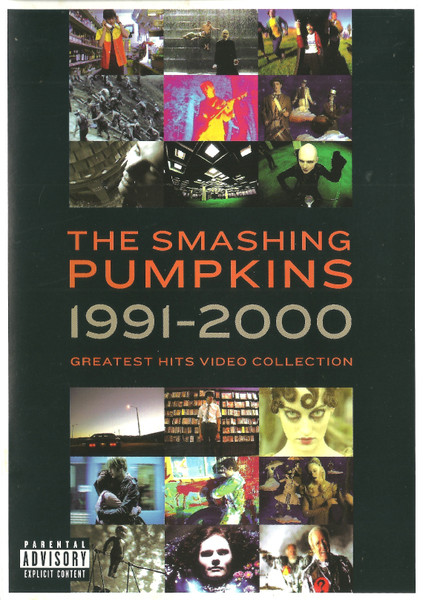
1991-2000 Greatest Hits Video Collection
2001
Tonight, Tonight
1996
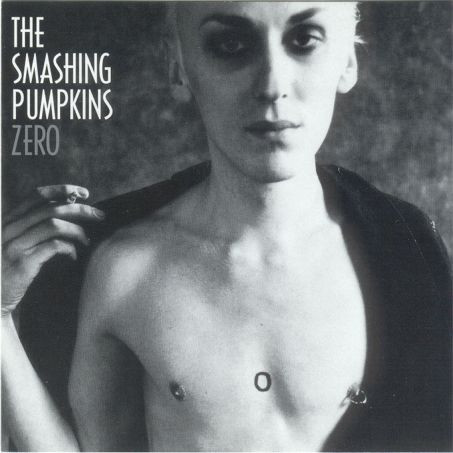
Zero
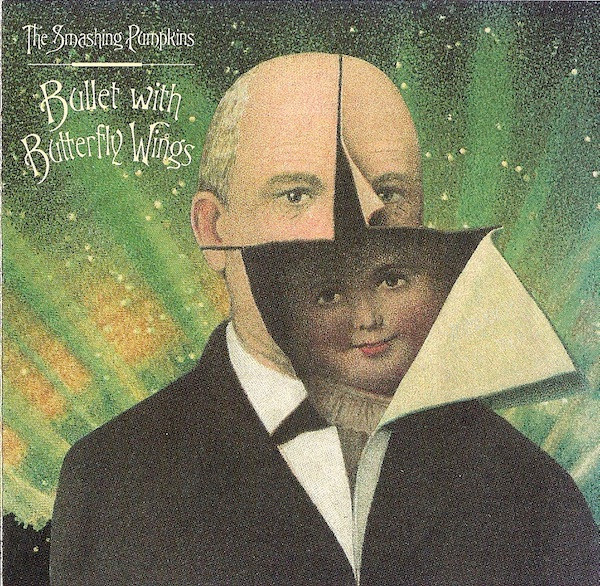
Bullet With Butterfly Wings
1995

Zodeon At Crystal Hall
2025
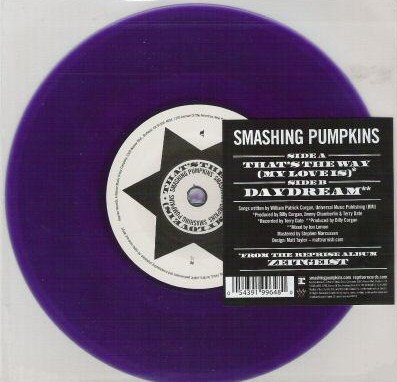
That's The Way (My Love Is)
2007

Stand Inside Your Love
2000
Related artists
Members
Frequent collaborators
Around the web
Follow every record they touch.
Start your shelf and Gatefold tracks The Smashing Pumpkins's new pressings, tour dates, and the whole discography — automatically.
Start your shelf →Free forever. Works with 10 records or 10,000.