
Artist
Sloan
Halifax, Canada
Sloan is a music group from Halifax, Canada. Their discography on Gatefold includes 18 records.

18
Albums tracked
97
In collections
—
Since
Biography
Geffen tried to turn four guys from Halifax into the next Nirvana because they saw Chris Murphy playing a bass with feedback on the Smeared tour. It was a total failure of imagination. The label wanted grunge, but the band showed up to the Twice Removed sessions with Smithereens chords and harmonies that sounded like The Hollies having a nervous breakdown. When the suits heard 'People of the Sky' instead of a Mudhoney rip-off, they effectively buried the record, dropped the band, and waited for them to disappear into the Maritimes. Instead of folding, they retreated to Pier 21, bought a four-track, and recorded One Chord to Another for peanuts. That's the moment the Sloan myth actually starts. It’s the sound of four distinct songwriters realizing they didn't need a savior or a sub-genre to sell records. They just needed to swap instruments and lean into the fact that they were the most democratic rock band on the planet. They’ve spent the last thirty years proving that being a 'Canadian institution' is just a polite way of saying they outlasted every trend by sheer force of stubbornness.
Bio from The Clerk
The Arc of Sloan
The pivots — what forced Sloan to reinvent.
The Sub Pop North Experiment
Signed to Geffen after only a handful of shows, the band was marketed as the clean-cut face of the Halifax Scene. Smeared was a murky, distorted mess of shoegaze textures that hid the fact they were actually power-pop scholars. You can hear the tension on the record between the feedback the label wanted and the melodic hooks Jay Ferguson was already trying to smuggle into the mix. It was a brief, sweaty moment where they were almost a noise-rock band before the pop sensibilities took over entirely.
The Independent Revival
After the Geffen fallout, they went back to Halifax, leaned into their own Murderecords label, and tracked One Chord to Another. They ditched the heavy distortion for 1960s British Invasion horns and handclaps, recording the whole thing with a lo-fi warmth that felt like a middle finger to corporate gloss. This was the birth of the four-headed monster, where every member contributed songs and the band started swapping instruments live. It transformed them from a grunge footnote into a self-contained hit machine that didn't need a major label to function.
The Arena-Rock Pivot
By the time Navy Blues hit in 1998, the band traded the Beatles aesthetic for Thin Lizzy dual-guitar leads and 70s swagger. This was the Tom Rothrock and Rob Schnapf era, where the drums got louder and Patrick Pentland started writing riffs that felt designed for hockey rinks rather than dive bars. It’s the loudest they ever got, balancing the heavy 'Money City Maniacs' stomp against Andrew Scott’s increasingly experimental, psychedelic contributions. They were chasing a classic rock ghost and, for a few years, they actually caught it.
The Commonwealth Marathon
The band eventually moved into a phase of total creative autonomy, culminating in the Commonwealth double album where each member got a full side of vinyl to themselves. This wasn't just a gimmick; it was a way to manage the four-way ego split that usually kills bands after a decade. Working with Ryan Haslett, they leaned into their individual strengths, from Murphy’s wordy pop to Scott’s avant-garde leanings. It signaled their final form: a permanent collective where the brand is the chemistry rather than any single frontman.
Influences
- The Beatles — The band famously covered 'I've Got a Feeling' and the Rubber Soul vocal stacks are all over 'The Lines You Amend.' You hear it in the way they treat the studio as a fifth member and their obsession with the McCartney/Lennon harmonic tension. It’s the foundational DNA for their entire four-songwriter democracy.
- Thin Lizzy — The dual-lead guitar harmony on 'The Good in Everyone' is a direct lift from the Phil Lynott playbook. They’ve cited the 1970s twin-guitar attack as the primary inspiration for the shift toward the harder sound found on Navy Blues. It’s the bridge between their indie-pop roots and their stadium-rock ambitions.
- The Hollies — Chris Murphy has repeatedly pointed to their three-part harmonies as the blueprint for Sloan's vocal arrangements. You hear that clean, mid-60s jangle and vocal precision on tracks like 'Everything You've Done Wrong.' They took the sunshine-pop vocal blend and grit it up just enough for the 90s.
- Sonic Youth — The feedback-heavy intro to 'Underwhelmed' and the early shoegaze experiments on Smeared were born from a 1991 tour supporting 7 Year Bitch and watching Thurston Moore’s gear setups. That noise-rock influence stayed in their DNA, surfacing whenever they need to break a pop song with a jagged bridge. It kept them from being too precious.
- Cheap Trick — The band frequently covers 'He's a Whore' and shares Rick Nielsen’s knack for marrying heavy riffs with sugary-sweet choruses. You hear that power-pop crunch most clearly on Action Pact, where they tried to make a record that sounded like 1978 radio. They are the North American heirs to that specific brand of nerdy, high-energy rock.
Discography
Their records — most-collected first.

One Chord To Another
1996

Twice Removed
1994

Smeared
1992
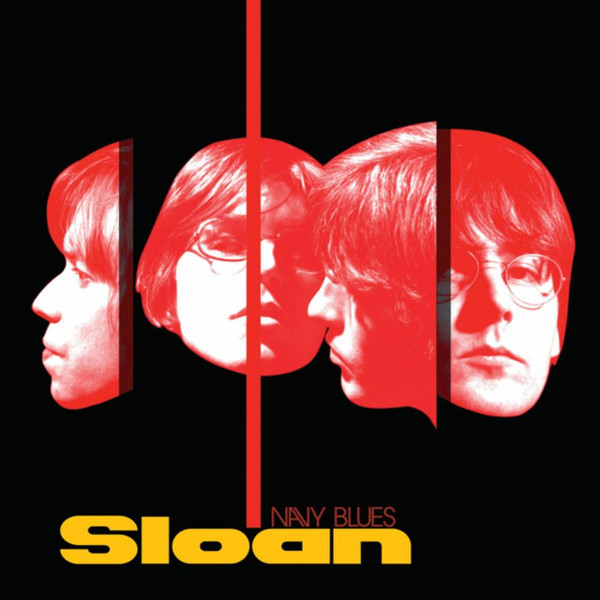
Navy Blues
1998

Never Hear The End Of It
2006

Based On The Best Seller
2025

Steady
2022

A Sides Win: Singles 1992-2005
2005

Pretty Together
2001

Action Pact
2003

Between The Bridges
1999

4 Nights At The Palais Royale
1999

Peppermint EP
1992

12
2018

Commonwealth
2014

The Double Cross
2011
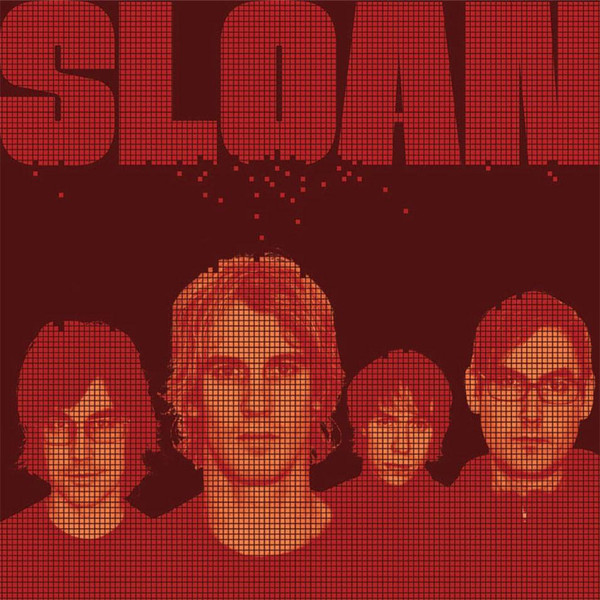
Parallel Play
2008

Alternates
2015
Related artists
Around the web
Follow every record they touch.
Start your shelf and Gatefold tracks Sloan's new pressings, tour dates, and the whole discography — automatically.
Start your shelf →Free forever. Works with 10 records or 10,000.