
Artist
Sleep
San Jose, United States
Sleep is a music group from San Jose, United States. Their discography on Gatefold includes 12 records.

12
Albums tracked
287
In collections
—
Since
Biography
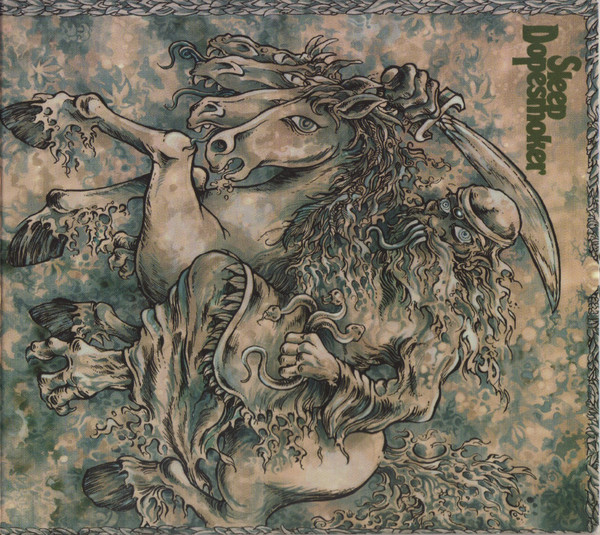
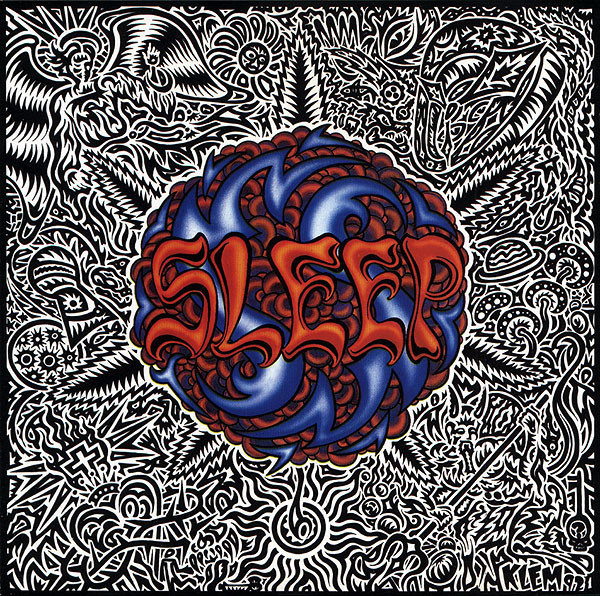
Matt Pike ran modified tube heads pushed until the transformers were practically melting, tuned to C standard, while Al Cisneros plucked gut-rumbling Rickenbacker basslines with his fingers right on top of the pickup. They took the heavy blues riff and dragged it into an absolute crawl. It was Oakland filth: loud, bone-dry, and deliberately hostile to anything resembling commercial pacing. When they recorded Sleep's Holy Mountain, they weren't chasing a scene. They just wanted to play Sabbath riffs at half speed through walls of stacked green cabinets. Then came the sixty-minute track. London Records handed them major label money, and the band blew the advance on custom amplifiers, weed, and endless tracking sessions for one single, monolithic song. The suits expected radio singles and got a sixty-plus minute wall of drone called Jerusalem, which the label flatly refused to put out. The fallout destroyed the rhythm section, broke the band in half for over a decade, and birthed High on Fire and OM from the wreckage. By the time that monolithic take finally surfaced properly as Dopesmoker, the myth had already overtaken the reality.
Bio from The Clerk
The Arc of Sleep
The pivots — what forced Sleep to reinvent.
The Holy Mountain Crawl
Justin Marler split to become an Orthodox monk right after Volume One, leaving Pike, Cisneros, and Chris Hakius as a stripped-down power trio. That reduction forced Pike to thicken his tone with endless speaker cabs while Cisneros stepped up to sing like an ancient monk reciting incantations. Sleep's Holy Mountain became the blueprint for modern doom by stripping out all metal pretensions and replacing them with raw, lumbering low-end groove. You hear three guys locking into pure hypnotic repetition without a single trace of studio gloss.
The Major Label Implosion
London Records signed them on the back of the stoner rock buzz and instantly lost their minds when the band handed in a single, continuous hour-long hymn. The label demanded edits and radio cuts, but the band refused to budge on the vision. The ensuing legal gridlock and studio frustration literally broke the band apart before Jerusalem could see an official, intended release. It sat in bootleg purgatory for years, a legendary middle finger to record industry logic that proved you can't force a major label machine onto pure, uncompromising noise.
Resurrection on 4/20
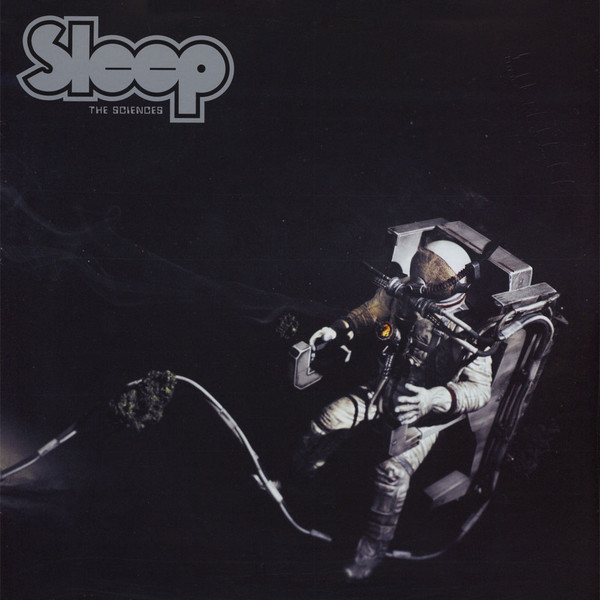
After years apart running OM and High on Fire, Cisneros and Pike regrouped with Neurosis powerhouse Jason Roeder taking over behind the kit for Hakius. In 2018, they dropped The Sciences unannounced on Third Man Records on April 20th without a single promotional rollout. Roeder brought a crushing, tribal precision to the percussion that tightened up Pike's filthy riffing and Cisneros' dub-heavy bass experiments. It proved the band was not just a preserved relic of the nineties, but a fully functional sonic wrecking ball.
Influences
- Black Sabbath — Sleep took Sabbath's Master of Reality as their absolute holy text, lifting Tony Iommi's down-tuned tritone riffs and Geezer Butler's elastic bass runs. You hear it across every second of Sleep's Holy Mountain, where tracks like 'Dragonaut' essentially function as hyper-amplified, slow-motion homage to 'Children of the Grave'. Pike never hid it: without Sabbath, this band simply does not exist.
- Saint Vitus — Vitus kept American doom alive through the eighties punk underground on SST Records, playing agonizingly slow when everyone else was playing thrash. Sleep picked up that exact counter-cultural stubbornness and Dave Chandler's loose, feedback-drenched soloing style. You hear that dirty, blown-out guitar squeal right in the middle of 'The Druid'.
- Trouble — Pike and Cisneros routinely cited Chicago's Trouble as the gold standard for heavy, twin-guitar riff mechanics and thick, crushing low end. Sleep absorbed their thunderous mid-tempo pacing and turned it into an oppressive ritual. You hear Trouble's biblical, pounding groove stripped of its speed and stretched into the monolithic opening march of Dopesmoker.
- Blue Cheer — Blue Cheer pioneered sheer, unadulterated volume in the late sixties by turning Marshall stacks into instruments of pure blunt trauma. Sleep took that exact sonic philosophy: volume isn't just a knob setting, it's physical texture. The relentless, roaring amp hum between the chords on Volume One comes straight out of the Vincebus Eruptum playbook.
- Melvins — Buzz Osborne showed West Coast underground musicians in the late eighties that down-tuned sludge could be heavier than any polished metal record on the market. Sleep took the Melvins' agonizingly slow drum tempos and punishing rhythmic weight as permission to abandon speed entirely. The dragging, swampy pacing on 'Sonic Titan' owes its entire skeletal structure to early Melvins records like Gluey Porch Treatments.
Discography
Their records — most-collected first.


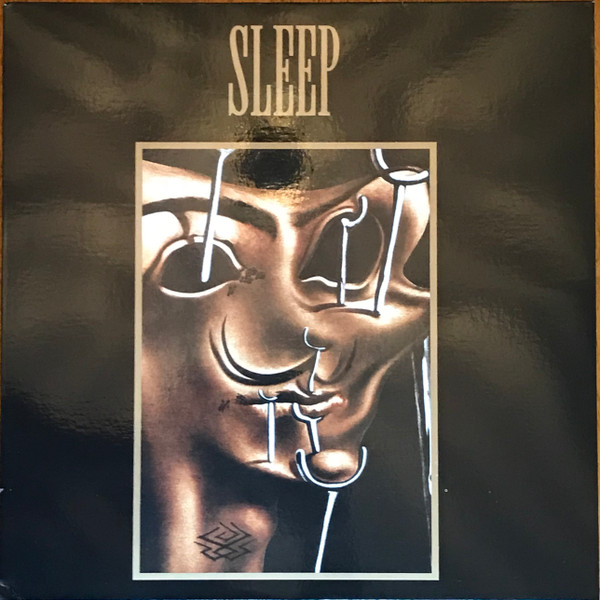
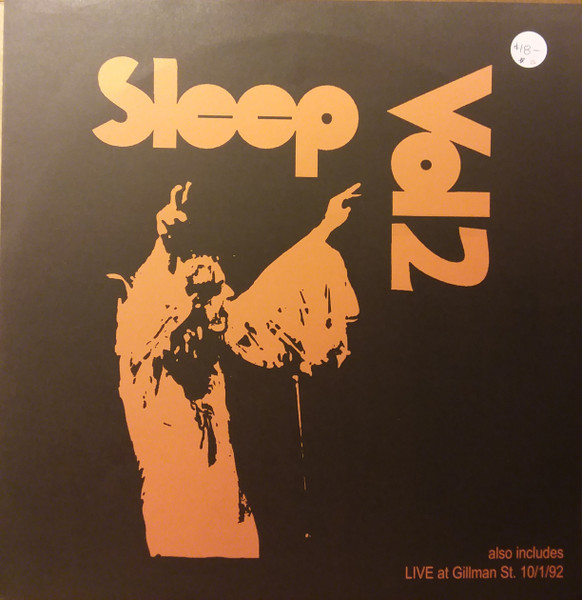

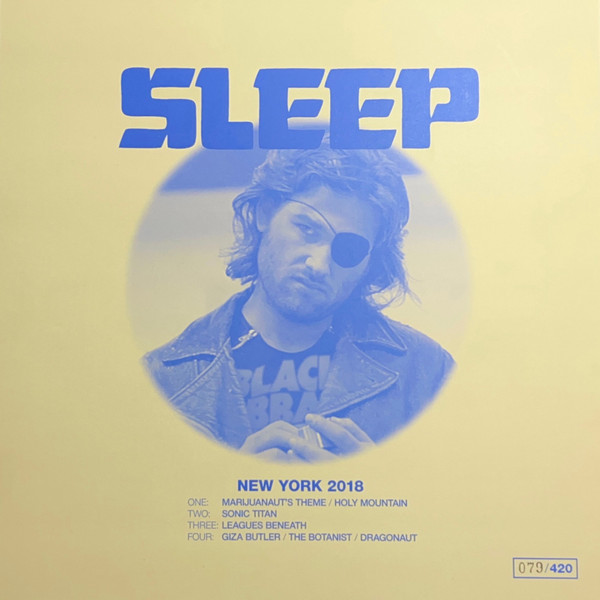

Related artists
Around the web
Follow every record they touch.
Start your shelf and Gatefold tracks Sleep's new pressings, tour dates, and the whole discography — automatically.
Start your shelf →Free forever. Works with 10 records or 10,000.