
Artist
Slayer
Huntington Park, United States · Formed 1981
Slayer is a music group from Huntington Park, United States, active since 1981. Their discography on Gatefold includes 24 records.

33
Albums tracked
532
In collections
1981
Since
Biography
Kerry King’s dad fronted the cash to record Show No Mercy after seeing the band play some local covers. They didn't have a budget for a big studio so they cut the whole thing in the middle of the night at Track Record to save money. You can hear that urgency in the tape—it sounds like four guys trying to outrun the clock before the morning shift starts. It’s thin, it’s raw, and it’s miles away from the polished wall of sound they’d get later with Rick Rubin, but the speed was already there. By the time they hit South of Heaven, they were bored with being the fastest band on the planet. They purposely slowed down the tempos just to mess with the fans who wanted Reign in Blood Part II. It was a hell of a gamble that paid off because it proved they could actually write a riff that didn't rely on sheer velocity. Of course, the 90s got weird with Diabolus in Musica when they tried to tune down and flirt with the nu-metal scene. It was a rare moment of Slayer looking at what was popular instead of making everyone else look at them, and it felt forced. They eventually clawed back to that high-tension thrash, but you can’t talk about this band without acknowledging that brief, awkward identity crisis.
Bio from The Clerk
The Arc of Slayer
The pivots — what forced Slayer to reinvent.
The Metal Blade Years
Everything starts with Brian Slagel putting 'Aggressive Perfector' on a compilation and then watching the band record their debut in a series of frantic 11 PM to 7 AM sessions. This era is all about that reverb-soaked, Venom-inspired chaos where they were still wearing eyeliner and studs like the Mercyful Fate fans they were. You hear the transition from NWOBHM worship into something much uglier and faster across Haunting the Chapel. It’s the sound of a band realizing that the darker the imagery got, the better the riffs sounded.
The Rubin Reinvention
Rick Rubin had never produced a metal band before he sat Slayer down for Reign in Blood at CD Studios. He stripped away all the cavernous reverb of the early 80s and gave them a dry, punchy sound that hit like a physical punch to the face. The result was twenty-nine minutes of perfectly edited violence that changed the production standards for every heavy record that followed. It turned Dave Lombardo’s kick drums into a lead instrument and forced the guitars to be surgically precise.
The Slow Burn Shift
After the high-water mark of '86, the band intentionally tapped the brakes and leaned into a more atmospheric, melodic approach for South of Heaven. Jeff Hanneman started writing these haunting, clean guitar intros that built tension instead of just exploding from the first second. It gave Tom Araya room to actually sing for once, even if he was still shouting about the end of the world. This move towards 'groove' over 'speed' kept them from becoming a parody of themselves and gave the catalog some much-needed breathing room.
The Gary Holt Transition
The band hit a massive wall when Jeff Hanneman passed away, leaving a hole in the songwriting that seemed impossible to fill. Bringing in Gary Holt from Exodus wasn't just a convenient hire; it was a move that kept the band's DNA intact since Holt essentially helped build the Bay Area scene alongside them. While Repentless was their only record with Holt, his presence on stage for the final years brought back a level of aggression that had flagged during the late 90s. It was the sound of a band accepting their legacy and deciding to go out while they could still pull it off.
Influences
- Venom — Slayer covered 'Witching Hour' constantly in the early days and basically modeled their early satanic aesthetic on Cronos and the boys. You hear it in the messy, blackened speed of 'Show No Mercy' before Rubin cleaned up their act. It was the blueprint for being more extreme than the guy next to you.
- Mercyful Fate — Kerry King has gone on record saying King Diamond’s crew was a massive influence on their early twin-guitar harmonies. The sinister, neo-classical dual leads on 'Hell Awaits' are a direct descendant of what Hank Shermann and Michael Denner were doing in Denmark. It gave their chaos a weirdly structured, melodic undercurrent.
- Judas Priest — Before they were thrash kings, they were playing Priest covers in South Bay clubs. The influence is all over the dual-lead attack and the leather-and-studs look that became the genre standard. You can hear the 'Stained Class' era precision in the way Hanneman and King locked their rhythm tracks.
- Iron Maiden — The gallop is the key here. Steve Harris's bass-heavy, rhythmic drive influenced the way Slayer approached their faster tempos, specifically the way the guitars lock into the percussion. It’s the foundation for those locked-in, machine-gun rhythm sections on 'Haunting the Chapel'.
- Minor Threat — The band was obsessed with the speed and brevity of D.C. hardcore, eventually recording an entire covers album of punk tracks. You hear that Ian MacKaye influence in the sub-two-minute song structures on 'Reign in Blood'. They took the punk tempo and applied it to heavy metal technicality.
Discography
Their records — most-collected first.

Reign In Blood
1986
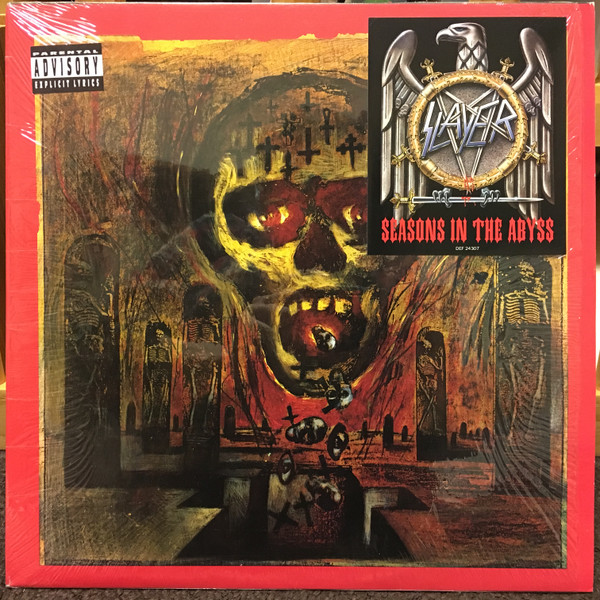
Seasons In The Abyss
1990
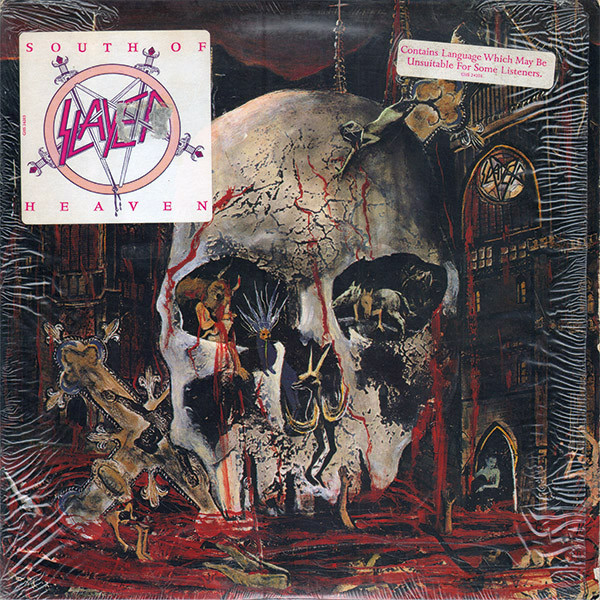
South Of Heaven
1988
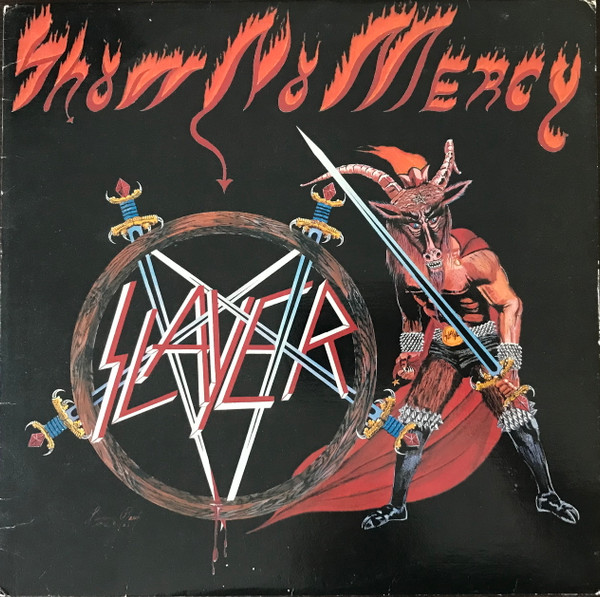
Show No Mercy
1983
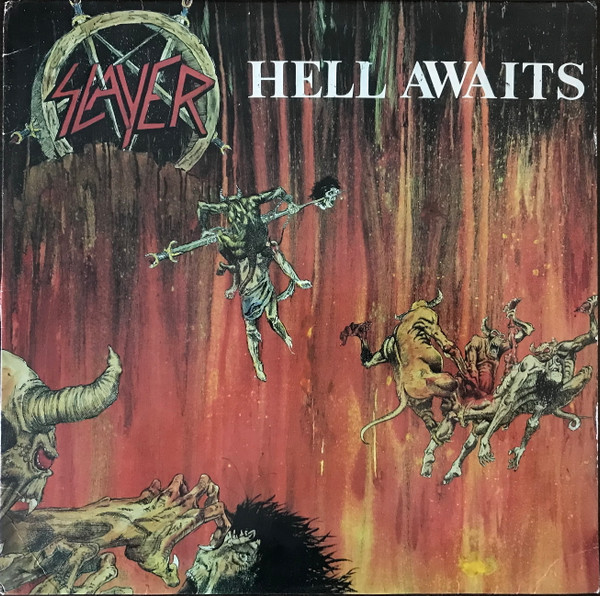
Hell Awaits
1985

Decade Of Aggression Live
1991
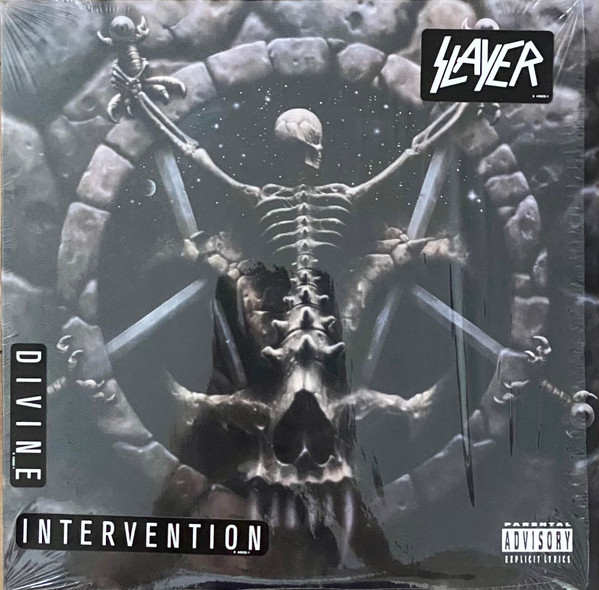
Divine Intervention
1994
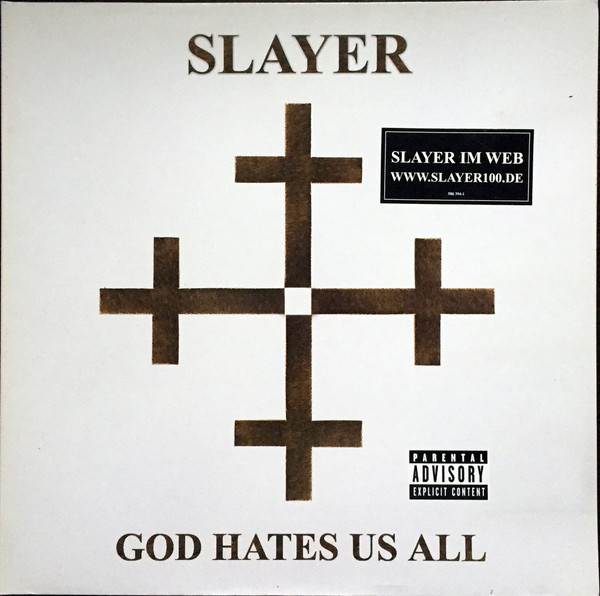
God Hates Us All
2001

Undisputed Attitude
1996
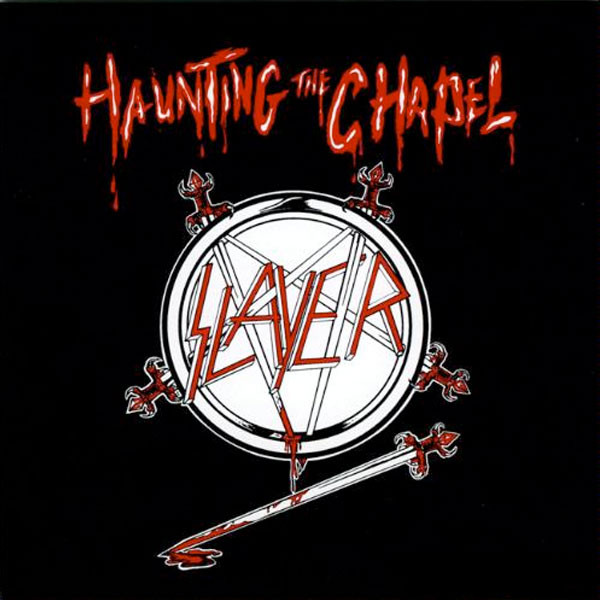
Haunting The Chapel
1984
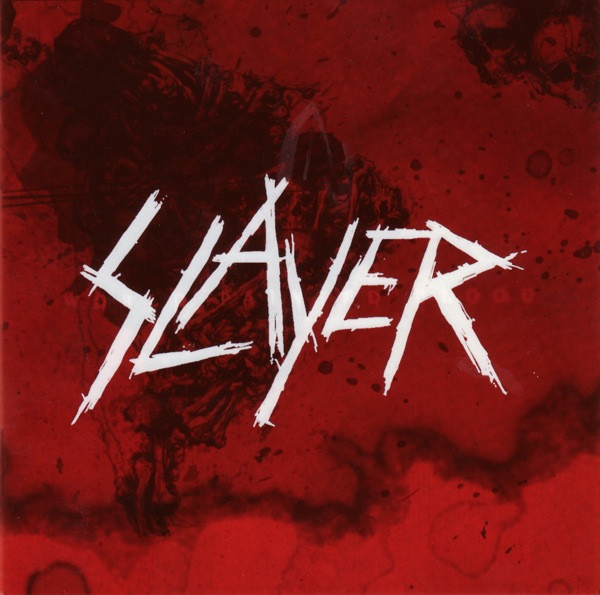
World Painted Blood
2009
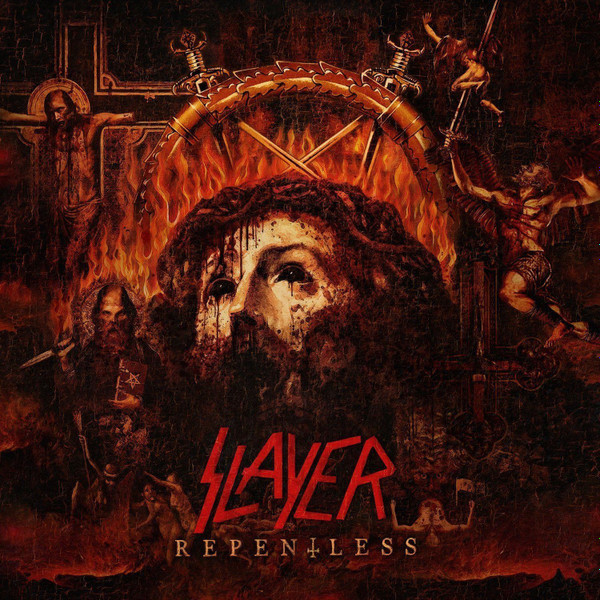
Repentless
2015
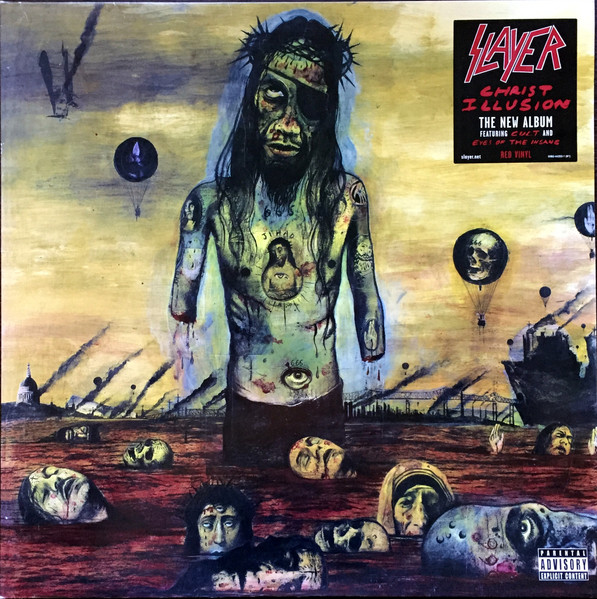
Christ Illusion
2006
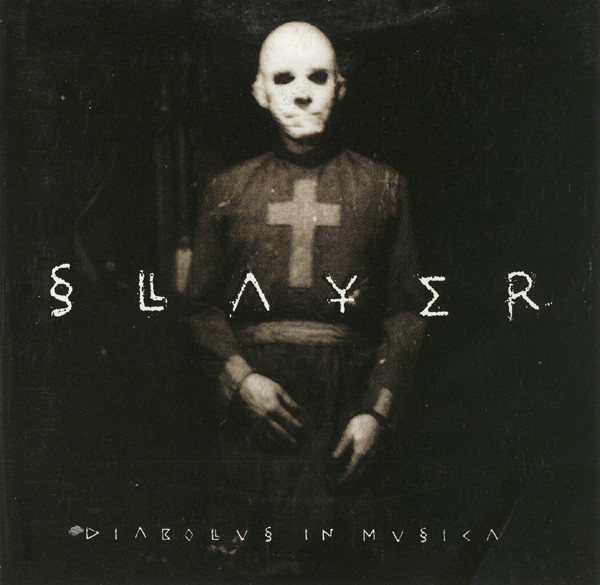
Diabolus In Musica
1998
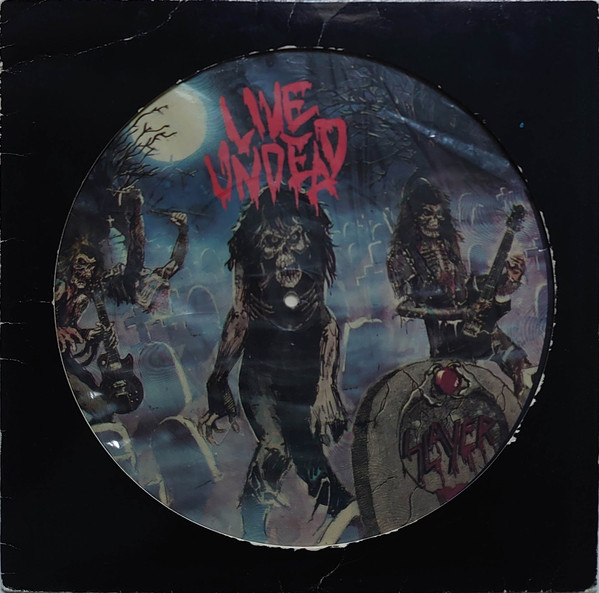
Live Undead
1985
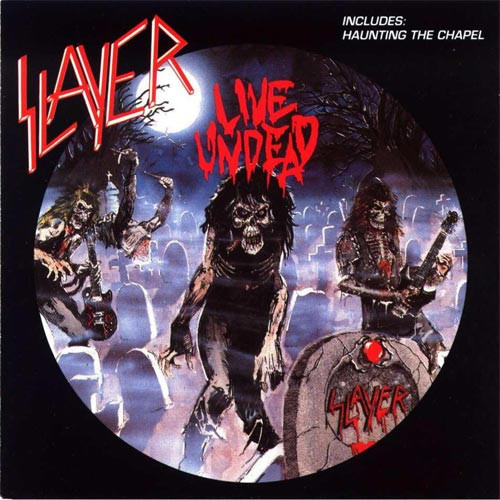
Live Undead / Haunting The Chapel
1994
Praying To Satan (Live FM Broadcast Recorded At Le Zenith, Paris, France 22nd November 1991)
2019

War At The Warfield
2003
Soundtrack To The Apocalypse
2003

Eternal Pyre
2006
Still Reigning
2004
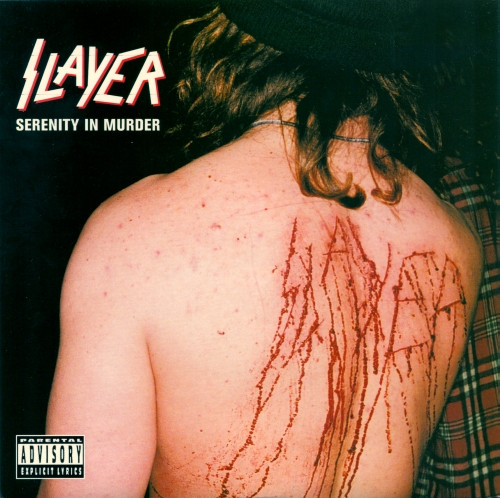
Serenity In Murder
1995

No Saints In The Pit
2024
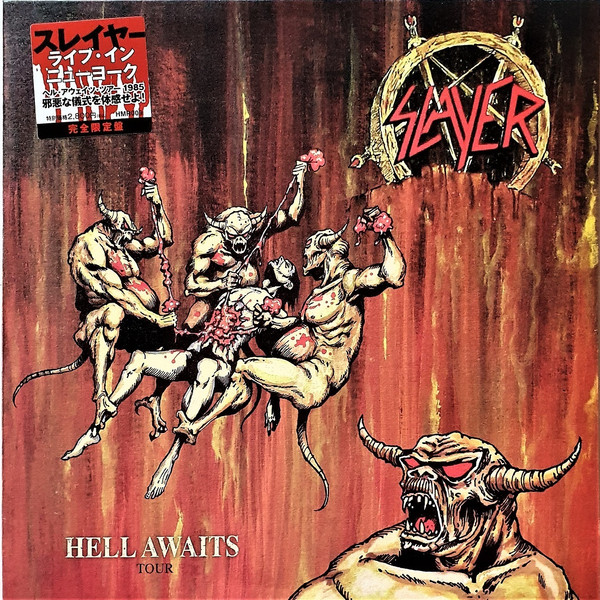
Hell Awaits Tour
2022
Related artists
Around the web
Follow every record they touch.
Start your shelf and Gatefold tracks Slayer's new pressings, tour dates, and the whole discography — automatically.
Start your shelf →Free forever. Works with 10 records or 10,000.