
Artist
Slave
Dayton, United States · 1975 – 1996
Slave is a music group from Dayton, United States, active 1975–1996. Their discography on Gatefold includes 19 records.

19
Albums tracked
39
In collections
1975
Since
Biography
Mark Adams ran his bass through an envelope filter, tuned his thumb to hit like a sledgehammer, and practically handed West Coast hip-hop its entire low-end diet a decade in advance. Cotillion signed the Dayton outfit right out of the gate in 1977, and they responded by dropping 'Slide'—a track so heavy with brass and slap-bass mud it made half the disco charting that month sound like elevator music. They were Ohio street funk through and through. Thick pocket, dirty horns, and zero interest in the sweet Philly polish everyone else was chasing. Then Steve Arrington stepped out from behind the drum kit to take the mic, and the whole dynamic locked into hyper-drive. Arrington's pinched, ecstatic lead vocal turned tracks like 'Just a Touch of Love' and 'Watching You' into radio gold without softening the band's vicious groove. When Arrington walked in '82 to go solo and launch his Hall of Fame run, the rhythm section stayed fierce, but the magic got diluted across splinter projects like Aurra. They chased trends into the mid-80s with drum machines and synth patches that dated instantly, but those first six albums are pure, uncut funk royalty.
Bio from The Clerk
The Arc of Slave
The pivots — what forced Slave to reinvent.
The Raw Dayton Blueprint (1977-1978)
Producer Jimmy Douglass captured the initial nine-piece lineup playing in the red with no studio gimmicks. Mark Adams's distorted slap bass and Mark Hicks's rock-edged guitar leads drove self-titled debut 'Slave' and 'The Hardness of the World'. The sound was brutal, sweat-soaked street funk with heavy horn arrangements and zero commercial compromise. You hear a band built for Midwestern gymnasiums and block parties, hitting harder than any studio act had a right to.
The Arrington Golden Run (1979-1982)
Drummer Steve Arrington stepped up to the front mic on 1979's 'Just a Touch of Love' and instantly gave the band a defining, charismatic voice. Teaming up with vocalists Starleana Young and Curt Jones, they dropped back-to-back monsters with 'Stone Jam' and 'Show Time'. The grooves tightened into sleek, post-disco boogie without losing an ounce of Adams's thunderous bottom end. It remains their commercial and artistic peak, providing the foundational DNA for the entire early-90s G-Funk boom.
The Post-Split Boogie Hustle (1983-1988)
Arrington departed for a solo career, while Jones and Young split to focus on their spinoff group Aurra. Adams and guitarist Danny Webster held down the fort on albums like 'Bad Enuff' and 'New Plateau', pivoting hard toward LinnDrums and MIDI synthesizers to survive the mid-80s R&B market. The raw, live-in-the-room interplay was largely replaced by clean, quantized electro-funk production. Adams could still tear the fretboard off a bass, but the songwriting struggled to cut through the digital sheen.
Influences
- Ohio Players — The direct local forebears of the Dayton funk explosion. Slave cribbed their tight, punchy horn stabs and bluesy, fuzz-toned guitar leads directly from records like 'Skin Tight'. You can hear the exact same Dayton swing in the rhythm section of 'Slide'.
- Sly and the Family Stone — Larry Graham invented the modern slap-bass technique that Mark Adams took and weaponized for the late '70s. The collective, multi-lead vocal arrangements on Slave's first three records trace straight back to Sly's late-60s counterpoint style. Without Graham's thumb on 'Thank You', Adams never finds his primary weapon.
- Parliament-Funkadelic — George Clinton proved that a sprawling, ten-piece funk unit could hit with the volume and distortion of a heavy rock band. Hicks's overdriven guitar leads and the group's relentless bottom-heavy arrangements take direct cues from Eddie Hazel and Bootsy Collins. You hear that rock-funk collision all over 'The Hardness of the World'.
- Kool & The Gang — Before they went pop, the Gang built the gold standard for tight, jazz-trained street funk driven by syncopated brass lines. Slave used that exact horn-section discipline as the scaffolding over which Adams could slap freely. 'Funky Stuff' laid the blueprint for Slave's early Cotillion rhythm tracks.
- Tower of Power — The Bay Area outfit established the standard for complex, lightning-fast 16th-note horn charts anchored by a virtuoso bass player. Slave took that hyper-precise horn orchestration and made it grittier for the Ohio club circuit. You hear it right away in the unison horn breaks on 'The Concept'.
Discography
Their records — most-collected first.
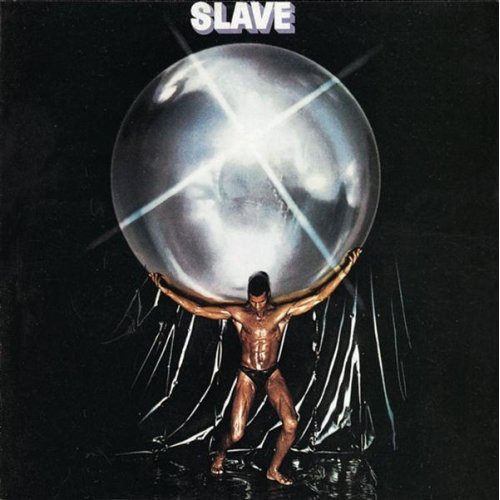
Slave
1977

Just A Touch Of Love
1979

The Hardness Of The World
1977
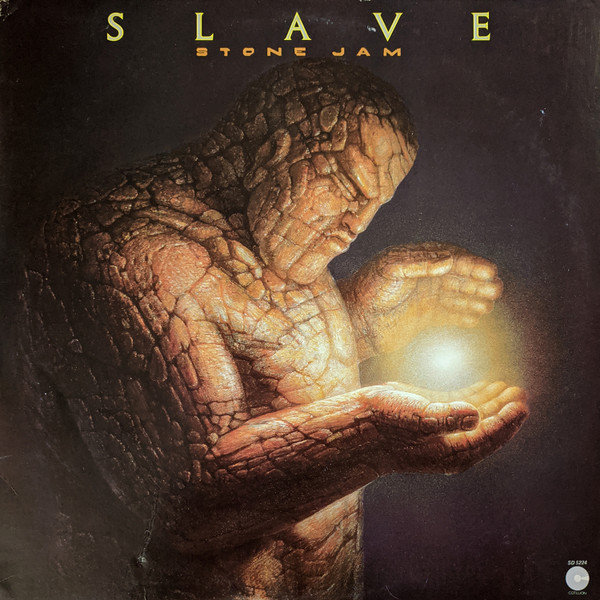
Stone Jam
1980

Show Time
1981

Watching You
1980

Just A Touch Of Love
1979
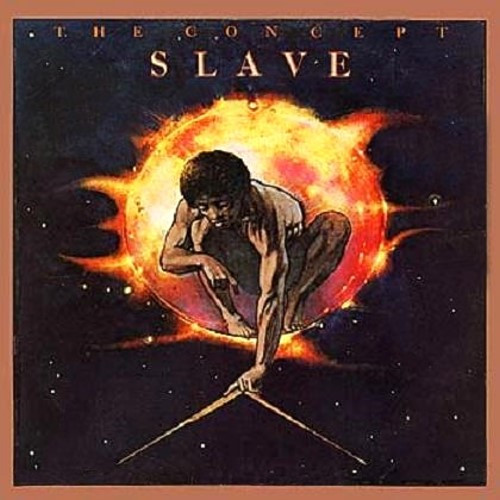
The Concept
1978

Visions Of The Lite
1982

Party Lights (More Of The Best)
2003

From The Archives
1998

Masters Of The Fungk
1995

The Funk Strikes Back
1992

Rebirth
1990

Slave 88
1988

Make Believe
1987

Unchained At Last
1985
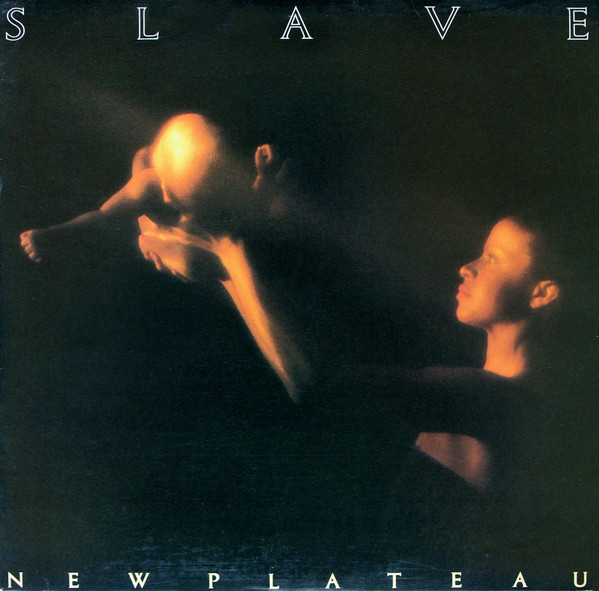
New Plateau
1984

Bad Enuff
1983
Related artists
Around the web
Follow every record they touch.
Start your shelf and Gatefold tracks Slave's new pressings, tour dates, and the whole discography — automatically.
Start your shelf →Free forever. Works with 10 records or 10,000.