
Artist
Siouxsie and the Banshees
London, United Kingdom · 1976 – 1996
Siouxsie and the Banshees is a music group from London, United Kingdom, active 1976–1996. Their discography on Gatefold includes 24 records.

43
Albums tracked
391
In collections
1976
Since
Biography
Kenny Morris and John McKay walked out of an Aberdeen record shop on tour in '79, leaving the band stranded without a guitarist or a drummer hours before a gig. Most outfits fold right there. Instead, Steven Severin and Siouxsie drafted Budgie on drums and pulled in Robert Smith to finish the dates, turning a backstage disaster into the sharpest rhythm section in post-punk. Budgie didn't keep time with straightforward snare cracks; he treated the kit like a battering ram of polyrhythms, letting Severin's bass carry the melodic heavy lifting. John McGeoch stepped into the guitar slot next and weaponized the flanger pedal, inventing a layered, cold-as-ice guitar style that practically every alternative band stole for the next fifteen years. When McGeoch burned out from drinking during the Dreamhouse sessions, the band stumbled through revolving guitarists and chased shinier dance-pop production on Superstition. But at their absolute peak, nobody touched them. They dragged punk out of its three-chord gutter and turned it into an austere, art-damaged powerhouse.
Bio from The Clerk
The Arc of Siouxsie and the Banshees
The pivots — what forced Siouxsie and the Banshees to reinvent.
The Stark Monochrome Phase
The Scream and Join Hands were brittle, serrated records built out of pure post-punk hostility. John McKay's guitar work was all jagged scrap-metal chording, locked to Severin's cold basslines and Morris's martial patterns. The music sounded like it was tracked in a concrete basement with the heat turned off. That rigid era evaporated the second McKay and Morris bolted mid-tour in 1979, forcing an immediate reinvention.
The McGeoch Peak
Bringing in Budgie behind the kit and ex-Magazine guitarist John McGeoch lit the fuse on Kaleidoscope, Juju, and A Kiss in the Dreamhouse. McGeoch layered chorus-drenched, arpeggiated riffs over Budgie's tribal tom-heavy percussion, handing Siouxsie the theatrical space her voice actually needed. This three-album stretch defined dark British art-rock before McGeoch collapsed under exhaustion and substance abuse in late 1982.
The Smith Detour and Expanding Ranks
Robert Smith jumped back in as full-time guitarist for Hyæna while juggling his duties fronting The Cure. His lush, psychedelic fretwork nudged the group toward richer textures, though the arrangement was running on borrowed time. When Smith exited, John Valentine Carruthers held the spot for Tinderbox, where Martin McCarrick's keyboards began nudging the band toward widescreen goth-pop.
Gloss and the Final Curtain
By the late eighties and early nineties, Jon Klein was on guitar and the sound leaned heavily into pop polish and club rhythms. Peepshow toyed with carnival noir, while Superstition went whole-hog on glossy programming and dance-floor hooks like Kiss Them for Me. The Rapture closed out the run in 1995 with John Cale handling production duties on half the record, ending a twenty-year war on their own terms before disbanding in 1996.
Influences
- The Velvet Underground — The Banshees covered 'Sister Ray' live during their earliest sets and recorded John Cale's 'Gun' along with Lou Reed's songs across their career. You hear the Velvets in Severin's droning, hypnotic single-note basslines and their appetite for cold, repetitive noise. It gave them permission to make three chords sound menacing instead of bluesy.
- David Bowie — Siouxsie and Severin were charter members of the Bromley Contingent who obsessed over the Station to Station and Diamond Dogs tours. You hear that theatric alienation in Siouxsie's glacial vocal phrasing and the jagged glam arrangements on The Scream. They later put their stamp on Bowie's 'Helden' as a direct receipt.
- Roxy Music — Both Siouxsie and Severin explicitly cited Bryan Ferry and Phil Manzanera as reasons they wanted to make art instead of standard pub rock. McGeoch borrowed Manzanera's textural, effects-driven approach to guitar colors rather than chasing blues solos. You hear that art-school swagger all over Juju.
- The Stooges — The band's 1976 debut at the 100 Club Punk Festival was a chaotic, twenty-minute improvised run through the 'Lord's Prayer' laced with Stooges riffs. Iggy Pop's raw, unhinged vocal delivery directly informed Siouxsie's primal, non-traditional vocal register. That savage garage punch sits right under the surface of tracks like 'Love in a Void.'
- T. Rex — Marc Bolan personally took the young Banshees out on tour as his opening act in early 1977 right before his death. Bolan's knack for heavy acoustic stomps and glam-rock syncopation shows up in Budgie's massive drum grooves and the band's 1987 cover of '20th Century Boy.' It taught them how to smuggle avant-garde darkness inside pop hooks.
Discography
Their records — most-collected first.
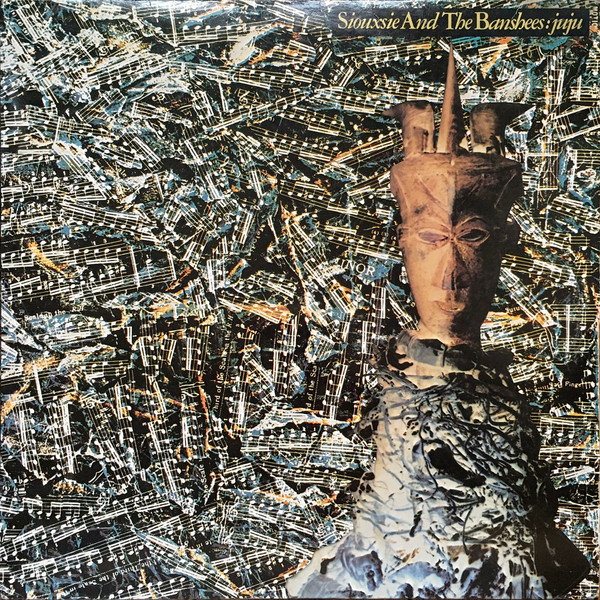
Juju
1981
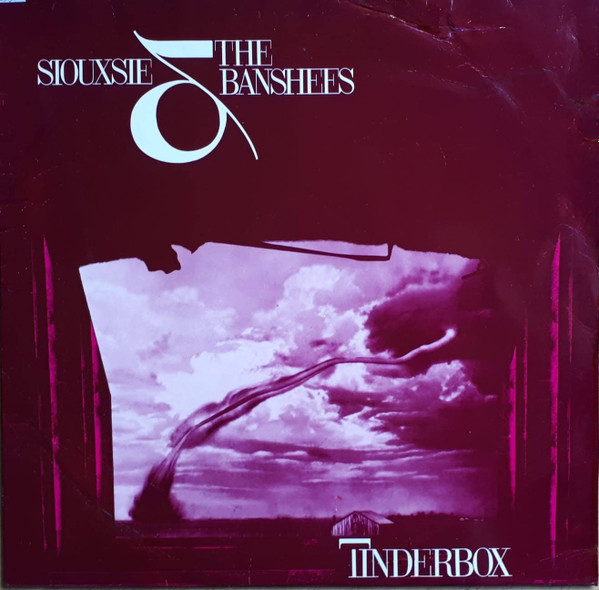
Tinderbox
1986
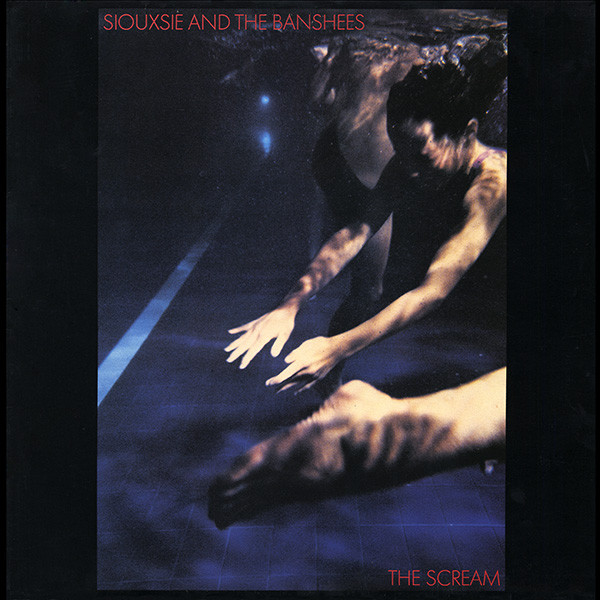
The Scream
1978
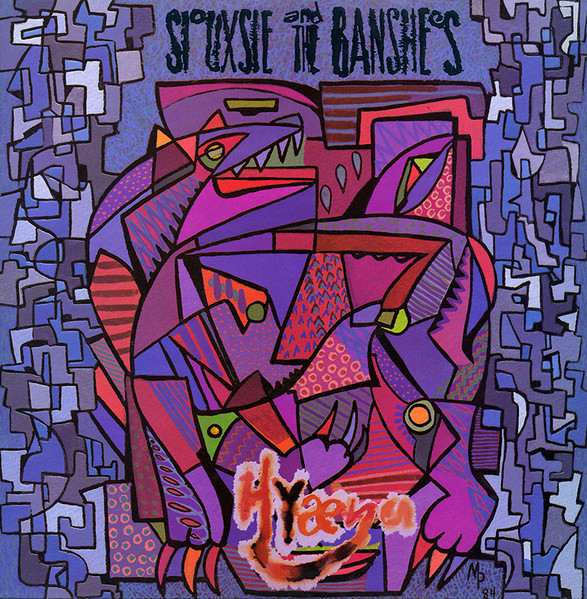
Hyaena
1984
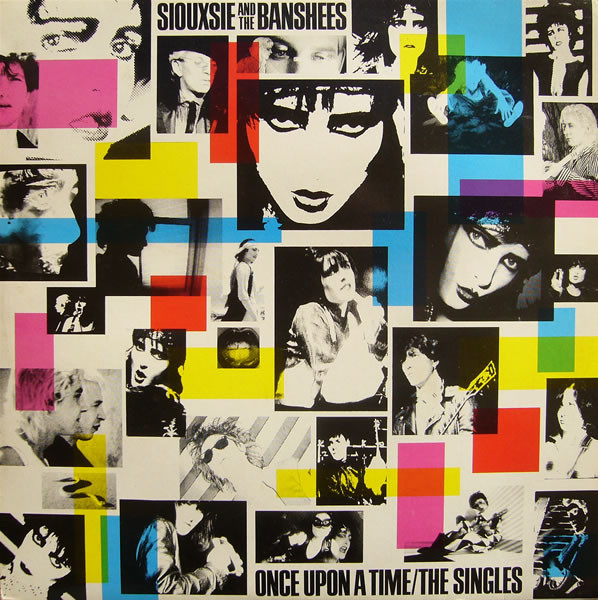
Once Upon A Time/The Singles
1981

Peepshow
1988
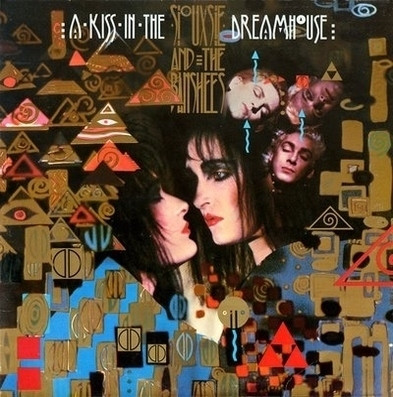
A Kiss In The Dreamhouse
1982
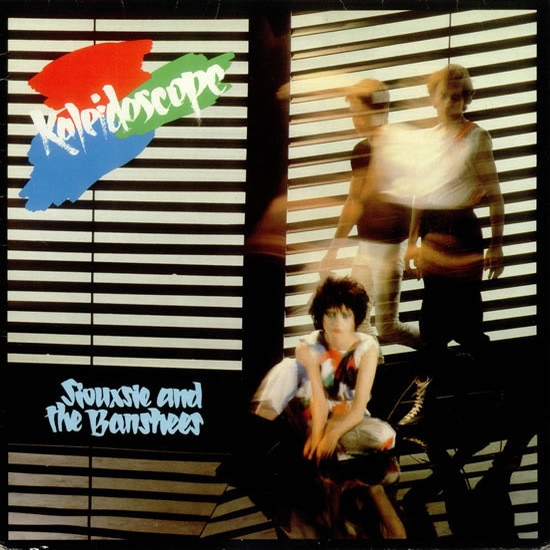
Kaleidoscope
1980
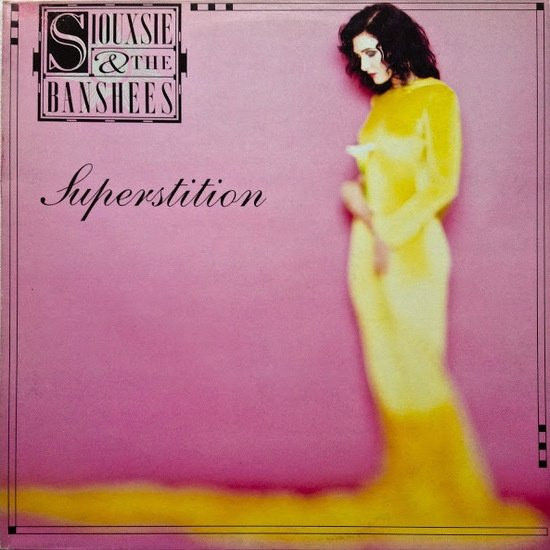
Superstition
1991
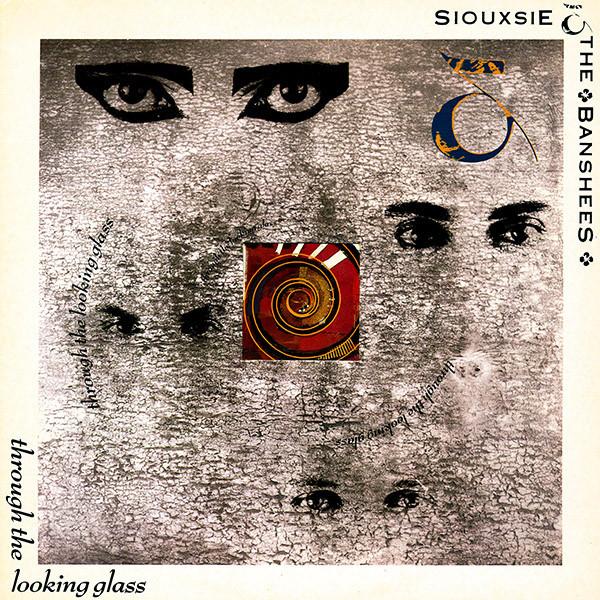
Through The Looking Glass
1987

Nocturne
1983
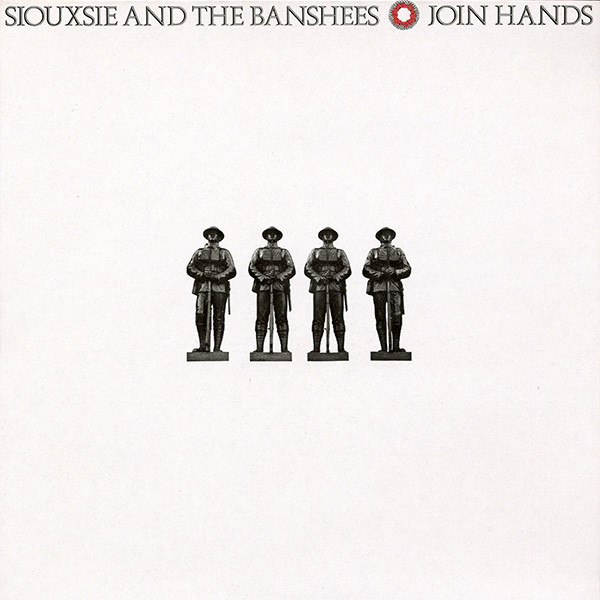
Join Hands
1979
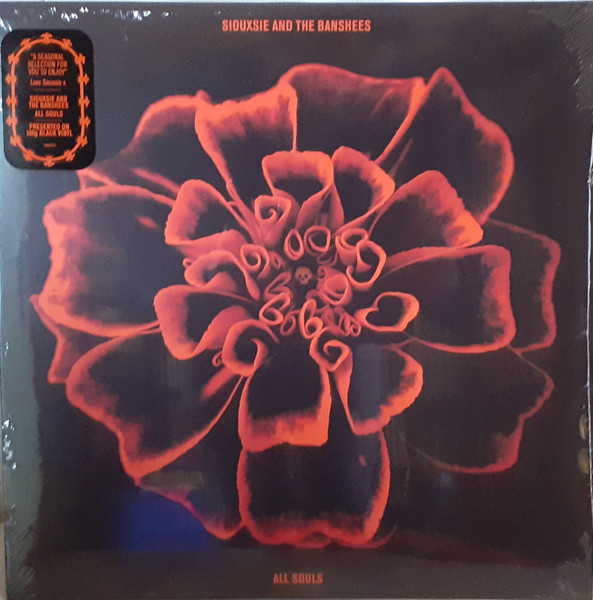
All Souls
2022

Twice Upon A Time - The Singles
1992

The Rapture
1995

Peek-A-Boo
1988
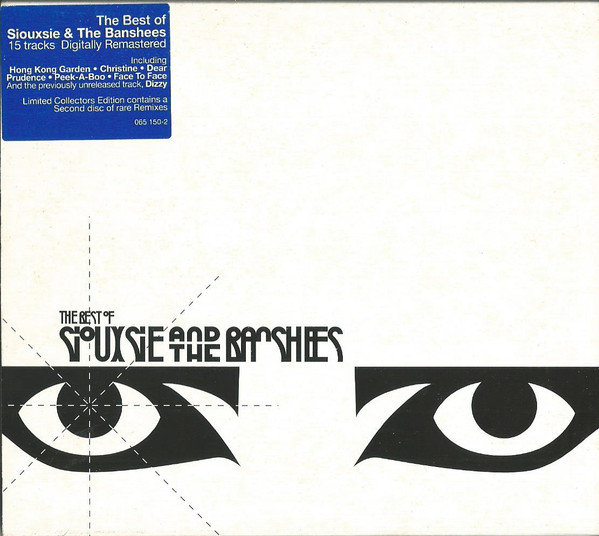
The Best Of Siouxsie And The Banshees
2002
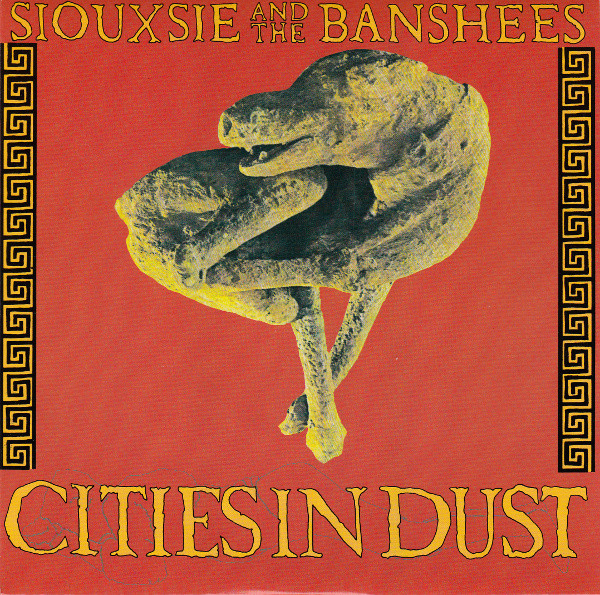
Cities In Dust
1985

The Peel Sessions
1991
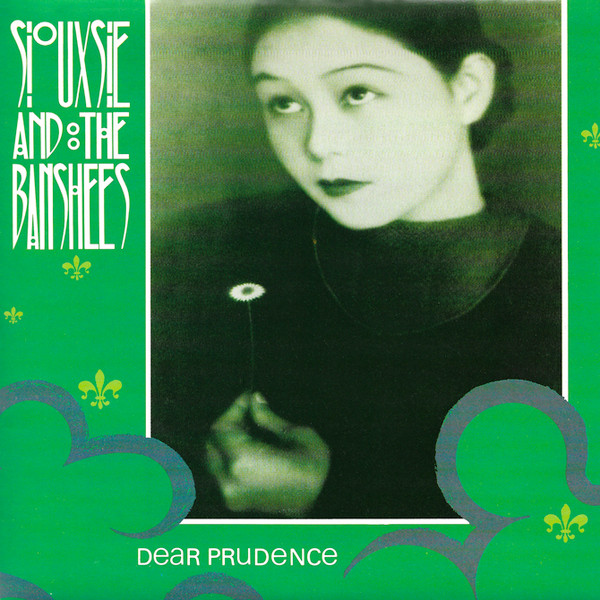
Dear Prudence
1983

Kiss Them For Me
1991
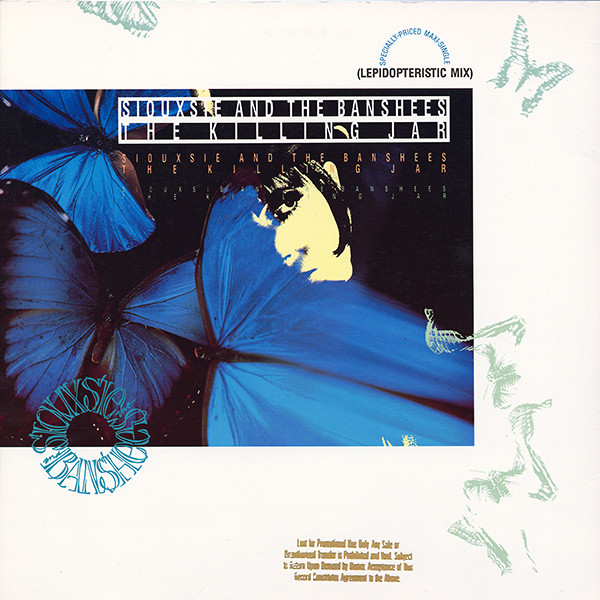
The Killing Jar
1988

Spellbound
1981

Downside Up
2004
Related artists
Around the web
Follow every record they touch.
Start your shelf and Gatefold tracks Siouxsie and the Banshees's new pressings, tour dates, and the whole discography — automatically.
Start your shelf →Free forever. Works with 10 records or 10,000.