
Artist
Shooting Star
Kansas City, United States
Shooting Star is a music group from Kansas City, United States. Their discography on Gatefold includes 9 records.

9
Albums tracked
12
In collections
—
Since
Biography
Gus Dudgeon worked his magic on the debut at Trident Studios in London, the same room where he’d helped Elton John find his feet. Shooting Star should have been the next massive arena draw. They had the dual-vocal attack of Gary West and Van McLain, but they threw a curveball with Charles Waltz on violin. It wasn’t some hippie-folk affectation; the guy played it like a lead guitar through a stack. They had the hooks to kill, but the industry was shifting too fast for their brand of mid-tempo Midwest muscle. By the mid-eighties, the band was running into a wall of label indifference and a changing radio landscape. Virgin dumped them after Silent Scream, and Gary West walked away to do real estate while the industry moved toward hair metal and pop-metal gloss. They spent decades as the band that people swore they heard on the radio but couldn't find in the bins. Van McLain kept the lights on through reunions and lineup shuffles until his body gave out, leaving behind a catalog of records that were always too smart for the cheap seats and too heavy for the pop charts.
Bio from The Clerk
The Arc of Shooting Star
The pivots — what forced Shooting Star to reinvent.
The Trident London Sessions
The band left Kansas for London to record their debut with Gus Dudgeon because they wanted a sound that could compete with the British imports. Dudgeon gave them a massive, polished low end that separated them from the scruffy bar bands of the Midwest. You hear it in the way 'Last Chance' builds from a violin melody into a full-bore rock anthem. It was a play for international stature that made them local heroes but left them perpetually fighting for a slot on American radio.
The Geffen Hard Rock Shift
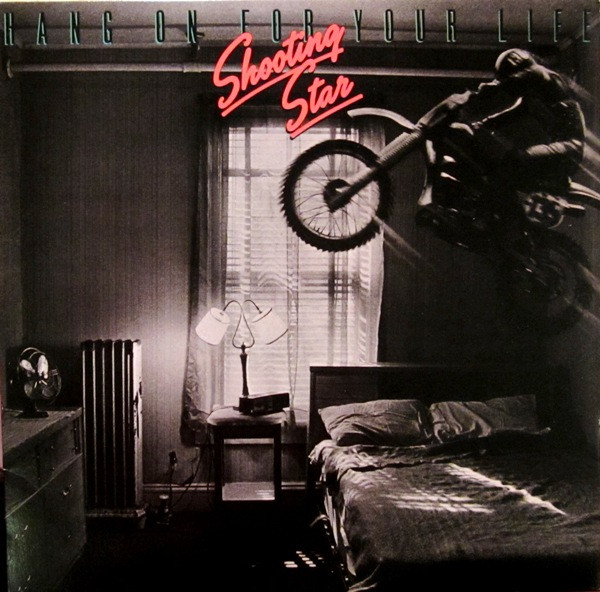
Signing with Geffen for 'Hang On for Your Life' pushed the band toward a harder, more cynical edge that suited the early eighties. The title track became their calling card, ditching the art-rock pretensions for a driving, paranoid rhythm that worked perfectly on AOR stations. This era was defined by Van McLain’s biting guitar work taking center stage over the more melodic keyboard textures. It was their commercial peak, proving they could hang with the heavy hitters without losing their melodic core.
The Silent Scream Fallout
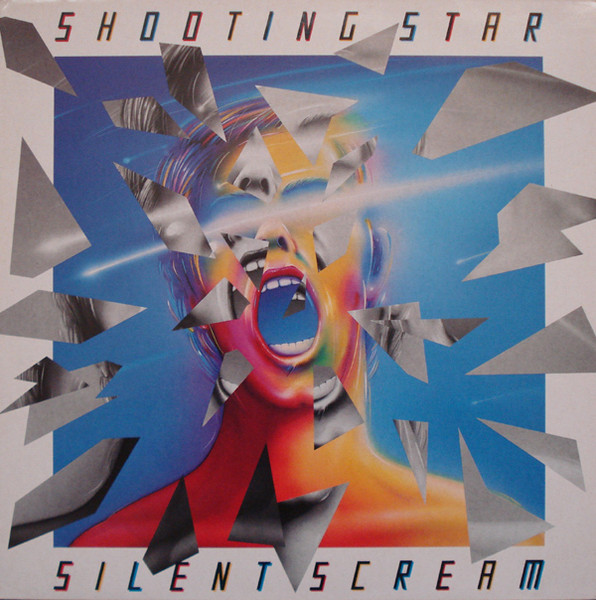
By 1985, the band was struggling to keep the momentum going as the label prioritized flashier acts. They brought in Ron Nevison to produce 'Silent Scream,' which gave them a slicker, more commercial sheen that felt like a Hail Mary for a hit. When the record didn't explode, the original lineup fractured, leading to a long hiatus and Gary West's permanent exit from the music business. The music became more mechanical and less cohesive, marking the end of their run as a unified creative force.
Influences
- Kansas — Van McLain explicitly cited them as the blueprint for integrating complex arrangements into heartland rock. You hear the DNA in Charles Waltz’s violin lines, which mirror Robby Steinhardt’s role but with a more aggressive, rock-forward attack. They took the prog-lite structure of their neighbors and tightened it for three-minute radio spots.
- The Beatles — The band obsessed over the vocal harmonies of the Fab Four, which Gary West and Van McLain translated into their dual-lead approach. The bridge on 'Bring It On' is a direct nod to the melodic shifts found on Rubber Soul. It gave their heavy riffs a pop sensibility that most of their arena-rock peers lacked.
- The Who — The band regularly covered 'Won't Get Fooled Again' in their early days to bridge the gap between their synth textures and high-volume rock. Pete Townshend’s power-chord style is the primary driver behind McLain’s rhythm guitar work. It’s why their ballads still feel like they have a punch in the mouth waiting in the chorus.
- The Marshall Tucker Band — They admired how a flute or violin could lead a rock song without it becoming a gimmick. Shooting Star took that Southern rock integration and polished it for the suburbs of Kansas City. It’s the difference between a jam band and a group that uses the violin as a precision weapon.
- Todd Rundgren — Gary West was a vocal advocate for Rundgren’s studio perfectionism and multi-instrumental layering. You hear that influence in the lush keyboard stacks on III Wishes. They wanted that Utopia level of technicality but forced it into a more straightforward rock box.
Discography
Their records — most-collected first.




Related artists
Around the web
Follow every record they touch.
Start your shelf and Gatefold tracks Shooting Star's new pressings, tour dates, and the whole discography — automatically.
Start your shelf →Free forever. Works with 10 records or 10,000.